Tag: Nitrogen
-
Ecosystems – Interplay of Organisms and Their Environments
An Ecosystem is an intricate and dynamic network where biotic (living) and abiotic (non-living) components interact, creating a complex web of relationships that define the environments of our planet. From vast oceans to mountainous terrains and bustling urban landscapes, ecosystems encompass every geographical and biological strand of the Earth. This article delves deep into the… …read more

-
Natural Environment
The natural environment comprises all living and non-living things occurring naturally on Earth. This complex web of ecosystems, landscapes, and climates provides essential services, sustains biodiversity, and maintains life-supporting resources. In examining the natural environment, it is crucial to consider both biotic components — like plants, animals, and microorganisms — and abiotic factors, such as… …read more
-
Aurora Borealis – The Celestial Dance of the Northern Lights
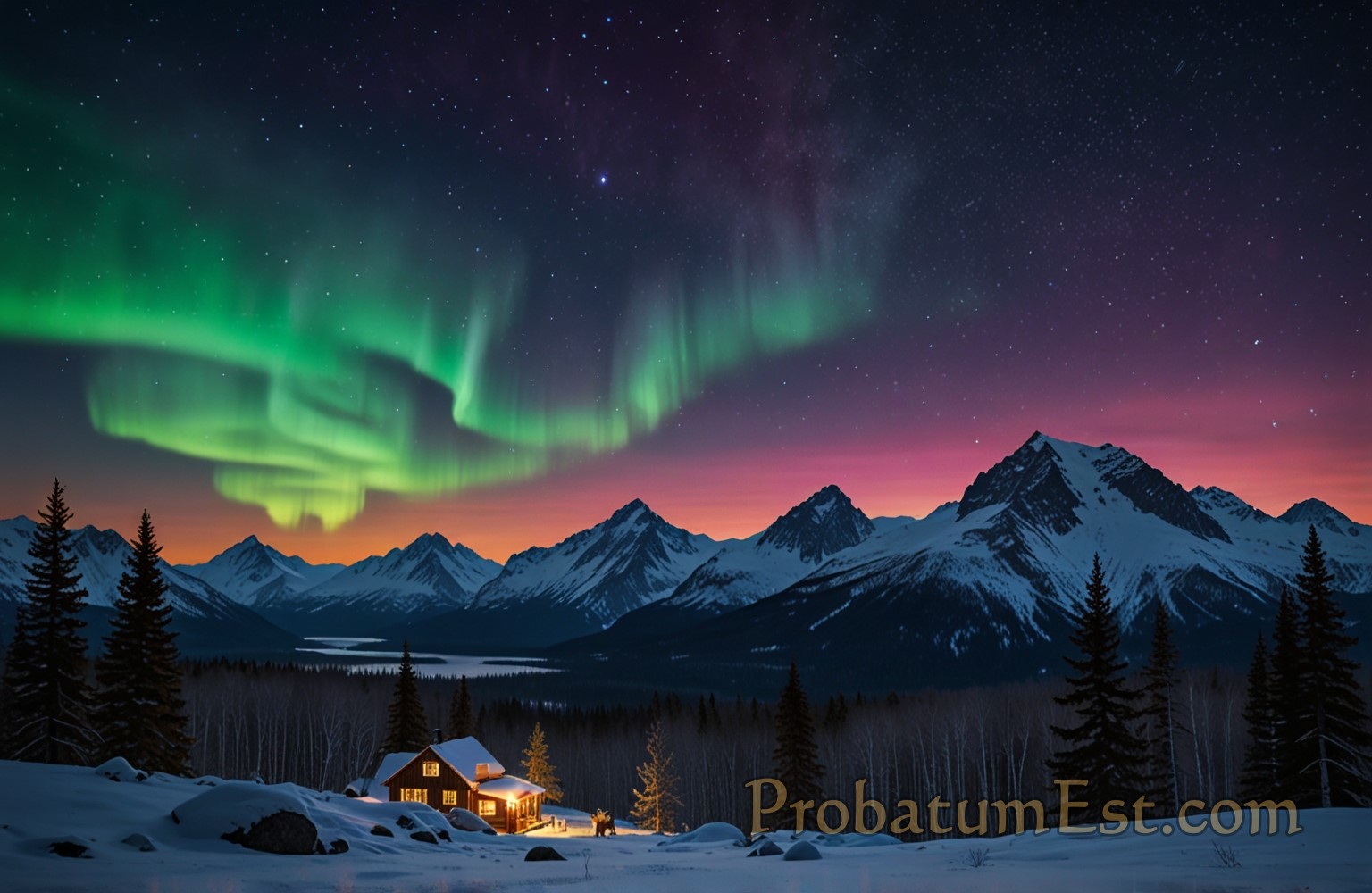
Aurora Borealis, commonly known as the Northern Lights, is one of the most mesmerizing natural phenomena observable from Earth. This breathtaking display of vivid colors dancing across the night sky has captivated humans for millennia, leading to a rich tapestry of myths, scientific curiosity, and artistic inspiration. The Science Behind the Aurora Borealis The Northern… …read more
-
The Primeval Atom – the Genesis of the Universe
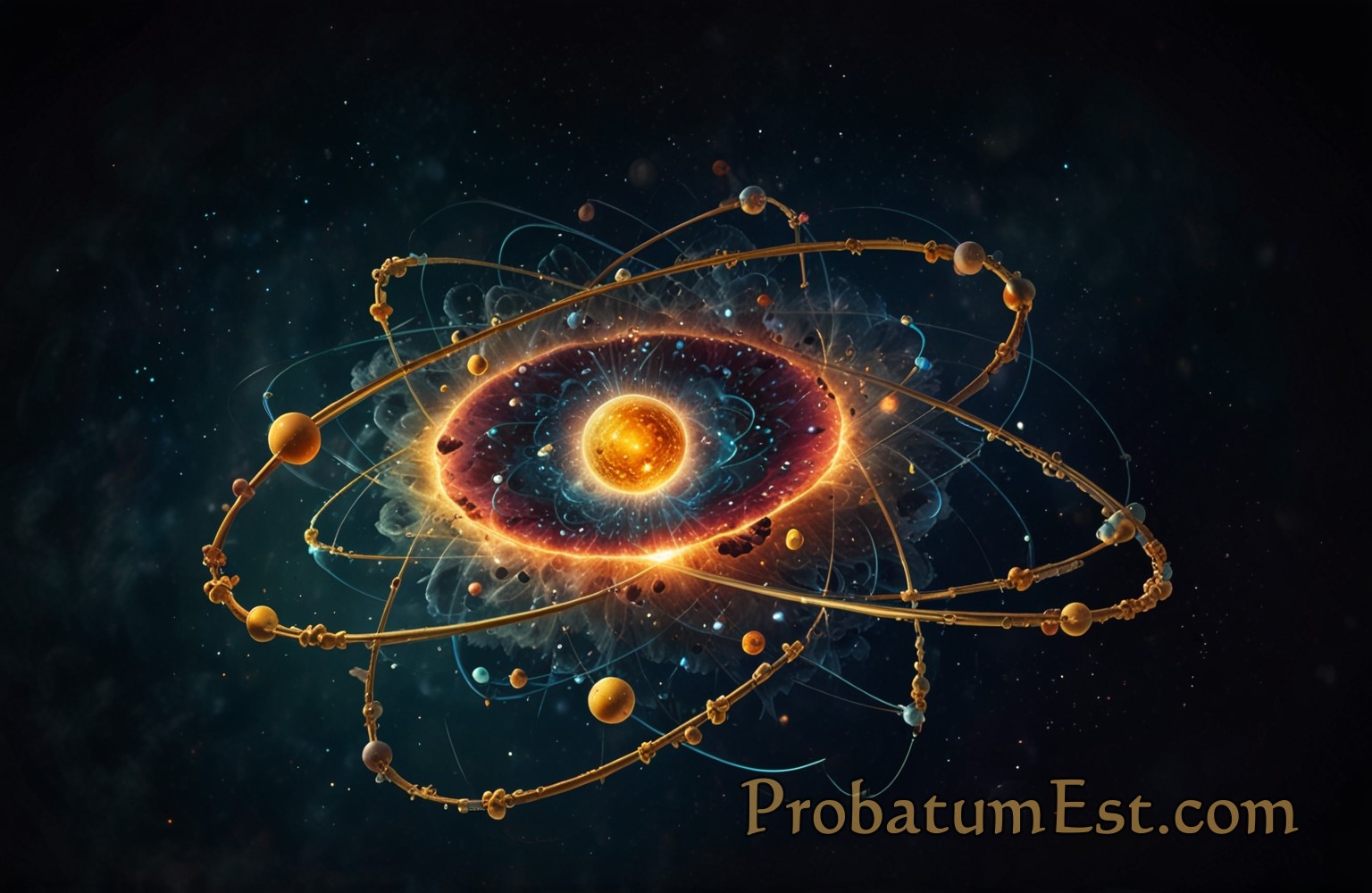
The story of our universe is a saga that stretches back nearly 13.8 billion years, beginning with an infinitesimal point often referred to as the “primeval atom.” This concept is central to the Big Bang theory, the prevailing cosmological model that describes the early development of the universe. The primeval atom’s explosion marks the inception… …read more
-
Northern Hemisphere
The Northern Hemisphere of Earth, a vast and diverse half of our planet, is a region characterized by both unique and common traits. Divided by the Equator, the Northern Hemisphere is home to about 90% of the human population, encompasses diverse climates, and hosts a rich tapestry of ecosystems, cultures, and economies. Delving into its… …read more
-
Stars
Stars are fundamental celestial bodies that have fascinated humans for millennia, serving as beacons in the night sky, guiding exploration and sparking scientific inquiry. From an astronomical perspective, stars are more than just twinkling points of light; they are complex, dynamic systems that play a critical role in the cosmos. This article delves into the… …read more
-
Earth
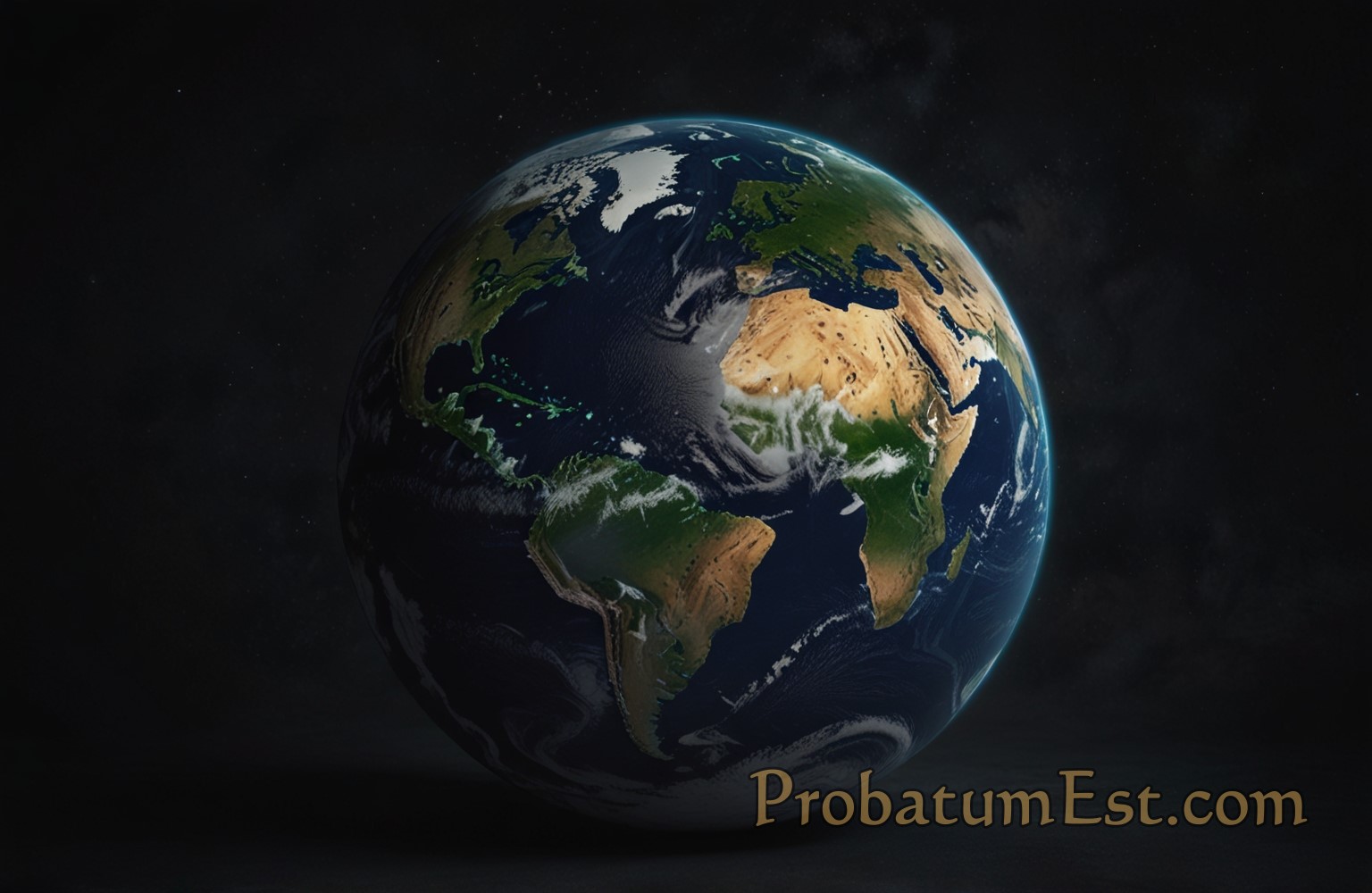
Earth, the third planet from the Sun, holds a unique position in the Solar System as the only known astronomical object to support life. It is often referred to as the “Blue Planet” due to its abundant water bodies. With an intricate blend of geological processes, atmospheric conditions, and biological diversity, Earth offers a remarkable… …read more