Tag: Nitrogen
-
Adenosine Triphosphate (ATP) – The Essential Energy Currency of Life
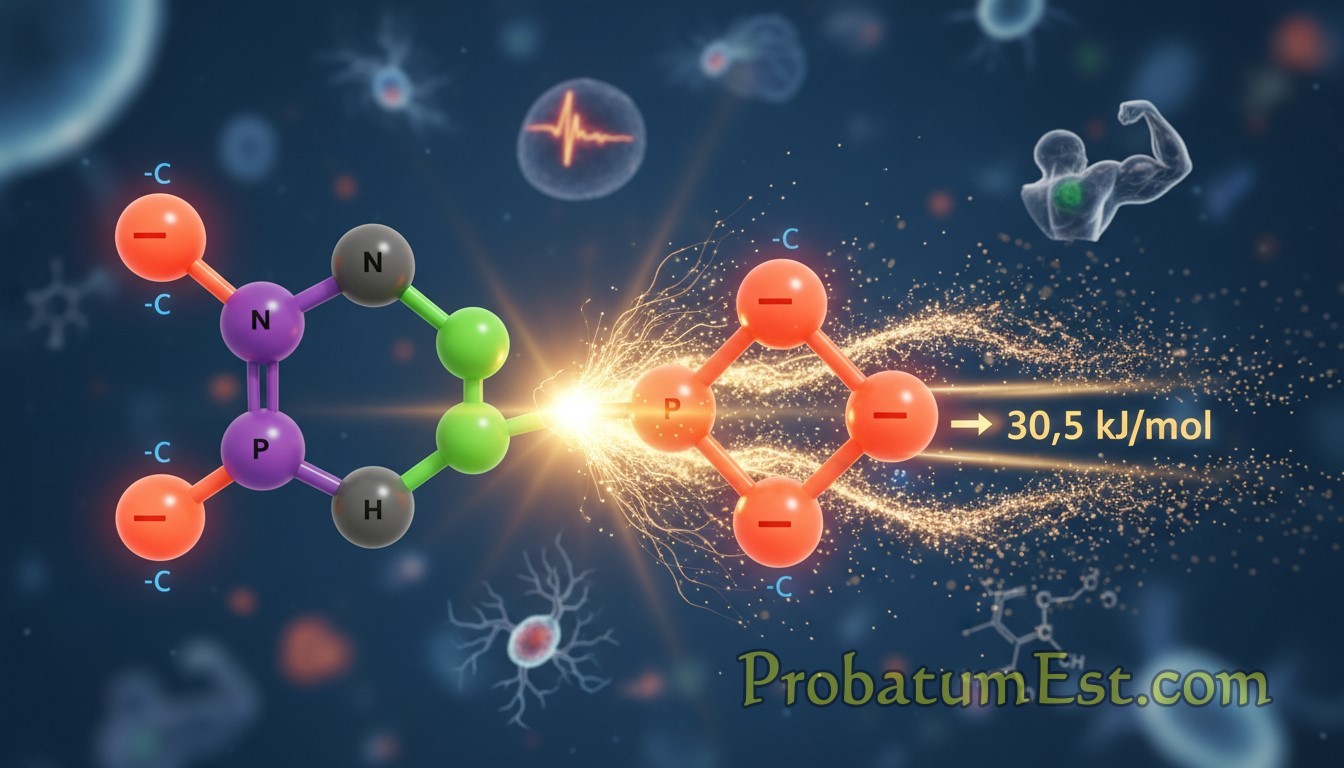
Adenosine Triphosphate (ATP) is often referred to as the “energy currency” of living organisms. It is a high-energy molecule that fuels a vast array of biological processes — from muscle contraction to nerve signal transmission, from protein synthesis to active transport across cell membranes. Although it may appear a simple compound, ATP’s role is foundational… …read more

-
Eukaryotes – Unraveling the Complex World of Nucleated Life
Eukaryotes form a diverse realm of organisms distinguished by one key characteristic: their cells contain a membrane-bound nucleus. From single-celled algae to multicellular plants and animals, these nucleated life forms represent a vast majority of the life we see each day. This article explores what defines eukaryotes, examines their importance and diversity, and highlights current… …read more
-
Eukaryotic Cells – A Comprehensive Exploration
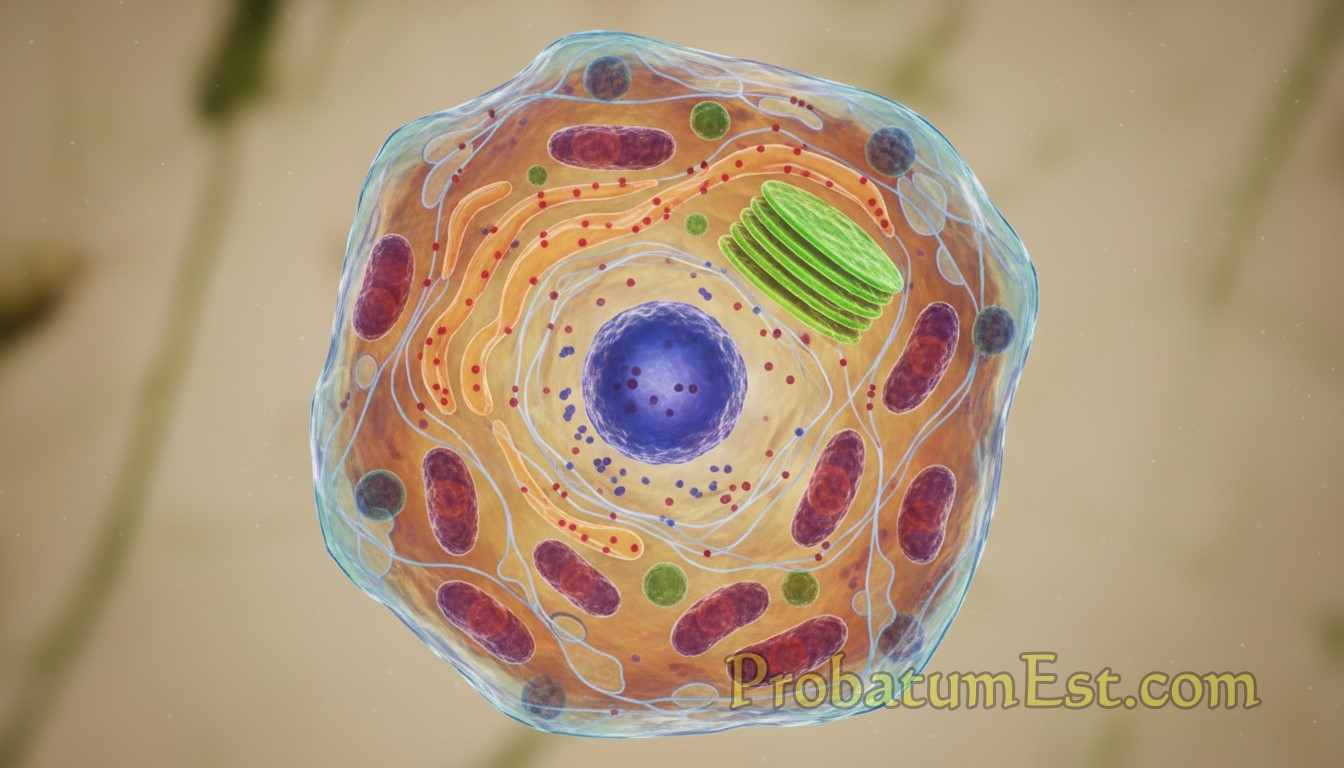
Eukaryotic Cells serve as the fundamental building blocks of many diverse organisms, including animals, plants, fungi, and numerous unicellular species. These cells, distinguished by their membrane-bound organelles and true nucleus, underpin a vast array of complex life forms, making them a focal point of scientific research. Below is a thorough overview of eukaryotic cells, including… …read more
-
Prokaryotic Cells – A Comprehensive Exploration
Prokaryotic Cells are among the most fundamental and intriguing building blocks of life. Distinguished primarily by their lack of a membrane-bound nucleus, these cells play a vital role across multiple arenas — ranging from human health and agriculture to industrial applications. Below is a deep dive into the world of prokaryotic cells, supported by research… …read more
-
Wetlands – Environmental Guardians of Our Earth
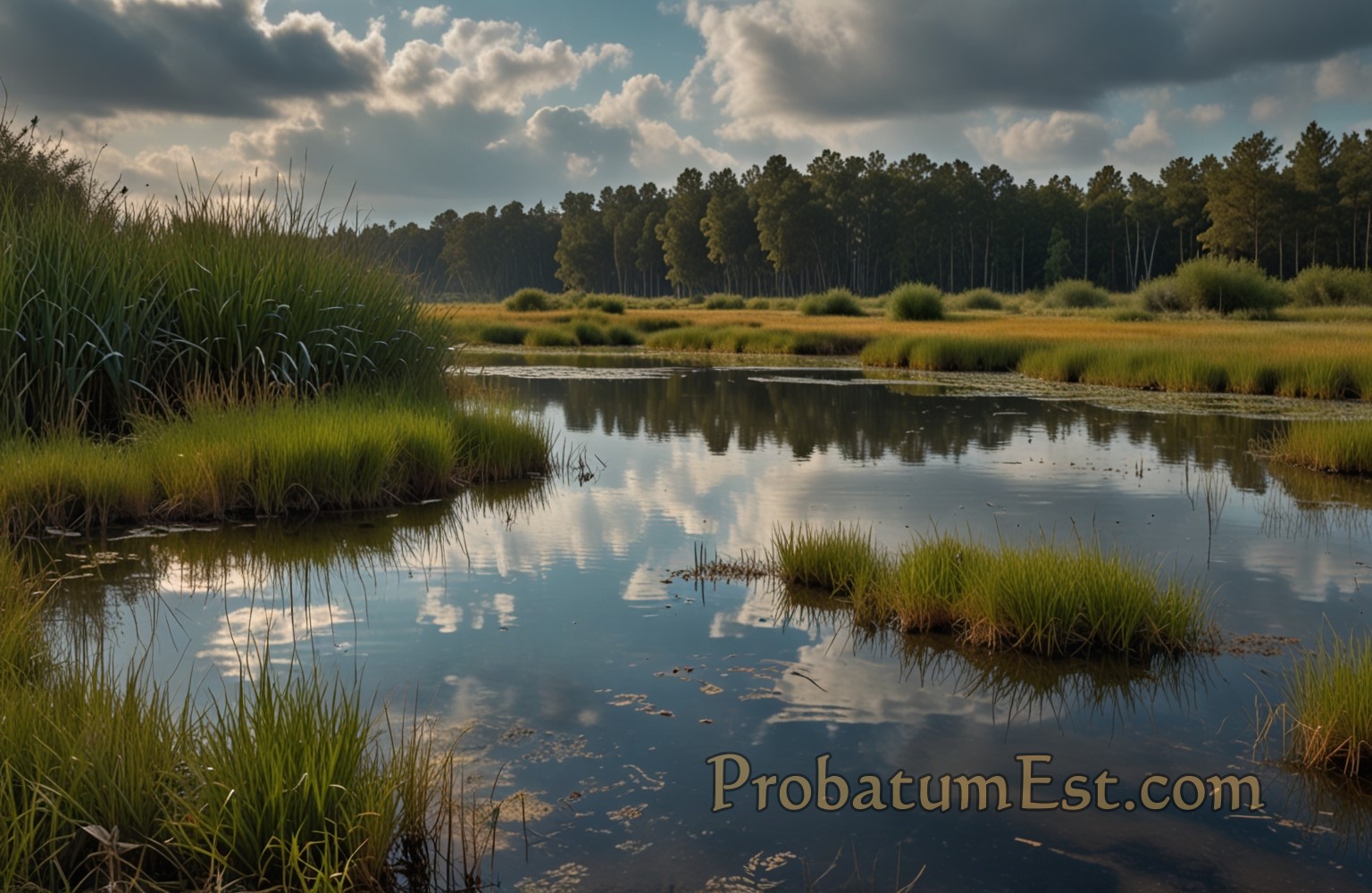
Wetlands are vital natural environments characterized by waterlogged soils or standing water for at least part of the year. They serve as transitional zones between terrestrial and aquatic habitats and support an extraordinary diversity of plants and animals. Below is an in-depth exploration of the defining features of wetlands, their types, ecological functions, key benefits,… …read more

-
Bacteria – Small in Size, Big in Numbers
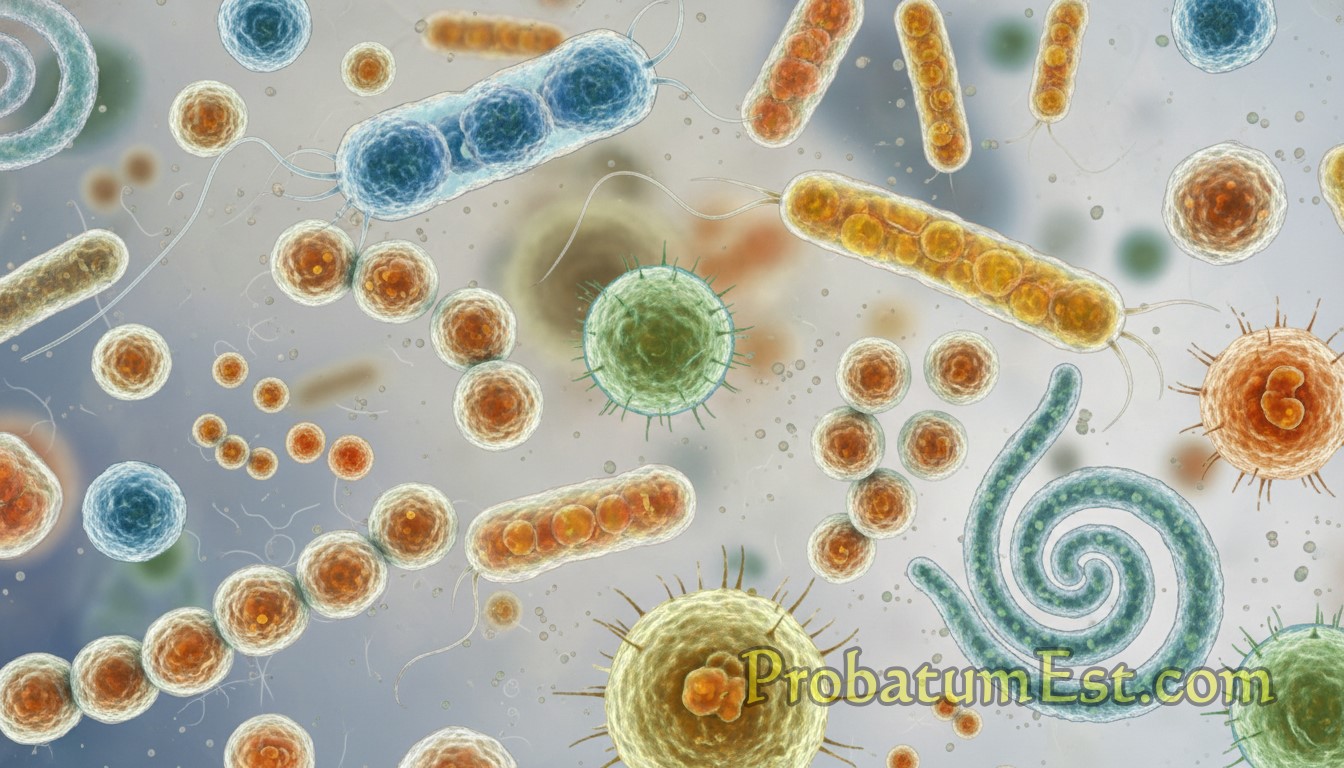
Bacteria are among the most diverse, abundant, and resilient organisms on Earth. They inhabit nearly every environment, ranging from soil and freshwater habitats to the depths of the ocean, as well as living within and on other organisms. Even though they are microscopic, bacteria play indispensable roles in ecosystems, industry, and human health. Below is… …read more
-
Nature – A Closer Look
Nature, in the most fundamental biological sense, encompasses the vast tapestry of living organisms and the environments in which they thrive. It spans from the microscopic building blocks of life to the grand and intricate ecosystems that cover the planet. This article provides an in-depth view of nature – a closer look, discussing the essential… …read more
-
Climate Change – Inquiry into Methodology and Scientific Validity
The debate surrounding climate change has grown intense, with mainstream narratives asserting that climate change unequivocally exists and leads to global warming and rising sea levels. These assertions often approach dogmatic acceptance, claiming an overwhelming scientific consensus. Yet, an examination of these claims through the lens of the scientific method reveals multiple layers of complexity… …read more
-
Earth’s Climate
Earth’s Climate is a complex and dynamic system, intricately woven together by a multitude of factors that influence patterns of weather and climatic conditions worldwide. Although discussions on climate frequently encounter the mainstream narrative emphasizing the climate change dogma, this article aims to focus on the foundational aspects and intricate mechanics of Earth‘s climate without… …read more
-
Freshwater Biome
The Freshwater Biome is an indispensable component of the Earth’s ecosystem. Despite covering a mere 2.5% of the global water supply and less than 1% of Earth’s surface, freshwater biomes are vital for sustaining biodiversity, providing water resources, and supporting countless human activities. From lush rivers and serene lakes to mysterious wetlands and invigorating streams,… …read more