Tag: Oxygen
-
Alpine Biome
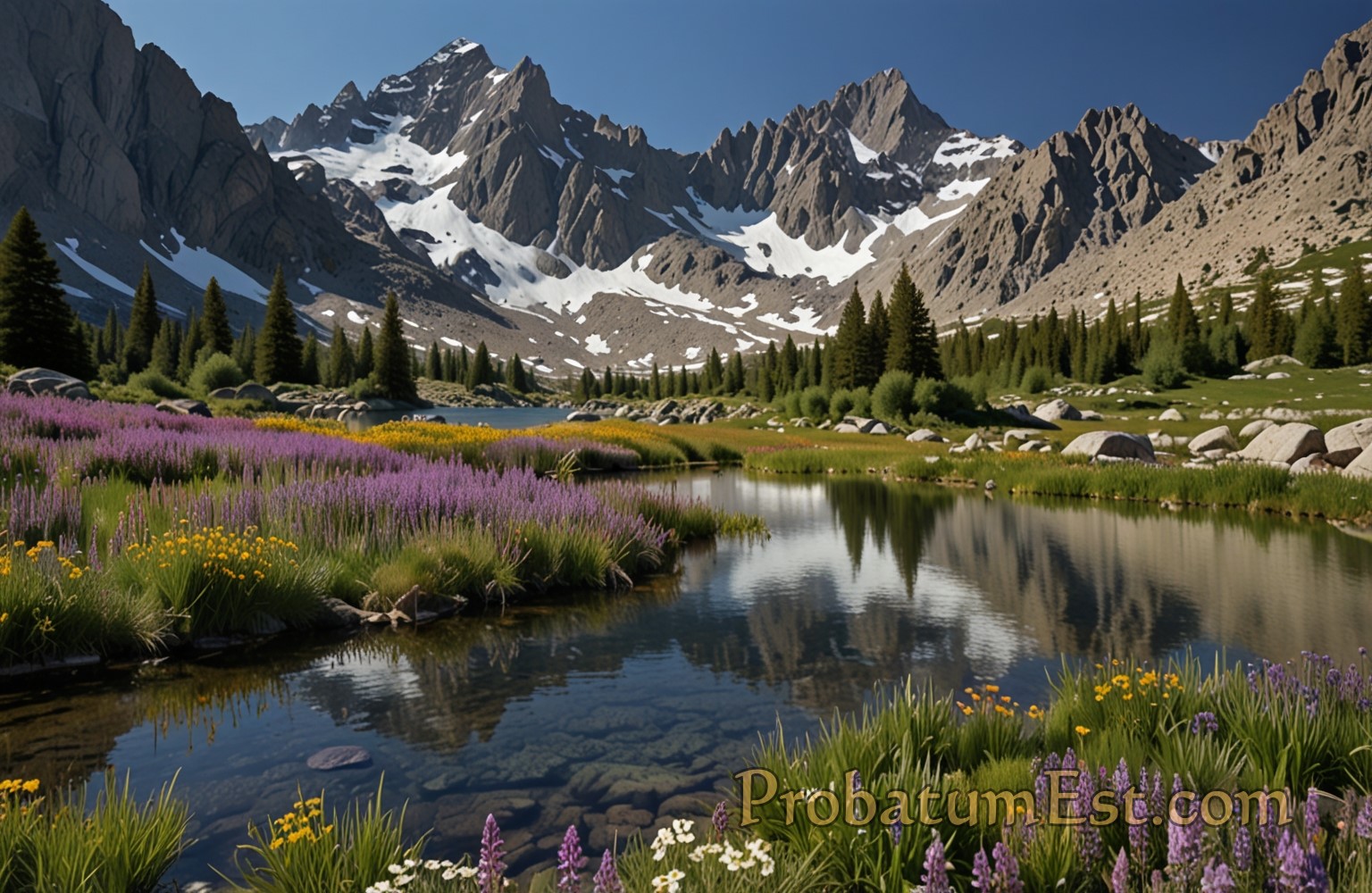
The Alpine Biome is a unique and fascinating ecosystem characterized by cold temperatures, high altitudes, and a variety of specialized life forms. This biome is typically found in mountainous regions across the globe, above the tree line, where the harsh environmental conditions prevent the growth of large plants and trees. In this comprehensive article, we… …read more

-
Marine Biomes
Marine Biomes are among the most dynamic and diverse ecosystems on Earth, covering around 70% of the planet’s surface and playing a crucial role in climate regulation and supporting immense biodiversity. By diving into the realm of marine biomes, we encompass not only the vast open ocean but also coastal ecosystems, coral reefs, deep-sea environments,… …read more
-
Freshwater Biome
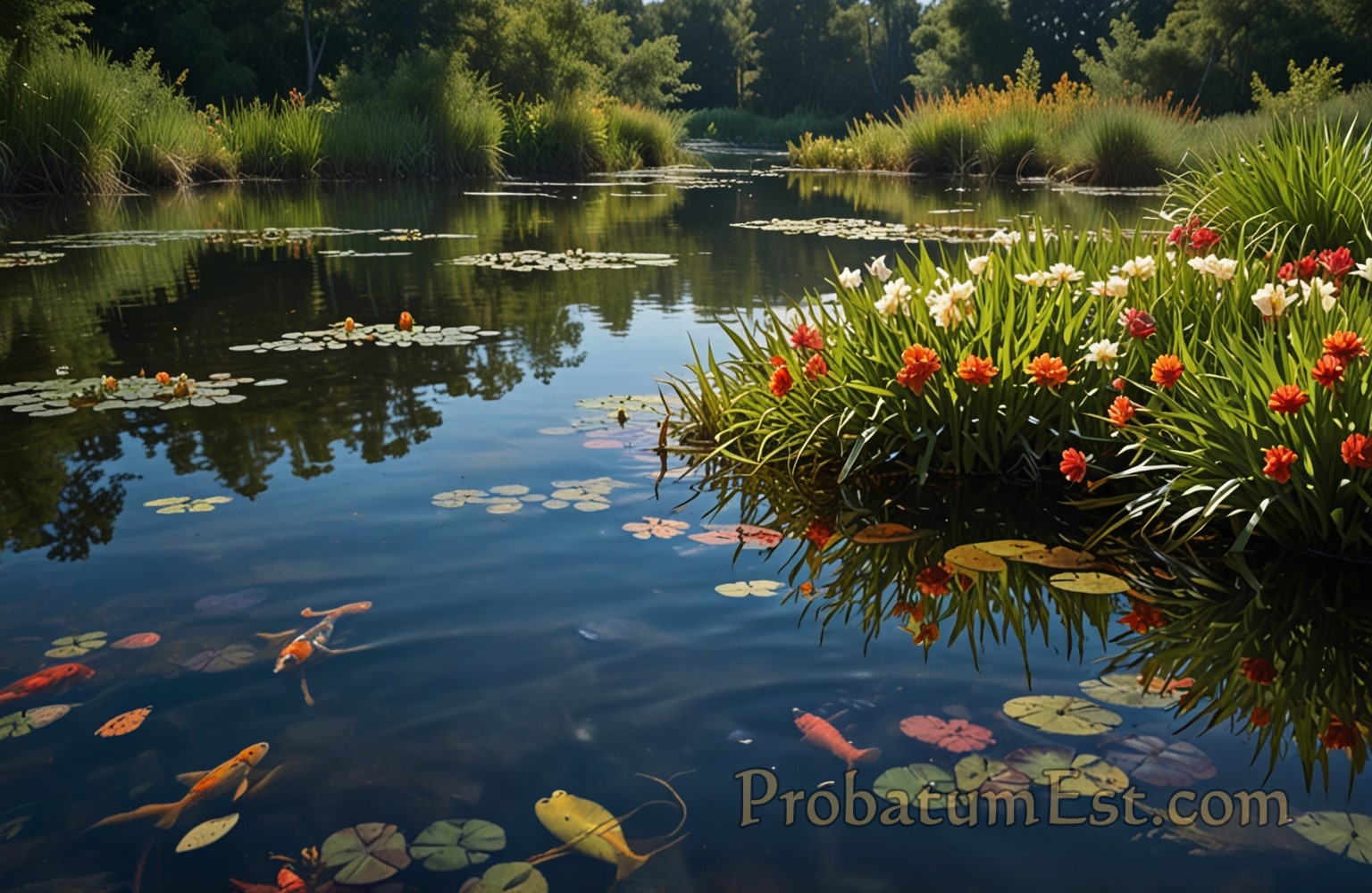
The Freshwater Biome is an indispensable component of the Earth’s ecosystem. Despite covering a mere 2.5% of the global water supply and less than 1% of Earth’s surface, freshwater biomes are vital for sustaining biodiversity, providing water resources, and supporting countless human activities. From lush rivers and serene lakes to mysterious wetlands and invigorating streams,… …read more
-
Grasslands
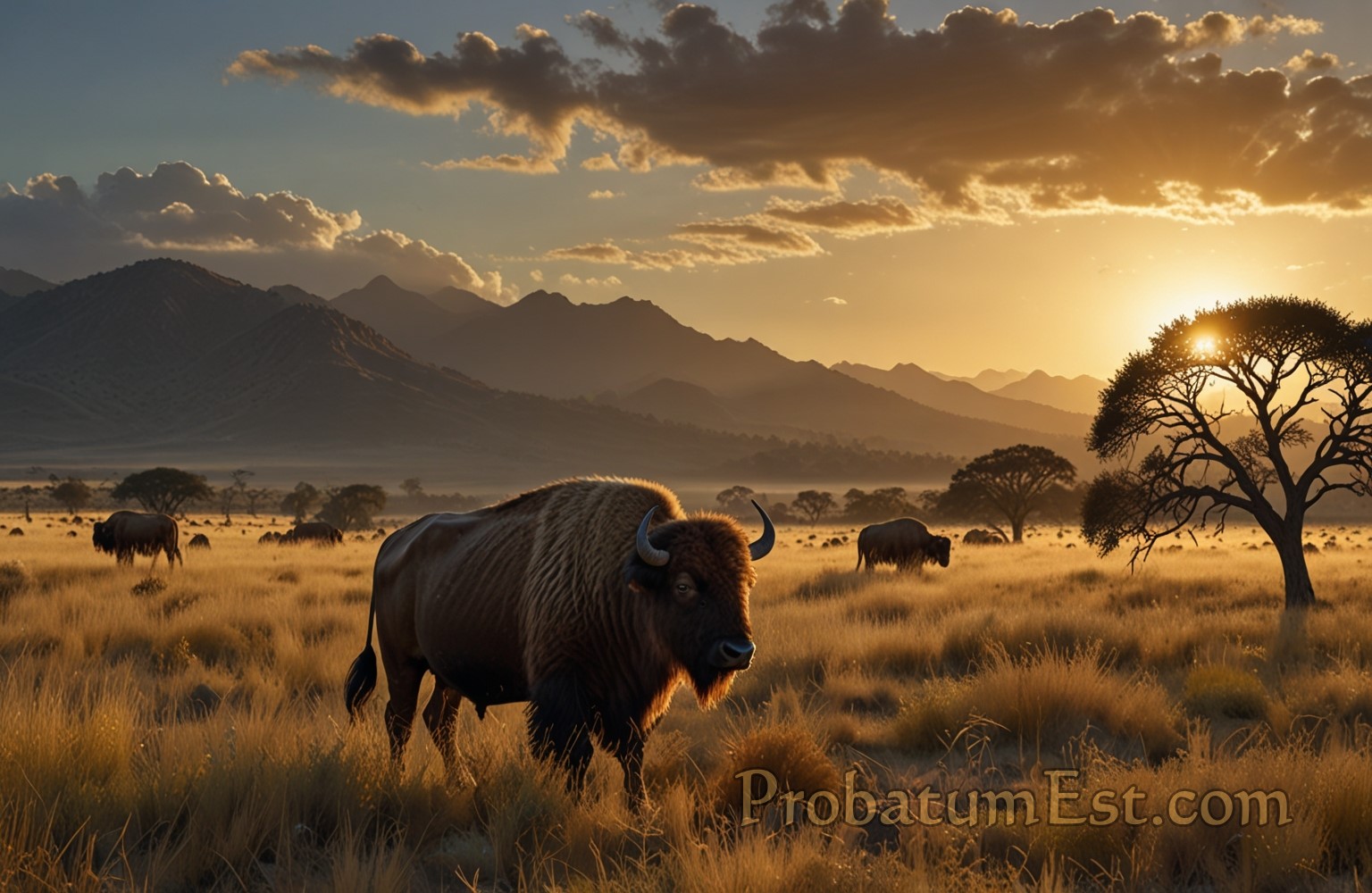
Grasslands, often regarded as the Earth‘s vast ocean of grass, cover roughly one-third of the planet’s land area. These ecosystems, characterized by wide open spaces, minimal tree cover, and an abundance of grasses and herbaceous plants, play a critical role in global biodiversity, climate regulation, and agriculture. This article delves into the intricate world of… …read more
-
Biodiversity – Vast and Vital World of Life
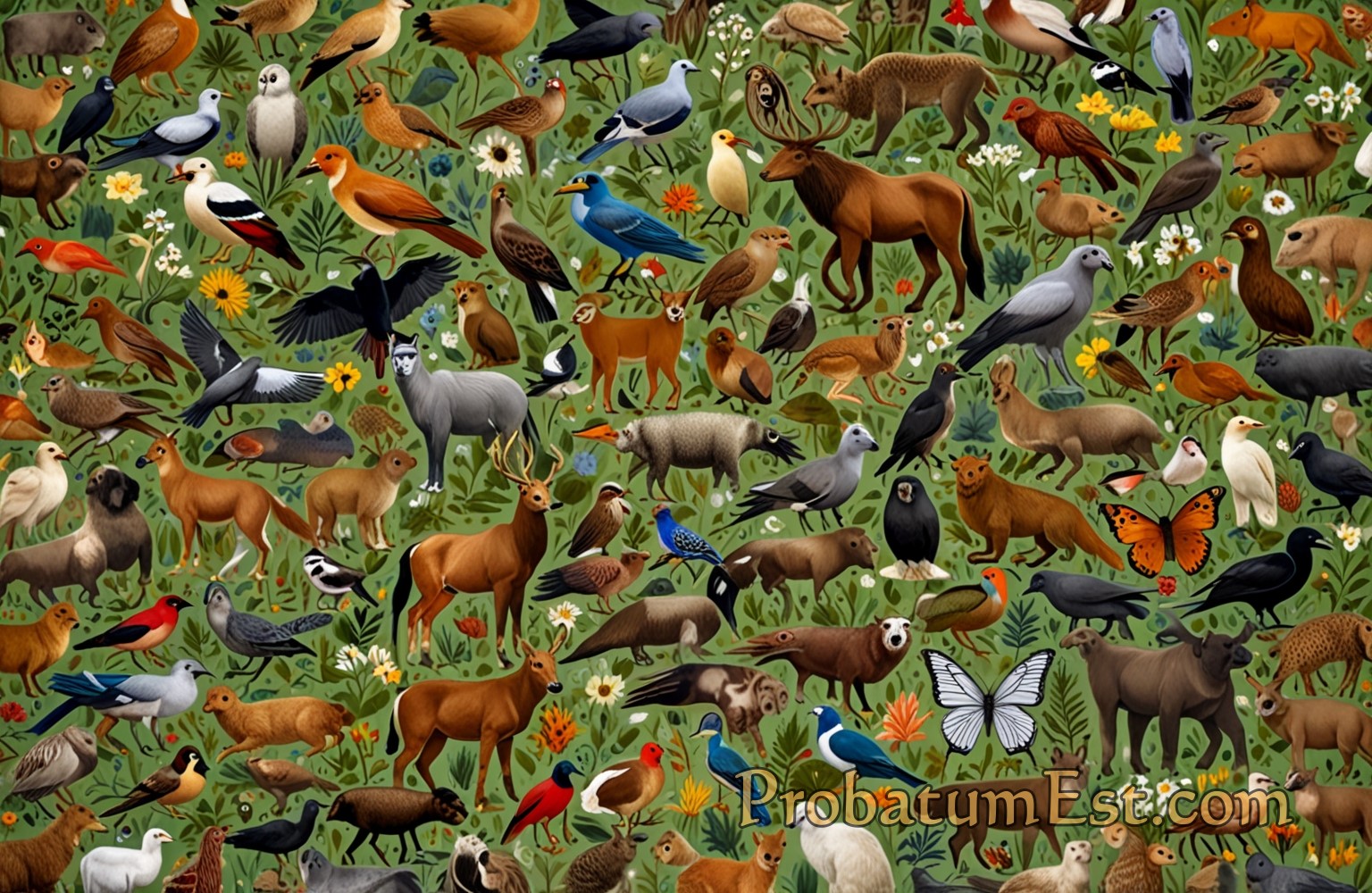
Biodiversity, a term derived from “biological diversity,” encompasses the variety of life forms on Earth. It represents the vast array of species, genetic differences within those species, and the complex ecosystems they form. Biodiversity is not just about a collection of different species; it’s about the balance and interdependence between these species and their environments.… …read more
-
Flora – Backbone of Ecological Systems
Flora, a term derived from the Latin word for “flower,” refers to the collective plant life occurring in a particular region or time, or a detailed catalog of such plant life. Within the context of ecology, flora encompasses not just the conspicuous vegetation like trees, shrubs, herbs, and flowers, but also includes a myriad of… …read more
-
Trophic Levels in Ecosystems
Ecosystems are intricate networks of interactions among living organisms and their physical environment. At the heart of ecological studies is the concept of food chains and food webs, which illustrate the flow of energy and nutrients through these networks. Trophic Levels are fundamental to understanding these processes, representing the hierarchical levels within an ecosystem, based… …read more
-
Life on Earth
Life on Earth is a testament to the complexity, adaptability, and diversity of organic processes that have unfolded over billions of years. From single-celled organisms to the vast web of interconnected ecosystems, life on our planet is both a scientific marvel and a source of endless fascination. This article aims to explore life on Earth… …read more
-
Forests
Forests are among the most vital ecosystems on our planet, covering approximately 31% of Earth’s land area. They are complex biomes that harbor a diversity of life and provide essential ecosystem services that support both natural systems and human communities. This article delves deeply into the world of forests, exploring their types, structure, ecological role,… …read more
-
Food Web – Complex Network of Energy Transfer in Ecosystems
In the intricate tapestry of life that forms our planet, one of the most fascinating and complex interactions is the “food web.” This concept transcends the linear progression of a food chain by illustrating a network of interconnected food chains, showcasing the myriad paths through which energy and nutrients circulate within an ecosystem. Understanding food… …read more