Tag: Oxygen
-
Deep Dive into Astronomy Facts
Astronomy is one of the oldest sciences, with its roots stretching back to ancient civilizations that gazed at the stars in wonder. Today, our understanding of the universe has grown tremendously, uncovering facts that they could only dream of. Through centuries of observations and advancements in technology, our comprehension of cosmic phenomena has become more… …read more

-
Tropical Rainforests
Tropical rainforests are among the most complex and vital ecosystems on Earth. Covering only about 6% of the Earth’s surface, they are home to more than half of the world’s plant and animal species. From the towering canopies of the Amazon to the dense jungles of Southeast Asia, tropical rainforests offer a rich tapestry of… …read more
-
Northern Hemisphere
The Northern Hemisphere of Earth, a vast and diverse half of our planet, is a region characterized by both unique and common traits. Divided by the Equator, the Northern Hemisphere is home to about 90% of the human population, encompasses diverse climates, and hosts a rich tapestry of ecosystems, cultures, and economies. Delving into its… …read more
-
The Cosmos
The cosmos, often synonymous with the universe, represents everything that exists: from the tiniest subatomic particles to the vast expanse of galaxies. This term is derived from the Greek word “kosmos,” which means order, reflecting the intricate and structured nature of the universe. From an astronomical perspective, understanding the cosmos involves investigating its origins, structure,… …read more
-
Stars
Stars are fundamental celestial bodies that have fascinated humans for millennia, serving as beacons in the night sky, guiding exploration and sparking scientific inquiry. From an astronomical perspective, stars are more than just twinkling points of light; they are complex, dynamic systems that play a critical role in the cosmos. This article delves into the… …read more
-
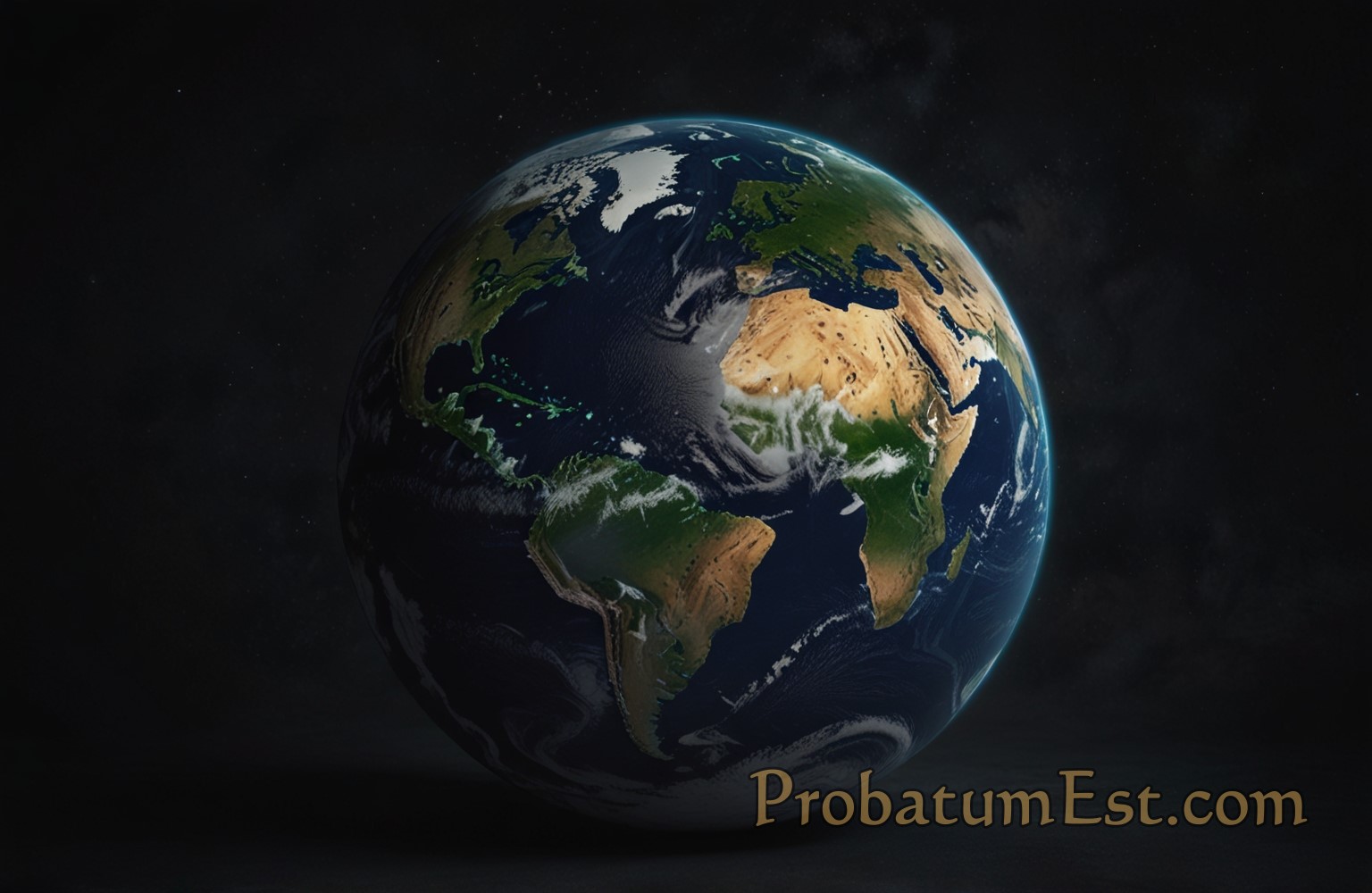
Earth
Earth, the third planet from the Sun, holds a unique position in the Solar System as the only known astronomical object to support life. It is often referred to as the “Blue Planet” due to its abundant water bodies. With an intricate blend of geological processes, atmospheric conditions, and biological diversity, Earth offers a remarkable… …read more
-
The Sun
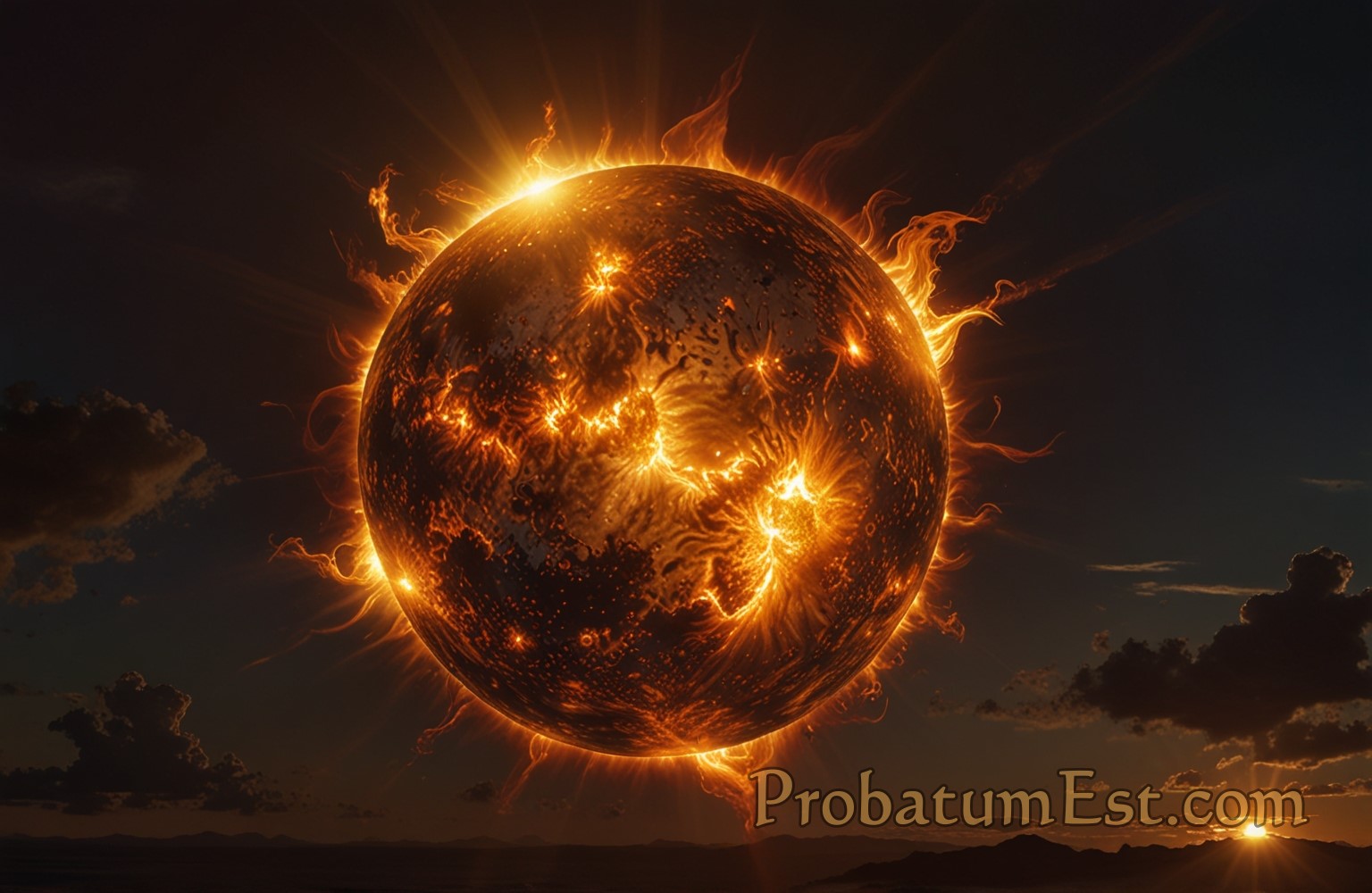
The Sun, a brilliantly luminous sphere of hot plasma, is the star at the center of our solar system. Providing the Earth with the necessary heat and light to sustain life, the Sun is a constant presence in our sky — a cosmic anchor around which everything in the solar system revolves. To truly appreciate… …read more