Tag: Plant
-
Mixed Forests – Nature’s Blend of Deciduous and Coniferous Trees
Mixed Forests, often referred to as mixed deciduous-coniferous forests, represent a dynamic blend of tree species that combine elements of both deciduous and coniferous ecosystems. These forests are known for their diversity in flora and fauna, multilayered canopies, and complex ecological processes. Whether found in temperate regions of North America, Europe, or portions of Asia,… …read more

-
Coniferous Forests – Majestic Realm of Evergreen Giants
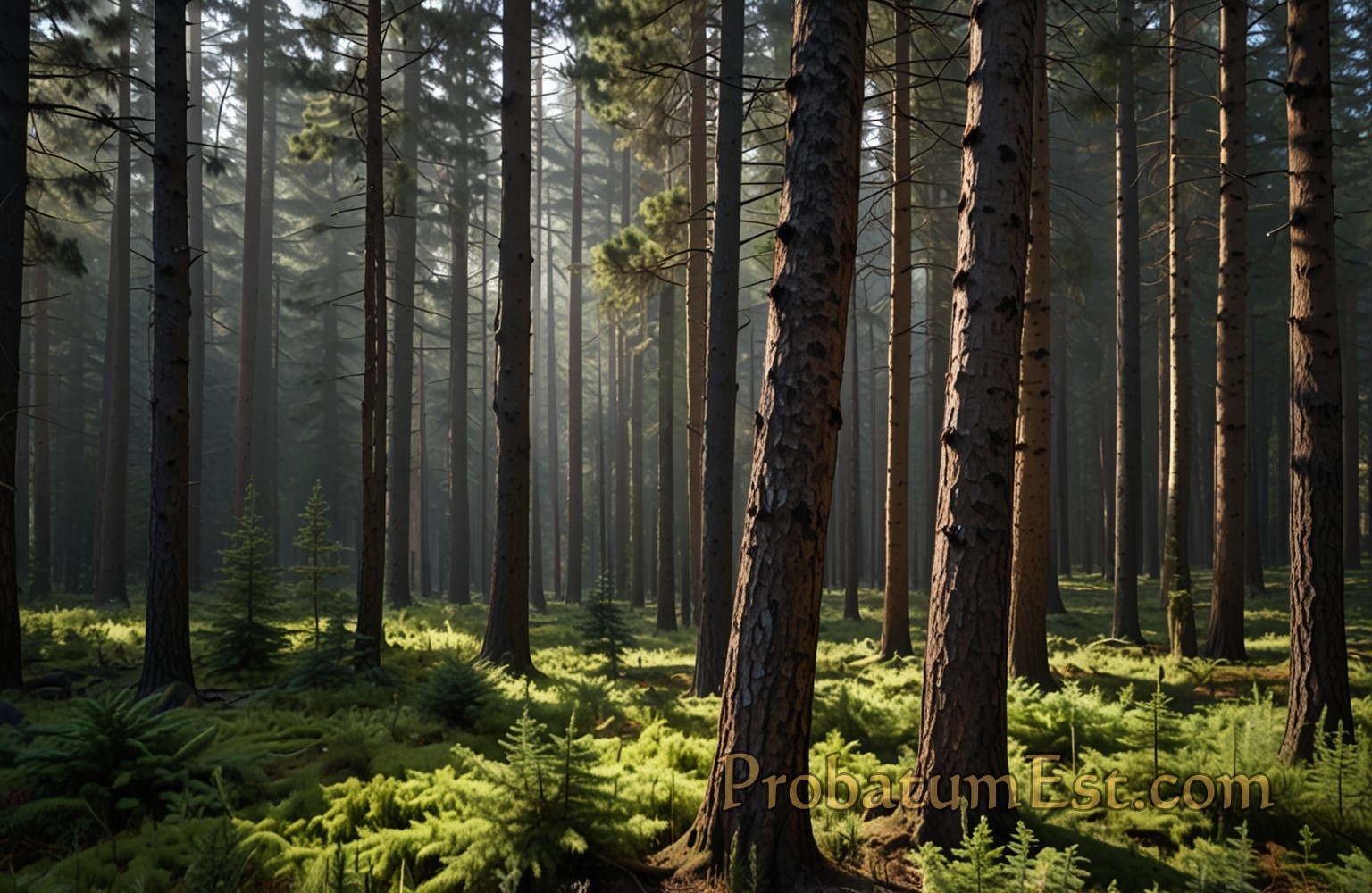
Coniferous Forests, sometimes known as “evergreen forests,” are dominated by cone-bearing trees that retain their needles or scale-like leaves throughout most of the year. These forests are among the most extensive terrestrial biomes on Earth, covering immense stretches across North America, Europe, and Asia, as well as smaller pockets in the Southern Hemisphere. Known under… …read more
-
Woodlands – Nature’s Tranquil Retreats and Ecosystem Powerhouses
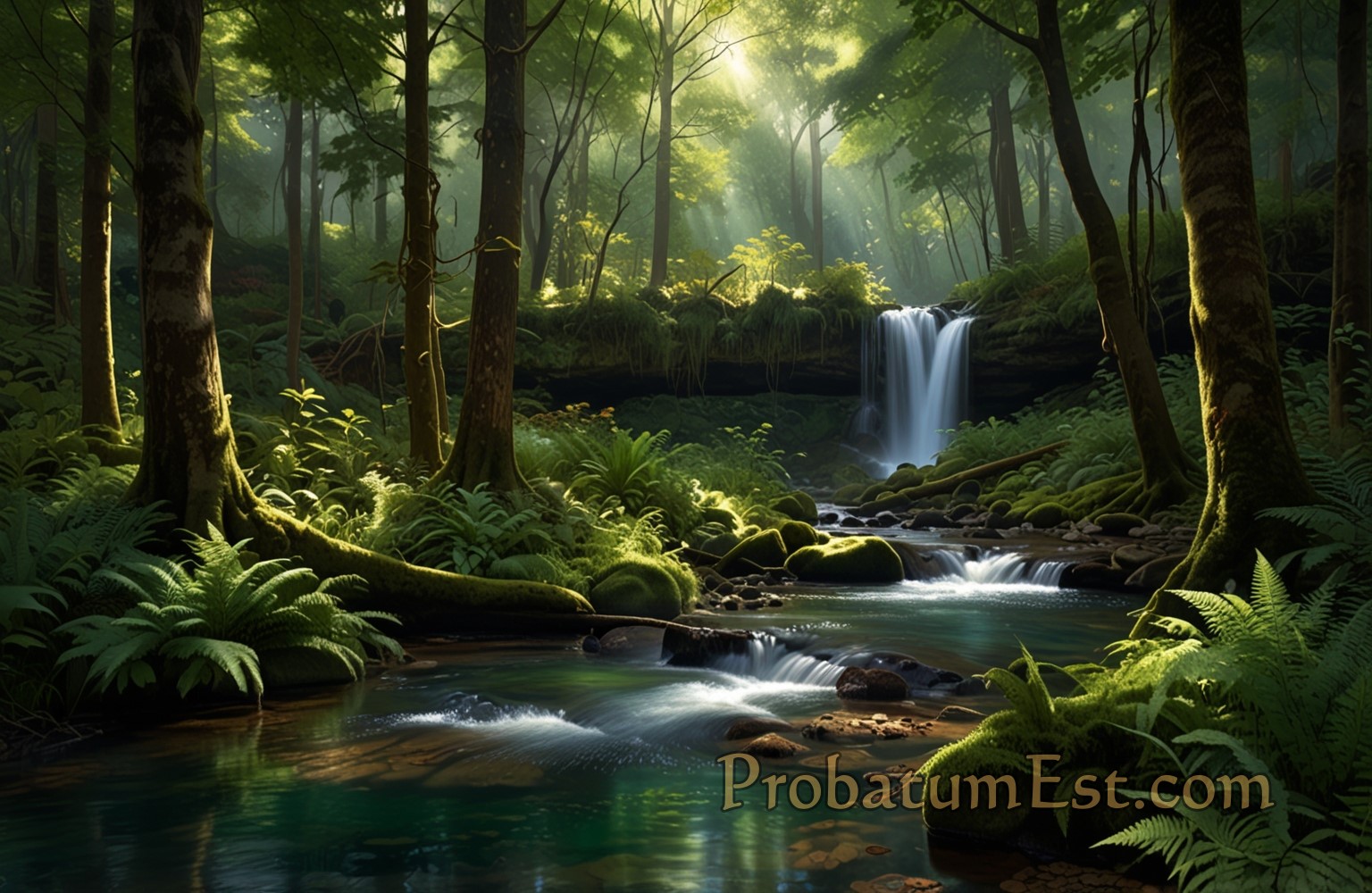
Woodlands, sometimes referred to as open forests, are fascinating natural landscapes marked by a diverse assortment of trees, shrubs, and grasses. They share characteristics with forests and savannas but differ notably in openness, tree density, and light penetration. Woodlands form an integral part of Earth’s tapestry of biomes. 1. Defining Woodlands and Their Characteristics Woodlands… …read more
-
High Plateau Biome
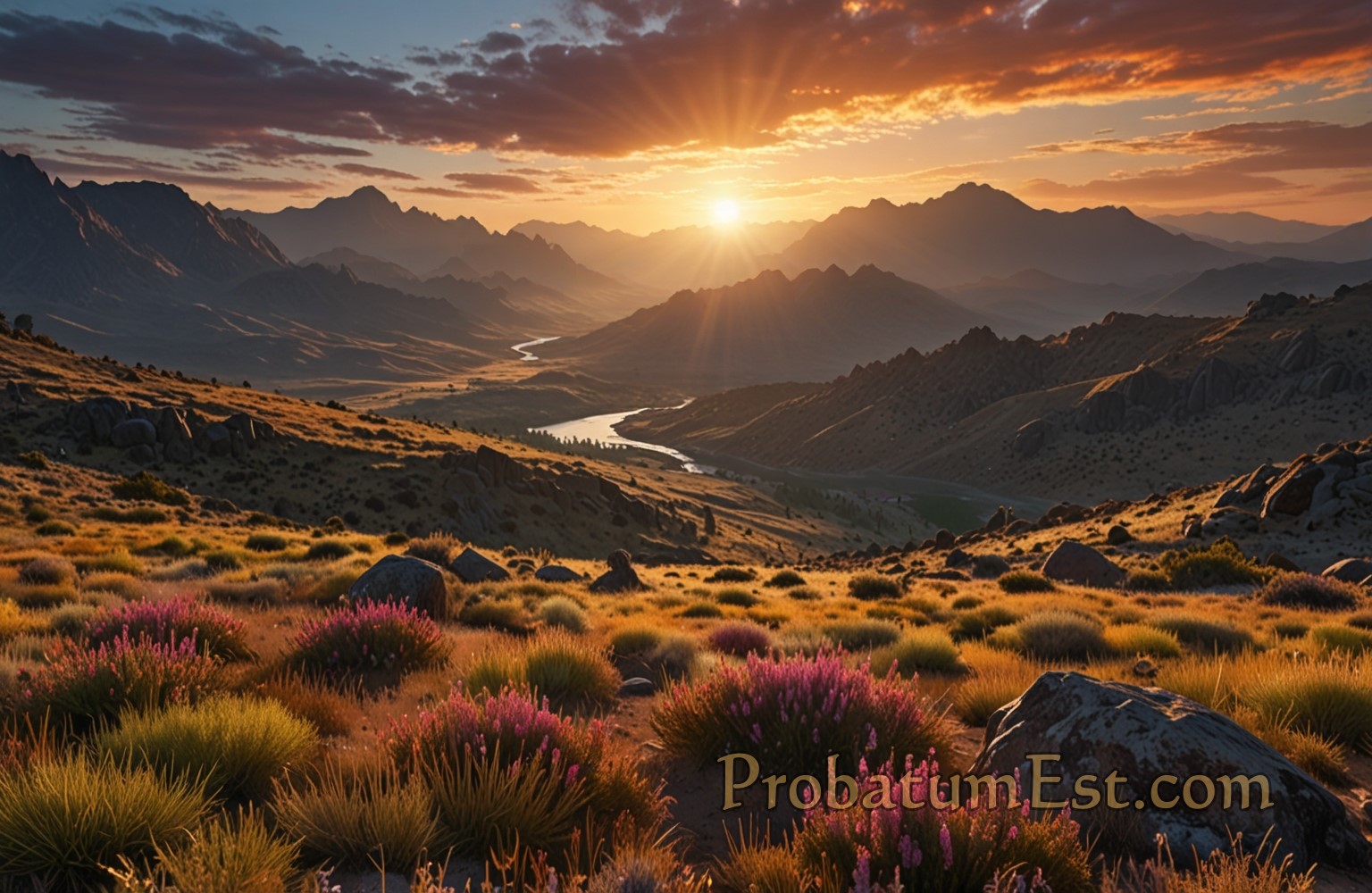
A High Plateau is a broad, elevated area of land that rises significantly above the surrounding region. Unlike mountains, which typically have distinct peaks and steep slopes, plateaus tend to be relatively flat or gently rolling across their summits. Due to their considerable elevation, high plateaus often have unique climatic, biological, and geological characteristics that… …read more
-
Deciduous Forests – Nature’s Colorful Canvas
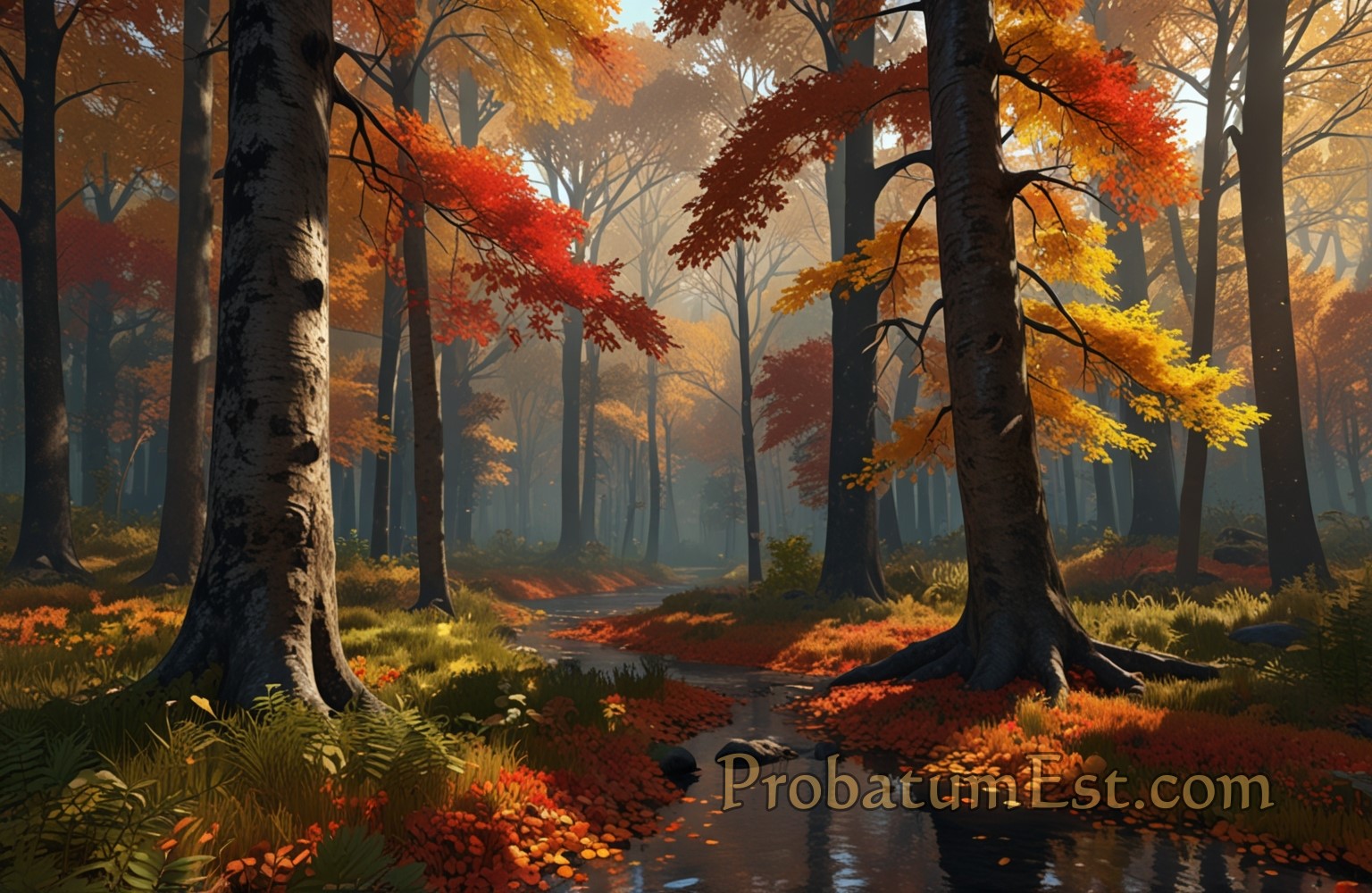
Deciduous Forests are among the world’s most distinctive and captivating terrestrial ecosystems. They are characterized by trees that shed their leaves once a year, creating a dramatic seasonal cycle of growth and decline. This article delves deeply into the characteristics, structure, distribution, flora, fauna, and human impacts related to deciduous forests. 1. Definition and General… …read more
-
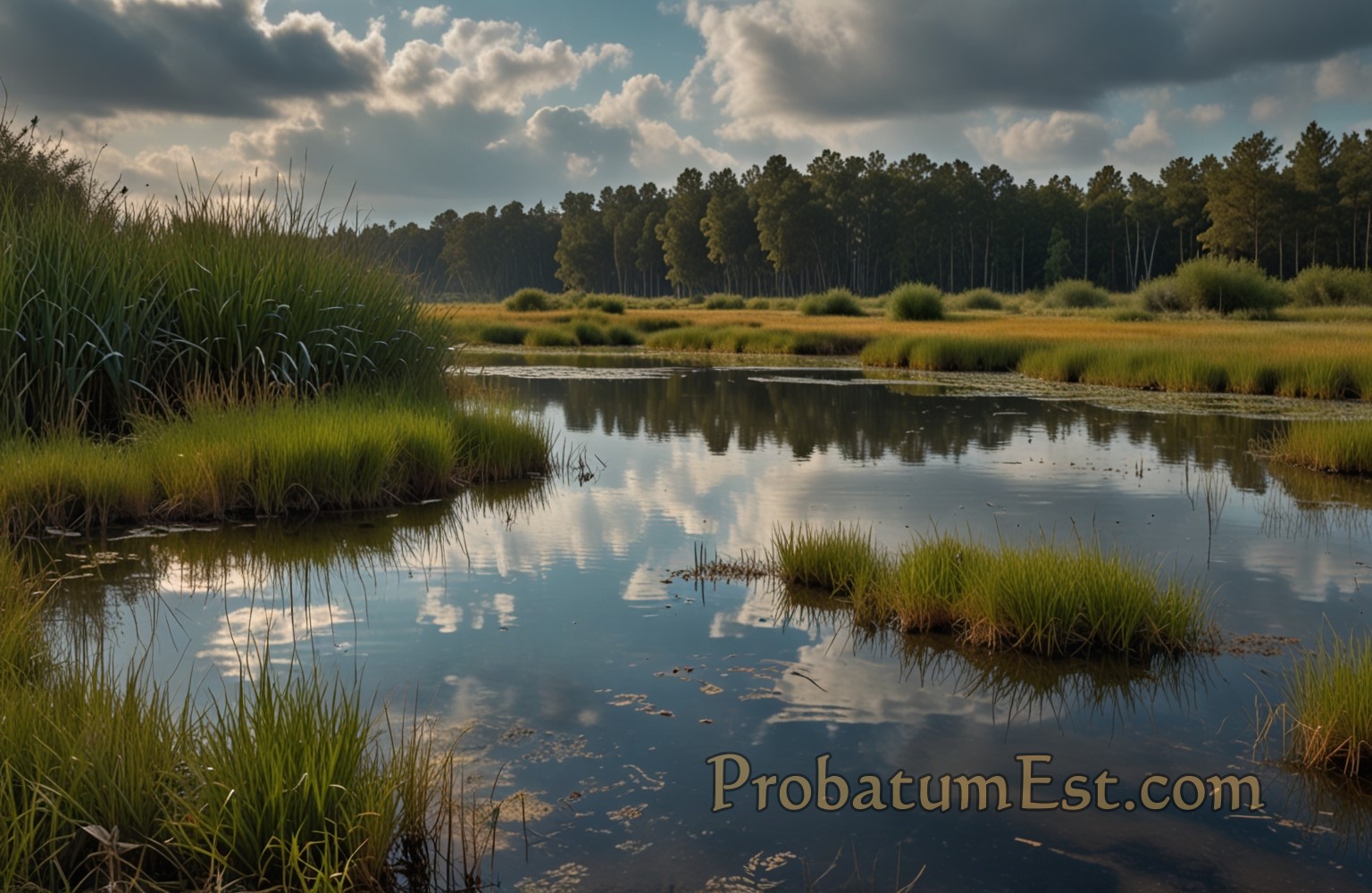
Wetlands – Environmental Guardians of Our Earth
Wetlands are vital natural environments characterized by waterlogged soils or standing water for at least part of the year. They serve as transitional zones between terrestrial and aquatic habitats and support an extraordinary diversity of plants and animals. Below is an in-depth exploration of the defining features of wetlands, their types, ecological functions, key benefits,… …read more
-
Wildlife – Understanding Our Co-Inhabitants
Wildlife encompasses a vast array of living creatures that inhabit our planet alongside humans. From majestic elephants roaming savannas to microscopic organisms thriving in forest soils, the term “wildlife” includes all non-domesticated species that exist in nature. As our co-inhabitants, these animals, plants, fungi, and other life forms shape ecosystems in essential ways. Exploring the… …read more
-
Plants – Introduction to the Wonders of Botany
Plants are an incredibly diverse group of organisms that form the foundation of most terrestrial ecosystems. They play vital roles in food webs, produce oxygen through photosynthesis, and provide countless resources for other living beings. This comprehensive overview explores the biology of plants — encompassing their structure, physiology, life cycles, classification, and ecological value. The… …read more
-
Pathogens – Small but with Big Impact on Our Lives
Pathogens are microorganisms or agents — including bacteria, fungi, protozoa, parasites, and prions — that have the potential to cause disease in humans, animals, or plants. They range from microscopic single-celled organisms to more complex, multi-cellular parasites and even the elusive protein-based prions. This article will focus mostly on the mainstream understanding of pathogens, however… …read more
-
Nature – A Closer Look
Nature, in the most fundamental biological sense, encompasses the vast tapestry of living organisms and the environments in which they thrive. It spans from the microscopic building blocks of life to the grand and intricate ecosystems that cover the planet. This article provides an in-depth view of nature – a closer look, discussing the essential… …read more