Tag: Pollution
-
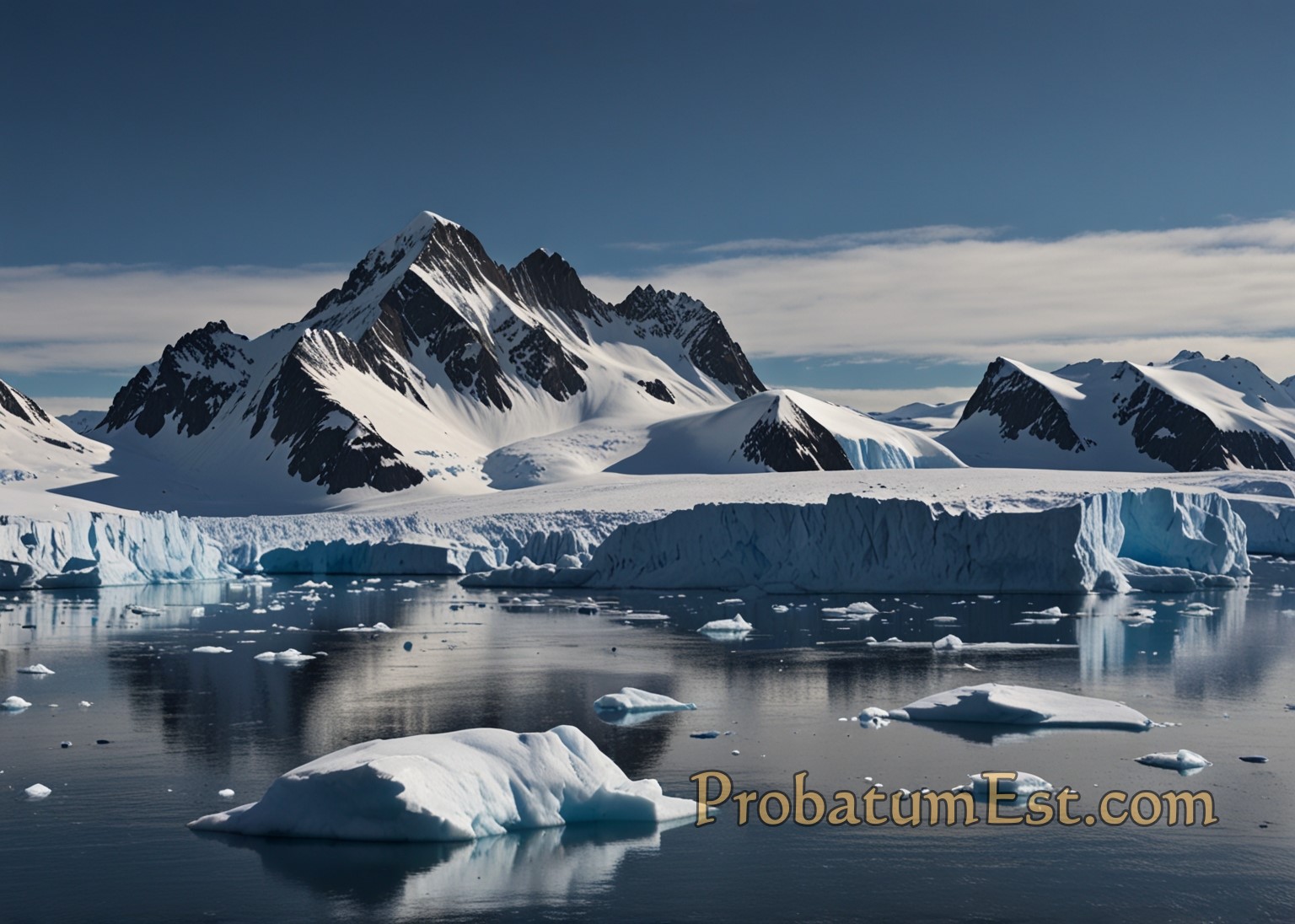
Antarctic Circle
The Antarctic Circle is more than a mere line on a map — it is a significant geographical marker that defines a unique and extreme part of our planet. Located at approximately 66.5 degrees south of the equator, this latitude marks the northern boundary of the Antarctic region. The Antarctic Circle encapsulates a world of… …read more

-
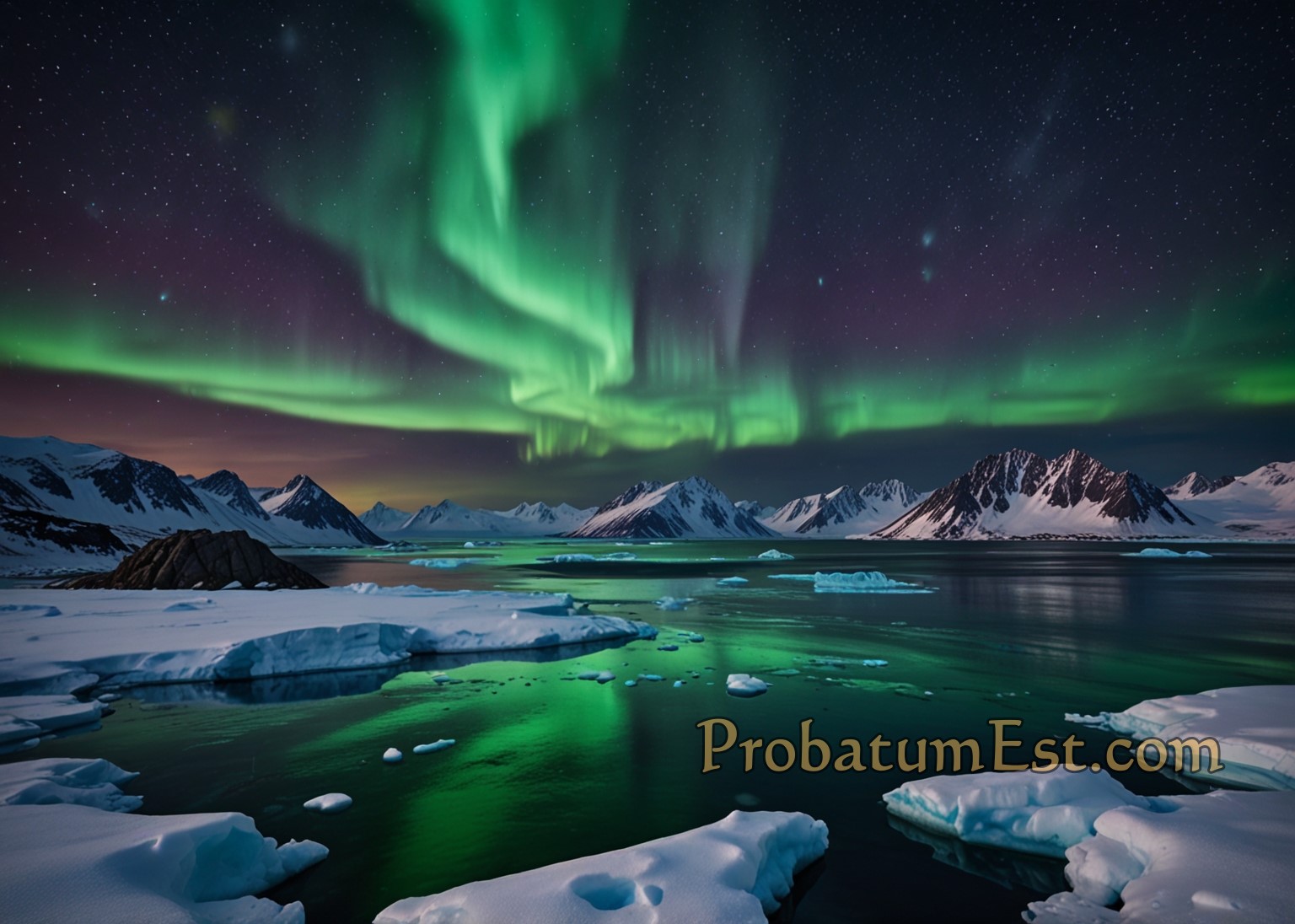
Arctic Circle
The Arctic Circle is an imaginary line located at latitude 66.5 degrees north of the Equator. It marks the boundary of the Arctic, encompassing the northernmost regions of the Earth. This article delves into the multifaceted aspects of the Arctic Circle, exploring its geographical, environmental, social, and political dimensions. Geographical Boundaries and Climatic Conditions Geographical… …read more
-
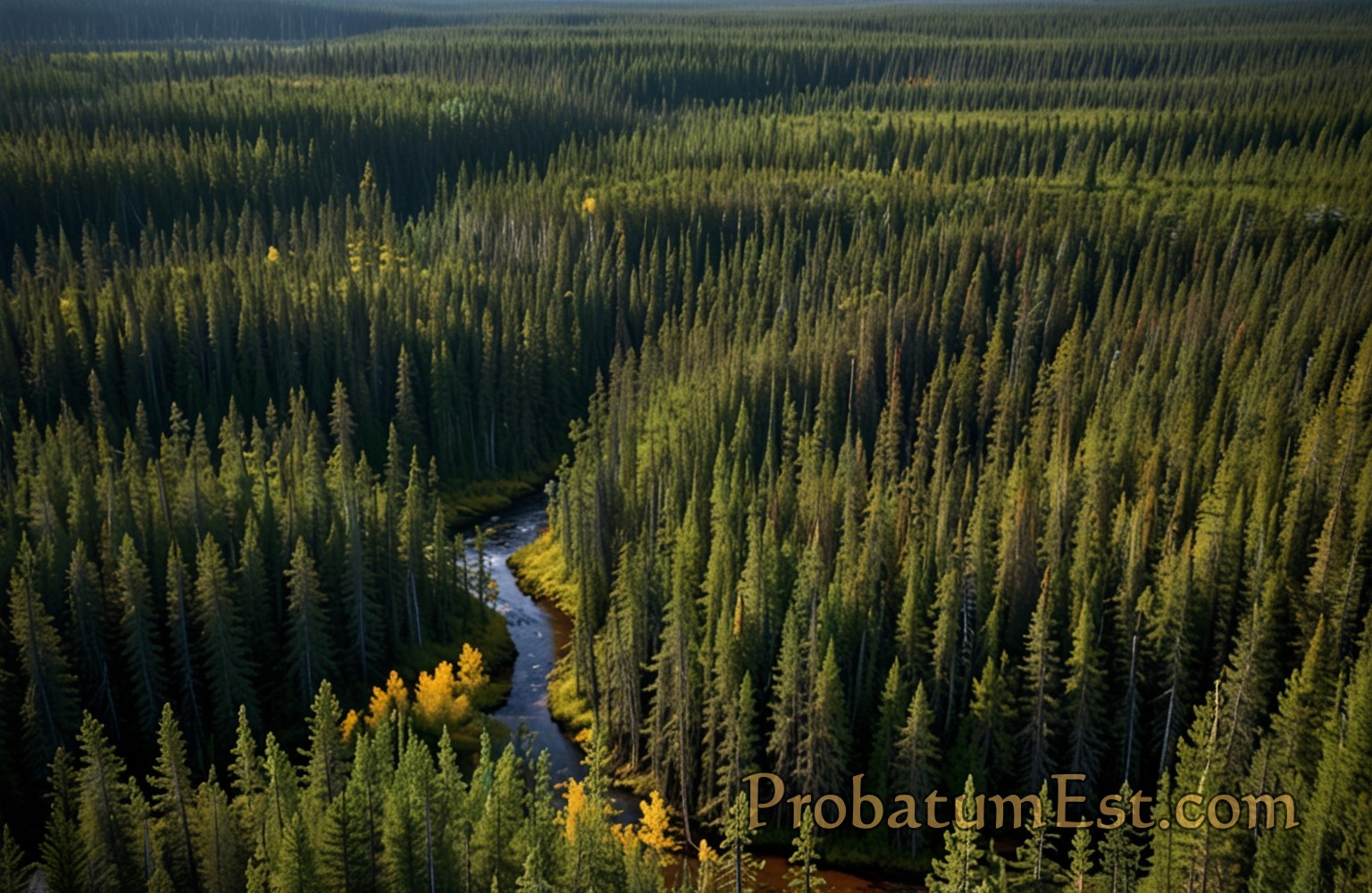
Taiga – The Boreal Forest Biome
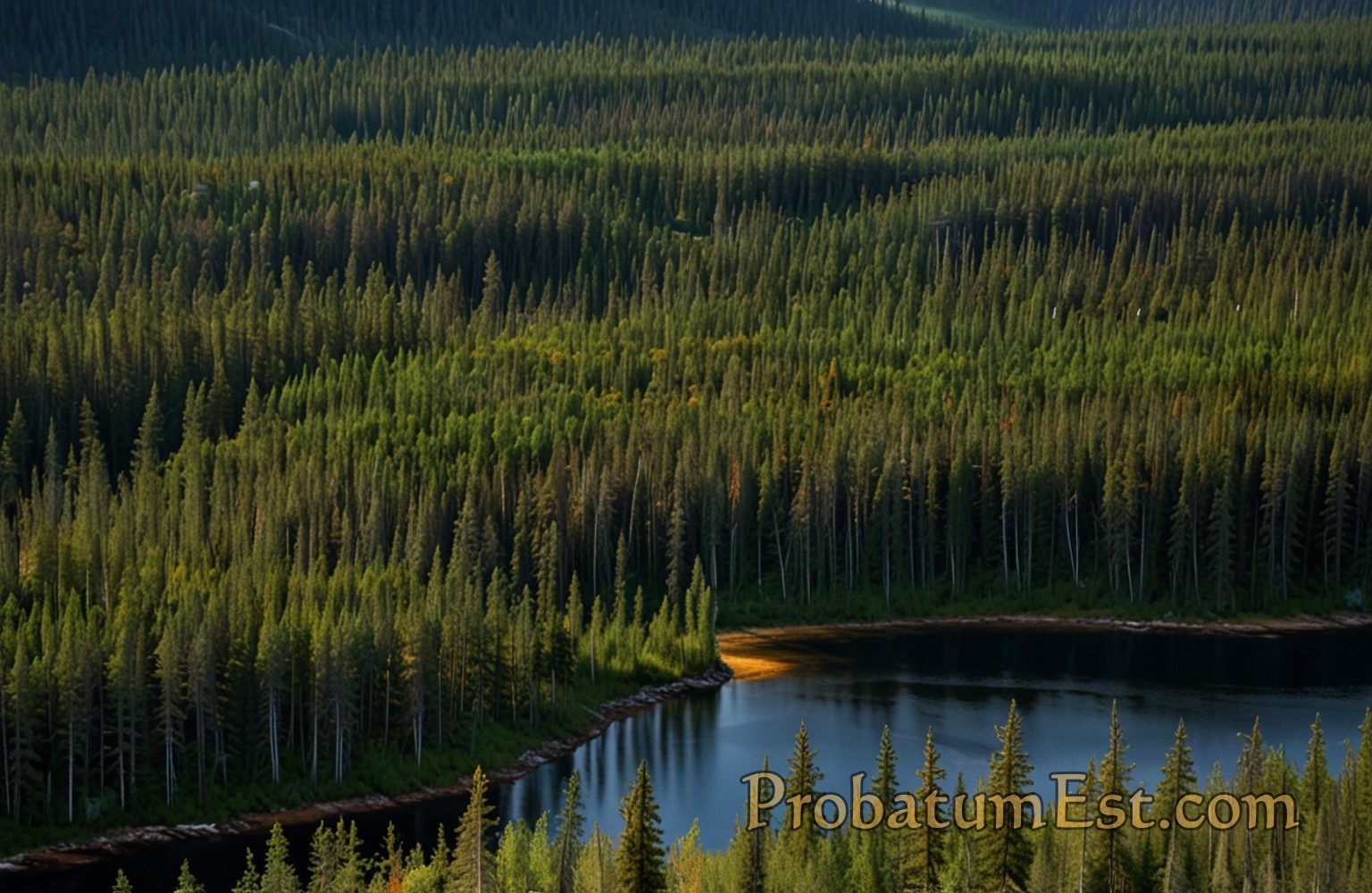
The taiga, also known as the boreal forest, represents one of Earth’s most expansive biomes, covering vast swaths of North America, Europe, and Asia. This article will comprehensively explore the taiga, delving into its geography, climate, biodiversity, ecological significance, challenges, and importance to both the global ecosystem and human activity. Geography of the Taiga The… …read more

-
Tropic of Capricorn
The Tropic of Capricorn is a significant geographical marker that holds both scientific and cultural importance. Its name alone conjures visions of exotic landscapes and sun-drenched climes. However, its significance extends far beyond the picturesque. This article delves into the various aspects of the Tropic of Capricorn, exploring its definition, significance, impact on climate, cultural… …read more
-
Tropic of Cancer
The Tropic of Cancer is an imaginary line of latitude that circles the Earth approximately 23.5 degrees north of the equator. Its position is not fixed; it varies due to the Earth‘s axial tilt and other movements within the planet’s complex system. This article aims to provide a comprehensive exploration of the Tropic of Cancer,… …read more
-
Tropical Rainforests
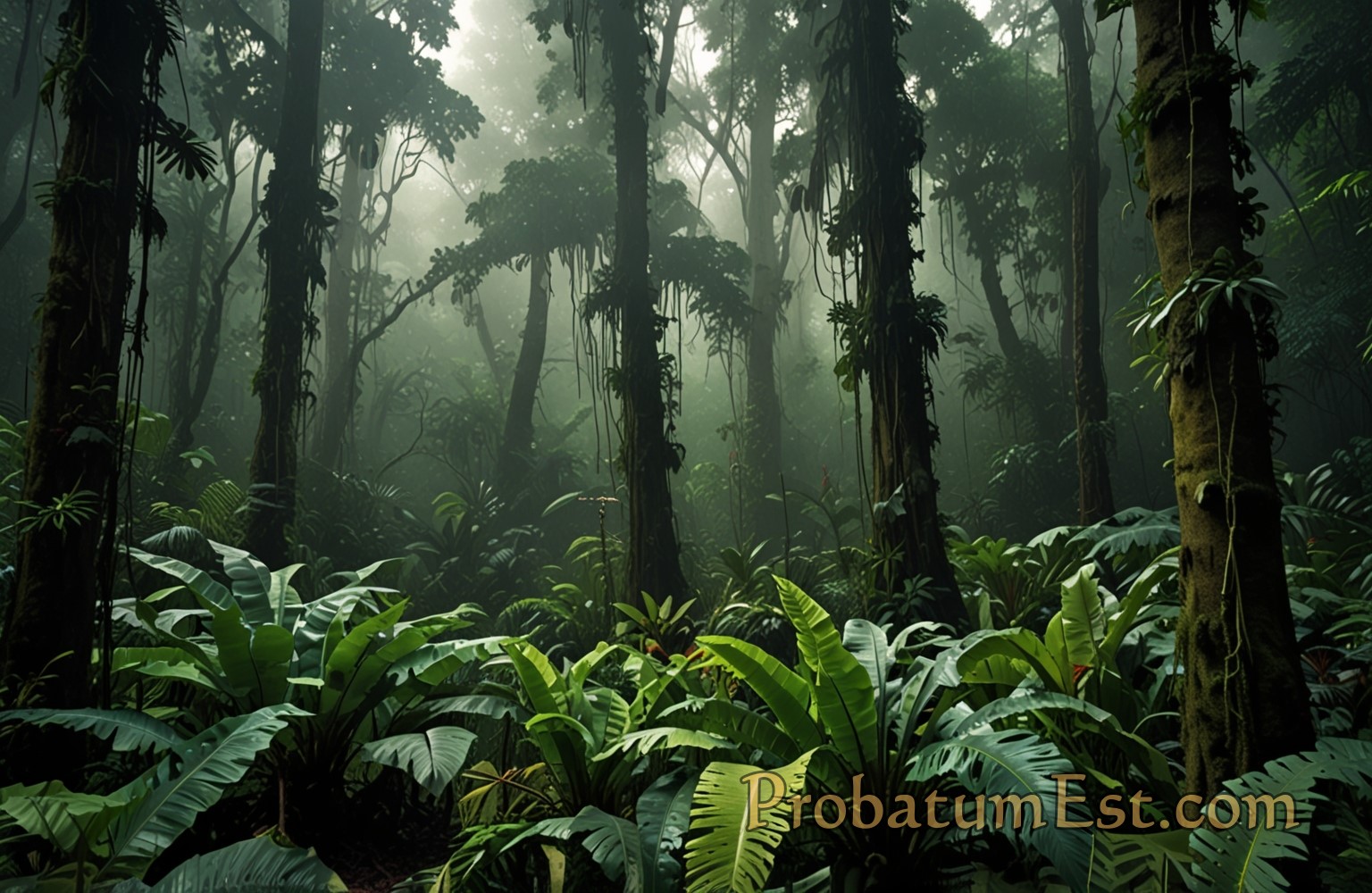
Tropical rainforests are among the most complex and vital ecosystems on Earth. Covering only about 6% of the Earth’s surface, they are home to more than half of the world’s plant and animal species. From the towering canopies of the Amazon to the dense jungles of Southeast Asia, tropical rainforests offer a rich tapestry of… …read more
-
Tundra
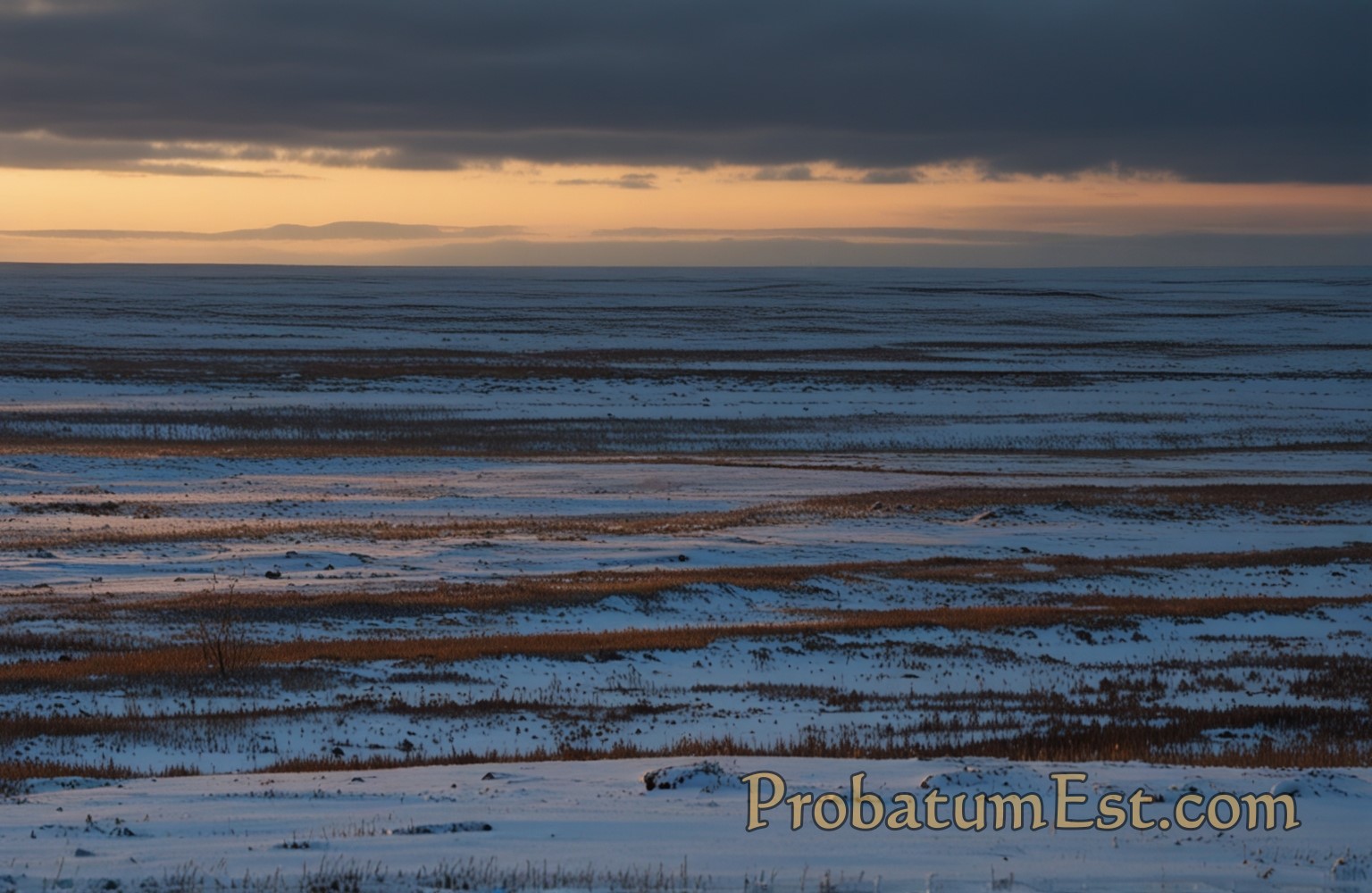
The tundra is a biome characterized by its cold, barren landscape, and is marked by stark beauty and ecological significance. Vast and desolate, it covers approximately 20% of the Earth’s surface, primarily encircling the North Pole and in mountainous regions. The tundra is composed of two main types: the Arctic tundra, found in the high… …read more
-
Boreal Forest
The Boreal Forest, also known as Taiga, is one of the planet’s largest biomes, forming a nearly continuous belt around the Earth just below the Arctic Circle. It spans across North America, Europe, and Asia, covering vast areas in countries like Canada, Russia, Finland, and Sweden. This forest is not only a critical ecosystem supporting… …read more
-
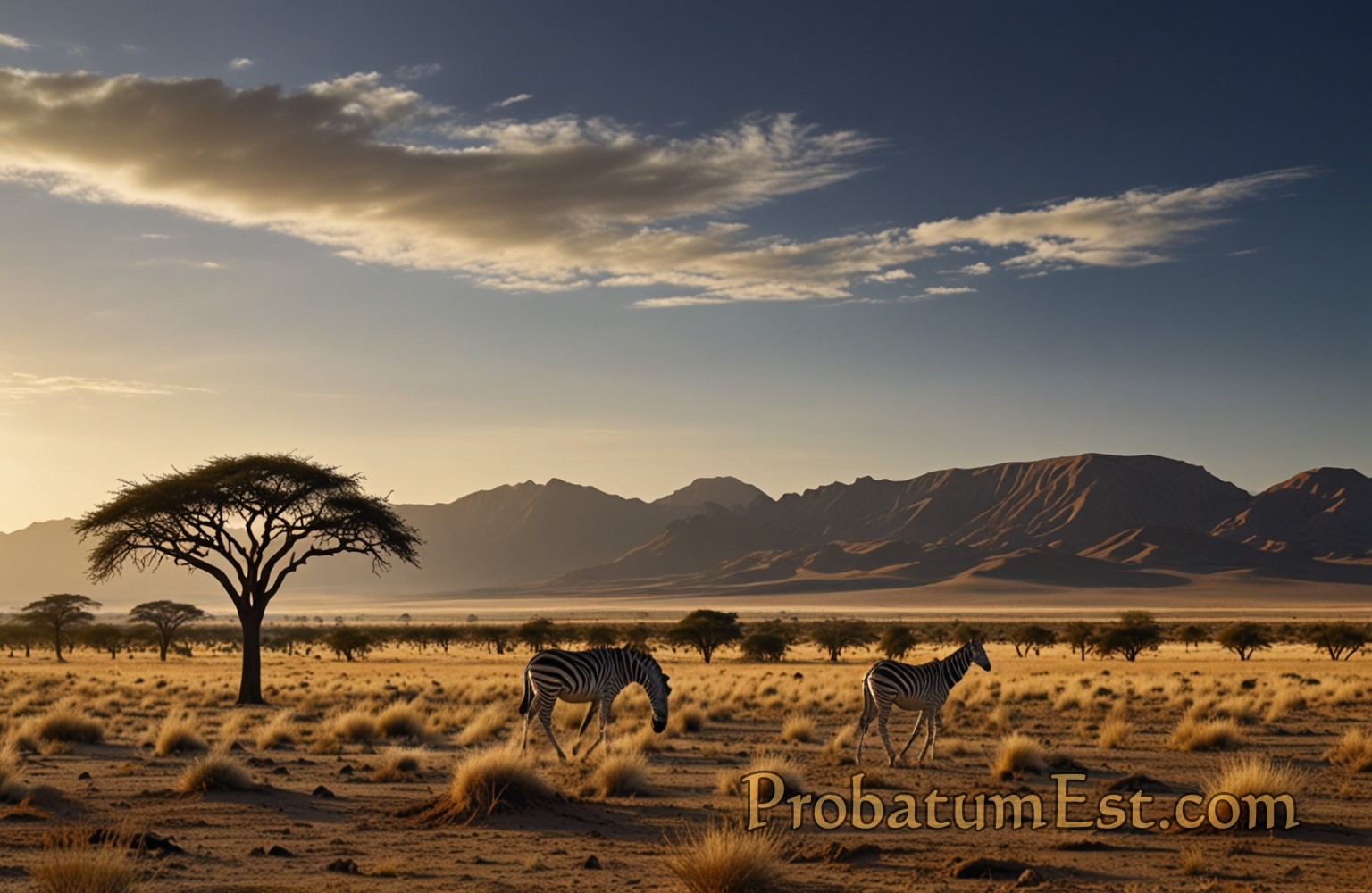
Southern Hemisphere
The Southern Hemisphere encompasses much of the Earth‘s surface, offering a rich tapestry of climatic zones, vast oceans, diverse ecosystems, and a collection of unique cultures and societies. In this article, we explore the multifaceted aspects of the Southern Hemisphere, delving into its geography, climate, biodiversity, human impact, and cultural diversity. Geography and Extent The… …read more
-
Northern Hemisphere
The Northern Hemisphere of Earth, a vast and diverse half of our planet, is a region characterized by both unique and common traits. Divided by the Equator, the Northern Hemisphere is home to about 90% of the human population, encompasses diverse climates, and hosts a rich tapestry of ecosystems, cultures, and economies. Delving into its… …read more