Tag: Pollution
-
Infrastructure Development – Ecological Assessment of Environmental Impact
Infrastructure Development stands at the heart of modern societal progress. From roads and bridges to energy grids and water supply systems, infrastructure forms the backbone that enables connectivity, commerce, and overall economic growth. At the same time, its impact on local ecosystems, biodiversity, and environmental resources cannot be overlooked. This article offers a thorough exploration… …read more

-
Aquatic Biome – Nature’s Underwater Ecosystem
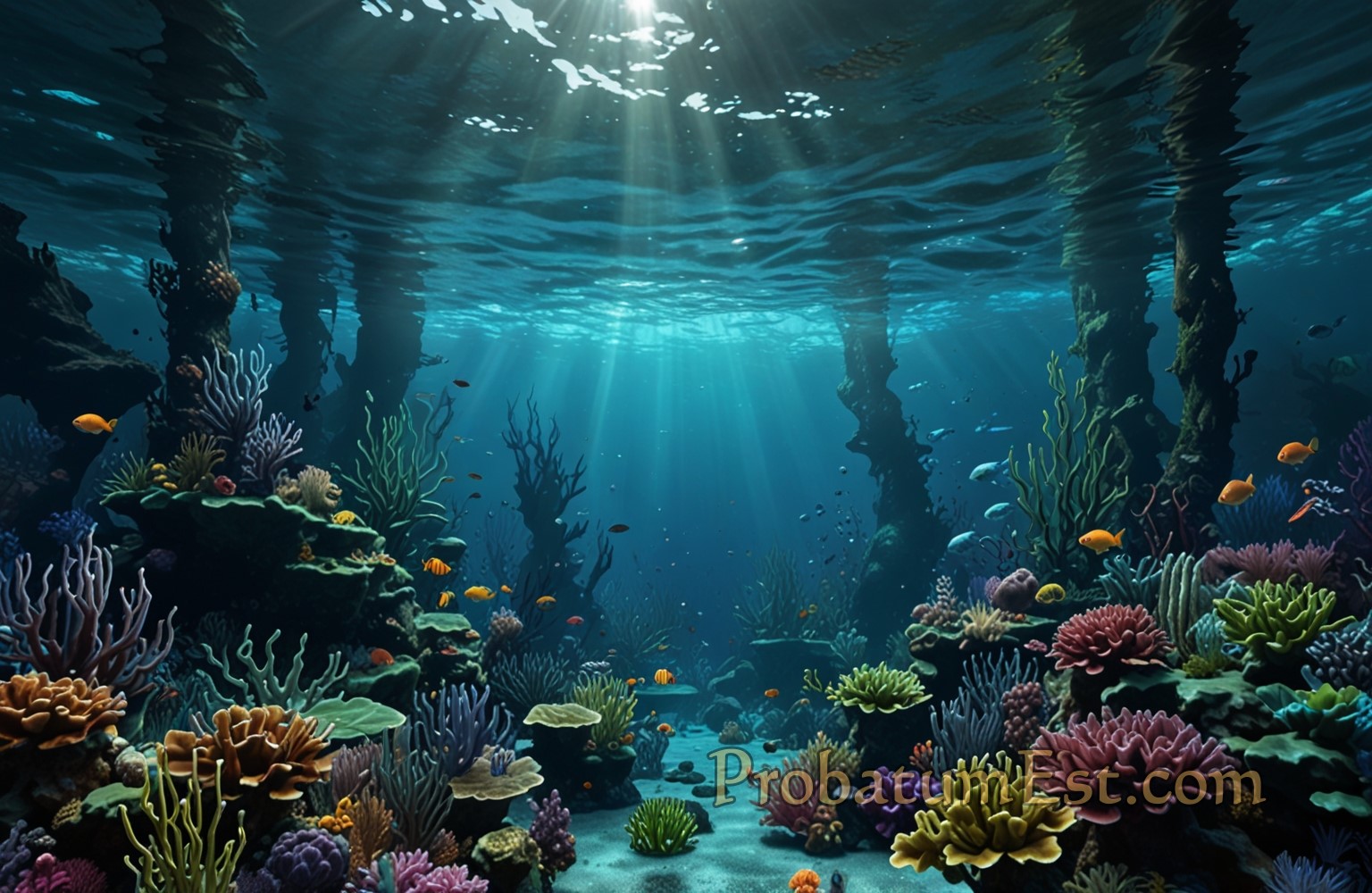
The Aquatic Biome stands as one of the most diverse and expansive ecosystems on Earth, encompassing everything from tiny streams and ponds to vast oceans stretching beyond the horizon. According to the National Oceanic and Atmospheric Administration (NOAA), about 71% of the Earth’s surface is covered by water, underscoring the immense impact of aquatic environments… …read more
-
Wetlands – Environmental Guardians of Our Earth
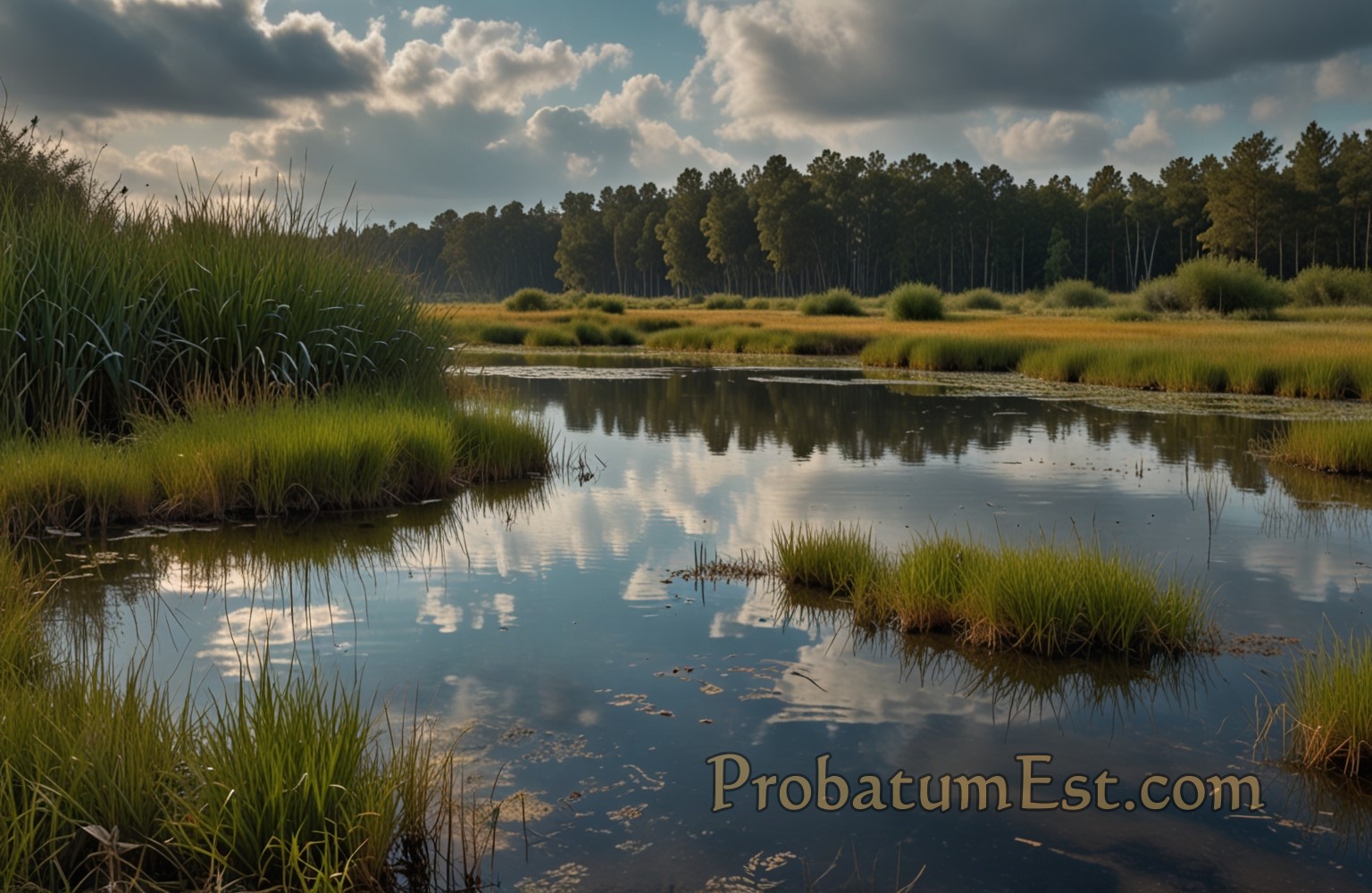
Wetlands are vital natural environments characterized by waterlogged soils or standing water for at least part of the year. They serve as transitional zones between terrestrial and aquatic habitats and support an extraordinary diversity of plants and animals. Below is an in-depth exploration of the defining features of wetlands, their types, ecological functions, key benefits,… …read more
-
Wildlife – Understanding Our Co-Inhabitants
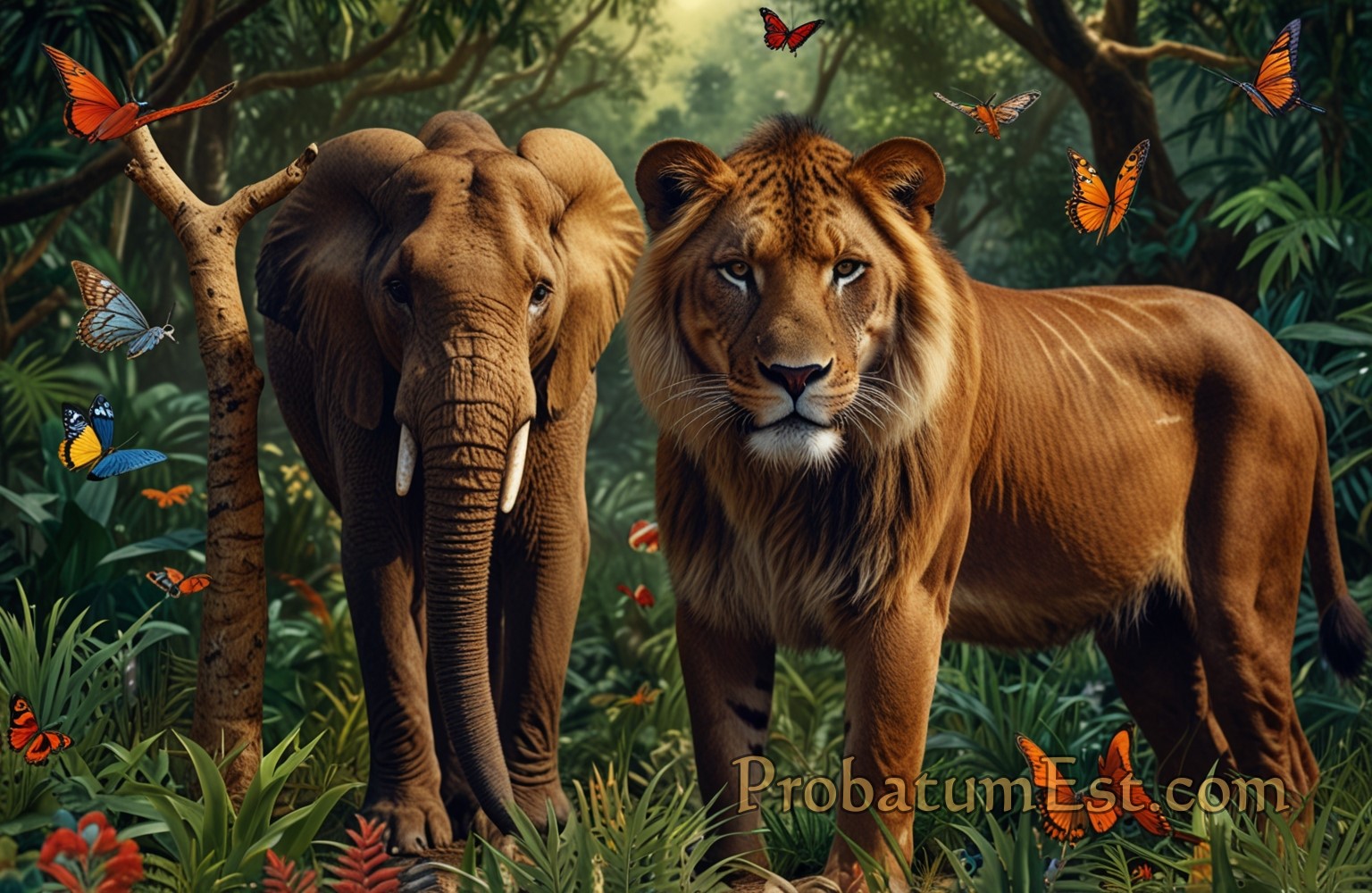
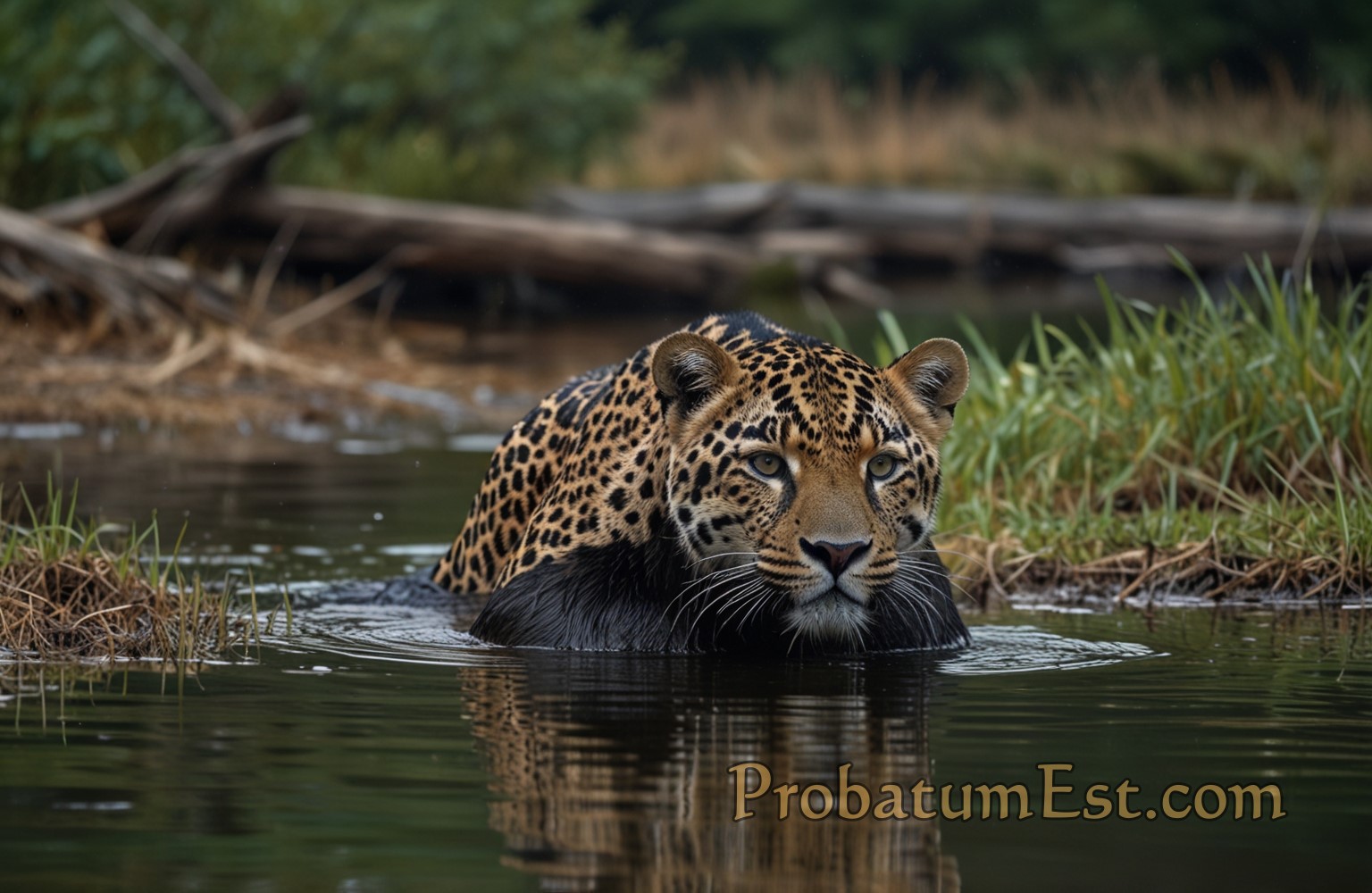
Wildlife encompasses a vast array of living creatures that inhabit our planet alongside humans. From majestic elephants roaming savannas to microscopic organisms thriving in forest soils, the term “wildlife” includes all non-domesticated species that exist in nature. As our co-inhabitants, these animals, plants, fungi, and other life forms shape ecosystems in essential ways. Exploring the… …read more
-
Medicinal Plants
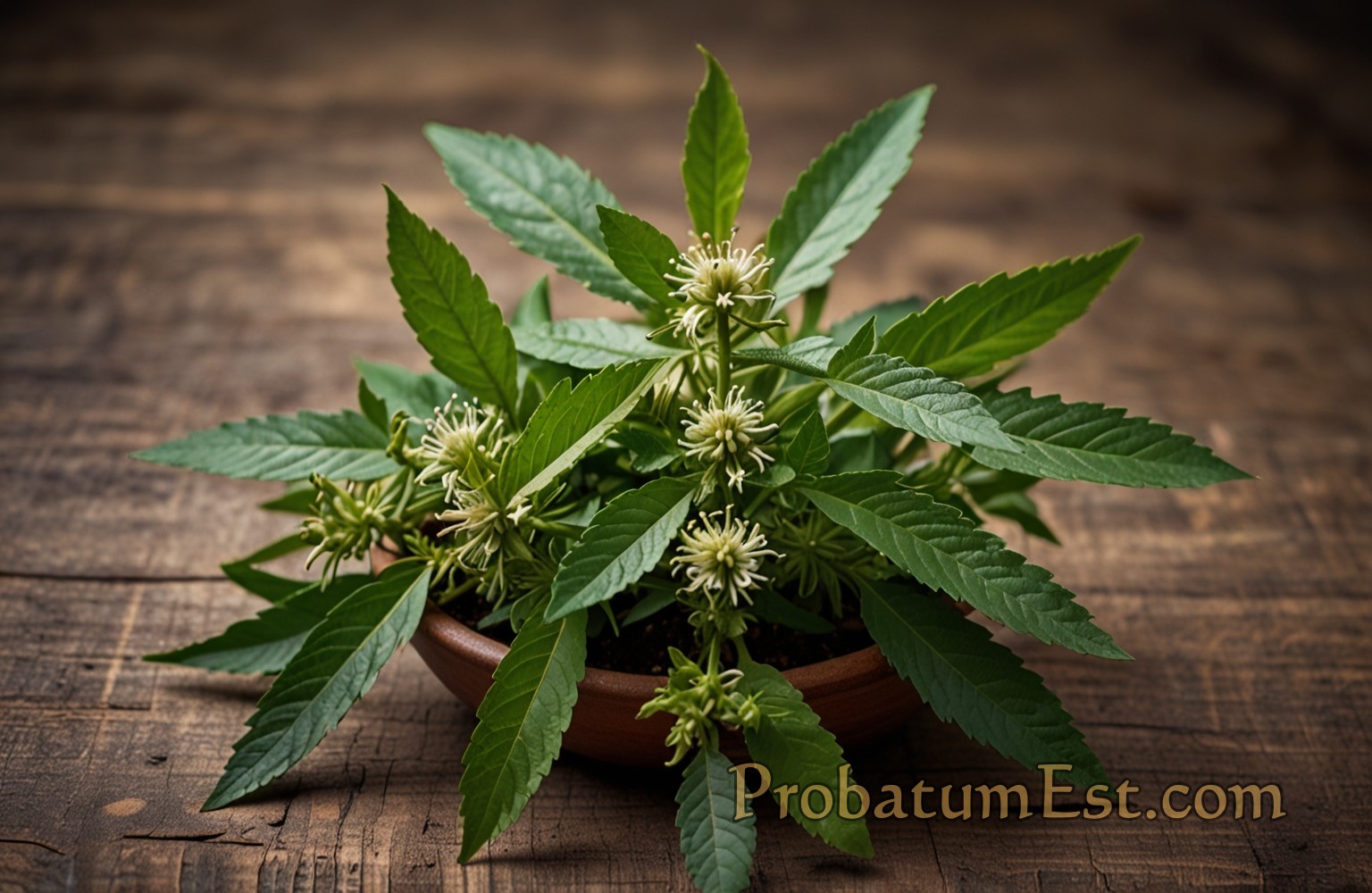
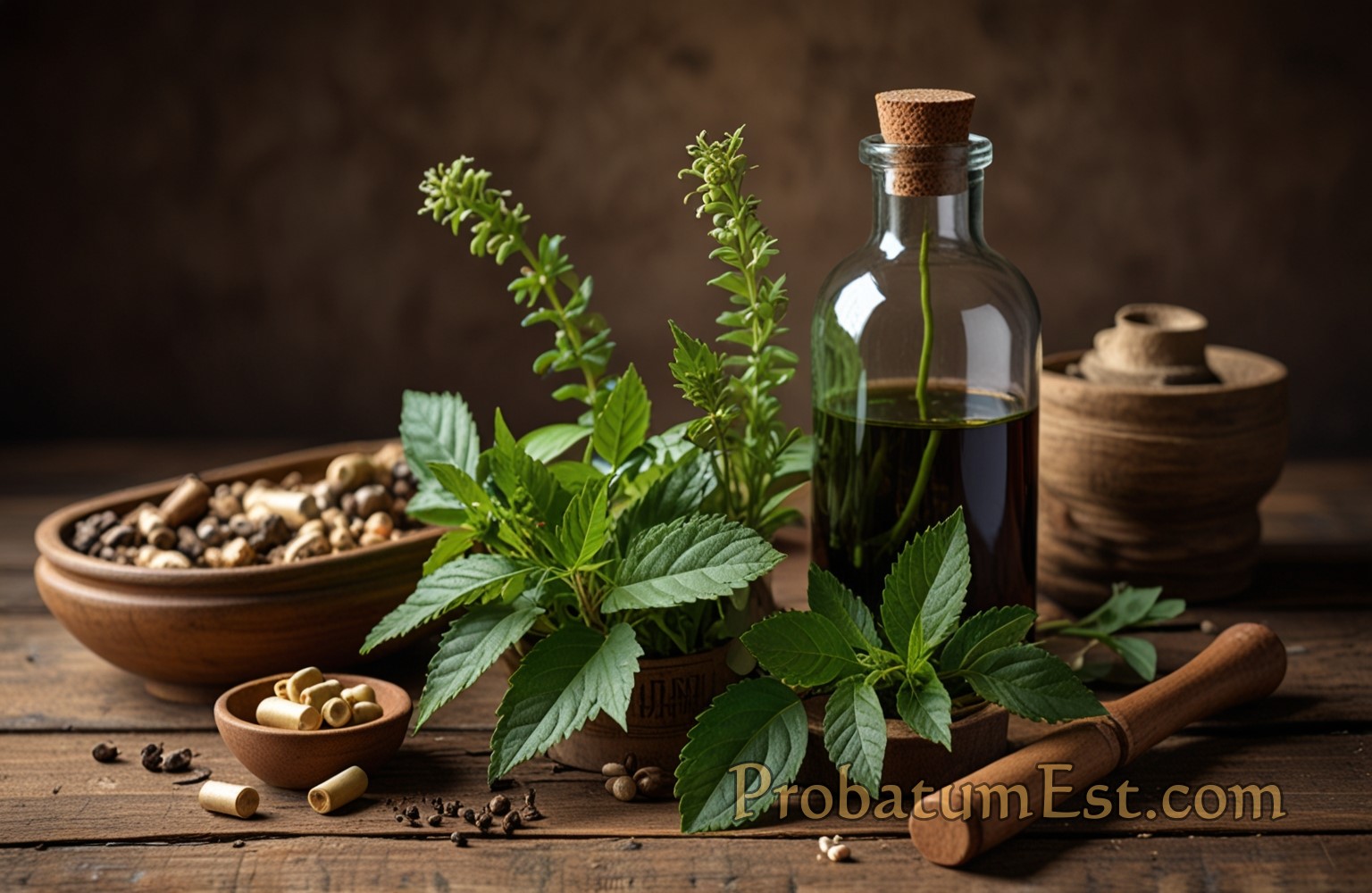
Medicinal Plants have been used for centuries as a primary source of healing and treatment across various cultures. From a biological perspective, they are organisms that produce a range of bioactive compounds with therapeutic properties. Their study encompasses a broad spectrum of disciplines, including botany (with Medicinal Botany as a sub-branch), phytochemistry, pharmacology, and ecology.… …read more
-
Medicinal Botany
Medicinal Botany is the study of plants with therapeutic properties, emphasizing the identification, characterization, and utilization of botanical species for health and healing. It lies at the intersection of traditional herbal practices, pharmacology, and modern scientific research, seeking to deepen our understanding of how plant-derived compounds can be harnessed to prevent and treat a broad… …read more
-
Habitat Destruction
Habitat Destruction, an escalating crisis, is one of the most pressing environmental challenges of our time. As the human footprint expands, natural habitats — vital for biodiversity — are increasingly under threat. Understanding the various facets of habitat destruction is crucial for developing effective conservation strategies that both preserve ecosystems and meet human needs. Understanding… …read more
-
Urban Ecosystems
Urban Ecosystems represent a unique blend of natural and human-modified environments, offering a complex array of interactions between people, plants, animals, and their urban surroundings. As urbanization continues to expand globally, understanding these ecosystems becomes increasingly vital for promoting sustainable urban living and enhancing biodiversity within city landscapes. This article delves into the structure, function,… …read more
-
United Nations Sustainable Development Goals
The Sustainable Development Goals (SDGs) established by the United Nations represent a universal call to action to end poverty, protect the planet, and ensure prosperity for all by 2030. Adopted in September 2015 at a historic UN Summit, the 17 goals are part of the wider 2030 Agenda for Sustainable Development, which includes 169 associated… …read more
-
Natural Habitat – Pillar of Biodiversity and Ecosystem Health
Natural Habitat is a fundamental concept in ecology, referring to the environment in which a particular species or group of organisms live, thrive, and adapt. This intricate tapestry of life is composed of various interconnected elements that contribute to the survival and prosperity of myriad species, from the tiniest microorganisms to the vast forests and… …read more