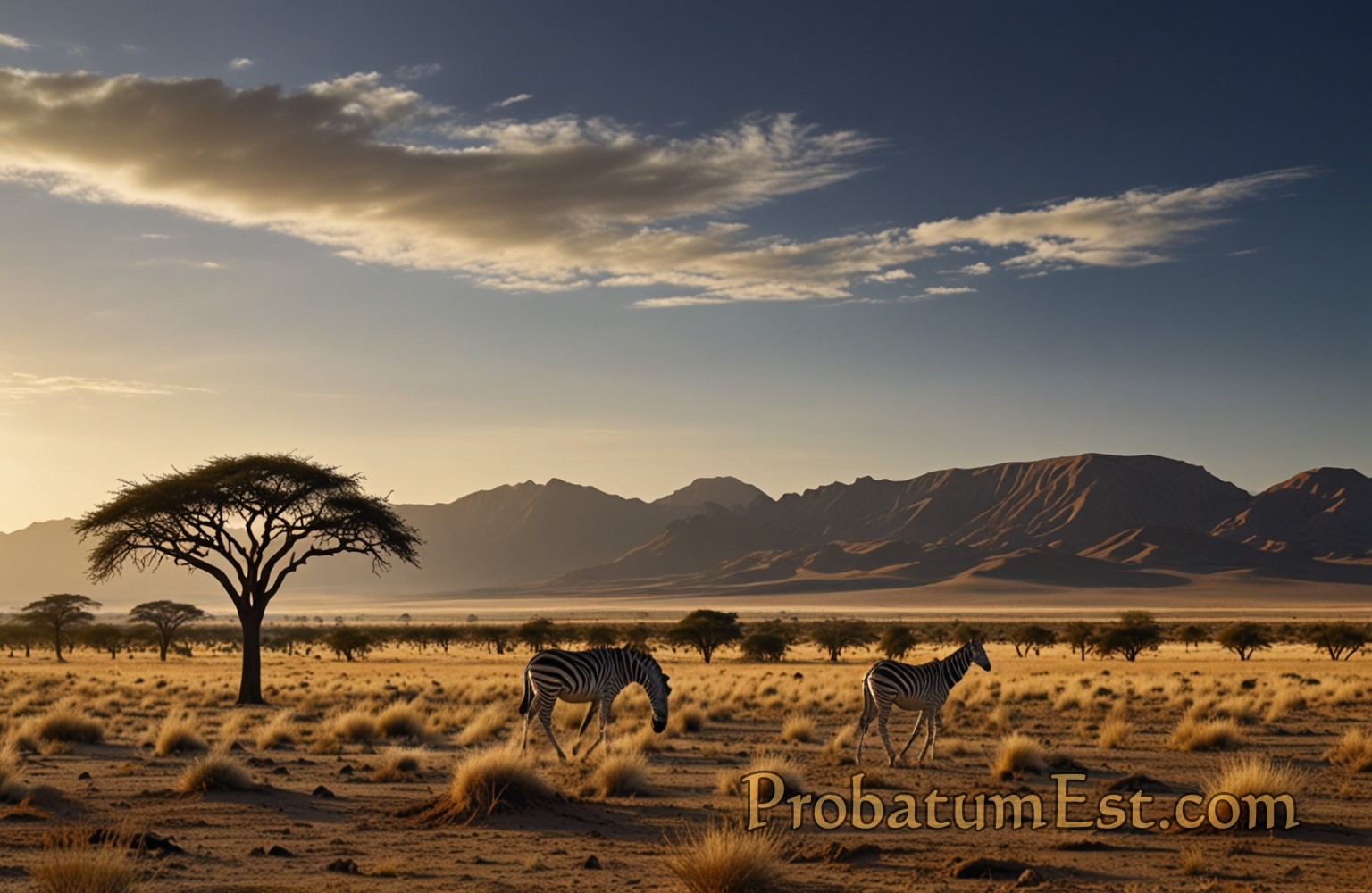
The Tropic of Capricorn is a significant geographical marker that holds both scientific and cultural importance. Its name alone conjures visions of exotic landscapes and sun-drenched climes. However, its significance extends far beyond the picturesque. This article delves into the various aspects of the Tropic of Capricorn, exploring its definition, significance, impact on climate, cultural importance, and changes over time, offering a comprehensive understanding of this key latitude line.
Definition and Geographical Position
The Tropic of Capricorn is one of the five major circles of latitude marked on Earth maps. It is the southern counterpart of the Tropic of Cancer. Positioned at approximately 23.5°S (south of the equator), it determines the southernmost point on Earth where the sun can appear directly overhead at noon. This phenomenon occurs during the December solstice, around the 21st or 22nd, when the Southern Hemisphere is tilted toward the sun.
Astronomical Significance
This line of latitude is directly related to Earth’s axial tilt and its orbit around the sun. As such, it marks the latitude where the solar zenith can be perpendicular at noon during solstice. The axial tilt is currently about 23.4 degrees, and it remains one of the primary reasons for the variation in climates and seasons across the world. The term “Capricorn” refers to the astrological sign, as it was crossing the boundary of this constellation at the time the tropic was named. However, due to axial precession, the sun now resides in the constellation Sagittarius during the December solstice.
Climatic Influence
The Tropic of Capricorn significantly impacts the climate of the regions it traverses. Regions close to this latitude generally experience a tropical savanna or desert climate, depending on the local topography and prevailing winds. These areas are typically characterized by hot weather, with minimal seasonal variation in temperature. However, they can have distinct wet and dry seasons due to monsoonal effects.
Key climatic features include:
- Arid Conditions: Particularly evident in the Atacama Desert in South America and the Kalahari Desert in Africa, where the Tropic passes.
- Tropical Savannas: Regions like Queensland in Australia have vegetation and ecosystems adapted to cope with seasonal drought and sporadic rains.
Countries and Regions
The Tropic of Capricorn passes through several noteworthy countries:
- Chile: The northern part experiences one of the driest deserts in the world, the Atacama.
- Argentina and Paraguay: These countries have transitional climates from deserts to more temperate zones.
- Brazil: The Tropic passes through the country’s southeast, influencing agriculture and biodiversity.
- Namibia, Botswana: Known for rich wildlife, these regions combine savanna climates with desert regions.
- South Africa: Contains both bustling urban centers and wildlife reserves.
- Madagascar: Famous for its unique biodiversity, which is influenced by its position relative to this latitude.
- Australia: Queensland and the Northern Territory experience dry, hot climates, supporting unique ecosystems.
Cultural and Historical Impact
The regions surrounding the Tropic of Capricorn have rich cultural tapestries influenced by their geographical and environmental settings:
- Indigenous Cultures: Communities have long adapted to the climatic conditions, developing practices that align with the nature of the land. For instance, Aboriginal Australians have a deep connection with the land and sky, mirrored by traditional knowledge systems.
- Historical Expeditions and Explorations: The quest to understand Earth’s geography led explorers to map these regions, often influencing colonial and trade expansions.
- Tourism: Today, the allure of beaches, wildlife, and desert landscapes within these regions draws tourists seeking adventure, contributing significantly to local economies.
Environmental and Ecological Aspects
The ecological diversity around the Tropic of Capricorn is vast, ranging from rainforest ecosystems in Brazil to sparse desert flora in Namibia. Conservation efforts in these areas focus on protecting biodiversity hotspots and managing environmental challenges such as desertification.
- Biodiversity: The unique positioning of tropical, desert, and savanna regions fosters endemic species, unable to be found elsewhere.
- Conservation Challenges: Include threats from human activity, such as deforestation and the pressures of tourism.
Shift over Time
The position of the Tropic of Capricorn is not fixed; it is subject to a slow but continuous shift over centuries due to axial precession. This change is minuscule annually but significant over millennia, influencing historical climate patterns and biological diversity over long timescales.
Conclusion
The Tropic of Capricorn remains a fundamental concept in understanding Earth’s geographical, climatic, and cultural dynamics. Its blend of scientific significance and cultural influence highlights its role as a connecting line through diverse and culturally rich regions. As we continue to study and interact with our environment, understanding such fundamental elements will be critical in our endeavors to manage and preserve the natural world around us.



Leave a Reply