Tag: Solar Flare
-
Natural Phenomena – Processes, Impacts, and Wonders of Nature
Natural Phenomena refer to events or processes that occur in the natural world without human intervention, often characterized by their complexity, beauty, and the powerful forces they unleash. These phenomena encompass a wide range of earth and space occurrences, from the mundane to the extraordinarily spectacular. This article explores the vast landscape of natural phenomena,… …read more

-
Antarctic Circle
The Antarctic Circle is more than a mere line on a map — it is a significant geographical marker that defines a unique and extreme part of our planet. Located at approximately 66.5 degrees south of the equator, this latitude marks the northern boundary of the Antarctic region. The Antarctic Circle encapsulates a world of… …read more

-
Celestial Objects
The universe is a vast tapestry woven with countless celestial objects, each playing its unique role in the grand cosmic drama. From the fiery surface of our Sun to the mysterious black holes lurking in the depths of space, these entities offer a glimpse into the awe-inspiring complexity and beauty of the cosmos. This article… …read more
-
Northern Hemisphere
The Northern Hemisphere of Earth, a vast and diverse half of our planet, is a region characterized by both unique and common traits. Divided by the Equator, the Northern Hemisphere is home to about 90% of the human population, encompasses diverse climates, and hosts a rich tapestry of ecosystems, cultures, and economies. Delving into its… …read more
-
Temperate Climate Zone
EarthThe Earth is a realm of diverse climates, each contributing uniquely to the planet’s ecological tapestry. One of the most significant climatic zones in terms of biodiversity, human habitation, and economic productivity is the temperate zone. This article delves deep into understanding the temperate climate zone, its defining characteristics, ecosystems, human impacts, and its crucial… …read more
-
Dry Climate Zone
The Earth, a planet of diverse climates and ecosystems, is home to a fascinating array of environmental conditions that define its many regions. Among these, the “Dry Climate Zone,” commonly referred to as arid or semiarid regions, presents a unique and intriguing aspect of Earth’s climate. Characterized by low precipitation, high evaporation rates, and distinctive… …read more
-
Tropical Climate Zone
The Earth is divided into various climatic zones, each characterized by distinct weather patterns and environmental conditions. Among these, the tropical climate zone, also known as the Torrid Zone, occupies a significant portion of our planet. Nestled between the Tropic of Cancer in the Northern Hemisphere and the Tropic of Capricorn in the Southern Hemisphere,… …read more
-
Earth
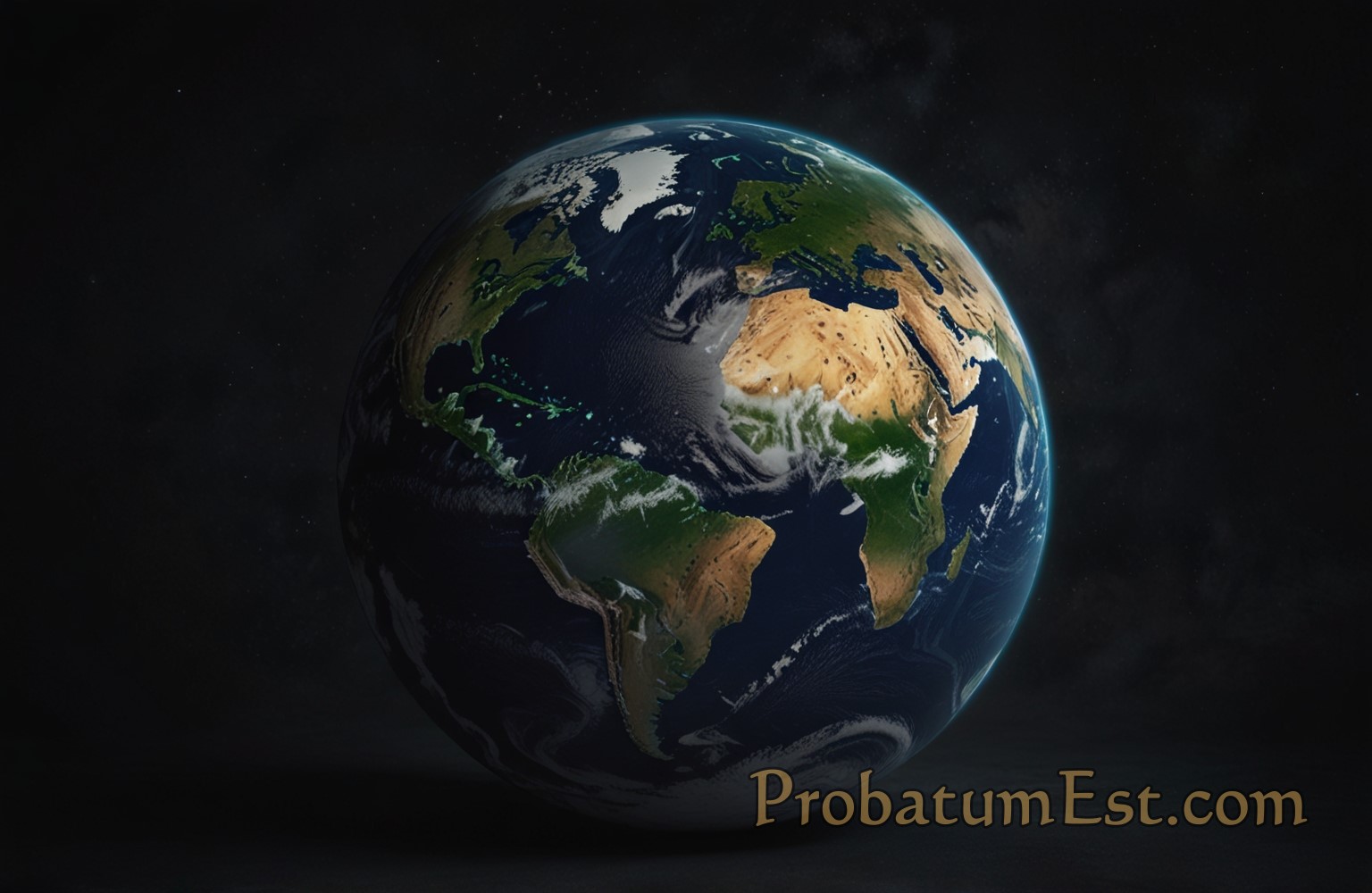
Earth, the third planet from the Sun, holds a unique position in the Solar System as the only known astronomical object to support life. It is often referred to as the “Blue Planet” due to its abundant water bodies. With an intricate blend of geological processes, atmospheric conditions, and biological diversity, Earth offers a remarkable… …read more
-
The Sun
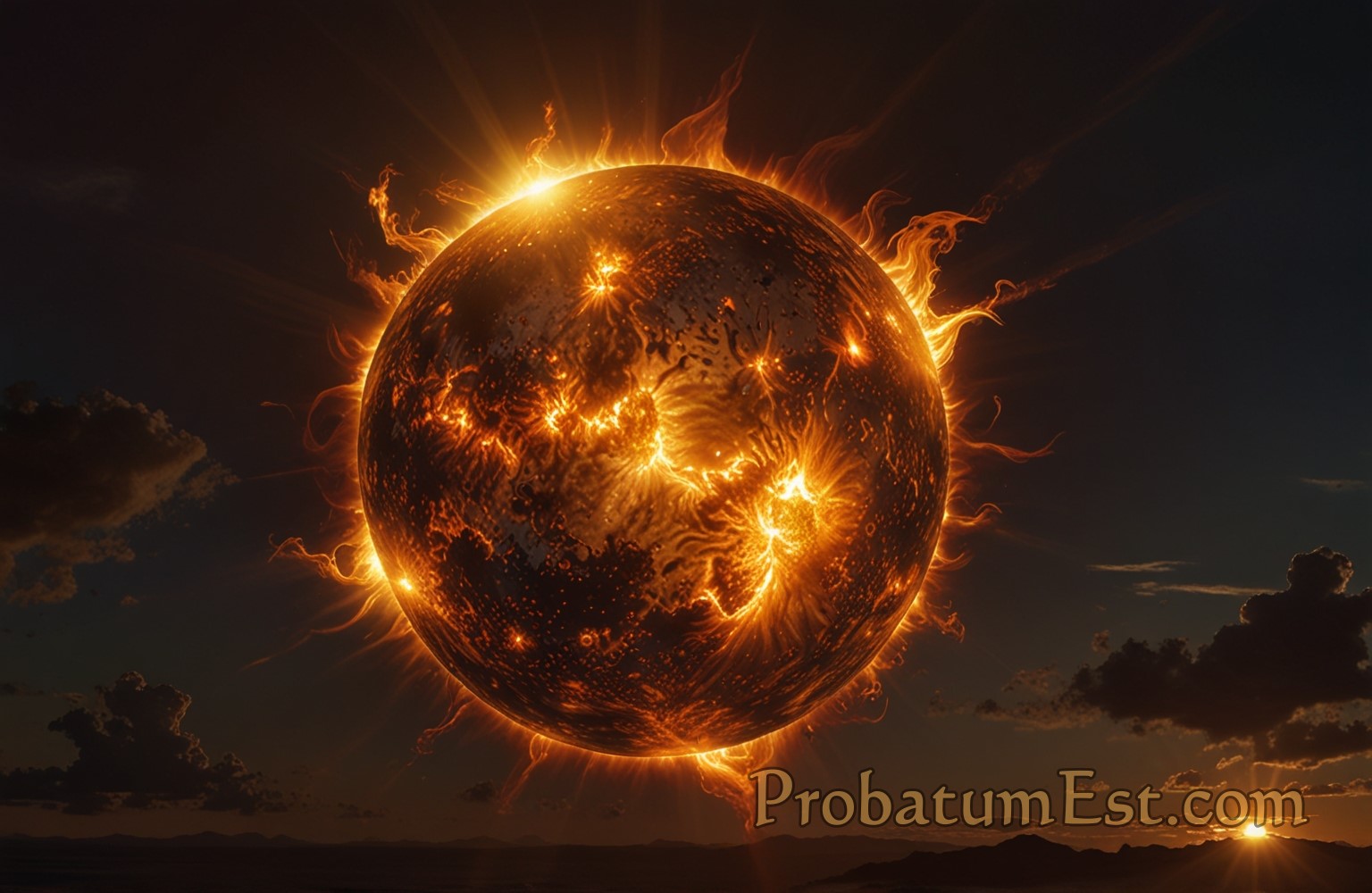
The Sun, a brilliantly luminous sphere of hot plasma, is the star at the center of our solar system. Providing the Earth with the necessary heat and light to sustain life, the Sun is a constant presence in our sky — a cosmic anchor around which everything in the solar system revolves. To truly appreciate… …read more