Tag: Yeast
-
Eukaryotes – Unraveling the Complex World of Nucleated Life
Eukaryotes form a diverse realm of organisms distinguished by one key characteristic: their cells contain a membrane-bound nucleus. From single-celled algae to multicellular plants and animals, these nucleated life forms represent a vast majority of the life we see each day. This article explores what defines eukaryotes, examines their importance and diversity, and highlights current… …read more

-
Eukaryotic Cells – A Comprehensive Exploration
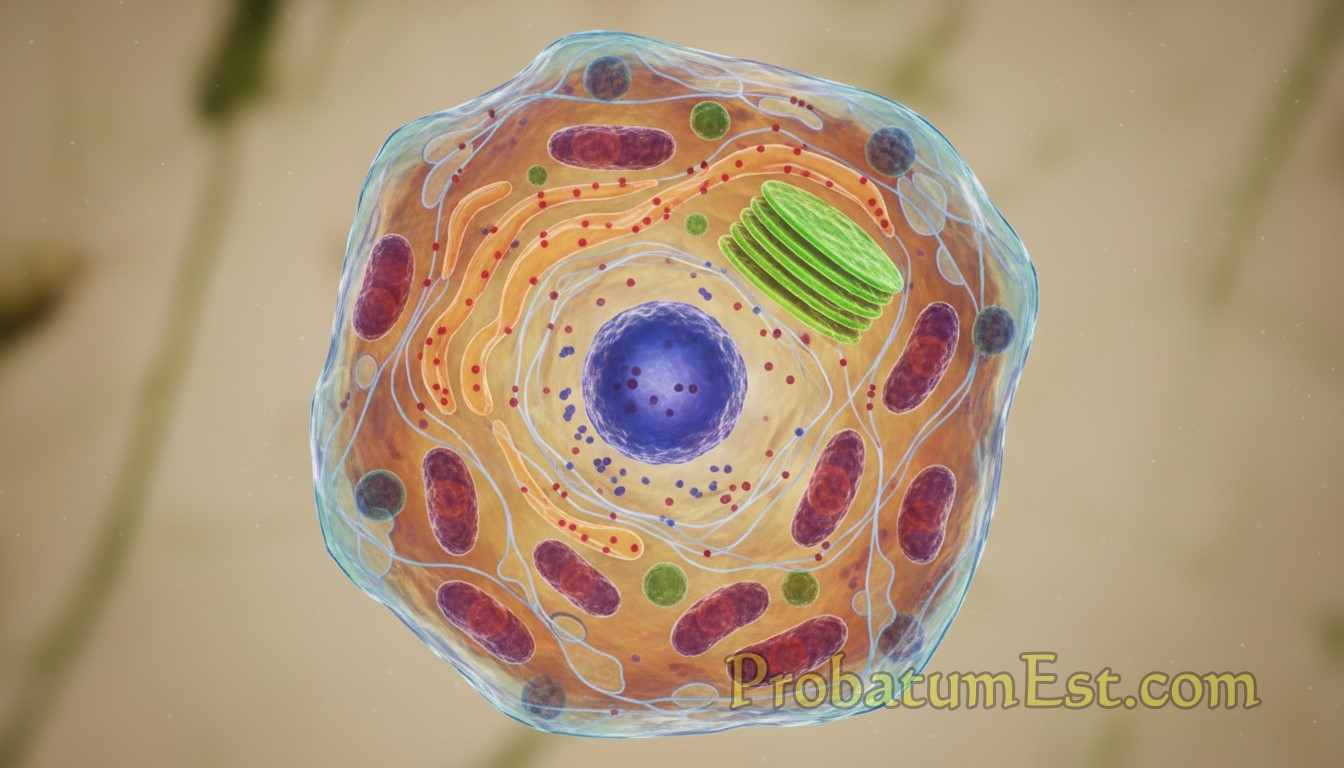
Eukaryotic Cells serve as the fundamental building blocks of many diverse organisms, including animals, plants, fungi, and numerous unicellular species. These cells, distinguished by their membrane-bound organelles and true nucleus, underpin a vast array of complex life forms, making them a focal point of scientific research. Below is a thorough overview of eukaryotic cells, including… …read more
-
Fungi – More Than Just Mushrooms
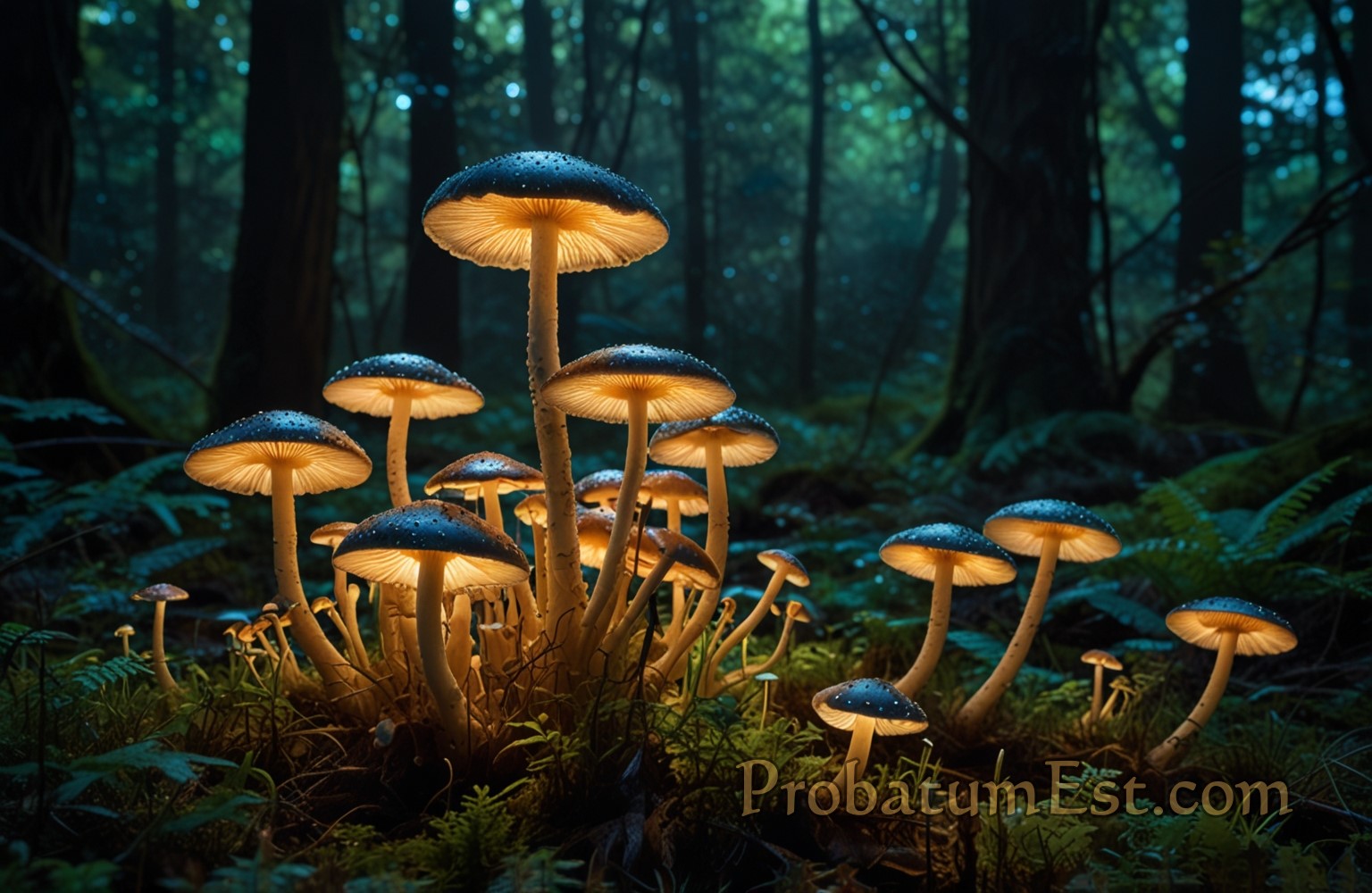
Fungi form a vast and fascinating group of organisms that occupy nearly every habitat on Earth. Long recognized primarily as molds and mushrooms, fungi include an enormous range of forms, from microscopic single-celled yeasts to complex networks of filaments that span large areas of soil or rotting logs. Below is a comprehensive examination of fungi… …read more

-
Pathogens – Small but with Big Impact on Our Lives
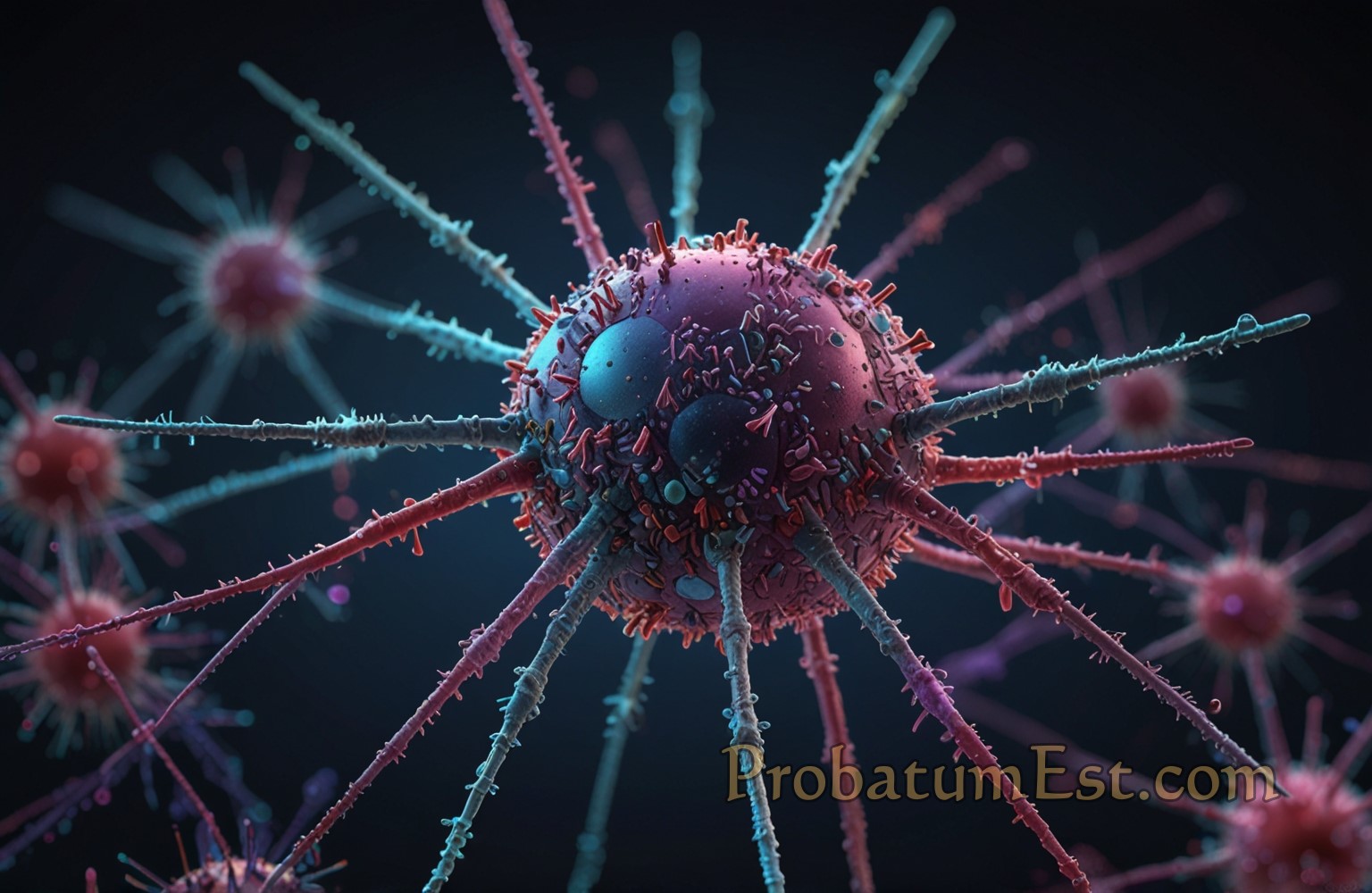
Pathogens are microorganisms or agents — including bacteria, fungi, protozoa, parasites, and prions — that have the potential to cause disease in humans, animals, or plants. They range from microscopic single-celled organisms to more complex, multi-cellular parasites and even the elusive protein-based prions. This article will focus mostly on the mainstream understanding of pathogens, however… …read more