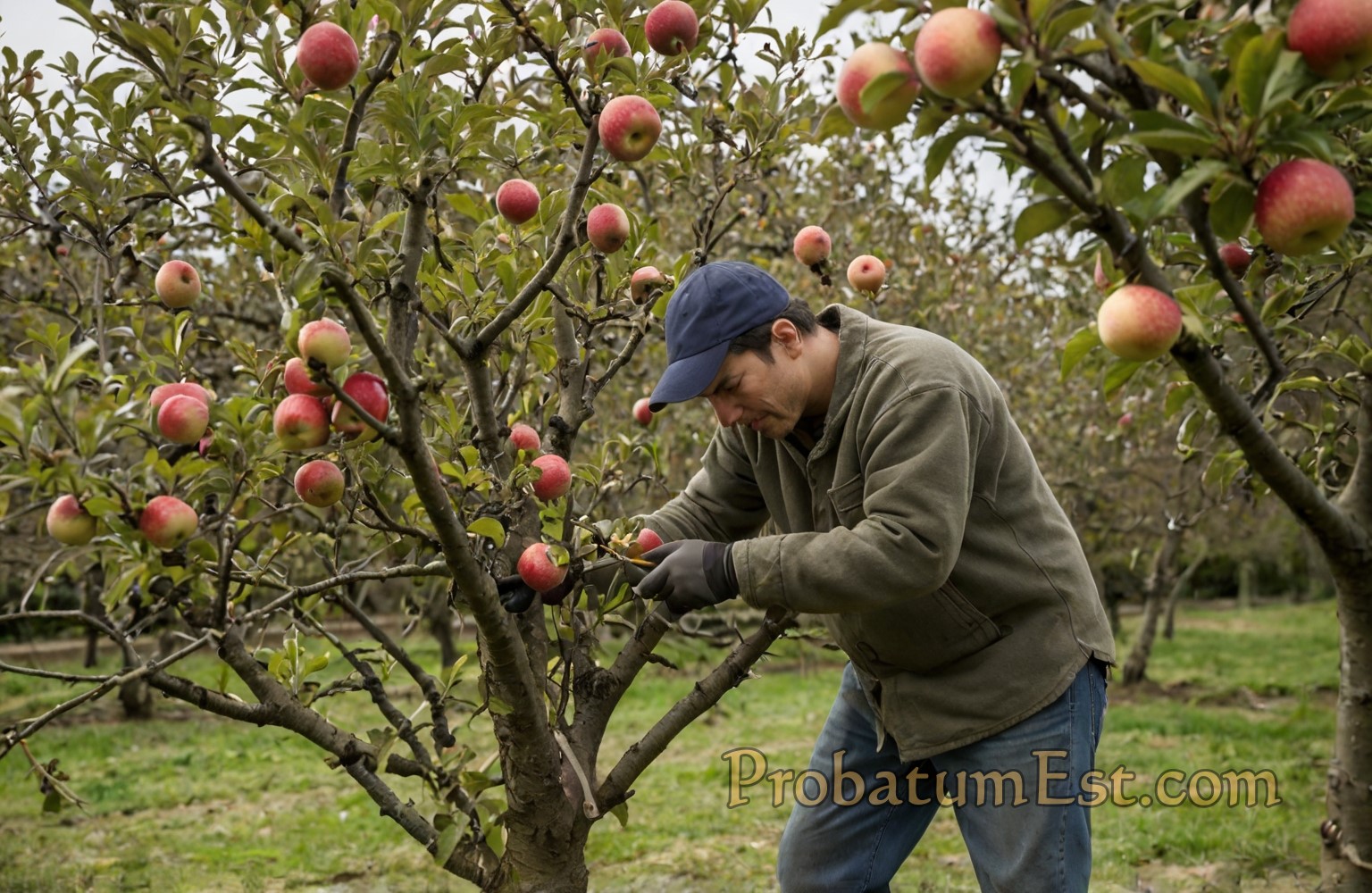
Pruning apple trees is one of the most impactful steps you can take to ensure healthier growth, abundant harvests, and attractive, orderly shapes. Done properly, pruning guides a tree’s energy toward producing high-quality fruit and strong structural branches. This article explains the best timing and techniques for pruning apple trees, along with proven strategies used by orchardists and home gardeners alike.
1. Why Prune Apple Trees?
- Improving Fruit Quality: Well-pruned trees receive better sunlight penetration, which supports higher-quality fruit. Research from university horticulture extensions shows that proper pruning significantly increases apple yield and size.
- Maintaining Tree Health: Thinning out dense or crossing branches allows for better airflow, helping to prevent problems such as excessive moisture on leaves.
- Managing Size and Shape: By regularly removing unwanted limbs, you can shape your apple tree into a form that’s both aesthetically pleasing and easy to maintain.
- Encouraging Healthy New Growth: A balanced regimen of pruning stimulates the growth of new wood and fruit-bearing spurs.
2. When to Prune Apple Trees
- Late Winter/Early Spring (Dormant Pruning): The most common and recommended time for major structural pruning is during a tree’s dormant period, typically from late winter to early spring — before buds break. Dormant pruning allows you to see the branch structure clearly and ensures fewer risks of sap flow or stress to the tree.
- Early Summer (Corrective Pruning): In early summer, some orchardists do light pruning to remove water sprouts (long, thin, upright shoots) or to correct any obviously damaged or rubbing branches. While not as extensive as winter pruning, this can help maintain the tree’s form.
- Avoid Fall Pruning: Many experts advise against substantial fall pruning because making cuts so close to winter can leave the tree susceptible to cold damage and slow healing.
3. Tools and Preparations
- Pruning Shears (Hand Pruners): Ideal for small, finger-width or smaller branches.
- Loppers: Useful for medium-sized, woody branches where extra leverage is needed.
- Pruning Saw: Designed for larger and thicker limbs that cannot be cleanly cut with loppers.
- Protective Gloves and Eyewear: Helps avoid injury from sharp tools and falling branches.
- Disinfecting Solution: Sterilizing your tools between cuts (especially after removing diseased limbs) can help reduce the chance of spreading problems to healthy branches.
4. Pruning Techniques
Proper pruning incorporates both thinning cuts (removal of an entire branch at the trunk or main limb) and heading cuts (shortening a branch, often just above a bud).
Step-by-Step Guide:
- Remove dead, diseased, or damaged branches first. Cut just outside the branch collar (the slightly raised area where a branch attaches to a larger limb or trunk) to allow the wound to heal properly.
- Open up the canopy by pruning branches that crisscross, rub, or compete for space. This improves light penetration and air circulation, which orchard case studies have repeatedly shown results in larger, healthier fruit.
- Eliminate water sprouts — those fast-growing vertical shoots that emerge from the trunk or main branches. They rarely produce fruit and can compromise the shape of the tree.
- Shorten (head back) any overly vigorous shoots that disrupt the balance of the tree or create excessive shading. Make cuts about ¼ inch above a bud that faces the direction you want future growth to head.
- Focus on balance: Ideally, distribute main scaffold branches evenly around the trunk, spaced one to two feet apart vertically. This leads to a strong structure better able to bear the weight of apples.
5. Tips for Older or Neglected Apple Trees
- Go Slowly: When reviving older apple trees that have gone unpruned for many seasons, prune gradually over two to three years. Removing too many limbs at once can shock the tree.
- Evaluate Your Cuts: In the first year, concentrate on removing damaged or obviously problematic limbs. Once the basic shape is restored, refine further in subsequent years.
- Encouraging New Growth: Older trees often respond to pruning by sending up numerous water sprouts in the summer. Timely removal of these sprouts helps direct resources to quality fruit production.
6. Common Mistakes to Avoid
- Over-pruning: Taking off too many branches at once can reduce the overall canopy needed for photosynthesis, leading to stunted growth or small fruit.
- Cutting Too Close: Pruning flush with the trunk damages the branch collar, slowing the healing process and increasing the risk of decay.
- Ignoring Tool Hygiene: Failing to disinfect tools after removing diseased or infested parts can transfer the issue to healthy areas of the tree. According to horticulture experts, sterilizing pruners can reduce the risk of transmission of harmful pathogens significantly.
- Pruning at the Wrong Time: Late winter to early spring remains the gold standard for significant pruning. Pruning at other times can lead to unproductive regrowth or, in extreme cases, cold damage.
7. Results and Benefits: What to Expect
When done correctly and consistently, pruning leads to:
- Increased Yield and Uniformity: According to multiple horticultural extension studies, apple trees that are pruned annually typically produce larger, more uniform apples.
- Better Pest and Problem Management: Improved airflow and light exposure can naturally discourage potential issues.
- Easier Harvesting: A well-shaped tree simplifies orchard maintenance and fruit-picking activities.
- Enhanced Aesthetics: Pruning transforms a wild, overgrown tree into a neat, orderly, and visually appealing part of your landscape.
Conclusion
Pruning apple trees is an essential horticultural practice that requires timing, correct tools, and sound techniques. Late winter or early spring remains the most favorable period to perform significant structural cuts, helping ensure minimal stress and maximum benefit to the tree. Focus on removing damaged or competing branches, maintain good airflow, and shape the canopy to direct the tree’s energy into producing healthy, abundant fruit. Whether you have a single backyard apple tree or an entire orchard, proper pruning lays the foundation for strong growth, a bountiful harvest, and a beautiful, well-structured tree for years to come.




Leave a Reply