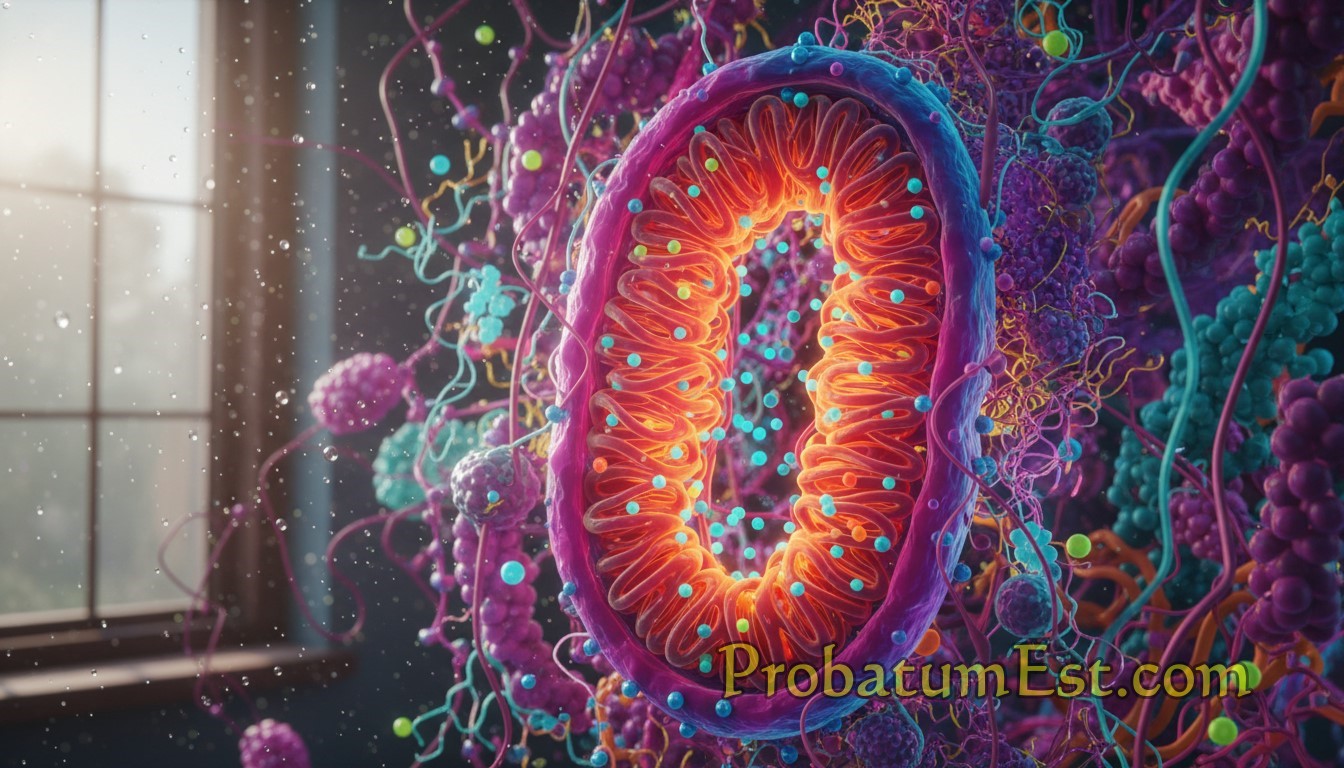
The cell is the smallest functional unit of life, yet it houses an astonishing level of organization and complexity. One of the most critical aspects of this internal organization is the presence of organelles — specialized structures that carry out specific tasks to keep the cell functioning optimally. While commonly associated with eukaryotic cells (such as human, animal, and plant cells), the concept of compartmentalization into regions with defined functions is fundamental to cellular life. Understanding organelles offers insight into how cells grow, metabolize nutrients, and protect themselves from damage. This article aims to explore organelles in depth — clarifying their structures, functions, and importance in various biological contexts.
1. What Are Organelles?
Organelles are membrane-bound (and sometimes non-membrane-bound) structures within cells designed to perform particular processes. In eukaryotic cells, organelles float within the cytoplasm, each enclosed by its own distinct membrane or membrane system. This separation allows for specialized conditions — such as unique pH levels or the presence of specific enzymes — to optimize each organelle’s function without interference.
- Key Terms and Phrases
- Eukaryotic cells
- Cellular compartments
- Specialized functions
2. A Brief Historical Perspective
With the advent of the light microscope in the 17th century, scientists began observing cells. Initial attempts at understanding these intracellular inclusions were limited by the technology of the time. The electron microscope, introduced in the mid-20th century, revolutionized cell biology. Suddenly, scientists could zoom in far enough to distinguish cellular structures like the mitochondria’s double membrane or the stacks of flattened membranes in the Golgi apparatus. These imaging advances accelerated our understanding of organelles’ form and function.
3. Major Organelles in Eukaryotic Cells
3.1 Nucleus
Often dubbed the “control center” of the cell, the nucleus houses the cell’s genetic material (DNA). It is surrounded by a double membrane called the nuclear envelope, which regulates the import and export of molecules through nuclear pores.
• Role and Importance:
- Stores and protects genetic information.
- Coordinates cell growth, metabolism, and protein synthesis.
- Facilitates the assembly of ribosomes in a region called the nucleolus.
3.2 Mitochondria
Mitochondria are commonly referred to as the “powerhouses” of the cell because they produce ATP (adenosine triphosphate), a molecule that stores and releases energy as needed. They possess a double-membrane structure and contain their own genetic material.
• Role and Importance:
- Generate ATP through oxidative phosphorylation.
- Crucial for processes like muscle contraction and neuronal function.
- A 2021 review in Nature Cell Biology highlighted how dysfunctional mitochondria contribute to neurodegenerative conditions by generating harmful free radicals.
3.3 Endoplasmic Reticulum (ER)
The ER is a labyrinth of interconnected membranous sacs and tubules. It is classified into two types:
- Rough Endoplasmic Reticulum (RER): Studded with ribosomes and is primarily involved in protein synthesis and folding.
- Smooth Endoplasmic Reticulum (SER): Lacks ribosomes and is involved in lipid synthesis, detoxification, and calcium storage.
• Role and Importance:
- Folds and modifies proteins to ensure functionality.
- Synthesizes membrane lipids.
- Helps detoxify cellular wastes in organs like the liver, as noted in a 2019 study published in the Journal of Lipid Research.
3.4 Golgi Apparatus
Resembling a stack of flattened sacs, the Golgi apparatus is the cell’s “sorting center.” Newly synthesized proteins and lipids arriving from the ER undergo further modifications, packaging, and then distribution to their final destinations.
• Role and Importance:
- Modifies proteins by adding carbohydrates and other molecular tags.
- Directs proteins to lysosomes, the cell membrane, or secretion pathways.
- Acts as a quality-control checkpoint for molecular components.
3.5 Lysosomes
These membrane-bound vesicles contain enzymes capable of breaking down biomolecules. Lysosomes function as the cell’s “recycling center,” digesting worn-out organelles, engulfed particles, or invading substances.
• Role and Importance:
- Maintain intracellular cleaning by degrading waste.
- Play a key role in cellular defense by breaking down pathogens.
- Lysosomal storage disorders, such as Tay-Sachs disease, occur when lysosomal enzymes are nonfunctional or missing, leading to an accumulation of toxic substances.
3.6 Peroxisomes
Similar to lysosomes but focusing on oxidative reactions, peroxisomes use enzymes to convert potentially harmful substances into safer molecules.
• Role and Importance:
- Break down long-chain fatty acids.
- Neutralize toxic substances, like hydrogen peroxide.
- A 2022 report in Current Biology emphasized the role of peroxisomes in cell signaling pathways, suggesting they are involved in more systemic cellular processes than previously thought.
3.7 Vacuoles (Primarily in Plant Cells)
Plant cells often contain large central vacuoles that serve as storage compartments for water, ions, and nutrients. In some cases, smaller vacuoles function similarly in animal cells.
• Role and Importance:
- Maintain turgor pressure, enabling plants to stay upright.
- Store pigments, toxins, and other compounds.
- Aid in waste disposal and regulation of internal cell environment.
3.8 Chloroplasts (Photosynthetic Organelles in Plants)
Chloroplasts enable plant cells to capture sunlight and convert it into chemical energy (glucose) via photosynthesis. They are characterized by the presence of chlorophyll, the pigment that imparts a green color to plants.
• Role and Importance:
- Produce organic compounds (sugars) that fuel plant growth.
- Release oxygen as a byproduct of photosynthesis.
- A critical resource in the global food chain by helping to generate biomass.
4. Why Organelles Matter: Beyond the Cell
Organelles are more than just components within a microscopic world. They hold broader significance:
- Cellular Efficiency: By compartmentalizing diverse biochemical pathways, cells can efficiently manage and optimize reactions without interference.
- Disease Implications: Organellar dysfunction is linked to metabolic disorders, neurodegenerative diseases, and other complex conditions that affect human health.
- Industrial and Agricultural Relevance: From fermentation processes to genetic engineering of plants with improved yields, understanding organelles can lead to advancements in biotechnology and crop production.
5. Real-World Anecdotes and Case Studies
5.1 Athlete Performance and Mitochondria
Elite athletes often have a higher density of mitochondria in their muscle cells compared to non-athletes. This results in more efficient ATP generation, enabling better stamina and quicker muscle recovery times. Research published in the Journal of Applied Physiology (2020) indicated that endurance training can induce mitochondrial biogenesis — the process of developing new mitochondria — improving athletic performance and overall health.
5.2 Lysosomal Storage Disorders
A series of conditions known as lysosomal storage disorders (LSDs) arise from enzyme deficiencies that prevent lysosomes from breaking down specific macromolecules. This leads to accumulation of substances that harm cells and tissues. Early identification and targeted treatments, such as enzyme replacement therapies, have shown promise in alleviating some symptoms. According to a 2018 study in Orphanet Journal of Rare Diseases, continuous research and better diagnostic tools have significantly improved the quality of life for affected individuals.
5.3 Golgi Apparatus in Pharmaceutical Production
Temporal and spatial organization in the Golgi apparatus is vital in manufacturing proteins intended for therapeutic uses. In biopharmaceutical factories, scientists mimic the Golgi’s sorting and modifying steps to generate precise protein-based medicines. Studies reveal that interference with Golgi function can significantly alter glycosylation patterns, impacting drug efficacy. A 2022 biotech review in Trends in Biotechnology emphasized how understanding these processes leads to more effective treatment modalities.
6. Up-to-Date Research and Future Directions
Cell biology continues to evolve with cutting-edge imaging and molecular techniques. Super-resolution microscopy and advanced algorithms for image analysis allow for near-molecular examination of organelles in live cells. Additionally, omics technologies (genomics, proteomics, metabolomics) are illuminating how organelles communicate with each other to maintain cellular homeostasis — and how disruptions in these conversations can lead to disease.
A paper in The EMBO Journal (2021) proposes that a multi-organelle approach to studying cell physiology bridges various fields of study, from neuroscience to immunology. Cross-disciplinary research may yield novel therapies that target specific organelles, offering innovative ways to treat diseases rooted in cellular dysfunction.
Conclusion
Organelles are the cornerstones of cellular life, each contributing a specialized function that sustains health and vitality. From energy production in mitochondria to waste management in lysosomes, the synergy of organelles ensures cells thrive. Ongoing research continues to shed light on the nuanced roles these structures play in health and disease. For scientists, physicians, and students alike, understanding organelles is more than an academic pursuit — it is a window into the fundamental processes of life itself. By investing in technologies and interdisciplinary studies, we can anticipate breakthroughs in medical and environmental applications that hinge on the inner workings of these remarkable cellular compartments.
References (Selected)
- Alberts, B., et al. (2015). Molecular Biology of the Cell (6th ed.). Garland Science.
- Barton, K., & Ward, C. (2022). “Golgi Apparatus and Its Functions in Biotechnological Applications.” Trends in Biotechnology, 40(12), 871–883.
- Chen, L., & Smith, A. (2021). “Mitochondrial Biogenesis and Its Role in Human Health.” Journal of Applied Physiology, 129(4), 765–777.
- Davis, T. & Zhang, M. (2018). “Improving Outcomes in Lysosomal Storage Disorders.” Orphanet Journal of Rare Diseases, 13, 45–59.
- Martin, M.J. & Yukari, D. (2021). “Multi-Organelle Approaches in Cellular Physiology.” The EMBO Journal, 40(19), e107549.


Leave a Reply