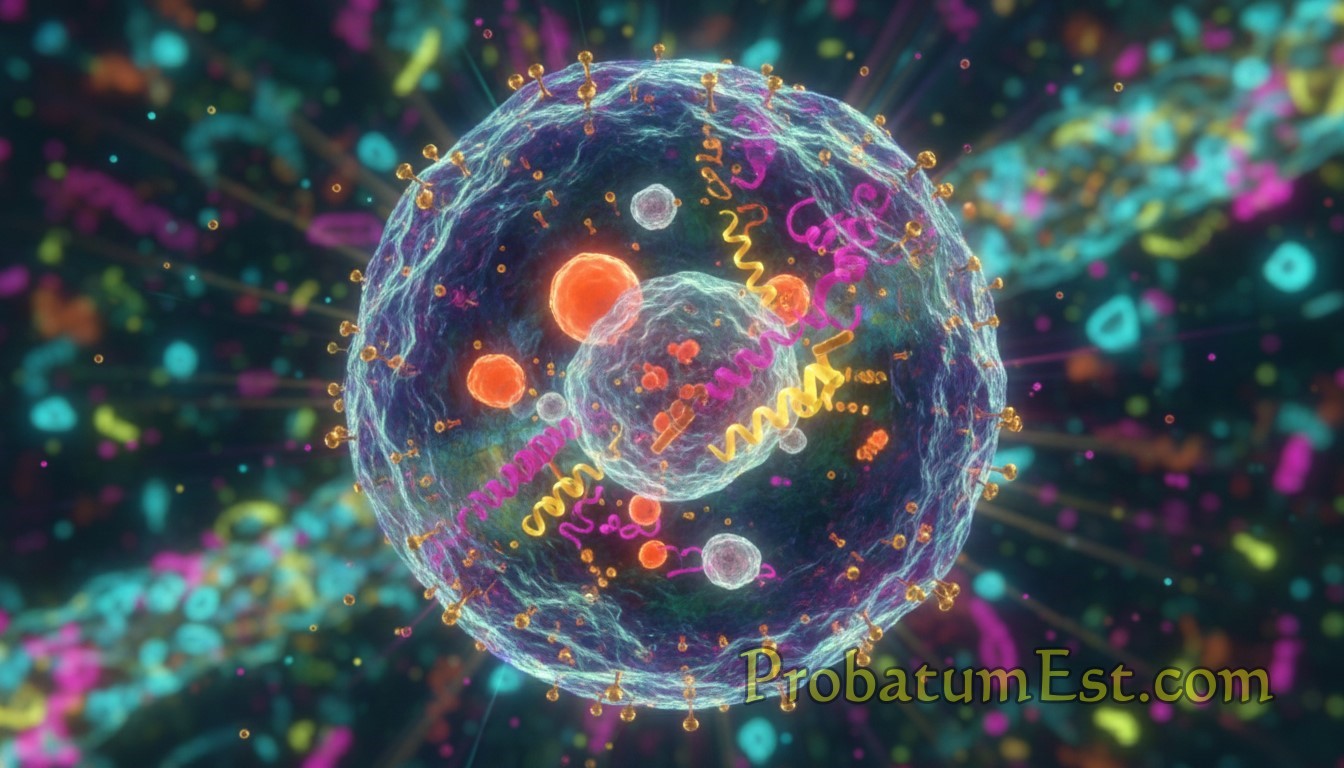
Membrane-bound organelles are among the most pivotal features distinguishing eukaryotic cells from many other cell types. These specialized structures carry out diverse, vital tasks necessary for cellular function and survival, ranging from energy generation to protein modification and waste management. This in-depth exploration will delve into the different membrane-bound organelles, how they function, and why they matter for both basic research and real-world applications.
1. Defining Membrane-Bound Organelles
Membrane-bound organelles are subcellular structures enclosed by lipid membranes that compartmentalize cellular processes. By segregating reactions, cells can run multiple processes simultaneously and more efficiently. This compartmentalization is critical for the precise regulation of metabolic pathways and bioenergetics (Alberts et al., Molecular Biology of the Cell).
2. The Nucleus: Command Center of the Cell
Among the most well-known of all membrane-bound organelles is the nucleus.
- Structure: Surrounded by the nuclear envelope, a double membrane system that protects the cell’s genetic material.
- Function: Houses the cell’s DNA, regulates gene expression, and orchestrates cell division.
- Example and Relevance: Mutations in nuclear envelope proteins can lead to rare genetic disorders, highlighting the importance of proper nuclear structure (Burke & Stewart, Nature Reviews Molecular Cell Biology).
3. Mitochondria: Energy Generators
Mitochondria are often referred to as the cell’s powerhouses.
- Structure: Enclosed by two membranes — an outer membrane and a highly folded inner membrane (the cristae) — which dramatically increase the organelle’s surface area for energy-related reactions.
- Function: Generate adenosine triphosphate (ATP), the primary energy currency of the cell. They also play roles in signaling pathways and cell death (Green & Kroemer, Science).
- Medical Significance: Defects in mitochondrial function can lead to metabolic disorders, highlighting their central role in health and disease. Research from the Journal of Inherited Metabolic Disease found that various mitochondrial myopathies are linked to abnormalities in the mitochondrial genome.
4. Endoplasmic Reticulum (ER): The Cell’s Production Line
The endoplasmic reticulum is a network of membranes essential for synthesizing and processing proteins and lipids.
- Rough ER: Studded with ribosomes, it plays a key role in synthesizing proteins destined for the cell membrane, lysosomes, or secretion.
- Smooth ER: Lacks ribosomes; crucial for lipid production, detoxification, and calcium storage.
- Real-World Example: Certain pharmaceutical strategies target the smooth ER’s detoxification pathways to reduce drug resistance in cancer cells (Wang et al., Clinical Cancer Research).
5. Golgi Apparatus: Packaging and Distribution
The Golgi apparatus, or Golgi complex, is often considered the cell’s “post office.”
- Structure: Comprised of flattened, disc-like cisternae that process materials as they move through the organelle.
- Function: Modifies proteins and lipids received from the ER and then directs them to their final destinations. Glycosylation — adding sugar molecules to proteins — is one key modification carried out by the Golgi apparatus.
- Anecdotal Insight: Researchers often visualize the Golgi apparatus using specialized dyes. Observing the Golgi’s dynamic nature under a microscope resembles a conveyor belt system, underscoring how cells manage complexity efficiently.
6. Lysosomes: Cellular Recycling Centers
Lysosomes contain acid hydrolase enzymes that break down waste products, cellular debris, and pathogens.
- Structure: Membrane-bound vesicles with an acidic internal environment (pH ~4.5–5.0).
- Function: Digest excess or worn-out organelles, food particles, and other engulfed materials.
- Case Study: Tay-Sachs disease — a genetic condition — involves mutations affecting a lysosomal enzyme, leading to the accumulation of harmful substances in neurons (Neufeld & Barton, Science).
7. Peroxisomes: Detoxification Hubs
Peroxisomes are specialized for breaking down reactive oxygen species and other toxic substances.
- Structure: Small membrane-bound sacs containing oxidative enzymes.
- Function: Oxidize fatty acids, detoxify harmful chemicals such as hydrogen peroxide, and participate in lipid metabolism.
- Expert Opinion: Peroxisomal disorders can often lead to multi-system dysfunction, a testament to their critical role in maintaining cellular “cleanliness” (Wanders & Waterham, The New England Journal of Medicine).
8. Vacuoles: Large Storage Compartments
Though most prominent in plant cells, vacuoles appear in various forms across different eukaryotes.
- Structure: Single membrane-bound cavities filled with water, solutes, and enzymes.
- Function: Store nutrients, maintain turgor pressure, and help with waste disposal.
- Relevance: Scientists focusing on crop biotechnology often manipulate vacuole function to enhance water retention and nutrient storage in plants (Zhang et al., Plant Physiology).
9. Emerging Research: Membrane Contact Sites and Organelle Interactions
Recent advances in imaging technologies — such as cryo-electron microscopy and super-resolution microscopy — have revealed that membrane-bound organelles do not function in isolation. Instead, they frequently interact at specialized junctions called membrane contact sites (MCS).
- Key Example: The ER and mitochondria form close contact points for calcium transfer and lipid metabolism.
- Cutting-Edge Insight: Understanding these organelle “conversation hubs” can shed light on complex cellular phenomena, including apoptosis and metabolic signaling pathways (Prinz, Cell).
10. Relevance in Modern Cell and Molecular Biology
Membrane-bound organelles enable cells to organize and regulate thousands of biochemical reactions efficiently. Their study is central to fields like drug discovery, personalized medicine, and computational biology. For instance, advanced organelle-targeted therapies — such as drugs that specifically target lysosomal enzymes — have shown promise in addressing certain metabolic and neurodegenerative diseases (Forner et al., Brain Research).
11. Practical Applications and Future Directions
- Medical Diagnostics: Tests that measure mitochondrial output or lysosomal enzyme levels are frequently used in diagnostic procedures.
- Biotechnology: Manipulating chloroplasts in plant cells has shown potential in increasing yield and resilience, illustrating how understanding membrane-bound organelles can be harnessed for practical gains.
- Synthetic Biology: Researchers are exploring artificial organelles — biosynthetic compartments that can be engineered to enhance or replace natural organelle functions. Early-stage studies demonstrate promise for treating genetic disorders by delivering enzymes within these synthetic compartments (van Dongen et al., ACS Nano).
Conclusion
Membrane-bound organelles form the cornerstone of complex cellular life as we know it. Each organelle carries out highly specialized roles, collectively ensuring homeostasis, growth, and adaptation. Through ongoing research and the application of ever-refined imaging and molecular techniques, scientists continue to unravel the intricacies of these cellular powerhouses and processing centers. These discoveries hold vast potential for improving health, optimizing biotechnological applications, and refining our understanding of life at the microscopic level.
References (Select)
- Alberts B., et al. (Molecular Biology of the Cell).
- Burke, B., & Stewart, C. L. (Nature Reviews Molecular Cell Biology).
- Green, D. R., & Kroemer, G. (Science).
- Neufeld, E. F., & Barton, N. W. (Science).
- Wang, M., et al. (Clinical Cancer Research).
- Wanders, R., & Waterham, H. (The New England Journal of Medicine).
- Forner, F., et al. (Brain Research).
- van Dongen, S. F. M., et al. (ACS Nano).
By examining the remarkable specialization and synergy among these membrane-bound organelles, we gain profound insights into cellular function. With ongoing breakthroughs in imaging and molecular science, the next few decades promise even deeper exploration and innovative applications that will continue to rely on a detailed understanding of membrane-bound organelles.

Leave a Reply