Tag: Animal
-
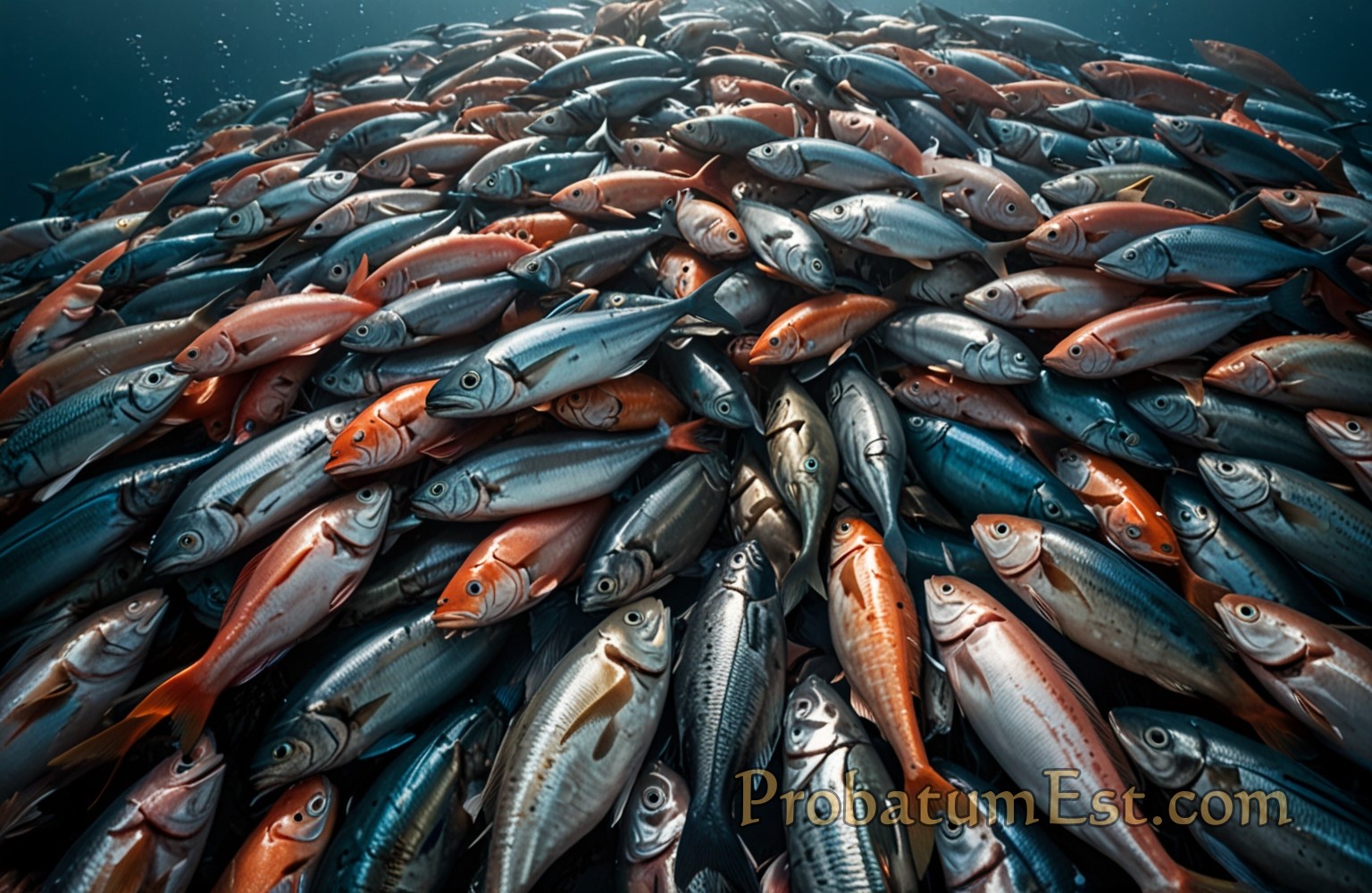
Overfishing
Overfishing is a critical environmental and socio-economic issue that poses a significant threat to marine ecosystems, food security, and livelihoods across the globe. Despite international awareness and efforts to mitigate its impacts, overfishing remains a contentious and pervasive challenge. This article aims to provide a comprehensive exploration of overfishing, examining its causes, consequences, and the… …read more

-
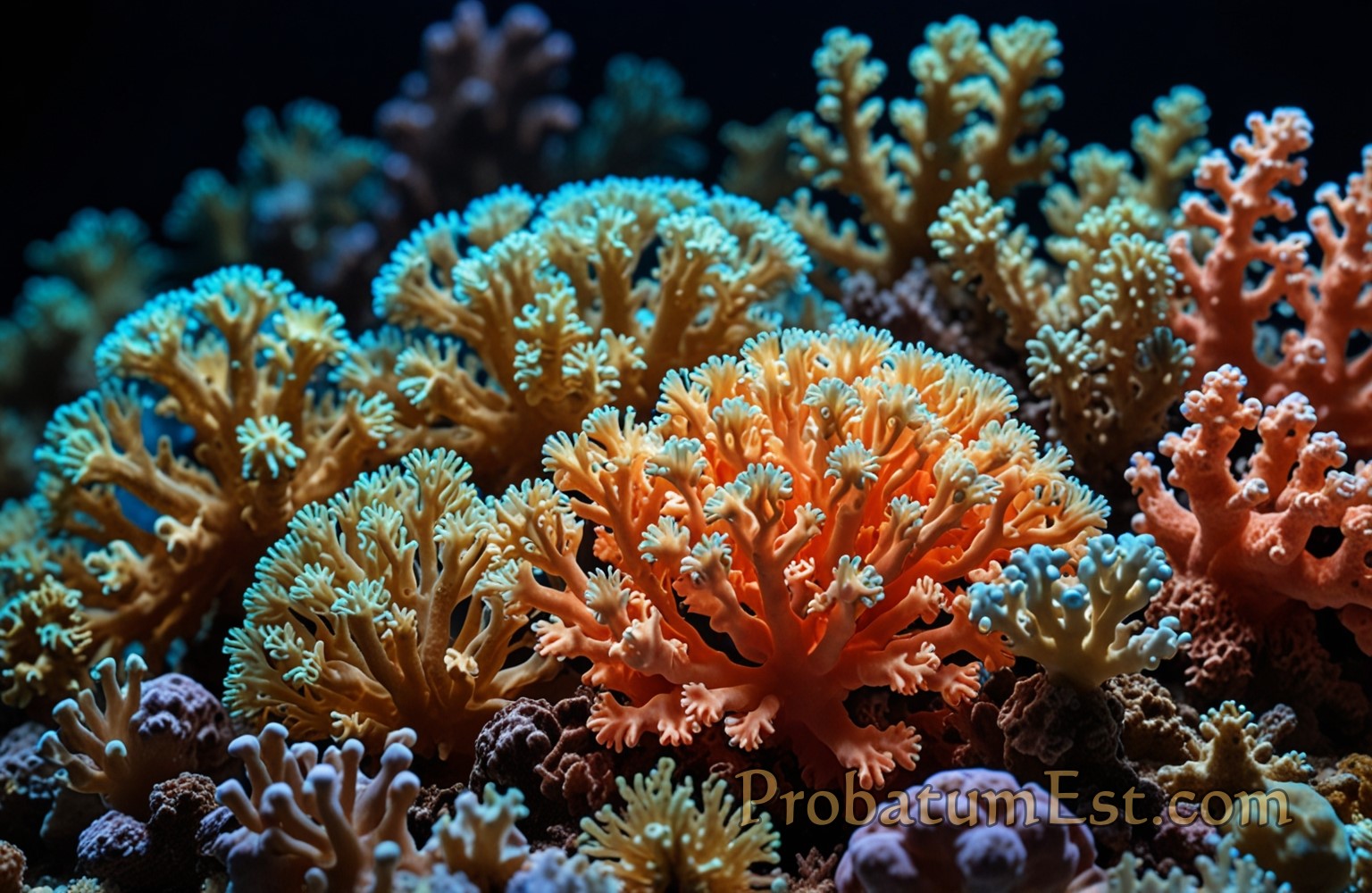
Corals
Corals are among the most fascinating and vital organisms on our planet. As members of the Cnidaria phylum, they are close relatives of jellyfish and sea anemones. Corals are often renowned for their aesthetic appeal and ecological significance, owing to their role in constructing coral reefs that provide critical habitats for a plethora of marine… …read more
-
Marine Biomes
Marine Biomes are among the most dynamic and diverse ecosystems on Earth, covering around 70% of the planet’s surface and playing a crucial role in climate regulation and supporting immense biodiversity. By diving into the realm of marine biomes, we encompass not only the vast open ocean but also coastal ecosystems, coral reefs, deep-sea environments,… …read more
-
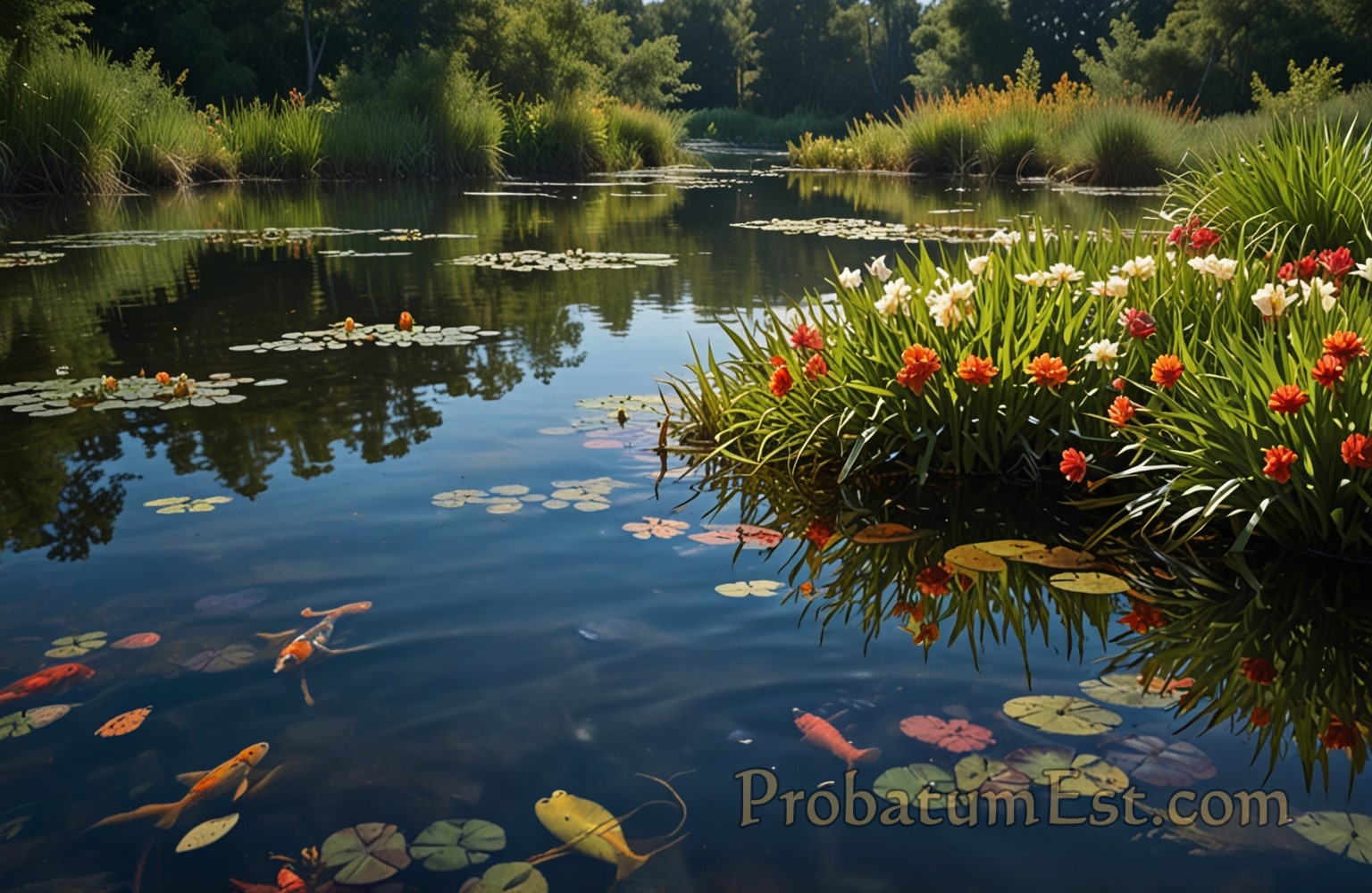
Freshwater Biome
The Freshwater Biome is an indispensable component of the Earth’s ecosystem. Despite covering a mere 2.5% of the global water supply and less than 1% of Earth’s surface, freshwater biomes are vital for sustaining biodiversity, providing water resources, and supporting countless human activities. From lush rivers and serene lakes to mysterious wetlands and invigorating streams,… …read more
-
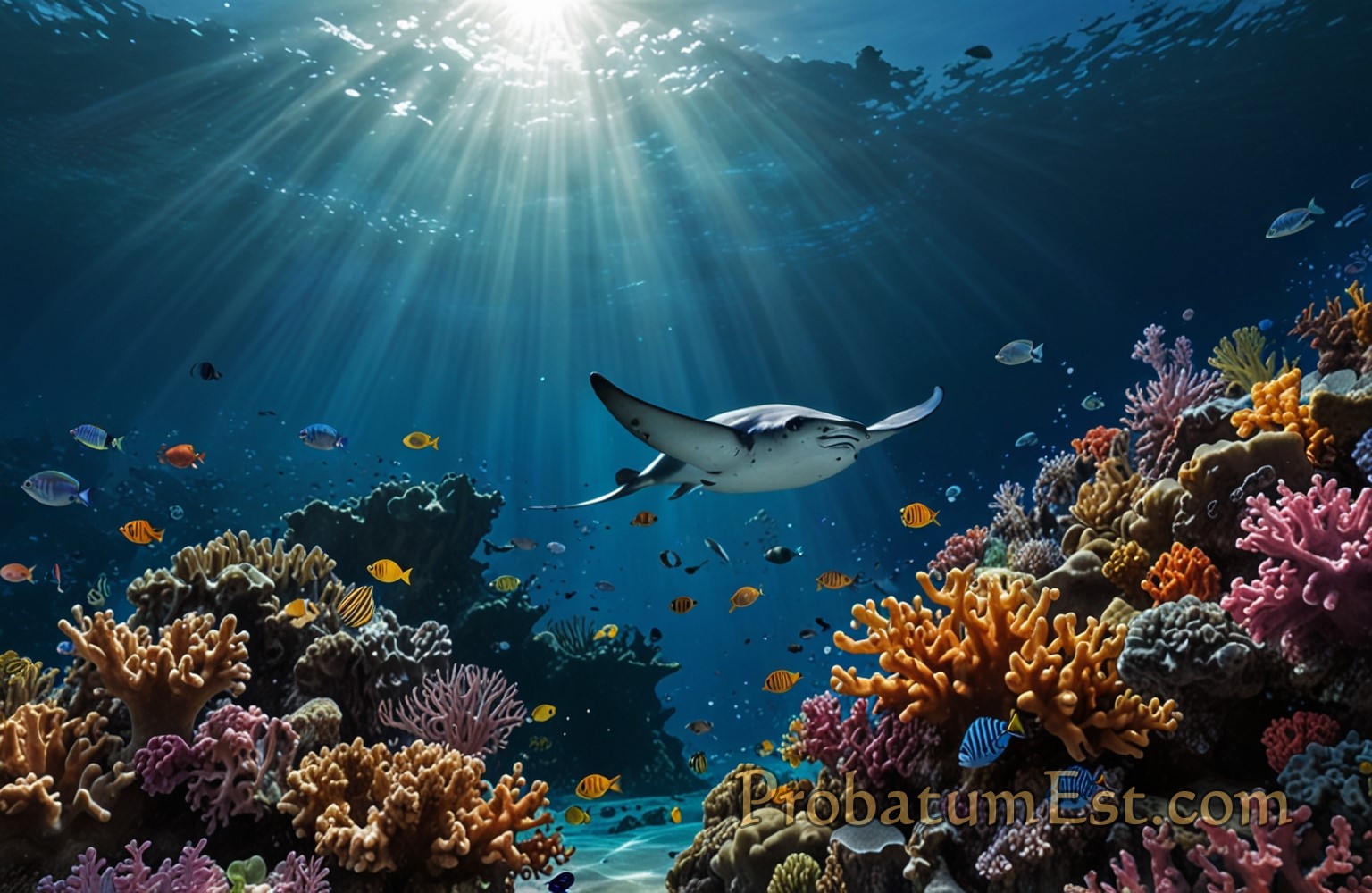
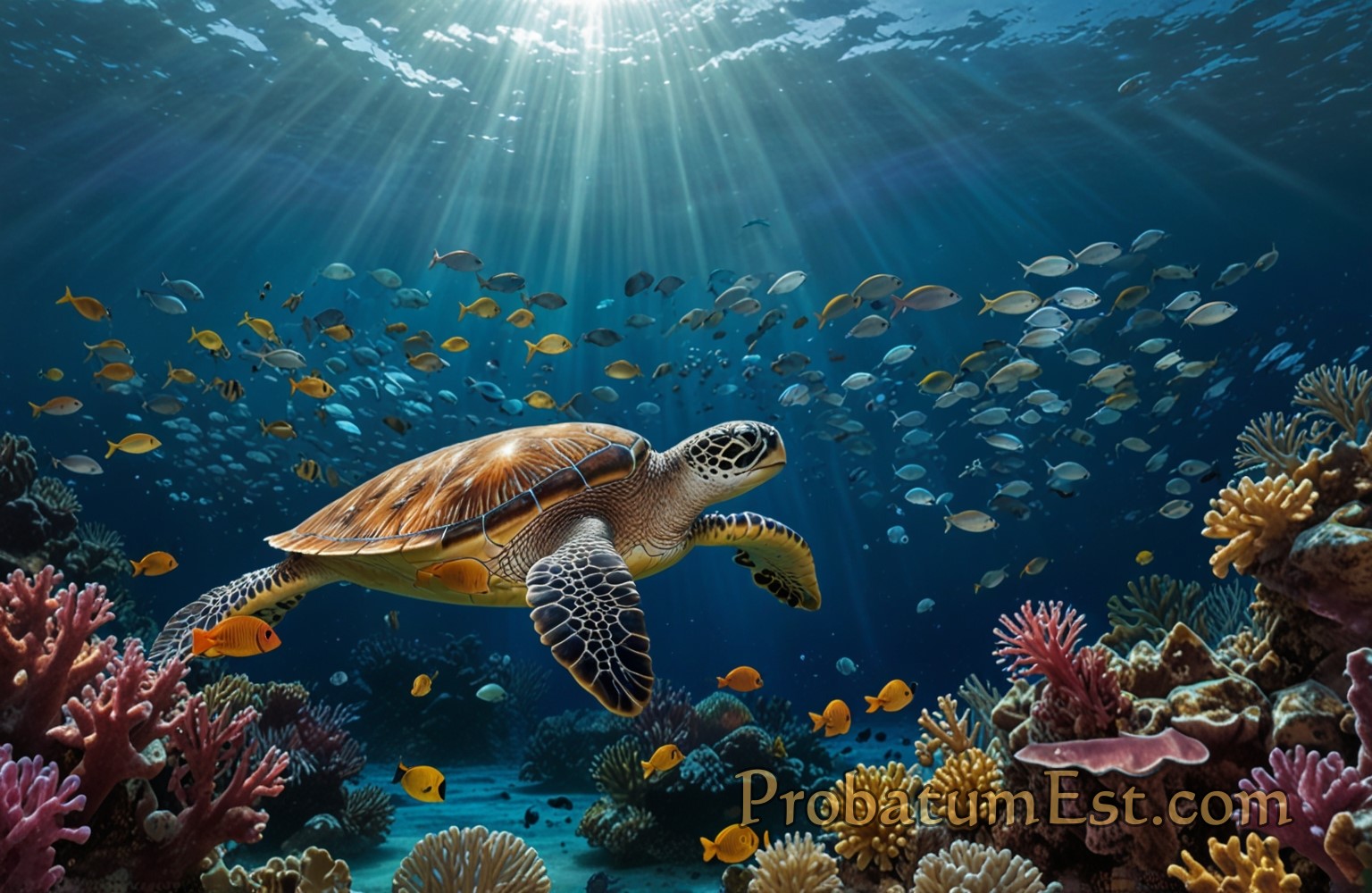
Coral Reefs
Coral Reefs represent some of the most diverse and vital ecosystems on the planet. Often referred to as the “rainforests of the sea,” coral reefs cover less than 1% of the ocean floor yet support approximately 25% of all marine species. Their vibrant beauty and rich biodiversity not only play critical ecological roles but also… …read more
-
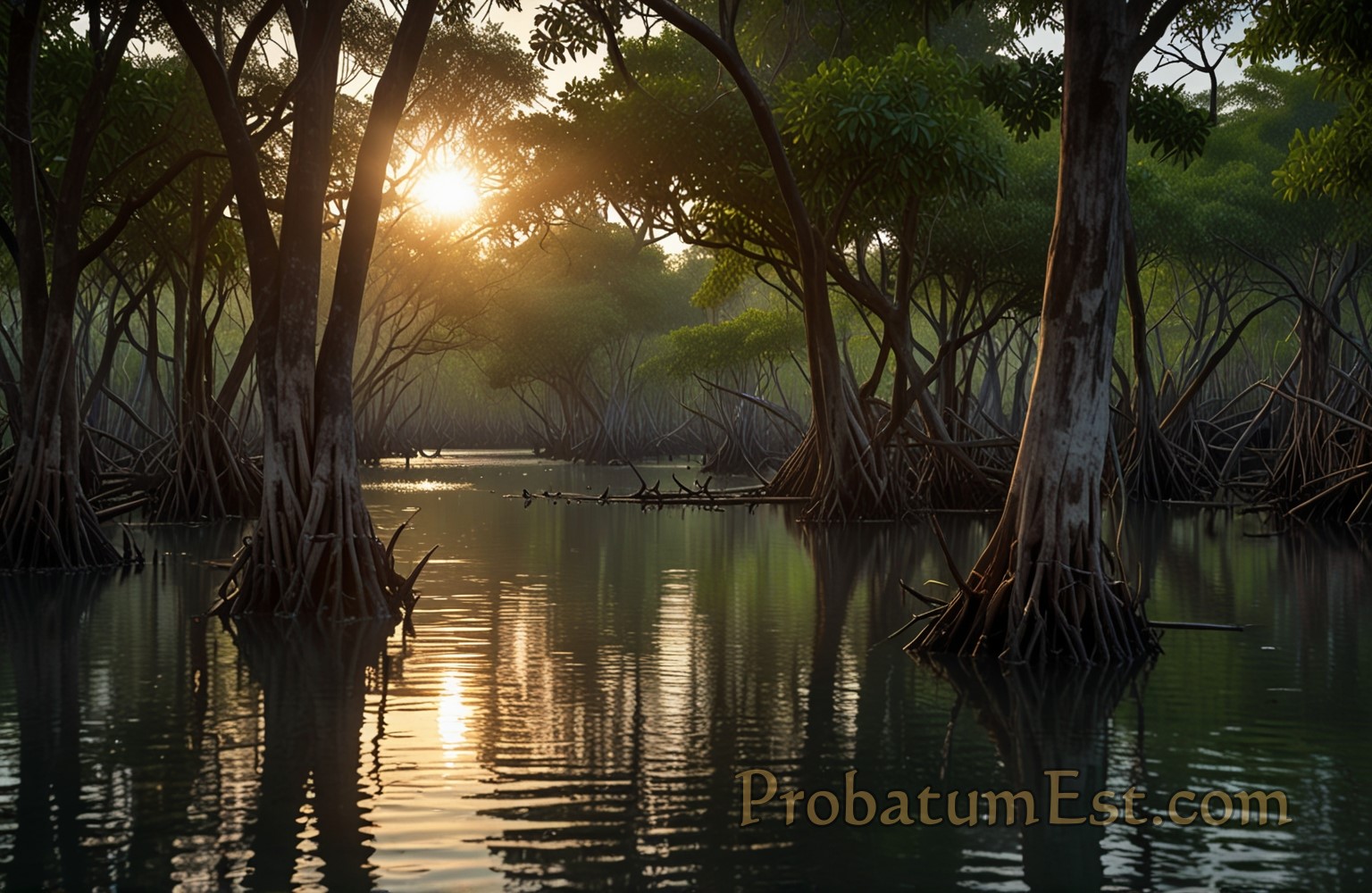
Mangroves
Mangroves are extraordinary organs of nature, comprising a variety of salt-tolerant trees and shrubs that thrive at the intersection of land and sea. These resilient plants are primarily found in subtropical and tropical regions, straddling the world’s coastlines with their distinctive prop roots. Their unique ecological adaptations and contributions make mangroves an indispensable resource for… …read more
-
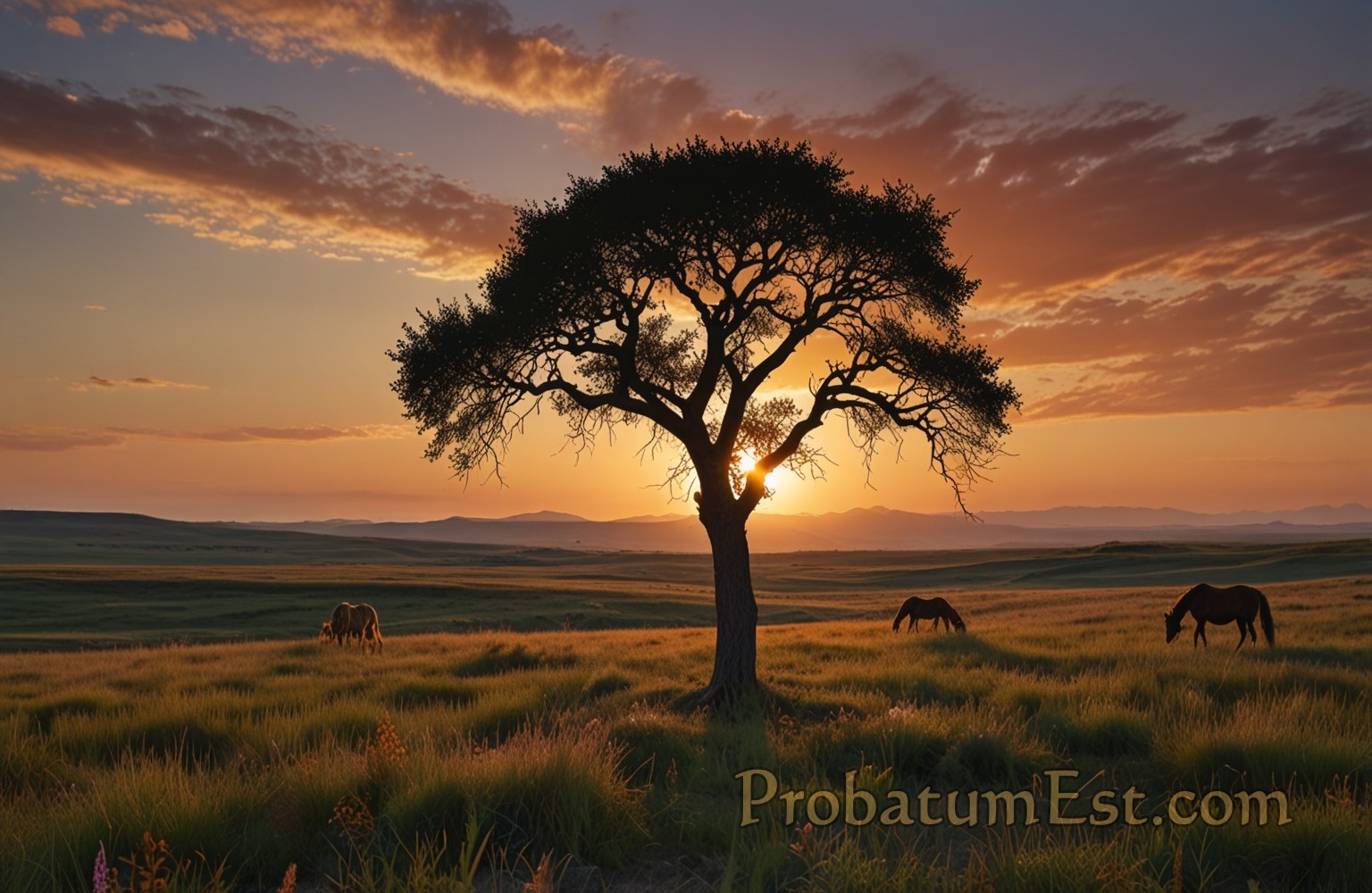
Steppes
The Steppes are vast, treeless plains that stretch across the continents of Eurasia, covering territories in countries such as Russia, Kazakhstan, Mongolia, and Ukraine. These grasslands, which have played a pivotal role in shaping history, culture, and ecology, are characterized by their unique environments. This comprehensive exploration delves into the geography, ecology, historical significance, cultural… …read more
-
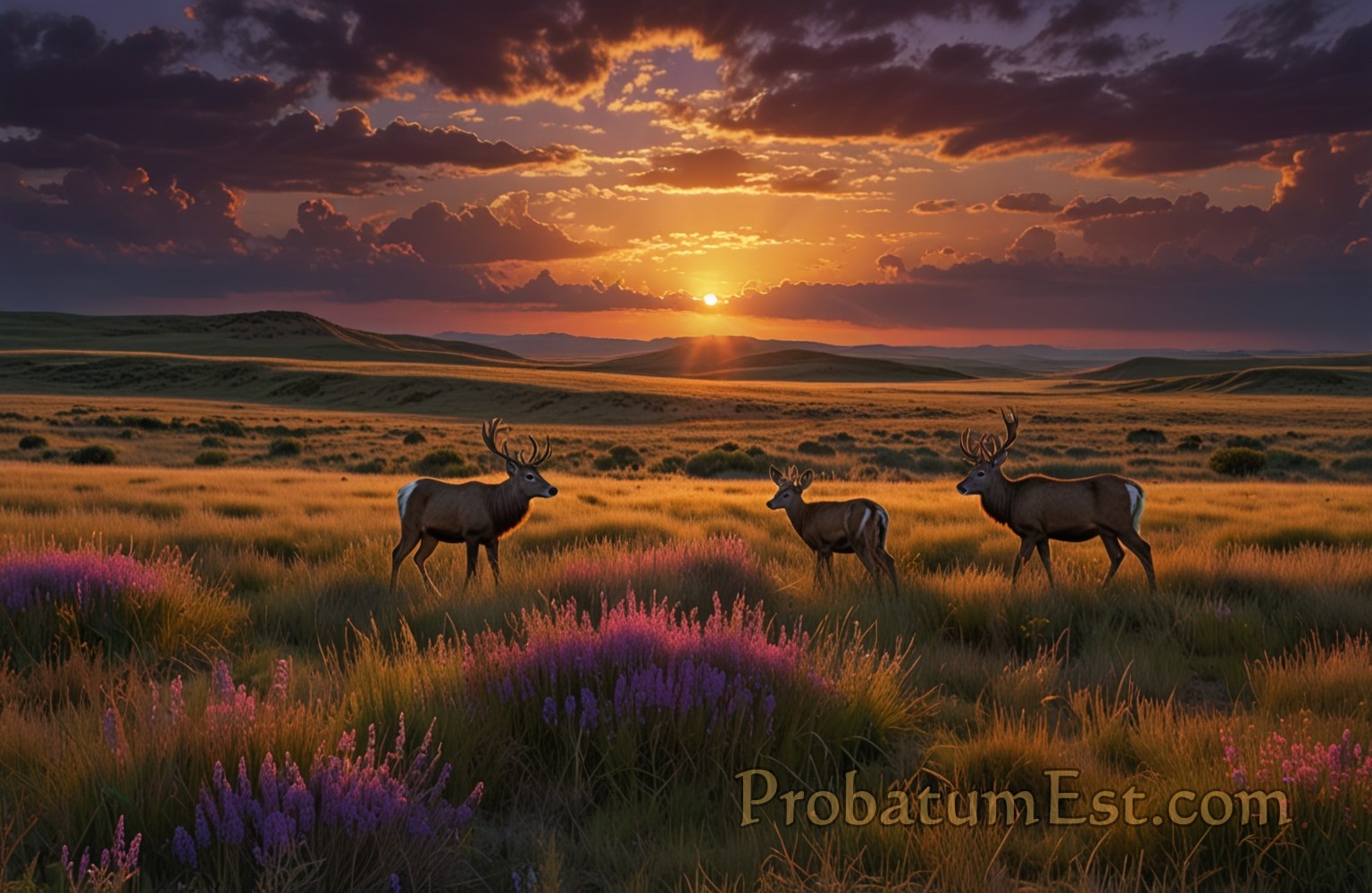
Prairies
The Prairies, often romanticized as the expansive heart of North America, encompass a vast region characterized by a unique blend of ecological, cultural, and economic significance. Stretching from the Canadian provinces of Alberta, Saskatchewan, and Manitoba to the central United States, the Prairies offer a mosaic of grasslands, rich agricultural land, and vibrant communities. This… …read more
-
Grasslands
Grasslands, often regarded as the Earth‘s vast ocean of grass, cover roughly one-third of the planet’s land area. These ecosystems, characterized by wide open spaces, minimal tree cover, and an abundance of grasses and herbaceous plants, play a critical role in global biodiversity, climate regulation, and agriculture. This article delves into the intricate world of… …read more
-
Biodiversity – Vast and Vital World of Life
Biodiversity, a term derived from “biological diversity,” encompasses the variety of life forms on Earth. It represents the vast array of species, genetic differences within those species, and the complex ecosystems they form. Biodiversity is not just about a collection of different species; it’s about the balance and interdependence between these species and their environments.… …read more