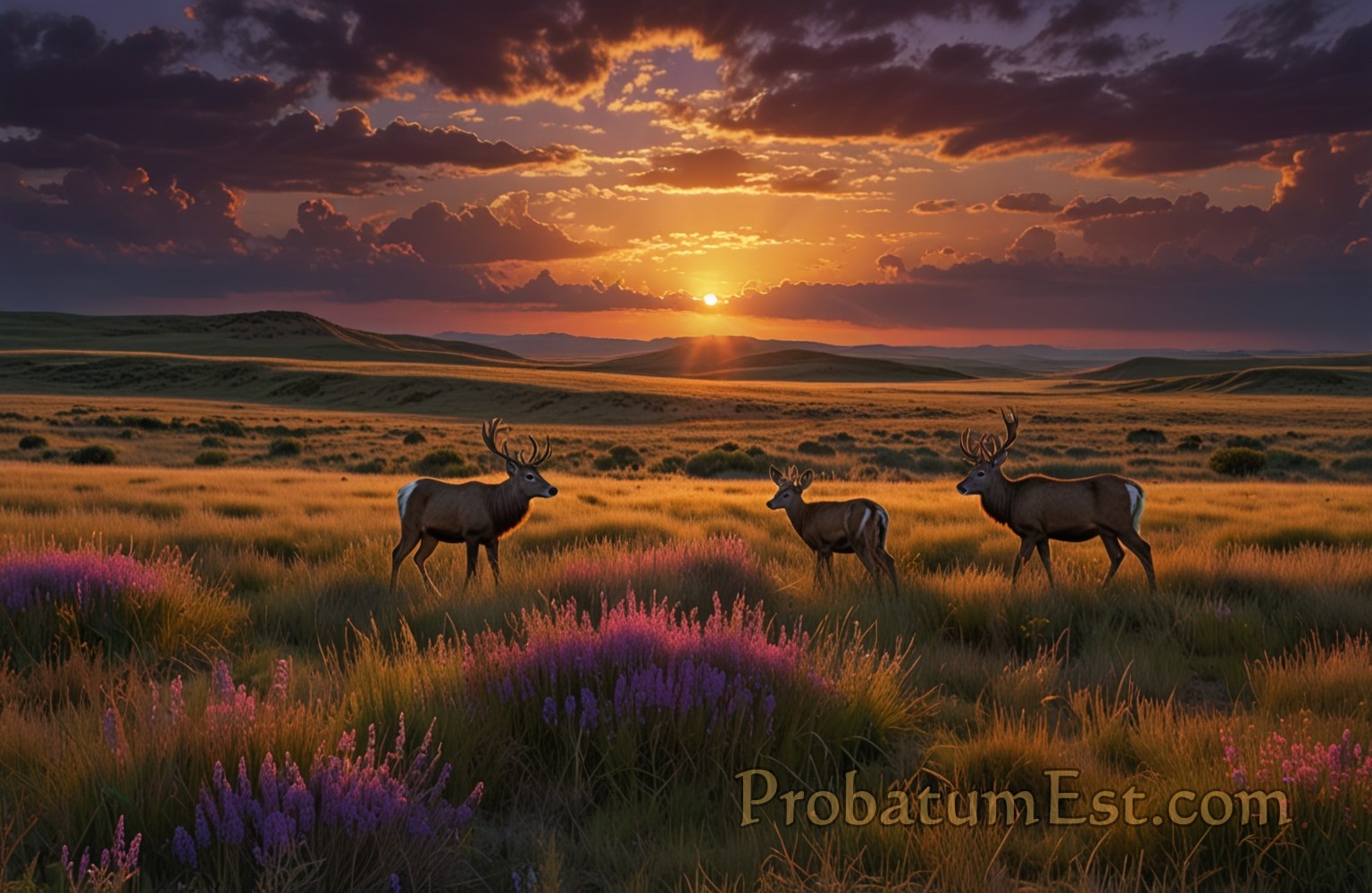
The Prairies, often romanticized as the expansive heart of North America, encompass a vast region characterized by a unique blend of ecological, cultural, and economic significance. Stretching from the Canadian provinces of Alberta, Saskatchewan, and Manitoba to the central United States, the Prairies offer a mosaic of grasslands, rich agricultural land, and vibrant communities. This article delves into the various aspects of the Prairies, exploring their history, ecology, cultural heritage, economic importance, and contemporary challenges.
Historical Background
The Prairies have a rich history that dates back thousands of years. Long before European settlers arrived, Indigenous peoples, including the Cree, Blackfoot, Sioux, and Métis, among others, inhabited these lands. They lived in harmony with the natural environment, with cultures deeply connected to the landscape and its resources. The arrival of Europeans in the 17th and 18th centuries marked the beginning of a transformative era.
The Prairies became a focal point for European fur traders and, later, settlers who sought fertile lands for agriculture. The signing of treaties between Indigenous tribes and the government marked pivotal moments in Prairie history, albeit often resulting in the displacement and marginalization of Indigenous communities. The introduction of the railway in the late 19th century accelerated settlement and agricultural expansion, drastically altering the prairie ecosystem and its communities.
Ecological Features
The Prairies are defined by their distinctive ecology. The region hosts one of the world’s largest grasslands, characterized by vast expanses of prairie grasses such as blue grama, buffalo grass, and wheatgrass. These grasslands provide vital habitats for a wide array of wildlife, including bison, prairie dogs, and countless bird species like the greater prairie-chicken and the burrowing owl.
The prairie ecosystem is adapted to fire and grazing, with both natural and anthropogenic fires playing crucial roles in maintaining ecological balance. However, the conversion of vast tracts of prairie to agricultural use has dramatically altered these landscapes. Current conservation efforts focus on restoring native prairies and protecting remaining grasslands to preserve this unique biodiversity.
Cultural Heritage
The cultural tapestry of the Prairies is woven from a rich blend of Indigenous traditions, European settlement history, and modern multicultural influences. Indigenous cultures continue to thrive, despite historical challenges, contributing art, music, and traditional knowledge to the broader cultural milieu.
European settlers brought diverse customs, languages, and architectures that left a lasting imprint on the region. Today, cities and towns throughout the Prairies reflect a blend of these influences, with festivals celebrating everything from Ukrainian heritage in Dauphin, Manitoba, to the Calgary Stampede, which highlights the cowboy culture of Alberta.
Economic Significance
Economically, the Prairies are often referred to as the “breadbasket” of North America. The fertile soil and expansive farmlands make the region one of the most productive agricultural areas globally. Major crops include wheat, canola, oats, and barley, while cattle ranching is also prominent.
Beyond agriculture, natural resources such as oil and natural gas have made significant contributions to the Prairie economy, particularly in Alberta. This economic diversity has been integral to the region’s development, though it also poses challenges in terms of environmental sustainability and economic fluctuations tied to global commodity prices.
Contemporary Challenges
Despite their natural beauty and economic potential, the Prairies face several contemporary challenges. Climate change poses a significant threat, with increasing temperatures, droughts, and extreme weather events impacting agriculture and natural habitats. Water scarcity, linked to both alleged climate change and agricultural demands, is another pressing concern.
Moreover, the reconciliation process with Indigenous communities remains a critical issue. Efforts to address historical grievances and improve socio-economic conditions for Indigenous peoples are ongoing and essential for fostering a more equitable and inclusive society in the Prairies.
Conclusion
The Prairies hold an enduring allure, characterized by their vast landscapes, rich history, and dynamic culture. As this region continues to evolve, balancing economic development with ecological preservation and social justice will be paramount. The Prairies serve as a reminder of the interconnectedness of environment, culture, and economy, and the need for sustainable practices to ensure their future resilience and prosperity.



Leave a Reply