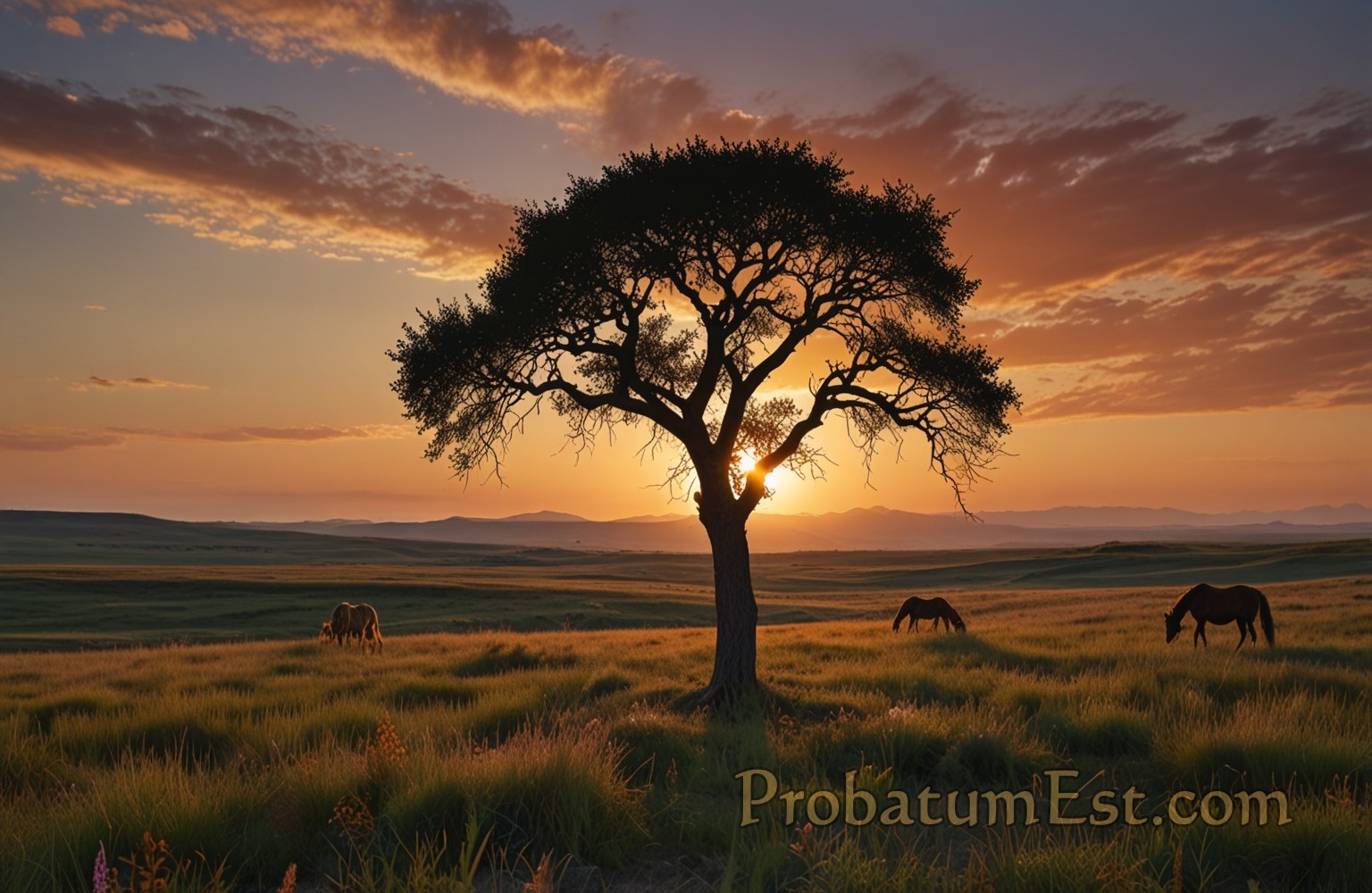
The Steppes are vast, treeless plains that stretch across the continents of Eurasia, covering territories in countries such as Russia, Kazakhstan, Mongolia, and Ukraine. These grasslands, which have played a pivotal role in shaping history, culture, and ecology, are characterized by their unique environments. This comprehensive exploration delves into the geography, ecology, historical significance, cultural impacts, and contemporary issues concerning the steppes.
Geographical Extent and Features
Size and Climate
The Eurasian steppe, often referred to as the “Great Steppe,” extends over 8,000 kilometers from Hungary and Ukraine in Eastern Europe through Central Asia to Manchuria in northeastern China. It represents one of the largest temperate grassland regions in the world. The climate across the steppes varies considerably, but it typically features harsh extremes — freezing winters and hot, dry summers — with limited precipitation ranging from a scant 200 mm to about 450 mm annually.
Topography
The landscape is predominantly flat or gently rolling, lacking significant tree cover, which contributes to its recognition as a grassland. The lack of significant barriers has historically allowed for expansive migrations and swift travel across these lands. It is bordered by various ecosystems including taigas, deserts, and mountainous regions, enhancing its ecological diversity.
Ecology and Biodiversity
Flora
Though they might initially seem barren, steppes are home to a surprisingly rich diversity of plant species. The vegetation consists mainly of grasses such as feather grass (Stipa) and fescue (Festuca), hardy species that have adapted to the semi-arid conditions. During the brief but vibrant spring, the landscape can burst into color with wildflowers like tulips and irises.
Fauna
The fauna of the steppes is equally diverse. Historically, it supported large herds of grazing mammals such as the saiga antelope and the Przewalski’s horse. Predators include wolves and eagles. The steppes are also critical habitats for numerous bird species, some of which migrate vast distances. However, human activity has greatly affected these populations, with several species facing threats of extinction.
Historical Significance
Cradle of Nomadic Peoples
The steppes have been the cradle of many ancient nomadic tribes such as the Scythians, Huns, and Mongols. These peoples were skilled horsemen and warriors whose lifestyles revolved around the vast grasslands, depending on the region’s natural resources for sustenance and mobility. The development of horseback riding deeply influenced their military tactics and facilitated the spread of cultures and technologies.
The Silk Road
The steppes played a crucial role in the Silk Road trade network, acting as conduits for commerce and cultural exchange between East and West. Caravans traversed these plains carrying silk, spices, and other luxury goods, alongside ideas, technologies, and religions that would shape civilizations across Eurasia.
Cultural Impact
Steppe Cultures and Societies
Life on the steppes fostered a unique cultural and social dynamic centered around mobility and adaptability. Nomadic cultures valued skills like horsemanship and archery, which were vital for survival and warfare. Social structures often revolved around clans and tribes, and alliances were key to dealing with both neighbors and rivals.
Influence on Settled Civilizations
The influence of steppe cultures can be seen in the development of various Eurasian civilizations. Mongolian conquests, for example, facilitated the transfer of knowledge and technologies across continents during the Pax Mongolica. In Eastern Europe, interactions with nomadic tribes often resulted in conflict but also in cultural exchanges that shaped the region’s history.
Contemporary Issues
Environmental Challenges
The steppes today face significant environmental challenges. Overgrazing, and agricultural expansion, pose threats to its ecological balance. Desertification is a growing concern, exacerbated by unsustainable land use practices and changing precipitation patterns.
Conservation Efforts
Efforts are underway to protect what remains of the unique biodiversity of the steppes. Various international and local conservation programs aim to preserve important habitats, particularly for endangered species. Sustainable agriculture practices and controlled grazing are being promoted to maintain the ecological health of these grasslands.
Economic and Political Considerations
The steppes are not just natural wonders, but also lands of economic importance, rich with resources like minerals and fertile soils. Modern nations strive to balance economic development with ecological preservation. Additionally, political tensions in regions like Central Asia can impact the management and use of steppe areas.
Conclusion
The steppes of Eurasia are not only natural landscapes but also cradles of human civilization and innovation. Their expansive plains have nurtured unique ecosystems and cultures, influenced the course of history, and continue to play an important role in today’s world. Understanding and preserving the steppes are vital for cultural heritage, ecological health, and future sustainability. As we continue to navigate modern challenges, these ancient grasslands offer lessons in resilience, adaptation, and balance.




Leave a Reply