Tag: Climatology
-
Freshwater Biome
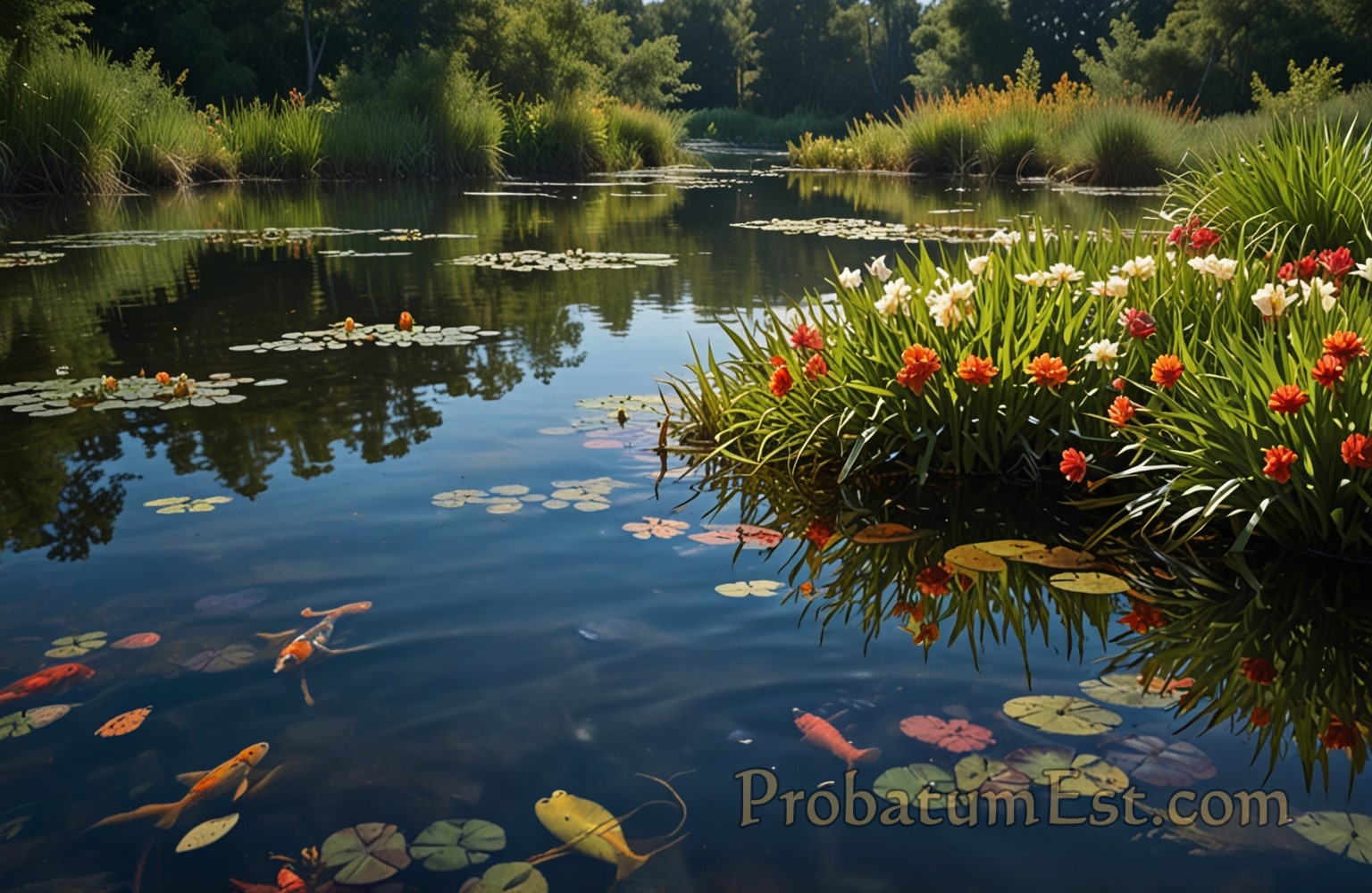
The Freshwater Biome is an indispensable component of the Earth’s ecosystem. Despite covering a mere 2.5% of the global water supply and less than 1% of Earth’s surface, freshwater biomes are vital for sustaining biodiversity, providing water resources, and supporting countless human activities. From lush rivers and serene lakes to mysterious wetlands and invigorating streams,… …read more

-
Coral Reefs
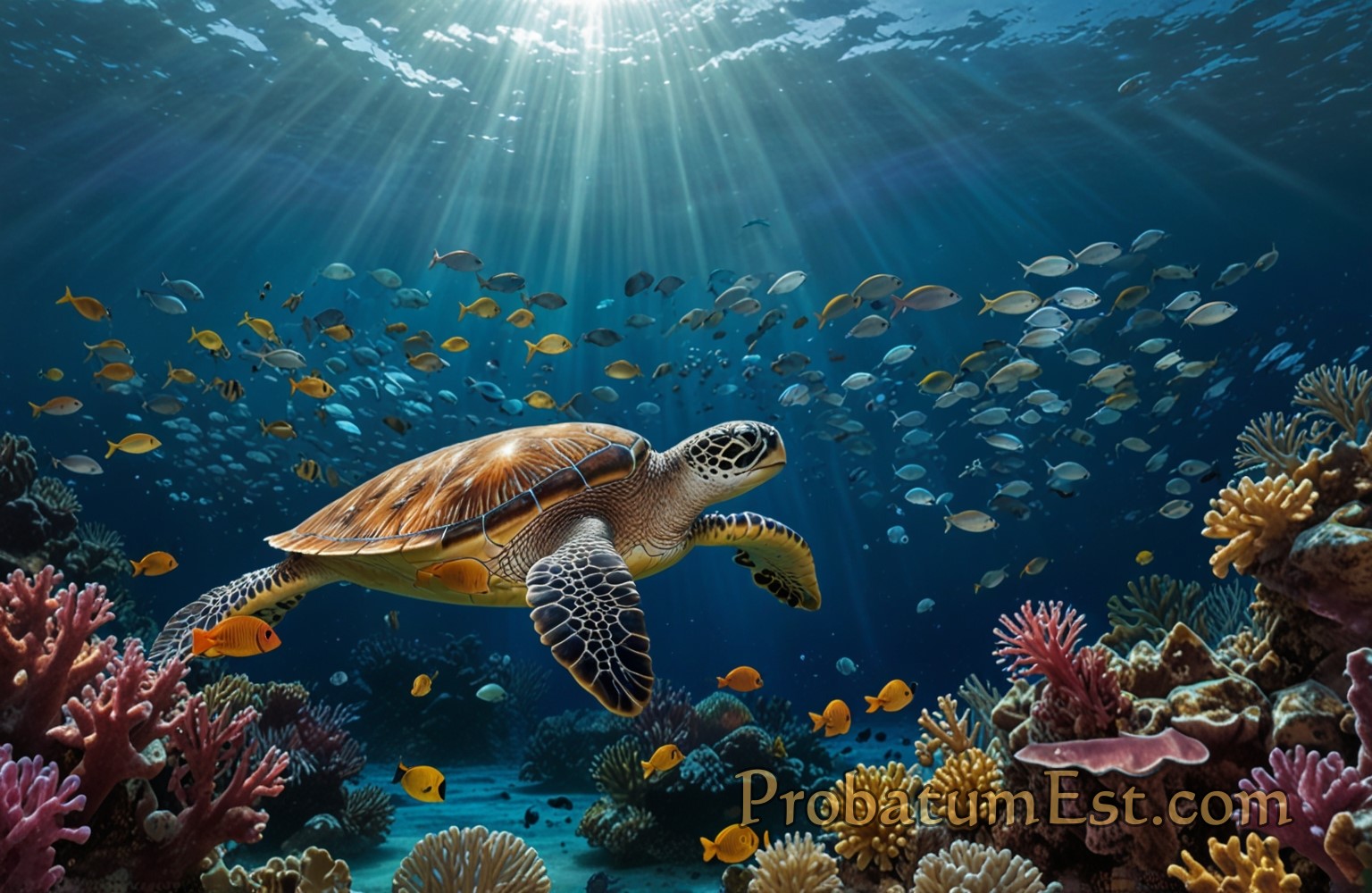
Coral Reefs represent some of the most diverse and vital ecosystems on the planet. Often referred to as the “rainforests of the sea,” coral reefs cover less than 1% of the ocean floor yet support approximately 25% of all marine species. Their vibrant beauty and rich biodiversity not only play critical ecological roles but also… …read more
-
Prairies
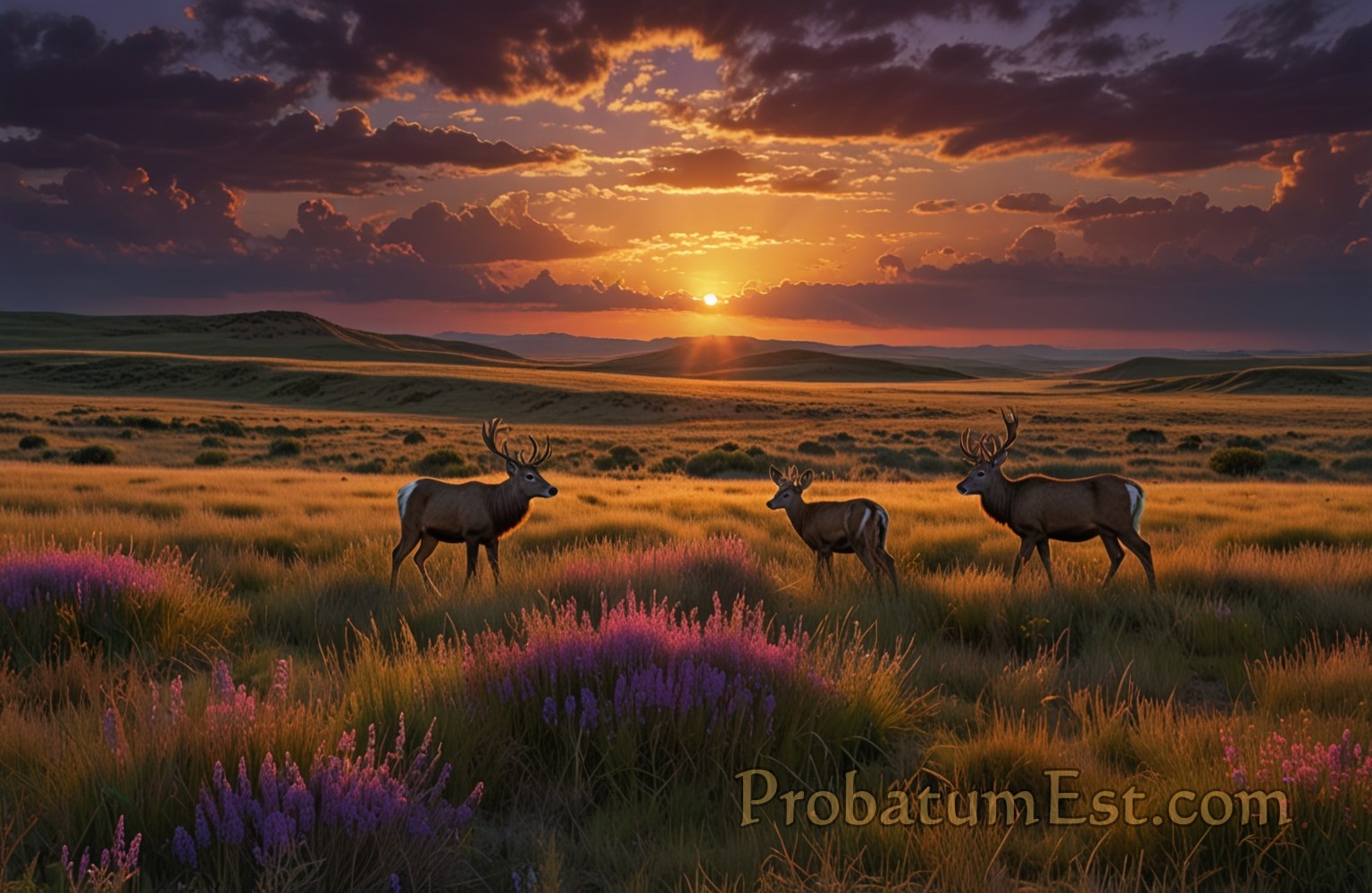
The Prairies, often romanticized as the expansive heart of North America, encompass a vast region characterized by a unique blend of ecological, cultural, and economic significance. Stretching from the Canadian provinces of Alberta, Saskatchewan, and Manitoba to the central United States, the Prairies offer a mosaic of grasslands, rich agricultural land, and vibrant communities. This… …read more
-
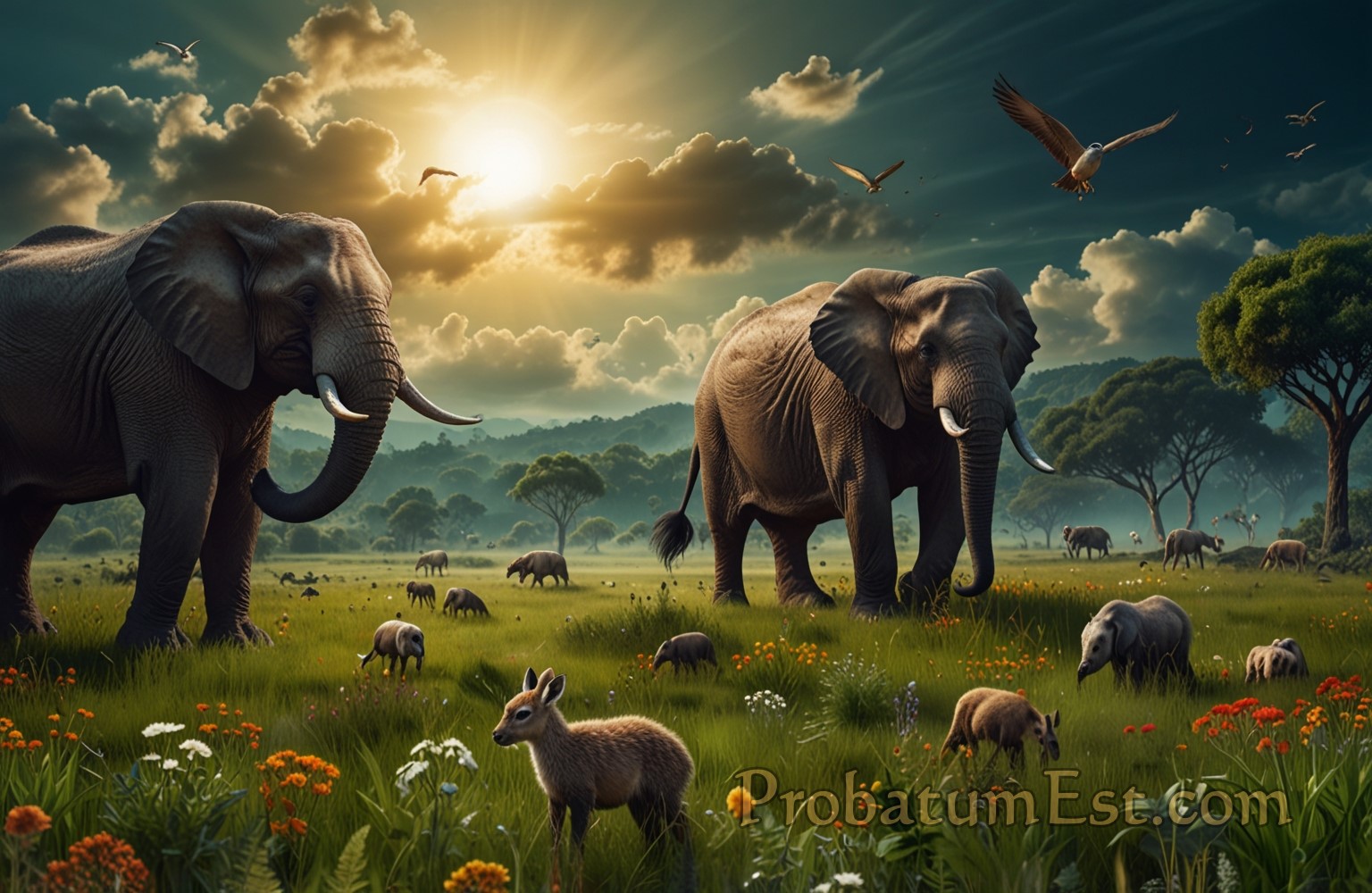
Grasslands
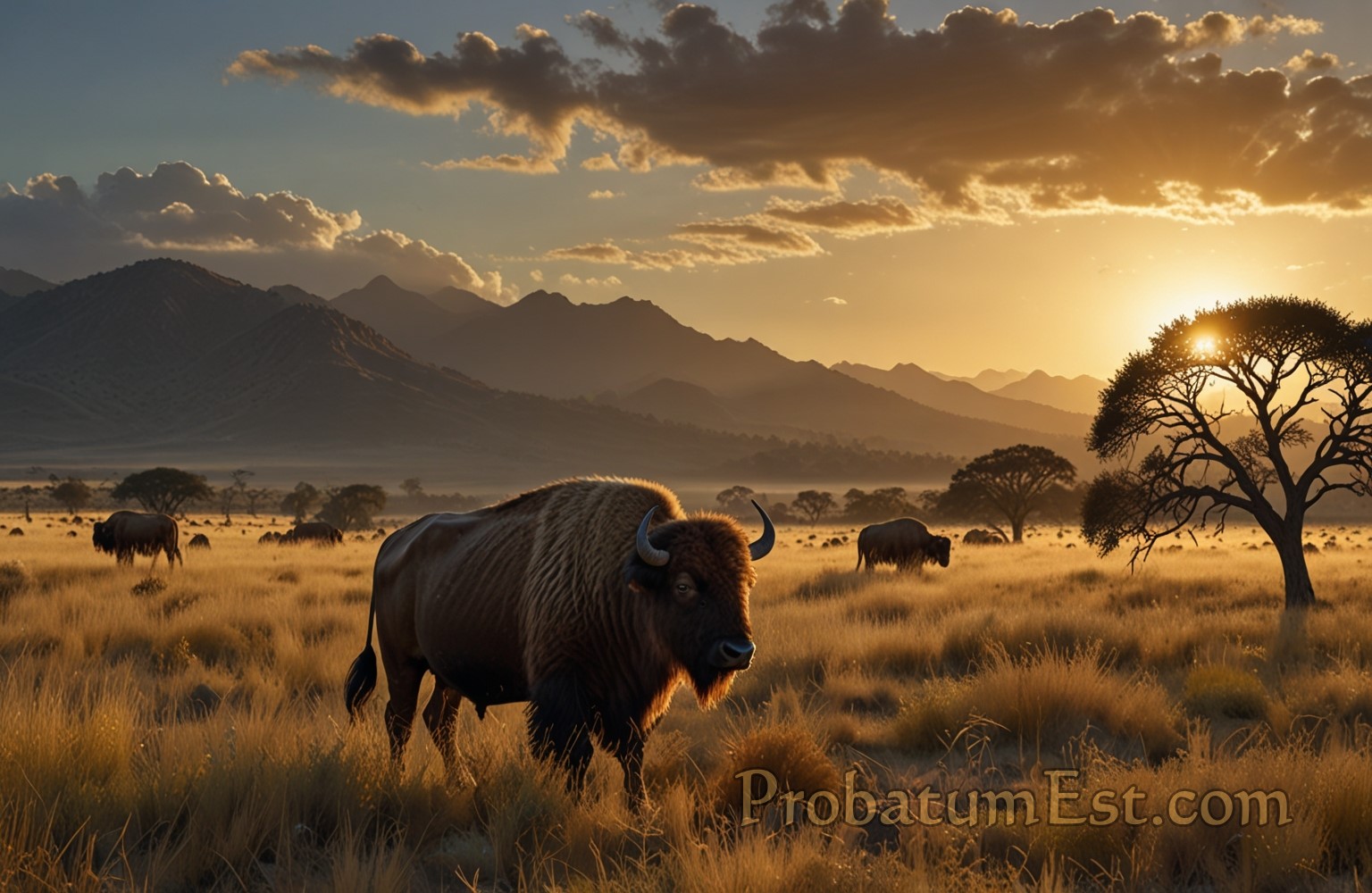
Grasslands, often regarded as the Earth‘s vast ocean of grass, cover roughly one-third of the planet’s land area. These ecosystems, characterized by wide open spaces, minimal tree cover, and an abundance of grasses and herbaceous plants, play a critical role in global biodiversity, climate regulation, and agriculture. This article delves into the intricate world of… …read more
-
Life on Earth
Life on Earth is a testament to the complexity, adaptability, and diversity of organic processes that have unfolded over billions of years. From single-celled organisms to the vast web of interconnected ecosystems, life on our planet is both a scientific marvel and a source of endless fascination. This article aims to explore life on Earth… …read more
-
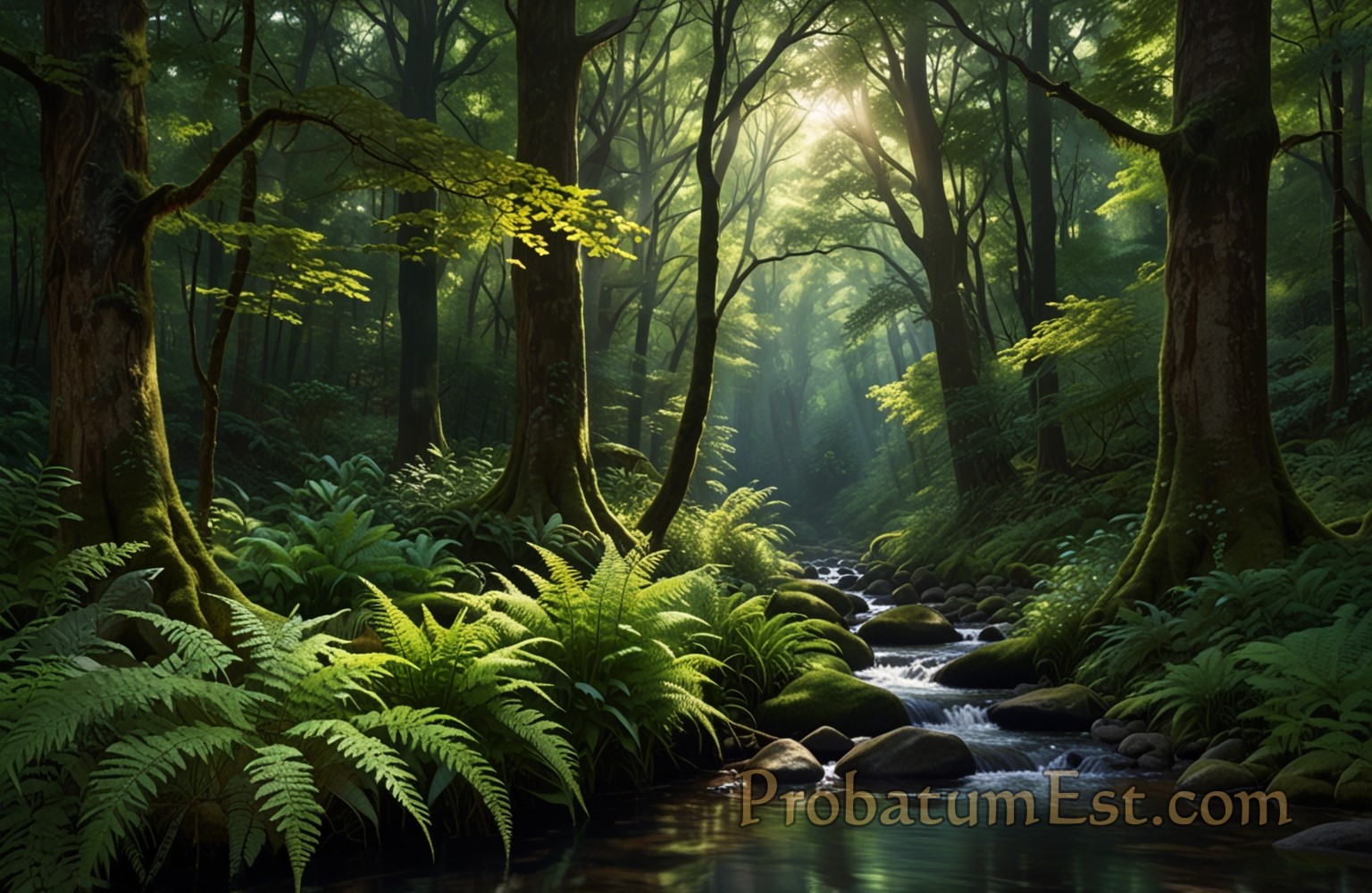
Forests
Forests are among the most vital ecosystems on our planet, covering approximately 31% of Earth’s land area. They are complex biomes that harbor a diversity of life and provide essential ecosystem services that support both natural systems and human communities. This article delves deeply into the world of forests, exploring their types, structure, ecological role,… …read more
-
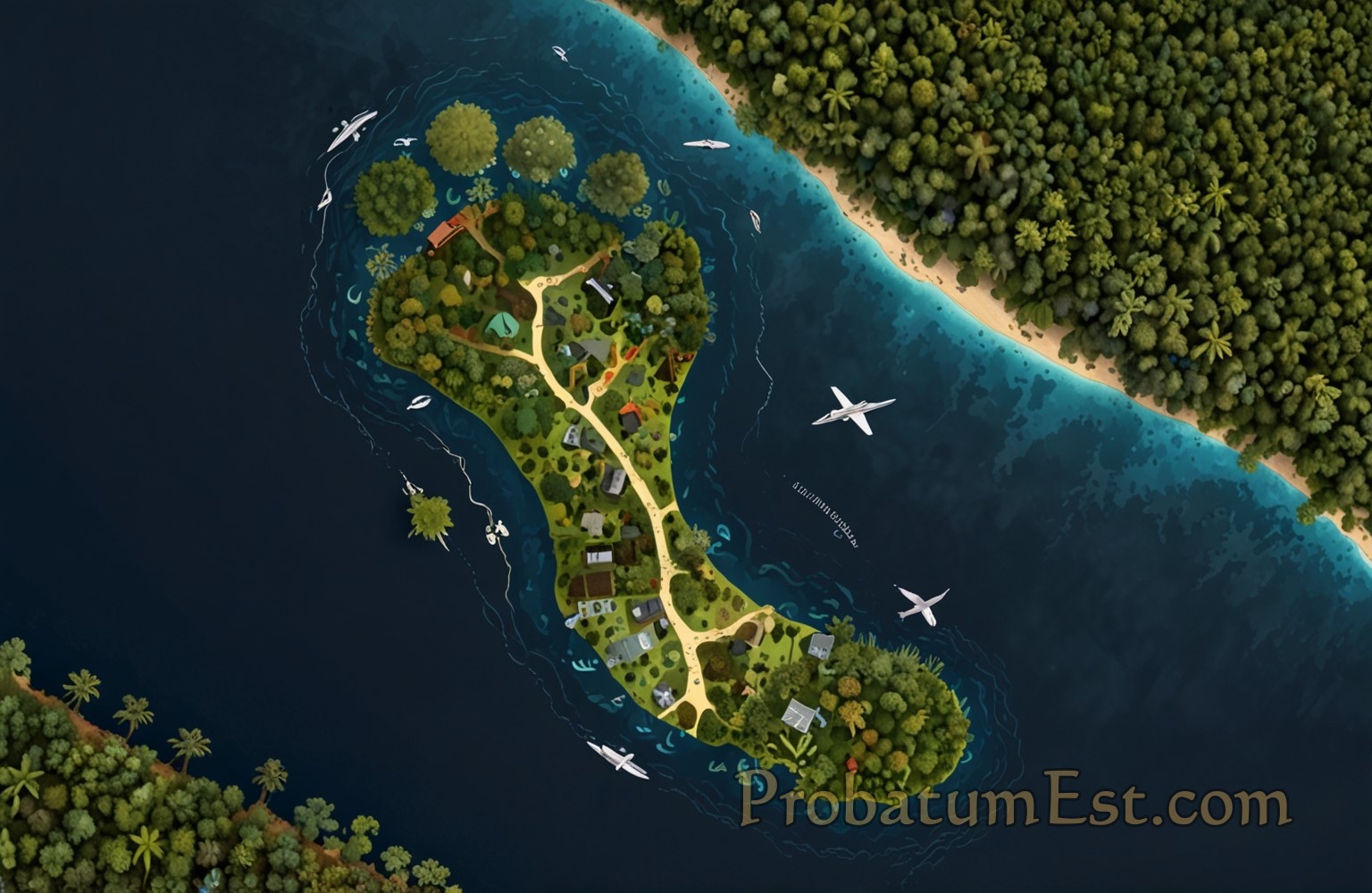
Ecological Footprint
In an era of rapid industrialization, urbanization, and global population growth, the concept of sustainable living is more critical than ever. Among the various metrics developed to assess human impact on the environment, the “Ecological Footprint” stands out as a significant indicator. This article delves deeply into the facets of the ecological footprint, exploring its… …read more
-
Polar Desert – Understanding the Stark Beauty and Ecological Significance
The term “desert” typically conjures images of sun-drenched sand dunes and scorching heat, but our planet also hosts another, equally enigmatic type of desert environment: The Polar Desert. Characterized by extreme cold, low precipitation, and desolate landscapes, polar deserts are a fascinating subject of ecological and scientific study. This article delves deeply into the characteristics,… …read more
-
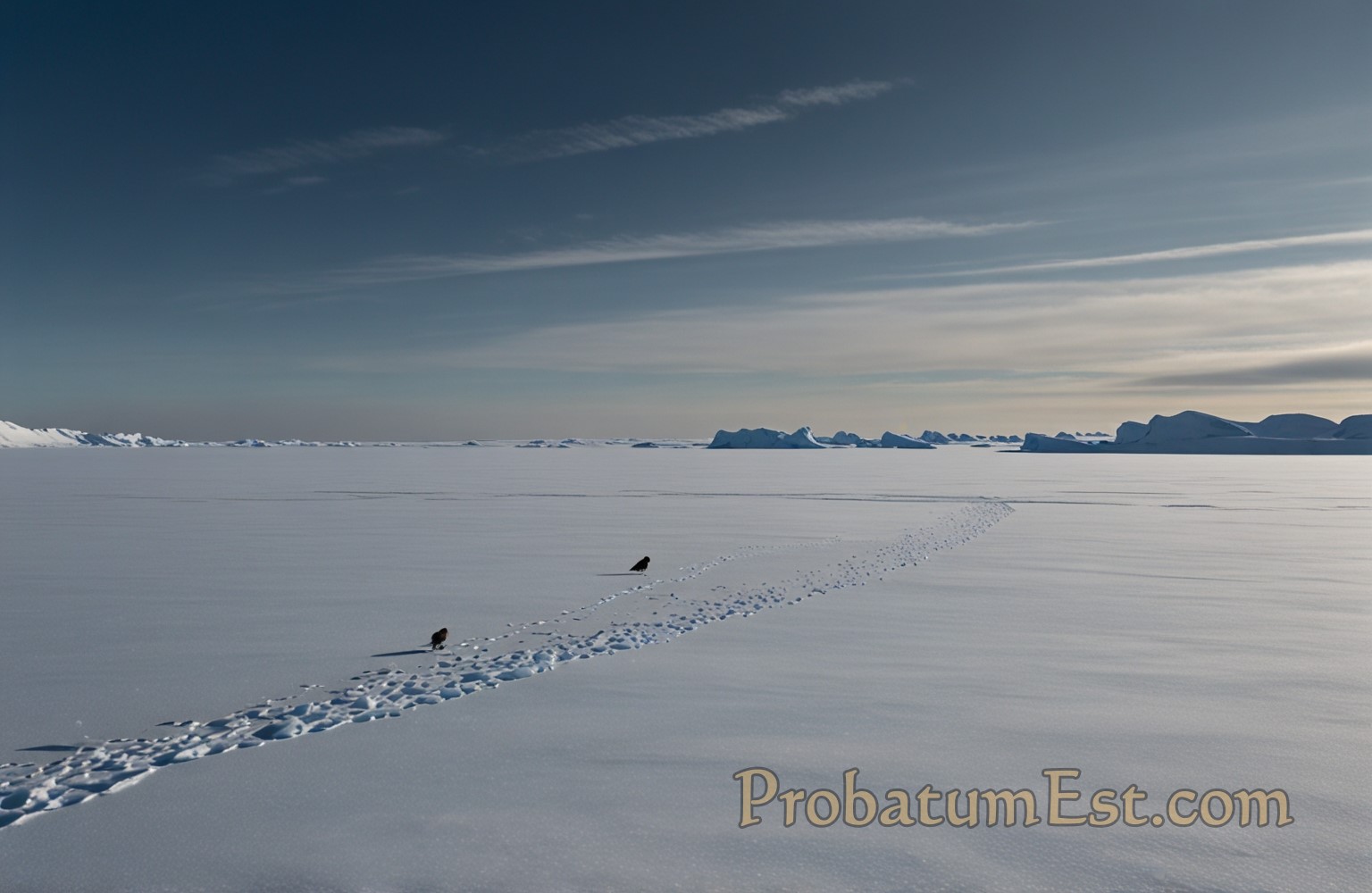
Is Antarctica a Desert?
When the word “desert” is mentioned, images of sweeping sand dunes, scorching sun, and arid landscapes typically come to mind. Conversely, Antarctica conjures visions of ice, snow, and freezing temperatures. This juxtaposition raises an intriguing question: Is Antarctica a desert? To answer this, we must delve into the criteria that define a desert and examine… …read more
-
Deserts
Deserts are among the Earth‘s most intriguing and varied biomes. These arid landscapes cover about one-third of the Earth’s surface and are characterized by their limited precipitation, extreme temperatures, and unique ecosystems. Despite their harsh conditions, deserts are teeming with life and possess a wealth of natural beauty and ecological intricacy. 1. Characteristics of Deserts… …read more