Tag: Geology
-
Terrestrial Biome – Earth’s Land Ecosystem
A Terrestrial Biome is a large ecological region on land characterized by distinct climate patterns, soil types, flora, and fauna. Unlike aquatic or marine biomes, terrestrial biomes comprise all ecosystems found on Earth’s solid surfaces, including deserts, forests, grasslands, and tundra habitats. The word “terrestrial” originates from the Latin “terra,” referring to land. Scientists and… …read more

-
Woodlands – Nature’s Tranquil Retreats and Ecosystem Powerhouses
Woodlands, sometimes referred to as open forests, are fascinating natural landscapes marked by a diverse assortment of trees, shrubs, and grasses. They share characteristics with forests and savannas but differ notably in openness, tree density, and light penetration. Woodlands form an integral part of Earth’s tapestry of biomes. 1. Defining Woodlands and Their Characteristics Woodlands… …read more
-
High Plateau Biome
A High Plateau is a broad, elevated area of land that rises significantly above the surrounding region. Unlike mountains, which typically have distinct peaks and steep slopes, plateaus tend to be relatively flat or gently rolling across their summits. Due to their considerable elevation, high plateaus often have unique climatic, biological, and geological characteristics that… …read more
-
Deciduous Forests – Nature’s Colorful Canvas
Deciduous Forests are among the world’s most distinctive and captivating terrestrial ecosystems. They are characterized by trees that shed their leaves once a year, creating a dramatic seasonal cycle of growth and decline. This article delves deeply into the characteristics, structure, distribution, flora, fauna, and human impacts related to deciduous forests. 1. Definition and General… …read more
-
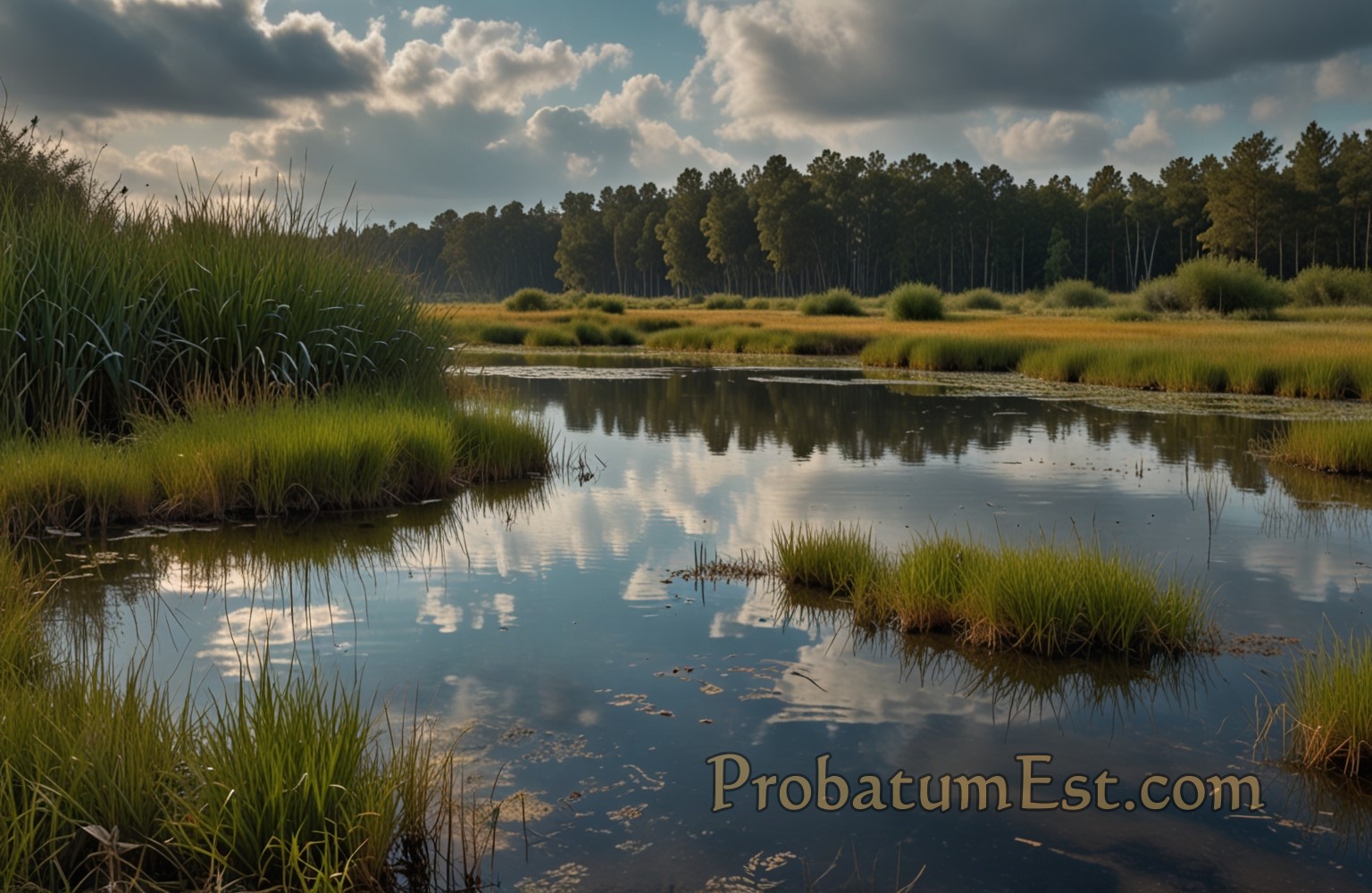
Wetlands – Environmental Guardians of Our Earth
Wetlands are vital natural environments characterized by waterlogged soils or standing water for at least part of the year. They serve as transitional zones between terrestrial and aquatic habitats and support an extraordinary diversity of plants and animals. Below is an in-depth exploration of the defining features of wetlands, their types, ecological functions, key benefits,… …read more
-
Wildlife – Understanding Our Co-Inhabitants
Wildlife encompasses a vast array of living creatures that inhabit our planet alongside humans. From majestic elephants roaming savannas to microscopic organisms thriving in forest soils, the term “wildlife” includes all non-domesticated species that exist in nature. As our co-inhabitants, these animals, plants, fungi, and other life forms shape ecosystems in essential ways. Exploring the… …read more
-
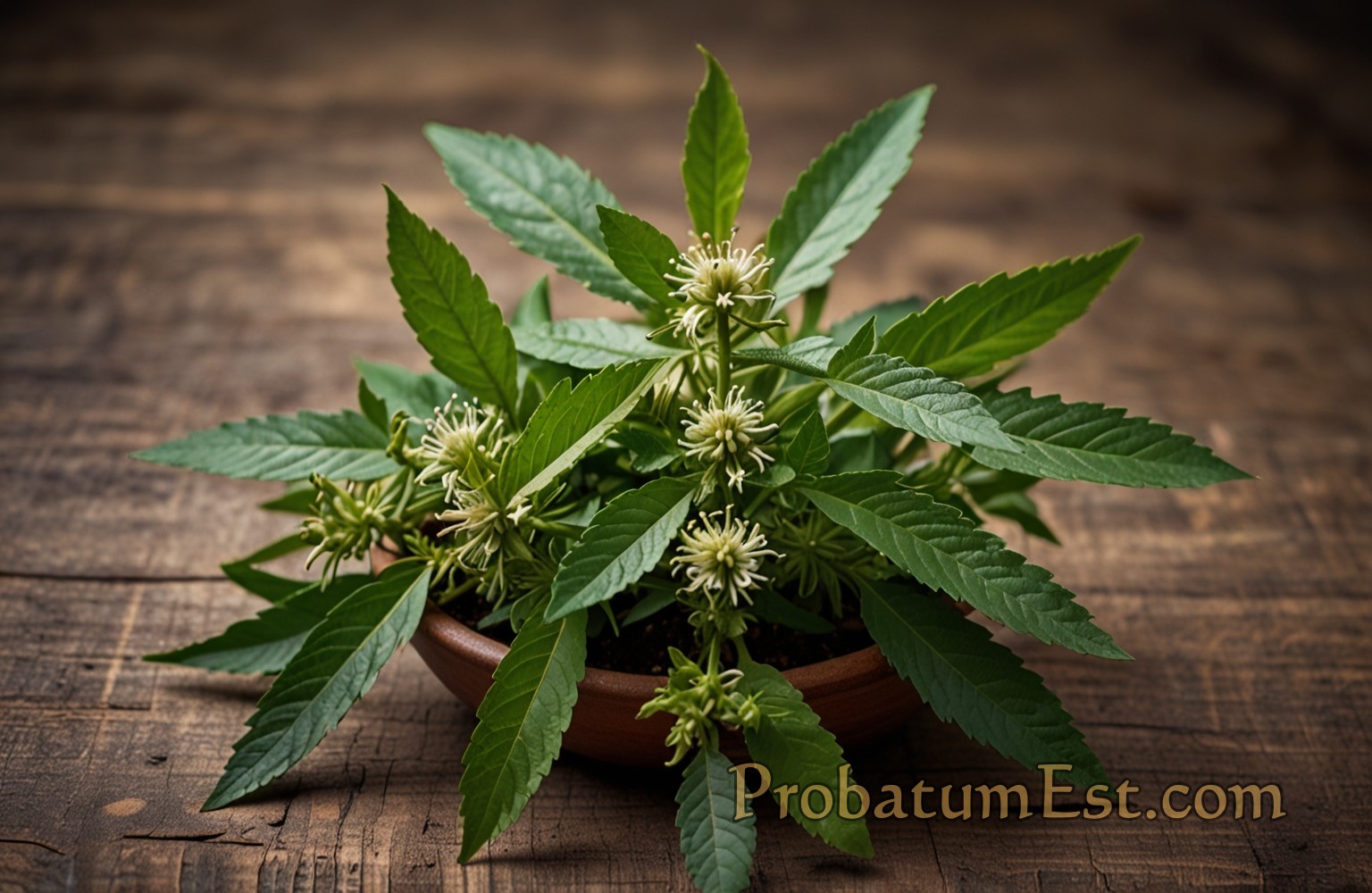
Medicinal Plants
Medicinal Plants have been used for centuries as a primary source of healing and treatment across various cultures. From a biological perspective, they are organisms that produce a range of bioactive compounds with therapeutic properties. Their study encompasses a broad spectrum of disciplines, including botany (with Medicinal Botany as a sub-branch), phytochemistry, pharmacology, and ecology.… …read more
-
Medicinal Botany
Medicinal Botany is the study of plants with therapeutic properties, emphasizing the identification, characterization, and utilization of botanical species for health and healing. It lies at the intersection of traditional herbal practices, pharmacology, and modern scientific research, seeking to deepen our understanding of how plant-derived compounds can be harnessed to prevent and treat a broad… …read more
-
Physical Science
Physical Science represents one of the fundamental branches of natural science. It principally focuses on the study of non-living systems, as opposed to life sciences, which are concerned with living systems. Physical science encompasses a broad array of fields, including physics, chemistry, astronomy, and earth sciences. These disciplines seek to understand the nature and properties… …read more
-
United Nations Sustainable Development Goals
The Sustainable Development Goals (SDGs) established by the United Nations represent a universal call to action to end poverty, protect the planet, and ensure prosperity for all by 2030. Adopted in September 2015 at a historic UN Summit, the 17 goals are part of the wider 2030 Agenda for Sustainable Development, which includes 169 associated… …read more