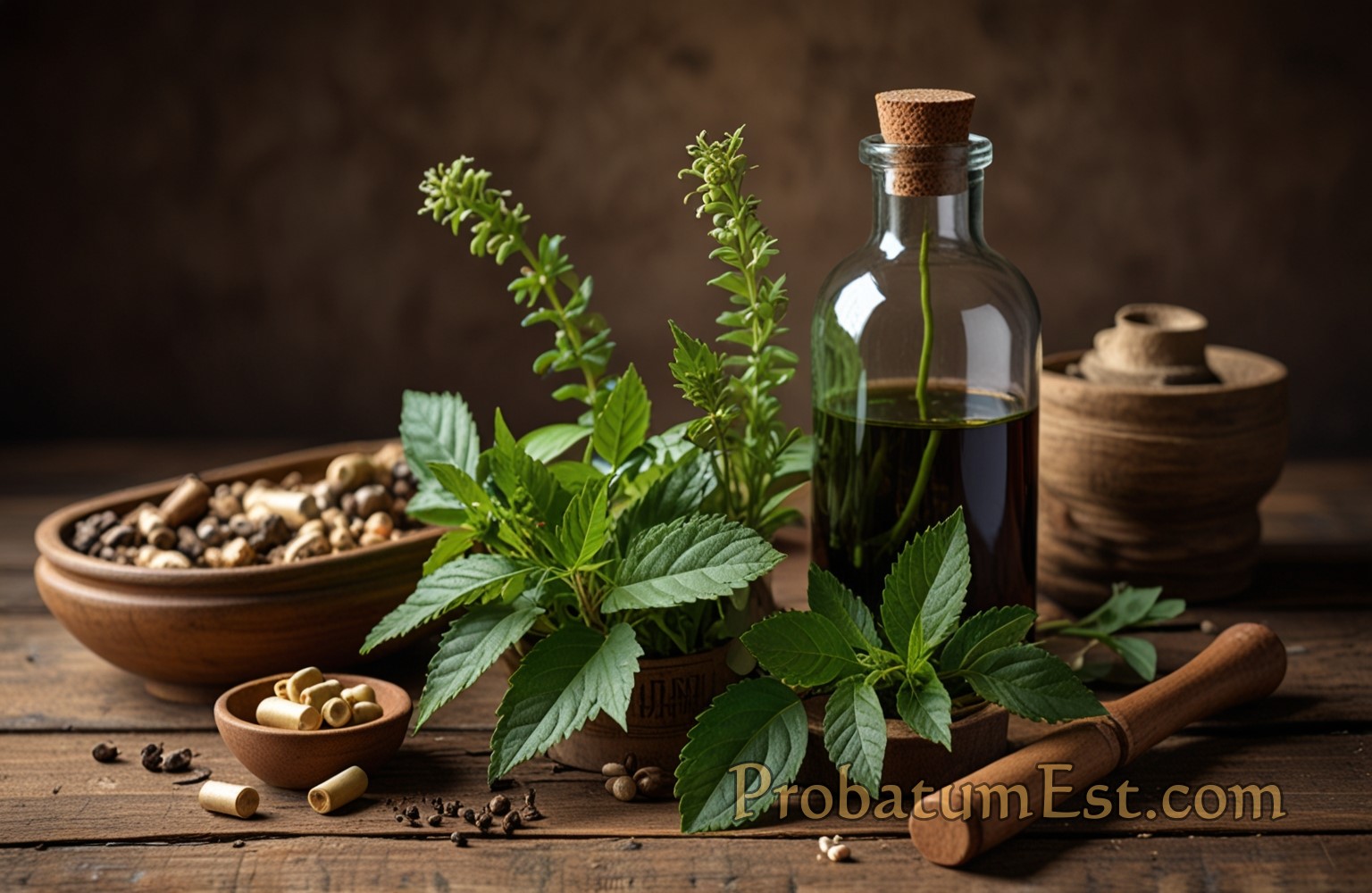
Medicinal Botany is the study of plants with therapeutic properties, emphasizing the identification, characterization, and utilization of botanical species for health and healing. It lies at the intersection of traditional herbal practices, pharmacology, and modern scientific research, seeking to deepen our understanding of how plant-derived compounds can be harnessed to prevent and treat a broad spectrum of health conditions. This article explores the many facets of medicinal botany, including its history, scientific foundations, cultivation methods, pharmacological aspects, and ethical considerations.
1) Historical Foundations
- Early records and ethnobotanical roots: Since ancient times, civilizations worldwide have turned to plants as a primary source of medicines. Historical writings such as the Ebers Papyrus (Egypt) and texts from ancient China and India detail numerous herbal formulations used for everything from supporting digestion to helping with wound healing. These records highlight that botanical knowledge has long been integral in shaping entire medical systems.
- Cultural transmission and ethno-pharmacological knowledge: Indigenous communities around the globe developed sophisticated herbal traditions passed down through oral history, folklore, and apprenticeship. These traditions often incorporate complex preparations, like decoctions, tinctures, and poultices, which optimize a plant’s healing properties. As modern science increasingly collaborates with keepers of traditional knowledge, there is a renewed appreciation for the depth of expertise these communities possess.
2) Classification of Medicinal Plants
- Culinary herbs with medicinal value: Many plants commonly used in the kitchen (e.g., rosemary, thyme, ginger) have recognized health benefits. The essential oils within these herbs can exhibit antioxidant or soothing properties. Their dual function as both flavoring agents and medicinal aids showcases the close link between nutrition and therapeutic benefit.
- Specialty botanicals: A wide range of plants — such as ginseng, valerian, and hawthorn — are prized in various regions for unique healing qualities. These specialties are often introduced into integrative medicine practices, studied for their potential to support the cardiovascular, nervous, and digestive systems.
- Commercially cultivated species: Medicinal plant industries rely on high-demand species like chamomile, peppermint, and aloe vera, grown on a large scale for pharmaceutical, cosmetic, and nutraceutical products.
3) Bioactive Compounds in Medicinal Plants
- Secondary metabolites: Plants produce an array of chemical compounds, broadly described as secondary metabolites, which serve functions such as defense against herbivores or structural support. Among these compounds, alkaloids, flavonoids, glycosides, tannins, and terpenoids are of particular interest to medicinal botany. Researchers isolate and study these substances to determine their physiological impacts on the human body.
- Examples of notable compounds:
- Alkaloids (e.g., morphine, caffeine) are known for their potent effects on the body, either as pain relievers, stimulants, or muscle relaxers.
- Flavonoids (e.g., quercetin) are recognized for their antioxidant properties, contributing to formulations that aim to support cellular health.
- Glycosides (e.g., cardiac glycosides from foxglove) can be used under strict medical supervision for specific heart conditions.
- Complexity and synergy: Whole-plant preparations often contain multiple active components, which can act synergistically. This complexity can make standardization challenging but highlights potential benefits of using certain plants in combination with other therapies.
4) Techniques in Research and Development
- Extraction and isolation: Scientists employ solvent extraction, distillation, chromatography, and other techniques to isolate bioactive constituents from plant material. These refined extracts may undergo further processing to create standardized herbal products.
- Advanced analytical methods: Tools like mass spectrometry, nuclear magnetic resonance spectroscopy (NMR), and high-performance liquid chromatography (HPLC) help researchers identify intricate chemical structures and quantitatively evaluate the purity of botanical extracts.
- Preclinical and clinical studies: Before a botanical extract is accepted for general medical use, it typically undergoes a series of investigations in vitro (in the lab), in vivo (with animal models), and finally in human clinical trials. These multi-phase processes aim to confirm safety, effectiveness, dosage parameters, and mechanisms of action.
5) Cultivation and Sustainable Use
- Agricultural considerations: The effective cultivation of medicinal plants integrates proper soil management, irrigation, pest control, and harvesting methods that preserve essential active ingredients. Even the time of day and stage of growth can influence a plant’s chemical profile.
- Conservation of biodiversity: Botanists and agricultural experts recognize the importance of preserving both abundant and threatened medicinal species. Overharvesting and habitat loss can threaten valuable genetic resources, pushing researchers to develop sustainable wild-crafting practices or to domesticate certain high-value species.
- Good Agricultural and Collection Practices (GACP): By adhering to standardized guidelines, cultivators and harvesters ensure the consistency, quality, and traceability of plant materials destined for the global herbal market.
6) Integrative Applications and Therapeutic Uses
- Complementary therapies: Medicinal plants are frequently employed alongside conventional medical treatments to bolster overall wellness. Examples include the use of St. John’s wort for mood support or chamomile for relaxation. In professional settings, herbal remedies are integrated into treatment plans with careful consideration to avoid negative interactions with pharmaceutical drugs.
- Modern herbalism: Professionals in herbal medicine may become certified or licensed, depending on regional regulations, to consult with patients about plant-based therapies. Such practitioners often recommend personalized treatments and formulations, combining one or more herbs to address specific health goals.
7) Quality Control and Regulatory Frameworks
- Standardization: Ensuring consistent concentrations of key active compounds is crucial particularly when using botanical products in clinical settings. Standardization includes certifying that each batch of an herbal extract meets established benchmarks for purity and potency.
- Safety assessments: Regulatory bodies and research institutions work toward assessing the short- and long-term safety of plant-derived products. Potential adverse reactions, contraindications, and cumulative effects must be documented to protect end-users.
- Governing agencies: Depending on the country, regulatory bodies like the U.S. Food and Drug Administration (FDA) or the European Medicines Agency (EMA) provide oversight. Manufacturers may be required to comply with labeling regulations and good manufacturing practices (GMP) specific to botanical products.
8) Role of Technology in Advancing Medicinal Botany
- Genomics and metabolomics: Advances in molecular biology and bioinformatics allow researchers to map the genetic composition of medicinal plants, pinpointing genes responsible for key metabolic pathways. Metabolomics methodologies further clarify the roles of various compounds in therapeutic action.
- Biotechnology-assisted breeding: Developments in tissue culture and plant biotechnology enable the propagation of rare or valuable species on a large scale. With these methods, researchers can cultivate plants free from contaminants, produce consistent growth rates, and occasionally enhance specific chemical profiles of interest.
9) Ethical and Societal Considerations
- Intellectual property rights and benefit-sharing: Indigenous communities have often safeguarded crucial medicinal plant knowledge. Ethical frameworks promote fair collaboration and benefit-sharing when commercial entities build upon local or tribal expertise.
- Public awareness and education: As the popularity of herbal remedies grows, consumers frequently seek reliable information on efficacy, safety, and correct usage. Educational programs, publications, and healthcare provider engagement foster informed decision-making about botanical products.
10) Potential Future Directions
- Novel drug discovery: The intricate chemistry of plants continues to provide promising leads for the development of new treatments. From pain management to metabolic support, medicinal botany offers innumerable avenues for pharmaceutical research.
- Interdisciplinary collaborations: Teams composed of botanists, chemists, clinicians, and other experts are pushing the boundaries of knowledge. Such alliances foster evidence-based research that is scientifically rigorous and rooted in cultural context.
- Increasing acceptance in mainstream healthcare: Interest in integrative medicine highlights the value of including botanical therapies. As concerns over antibiotic resistance and the need for personalized health solutions rise, plant-based options may become even more prominent in global healthcare settings.
Conclusion
Medicinal botany remains a dynamic, ever-expanding field — one that bridges ancient practices, cutting-edge science, and the enduring human quest for health and well-being. By focusing on the study of bioactive plant components, sustainable cultivation methods, rigorous safety evaluations, and ethical collaboration with diverse knowledge holders, researchers and healthcare professionals continue to shine new light on the profound therapeutic potential of Earth’s flora. Through responsible stewardship and ongoing investigation, medicinal plants are poised to remain vital allies in human healthcare for generations to come.




Leave a Reply