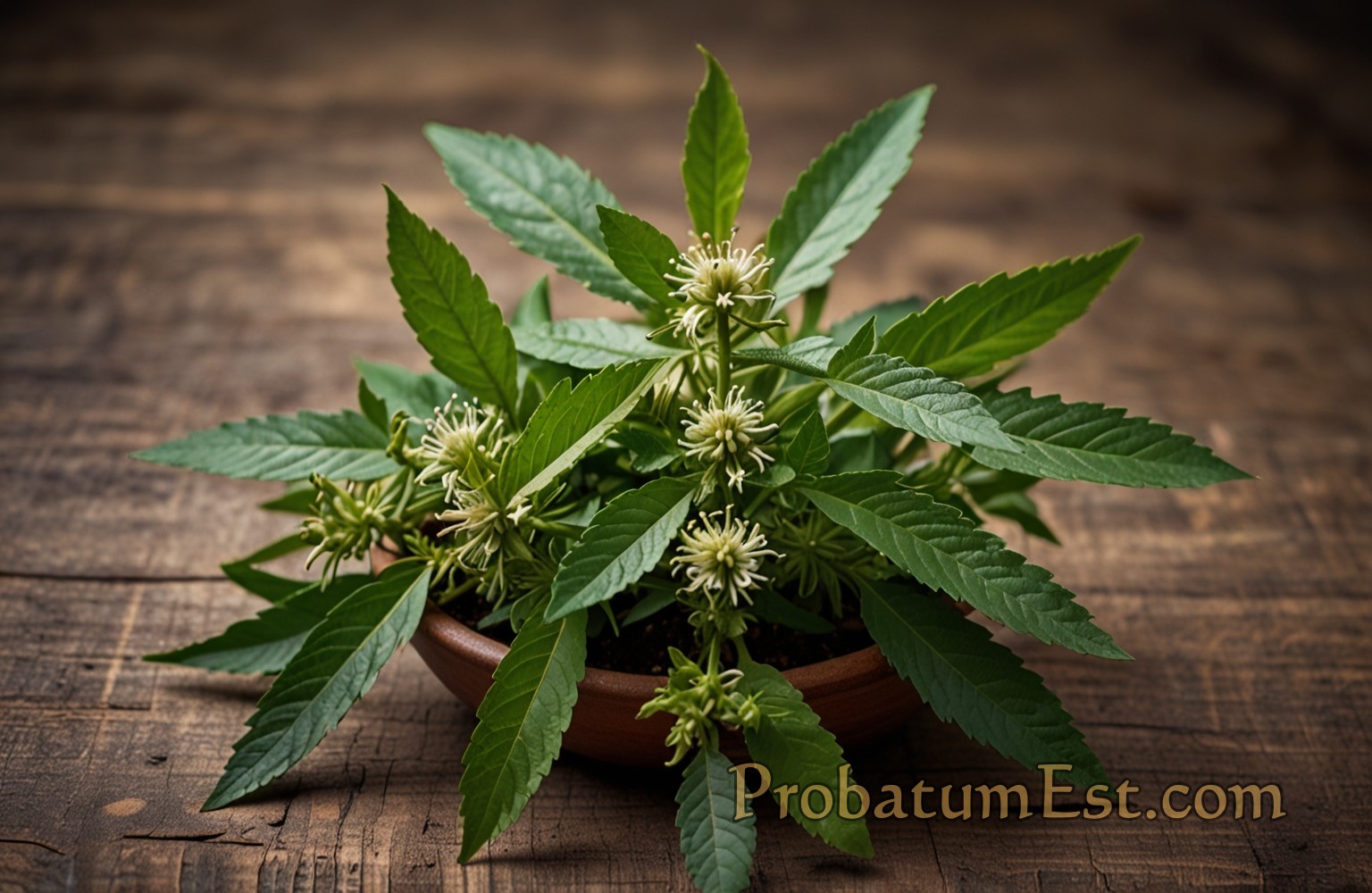
Medicinal Plants have been used for centuries as a primary source of healing and treatment across various cultures. From a biological perspective, they are organisms that produce a range of bioactive compounds with therapeutic properties. Their study encompasses a broad spectrum of disciplines, including botany (with Medicinal Botany as a sub-branch), phytochemistry, pharmacology, and ecology. This article delves into a comprehensive examination of medicinal plants, discussing their historical significance, classification, chemical constituents, cultivation, harvesting, methods of preparation, applications, and safety considerations.
Historical Significance
For millennia, humans have relied on medicinal plants to manage health conditions, alleviate pain, and maintain overall well-being. Ancient texts and oral traditions attest to the deep understanding that early societies had regarding these plants’ healing potential. Traditional knowledge systems, such as Ayurveda and Traditional Chinese Medicine, are founded heavily on the therapeutic properties of botanical resources.
Classification of Medicinal Plants
Medicinal plants can be classified based on their growth habits, taxonomic groupings, or chemical constituents. Below is a broad classification according to growth form:
- Herbs: Typically small, non-woody plants with a relatively short life cycle. Common examples include basil and mint.
- Shrubs: Woody plants of medium height, often used for their leaves, berries, or bark. Examples include rosemary and lavender.
- Trees: Large woody plants that can offer medicinal bark, leaves, fruits, seeds, or sap. Notable species include neem and willow.
- Climbers: Plants that use physical support from other structures to grow. Examples include black pepper and certain species of vines.
Chemical Constituents
The therapeutic potential of medicinal plants largely depends on the chemical substances they produce. These include:
- Alkaloids: Contain nitrogen atoms; often possess potent physiological effects (e.g., morphine from the opium poppy).
- Terpenoids: Responsible for many plants’ characteristics scents and flavors; some exhibit anti-inflammatory properties.
- Phenolics: Include molecules like flavonoids and tannins; known for antioxidant and antimicrobial activities.
- Saponins: Produce foam when shaken; can influence cholesterol metabolism and immune function.
- Glycosides: Comprise sugar and non-sugar parts; often noted for effects on the cardiovascular system (e.g., digoxin from foxglove).
Cultivation and Harvesting
Quality and potency of medicinal plants depend significantly on proper cultivation and harvesting methods:
- Soil Selection: Nutrient-rich, well-draining soils help optimize the production of bioactive compounds.
- Propagation Techniques: Common methods include seeds, cuttings, layering, and sometimes tissue culture.
- Irrigation and Fertilization: Adequate water supply and use of organic compost support healthy growth.
- Harvesting Timing: Leaves, roots, bark, flowers, or seeds often have specific times to ensure maximum medicinal value.
- Post-Harvest Treatment: Drying, storage, and minimal processing maintain the chemical integrity of the plant material.
Extraction and Preparation Methods
The bioactive compounds in medicinal plants can be isolated or concentrated using various techniques:
- Infusion: Steeping plant material in hot water to extract water-soluble compounds (commonly used for teas).
- Decoction: Boiling tougher plant parts such as roots and bark for longer durations to release active constituents.
- Tincture: Soaking plant material in alcohol or vinegar to extract potent substances.
- Steam Distillation: Capturing essential oils through vaporization and condensation of plant materials.
- Cold-Pressing: Applying mechanical pressure without heat, typically used to obtain oils from seeds and fruits.
Modern Applications of Medicinal Plants
Medicinal plants play numerous roles in contemporary biology and medicine:
- Pharmaceutical Synthesis: Many modern drugs originate from plant-derived compounds, serving as models for new synthetic drugs.
- Nutraceutical Products: Supplements and functional foods often harness the genetic and biochemical diversity of medicinal plants.
- Herbal Cosmetics: Plant-based extracts are frequently used in creams and lotions due to their soothing and nourishing properties.
- Aromatherapy: Essential oils derived from medicinal plants are used to promote relaxation and psychological well-being.
Safety and Regulatory Aspects
Although medicinal plants are revered for their healing benefits, responsible use is vital:
- Quality Control: Standardized measurements and stringent testing ensure consistency in efficacy and purity.
- Potential Toxicity: Certain plants or compounds can have harmful effects if consumed improperly or in excessive amounts.
- Drug Interactions: Some plant-based products can alter or enhance the effects of prescription and over-the-counter medications.
- Regulatory Frameworks: Many countries have established guidelines for the safe cultivation, labeling, and marketing of medicinal plants.
Conclusion
From their historical roots to their present-day relevance, medicinal plants exemplify nature’s vast capacity to offer healing solutions. Through cultivation, extraction, and the application of scientific knowledge, these botanical resources continue to shape fields such as pharmacology and industry, standing as a testament to the collaboration between biology and human well-being.


Leave a Reply