Tag: Gravity
-
What Is Astronomy?
What is Astronomy? Astronomy is the scientific study of celestial objects, space, and the physical universe as a whole. Derived from the Greek words “astron,” meaning star, and “nomos,” meaning law, astronomy seeks to understand the cosmos on both macro and micro scales — from the expansive sweep of galaxies to the intricate details of… …read more

-
Planets
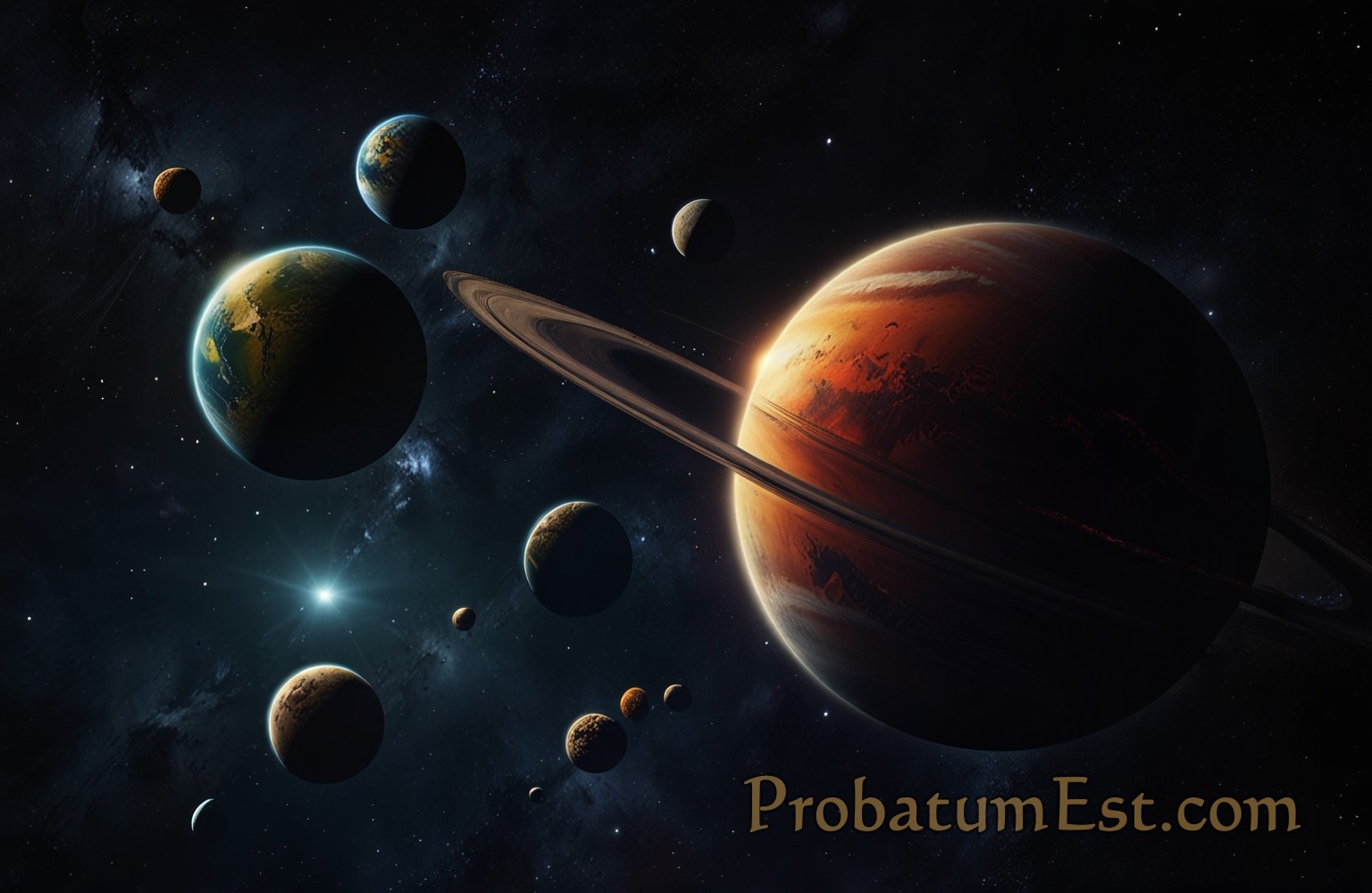
From the skies of ancient Greece to the high-tech telescopes of the modern world, humanity has shared an enduring fascination with the celestial bodies scattered throughout the cosmos, known to us as the planets. Astronomy, the science dedicated to studying celestial objects in the cosmos beyond the Earth‘s atmosphere, has evolved exponentially. With this evolution… …read more
-
Geographical Zones of the Earth
Earth, our shared home, is a complex and dynamic system divided into various geographical zones. These zones, primarily categorized by latitude, topography, climate, and ecological characteristics, play an essential role in shaping the planet’s biodiversity, weather patterns, and human activities. Understanding these geographical divisions provides insights into the diverse ecological systems and human cultures across… …read more
-
Climatic Zones of the Earth
The Earth’s diverse climate is a tapestry woven from a myriad of factors including latitude, altitude, and geography, creating a mosaic of climatic zones. These zones dictate the environment and significantly influence the flora, fauna, and human activities in each region. Understanding these climatic zones is crucial for comprehending the broader dynamics of Earth’s ecosystems,… …read more
-
Earth
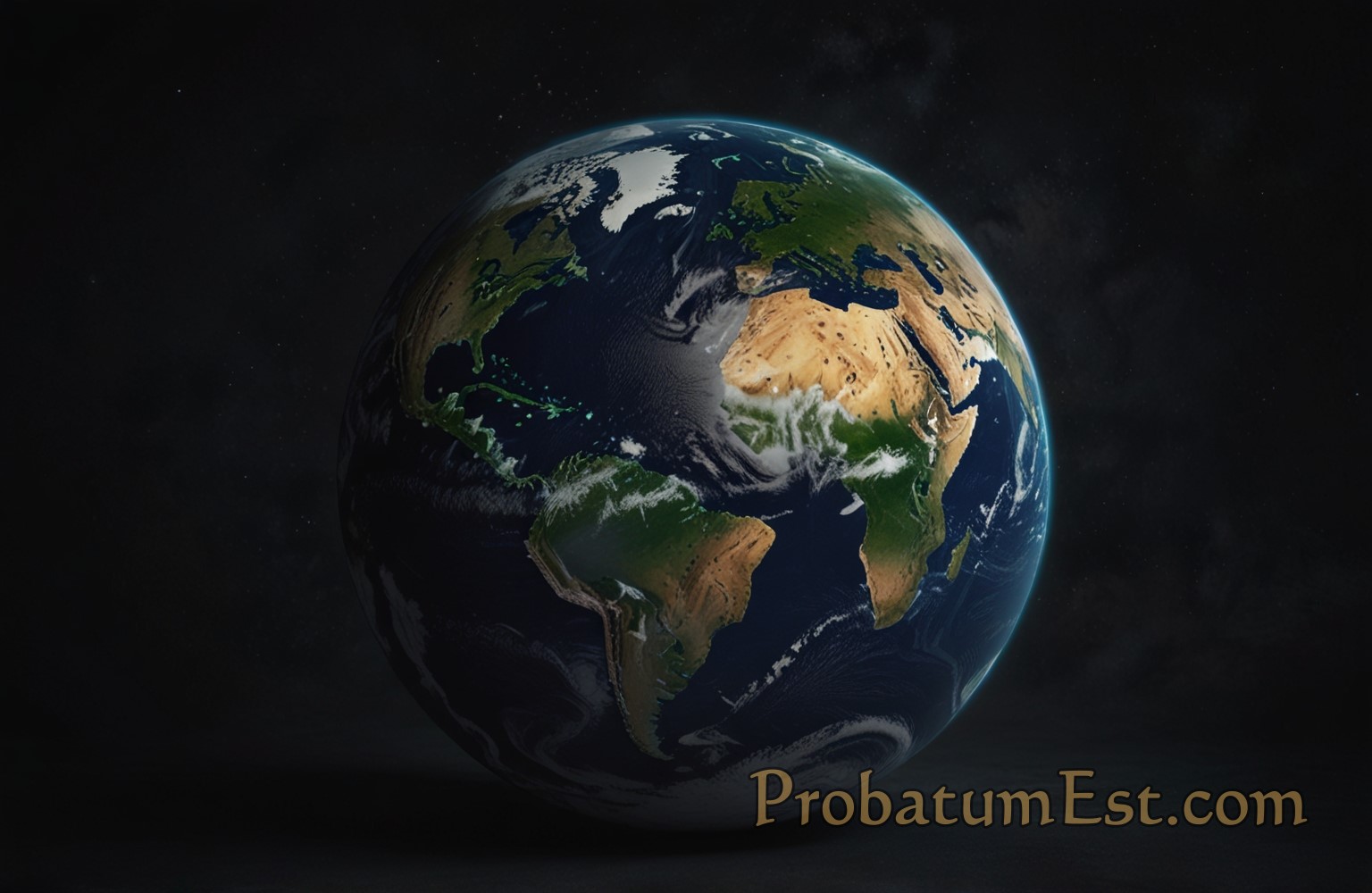
Earth, the third planet from the Sun, holds a unique position in the Solar System as the only known astronomical object to support life. It is often referred to as the “Blue Planet” due to its abundant water bodies. With an intricate blend of geological processes, atmospheric conditions, and biological diversity, Earth offers a remarkable… …read more
-
The Sun
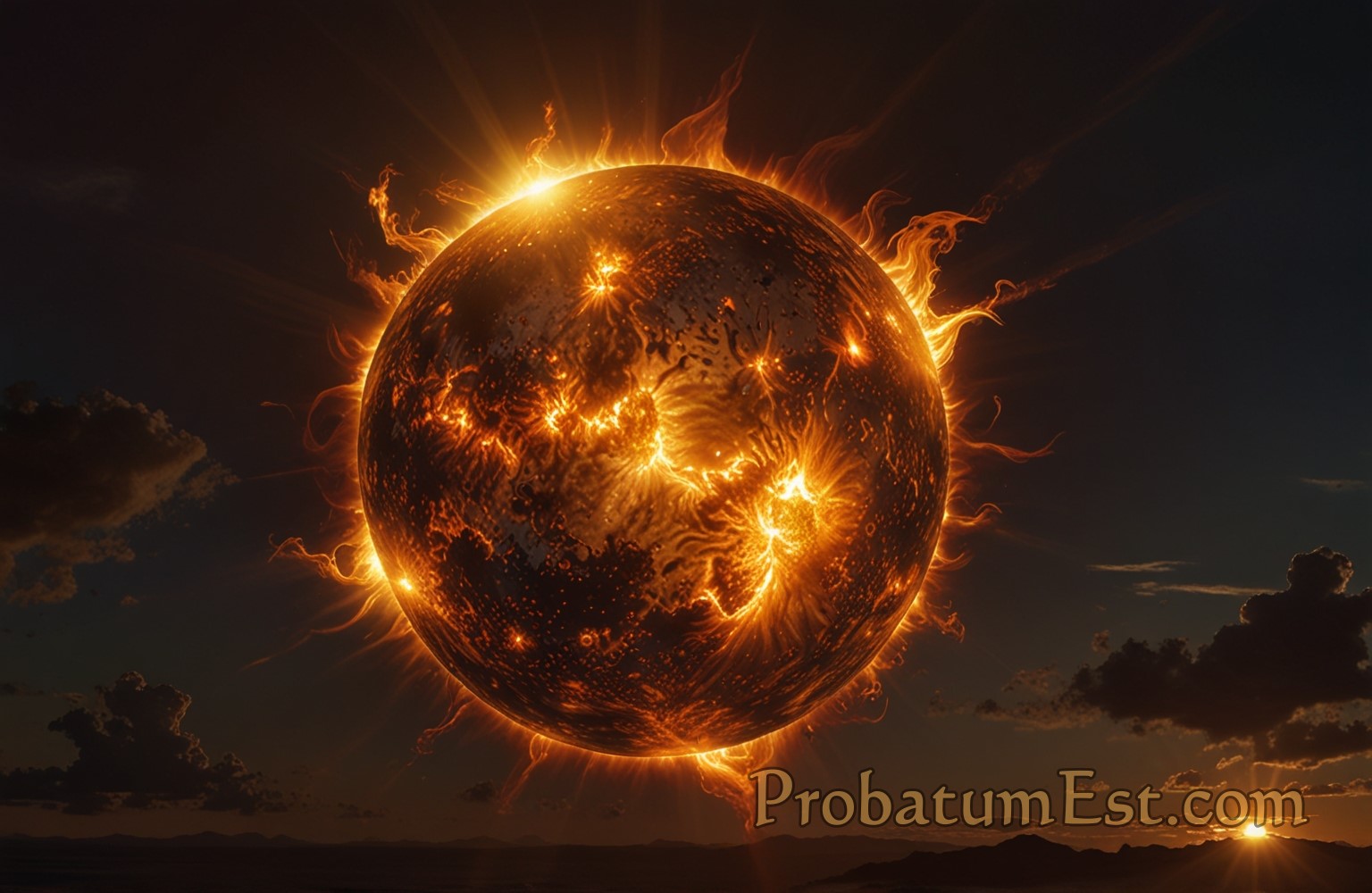
The Sun, a brilliantly luminous sphere of hot plasma, is the star at the center of our solar system. Providing the Earth with the necessary heat and light to sustain life, the Sun is a constant presence in our sky — a cosmic anchor around which everything in the solar system revolves. To truly appreciate… …read more
-
Solar System
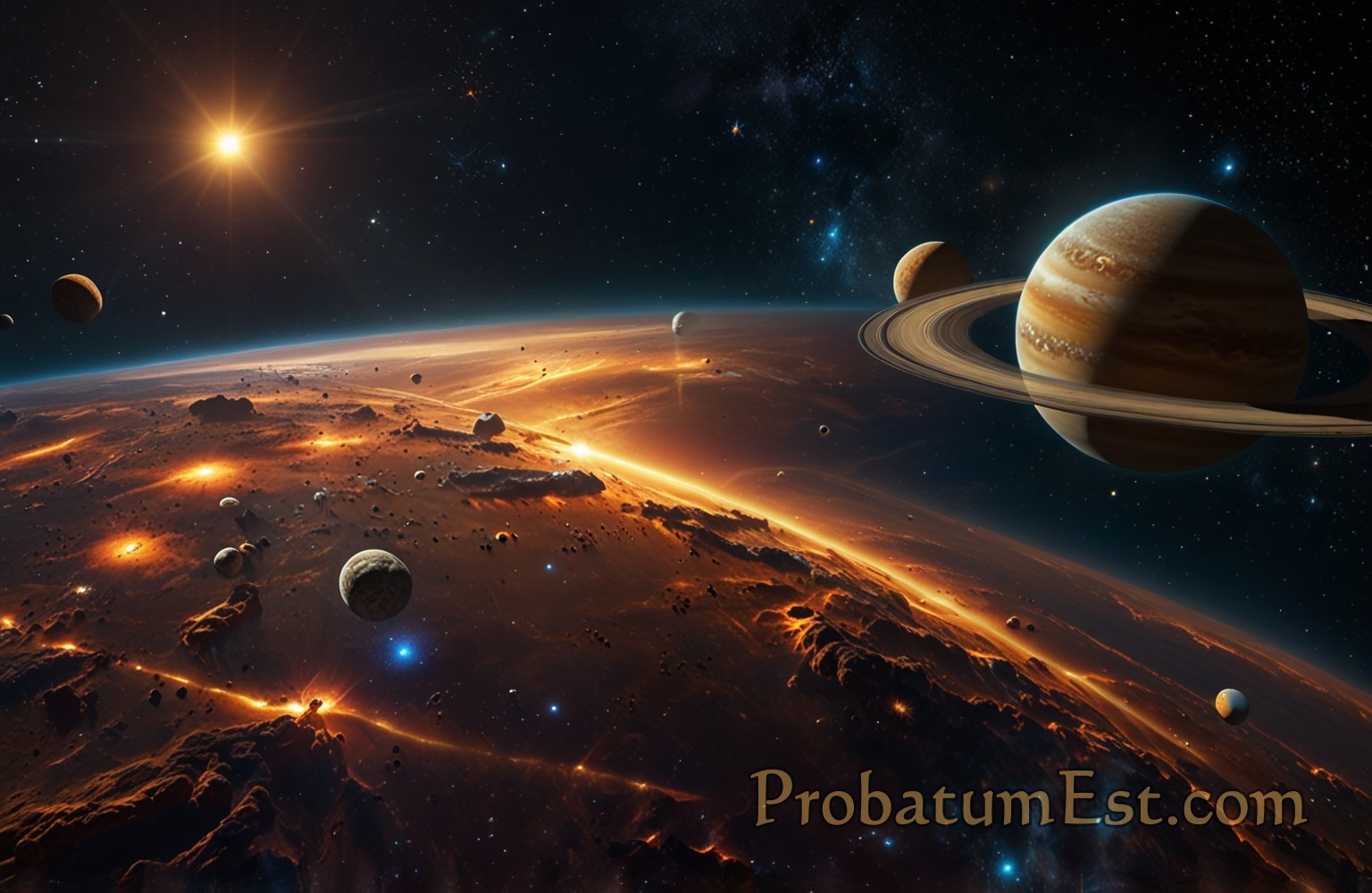
The solar system is a fascinating cosmic structure that has captivated human imagination for millennia. Situated in one of the Milky Way’s spiral arms, it is home to our planet Earth, providing a grand stage for the dance of celestial bodies. The solar system consists of the Sun, eight major planets, their moons, dwarf planets,… …read more
-
Milky Way Galaxy
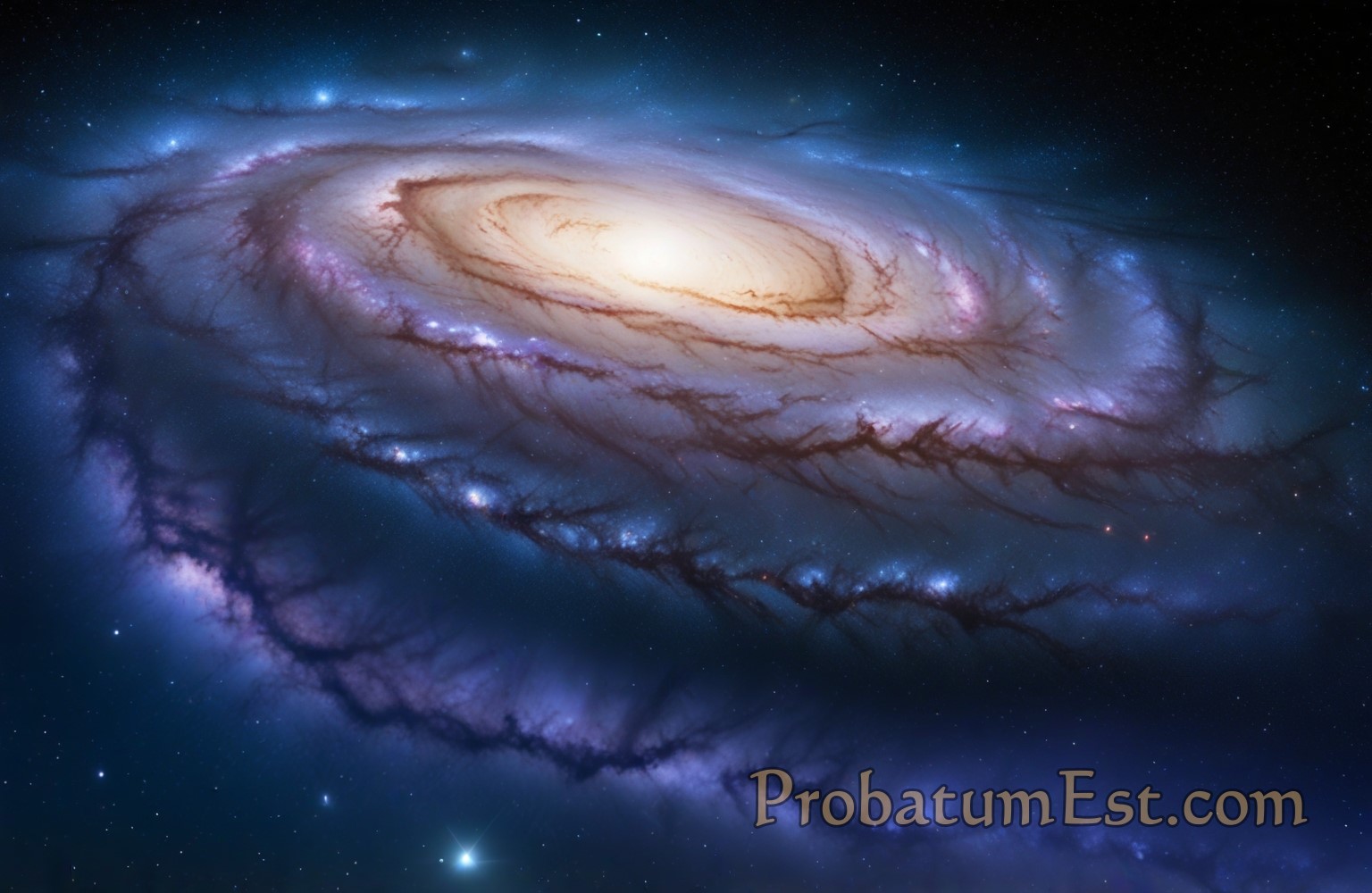
The Milky Way Galaxy, our celestial home, is a sprawling spiral galaxy filled with stars, stellar remnants, interstellar gas, and dust. This vast city of stars is a part of a grander universe that consists of billions of similar galaxies. The exploration of the Milky Way not only enlightens us about our place in the… …read more
-
Galaxies
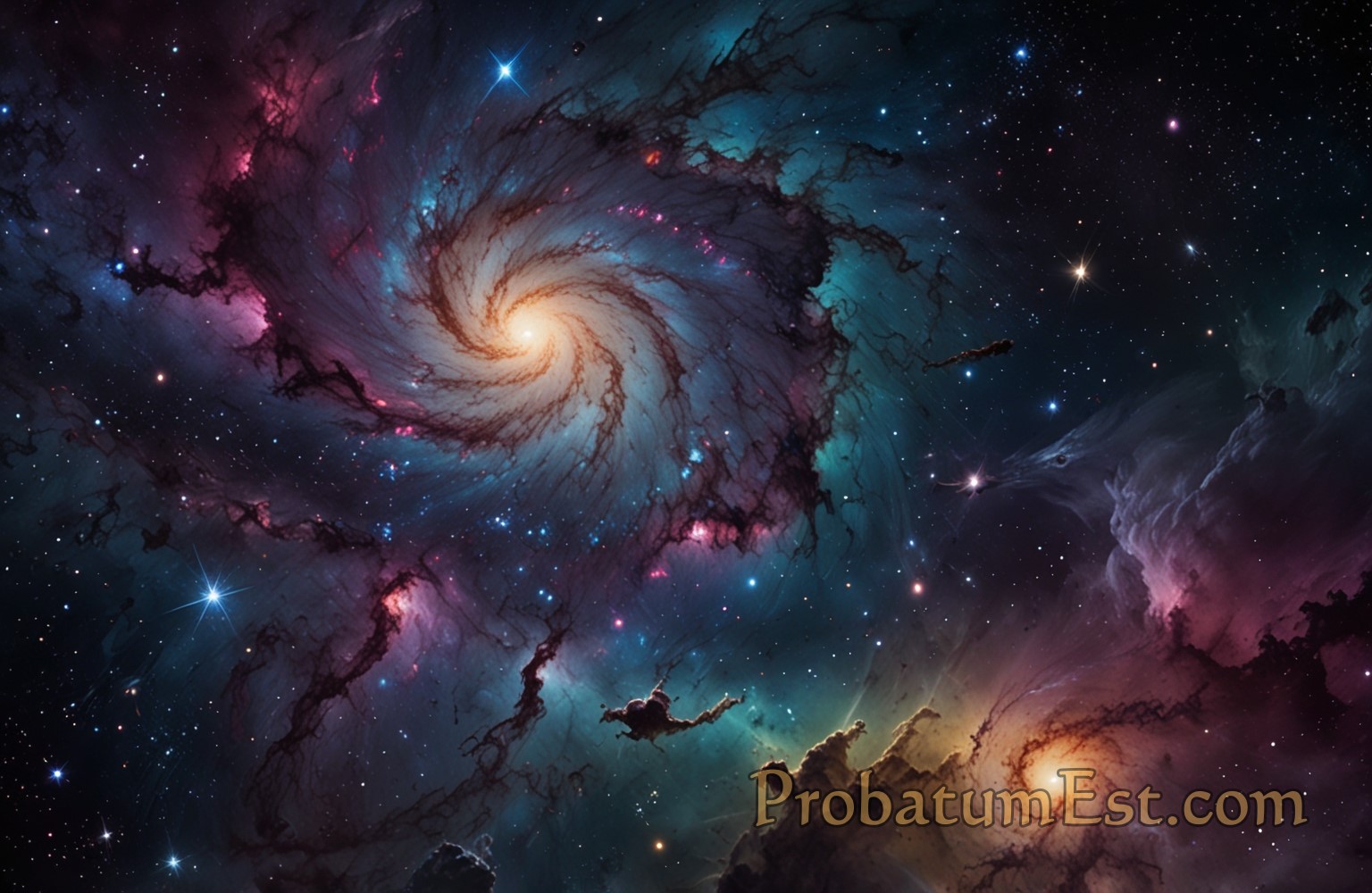
Galaxies, sprawling systems of stars, gas, dust, and dark matter, form the fundamental building blocks of the Universe. They are not only grand in scale, with many spanning thousands to hundreds of thousands of light-years, but they are also critical to understanding the overall structure of the cosmos and the processes that drive cosmic evolution.… …read more
-
The Universe
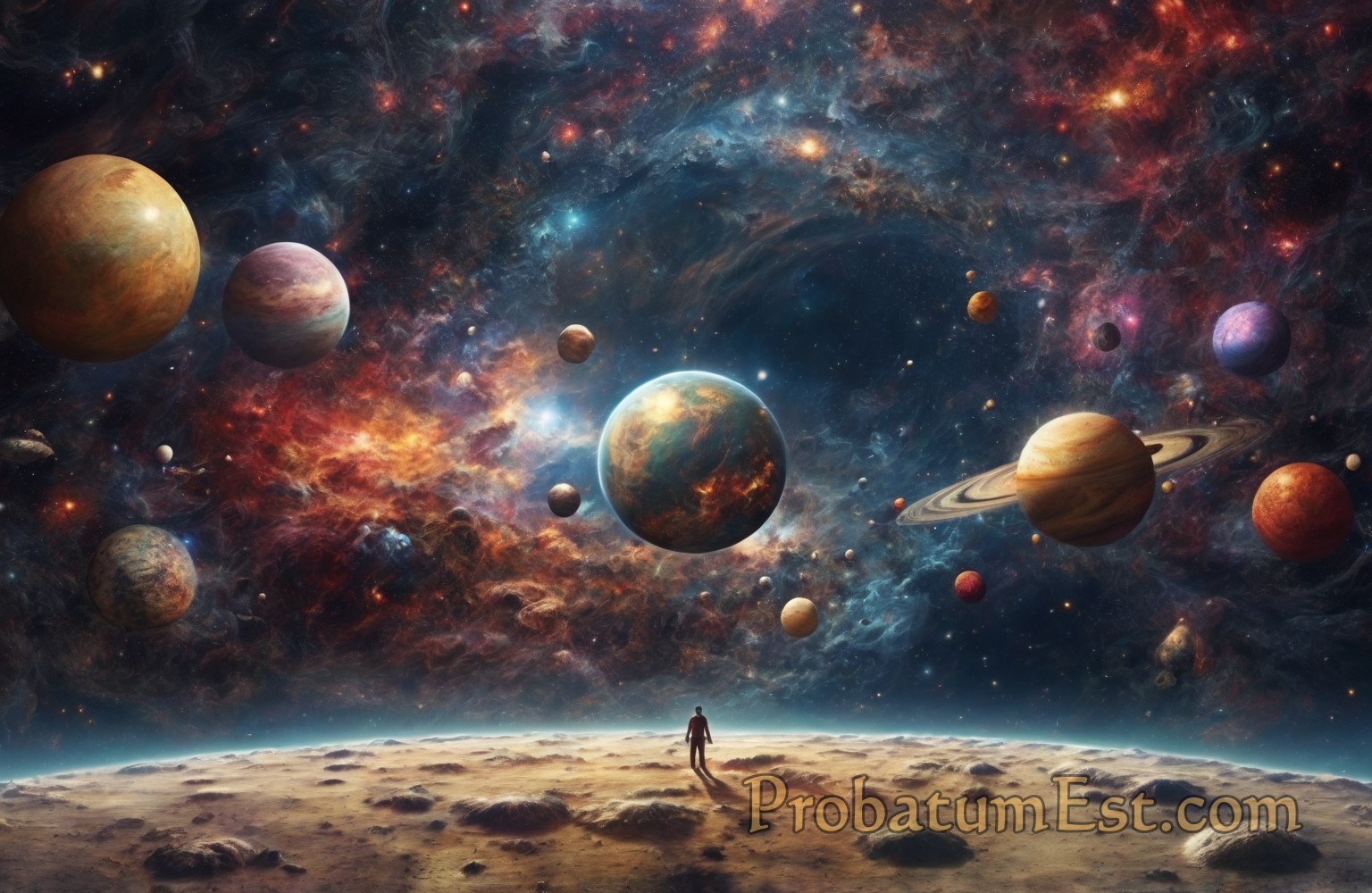
The universe, an all-encompassing entity, is a vast and awe-inspiring expanse that holds everything in existence. It stretches beyond the limits of human perception and comprehension, sprawling with galaxies, stars, planets, and myriad other cosmic phenomena. This article aims to delve into the multitude of aspects that constitute the universe, reflecting on its origins, structure,… …read more