Tag: Greenhouse Gas
-
Trees – More Than Just Wood
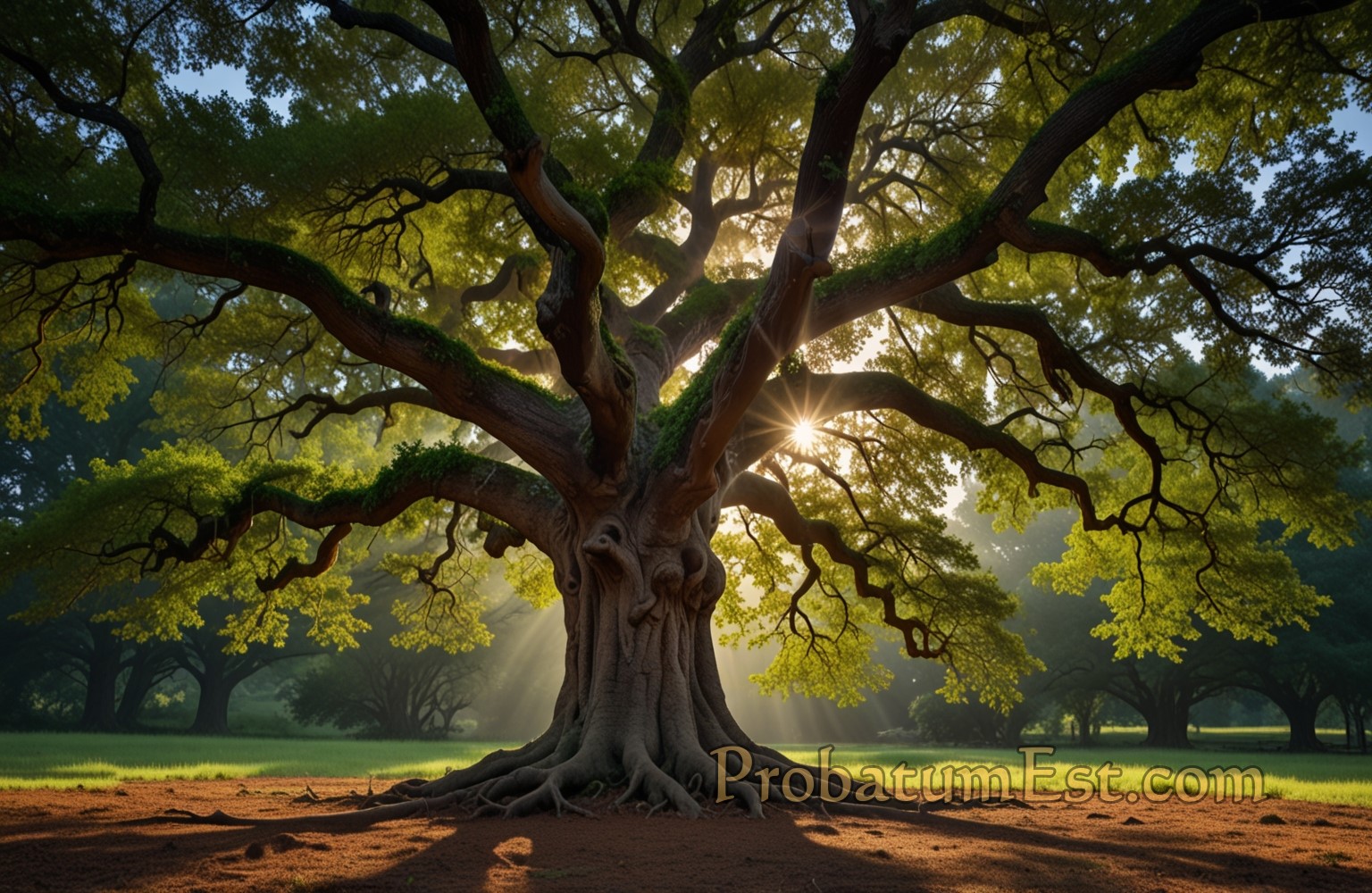
Trees are an integral part of the global landscape, serving vital ecological, cultural, and economic roles. While often admired for the lumber they provide, these towering giants are more than mere sources of wood. From their complex biological structures to their diverse uses and benefits, trees are essential to life on Earth in countless ways.… …read more

-
Coniferous Forests – Majestic Realm of Evergreen Giants
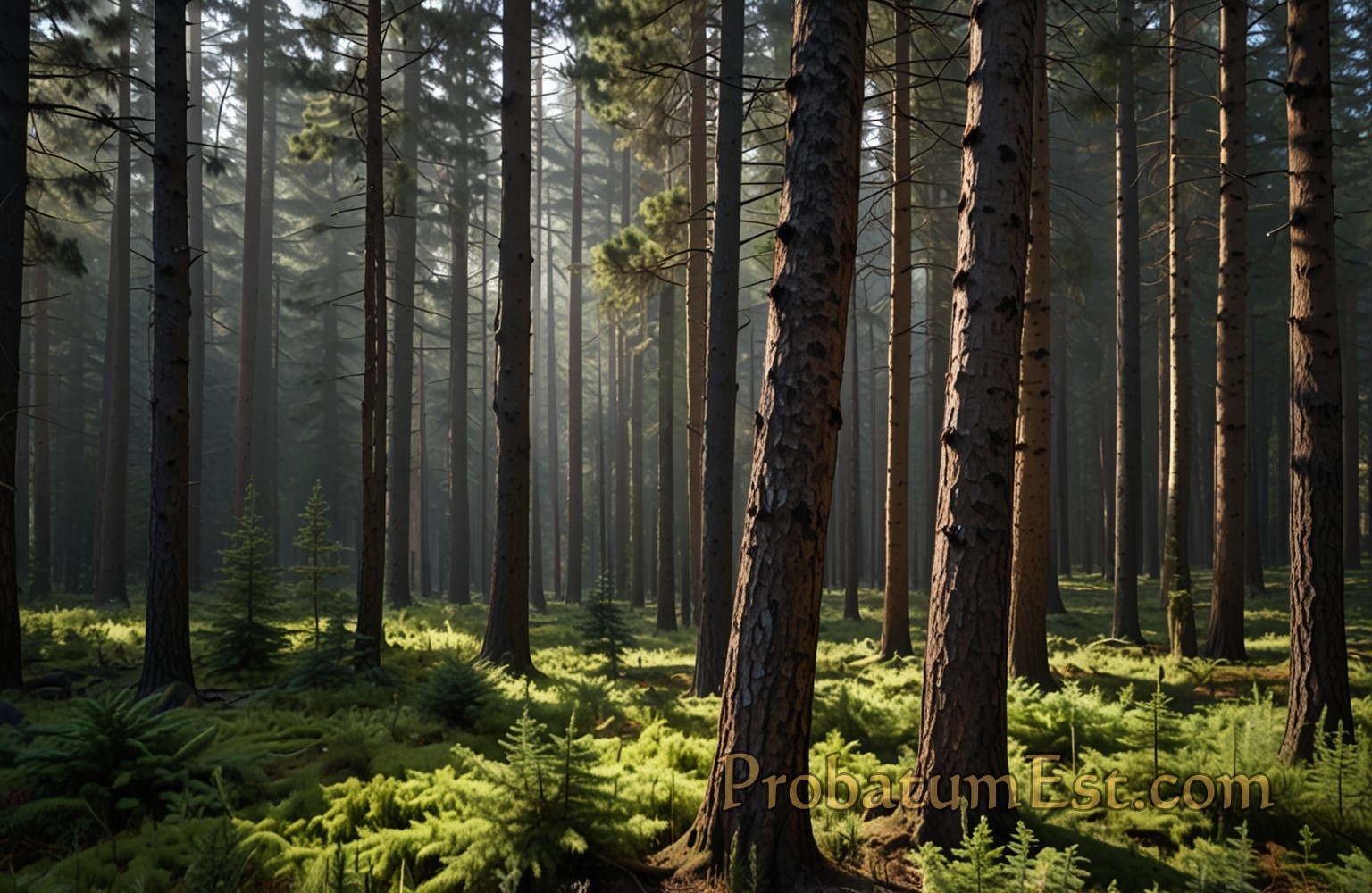
Coniferous Forests, sometimes known as “evergreen forests,” are dominated by cone-bearing trees that retain their needles or scale-like leaves throughout most of the year. These forests are among the most extensive terrestrial biomes on Earth, covering immense stretches across North America, Europe, and Asia, as well as smaller pockets in the Southern Hemisphere. Known under… …read more
-
Natural Habitat – Pillar of Biodiversity and Ecosystem Health
Natural Habitat is a fundamental concept in ecology, referring to the environment in which a particular species or group of organisms live, thrive, and adapt. This intricate tapestry of life is composed of various interconnected elements that contribute to the survival and prosperity of myriad species, from the tiniest microorganisms to the vast forests and… …read more
-
Climate Change – Inquiry into Methodology and Scientific Validity
The debate surrounding climate change has grown intense, with mainstream narratives asserting that climate change unequivocally exists and leads to global warming and rising sea levels. These assertions often approach dogmatic acceptance, claiming an overwhelming scientific consensus. Yet, an examination of these claims through the lens of the scientific method reveals multiple layers of complexity… …read more
-
Earth’s Climate
Earth’s Climate is a complex and dynamic system, intricately woven together by a multitude of factors that influence patterns of weather and climatic conditions worldwide. Although discussions on climate frequently encounter the mainstream narrative emphasizing the climate change dogma, this article aims to focus on the foundational aspects and intricate mechanics of Earth‘s climate without… …read more
-
Habitats – Nature’s Diverse Homes
Habitats are the environments in which species live and interact. Serving as essential components of ecosystems, habitats provide the necessary food, water, shelter, and space that species need to survive. From the vast deserts to the depths of the oceans, the diversity of habitats reflects the complexity of life on Earth. Understanding the types of… …read more
-
Environment – Ecological Perspective
The Environment, a term encompassing all living and non-living entities surrounding us, is integral to our understanding of the Earth’s intricate systems. From the air we breathe and the water we drink to the complex web of life forms that share our planet, the environment influences every aspect of human life. However, to grasp the… …read more
-
Industrial Revolution
The Industrial Revolution stands as a pivotal period in human history, marking the transition from agrarian and handicraft economies to industrialized and mechanized systems. Spanning from the late 18th century to the early 19th century, it fundamentally altered every aspect of daily life. This article aims to explore the various facets of the Industrial Revolution,… …read more
-
Industrialization and Its Effects on Environment, Human Nature, and Ecology
Industrialization marked a pivotal transformation in human history, significantly altering economic, social, and environmental paradigms. Originating in the 18th century, the Industrial Revolution commenced in Great Britain before cascading across the globe. While it heralded unprecedented progress in various sectors, the ramifications of industrialization — particularly concerning the environment, human nature, and ecology — are… …read more
-
Industrialization
Industrialization represents a pivotal transformation in the history of human societies, marking a period where societies moved from agrarian-based economies to those dominated by industry and machine manufacturing. This transition, which began in the late 18th century in Britain and gradually spread worldwide, set the stage for the modern world by revolutionizing how goods were… …read more