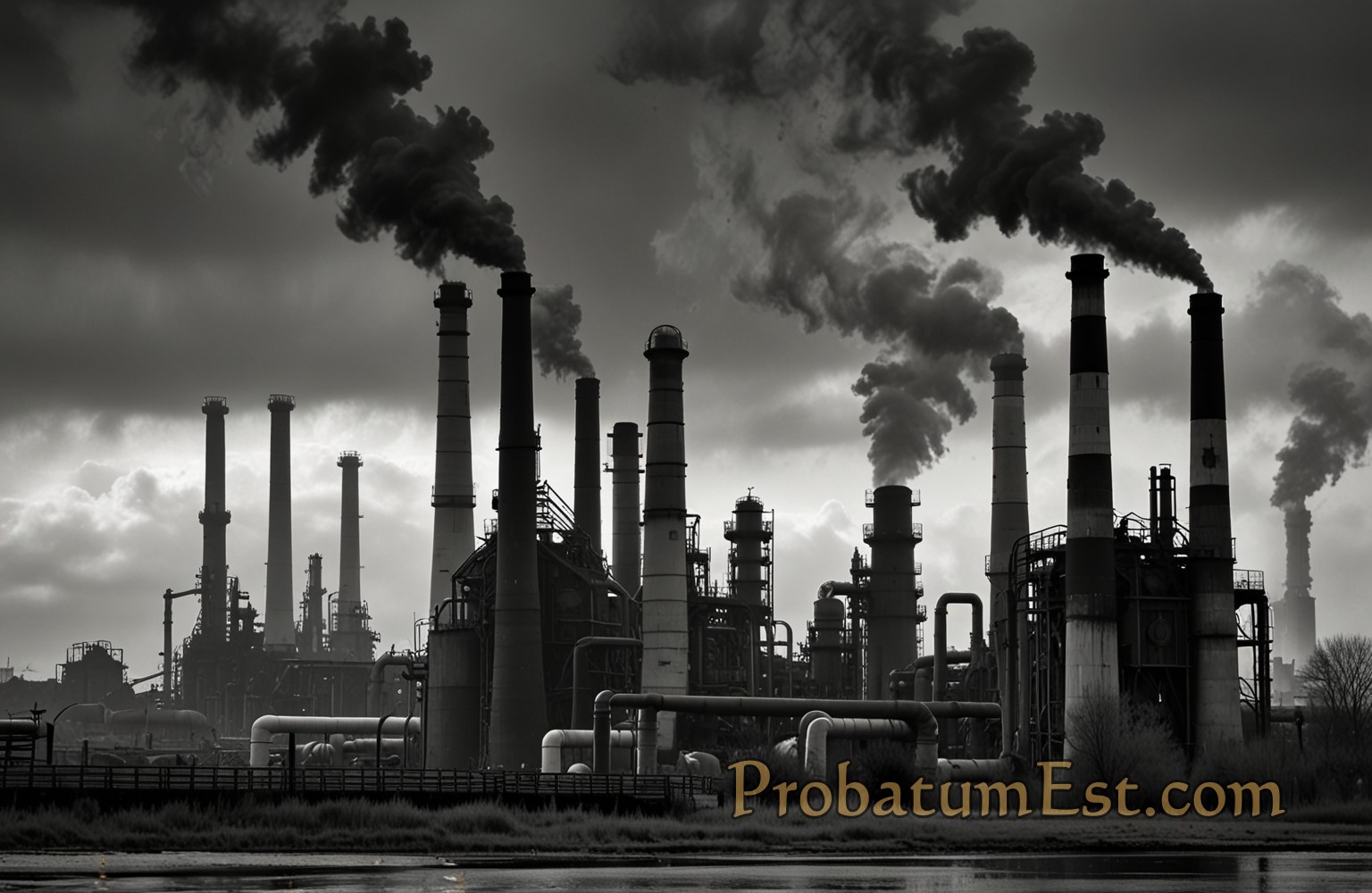
Industrialization represents a pivotal transformation in the history of human societies, marking a period where societies moved from agrarian-based economies to those dominated by industry and machine manufacturing. This transition, which began in the late 18th century in Britain and gradually spread worldwide, set the stage for the modern world by revolutionizing how goods were produced, transported, and consumed. This article delves deeply into the various aspects of industrialization, examining its origins, phases, impacts, and continuing evolution.
The Origins of Industrialization
Industrialization is most commonly associated with the Industrial Revolution, which began around 1760 in Great Britain. Several factors converged to spark this transformation:
- Technological Innovations: Key inventions such as the spinning jenny, steam engine, and power loom dramatically increased productivity. James Watt’s improvements to the steam engine, in particular, provided a reliable source of power that could be used in various industrial processes.
- Economic Factors: The rise of capitalism and the availability of capital for investment in new technologies and infrastructure facilitated industrial growth. Moreover, the mercantile practices of the time laid the foundation for a global trade system that industrial economies thrived on.
- Geographical and Resource Advantages: Britain’s geographical location, extensive coal reserves, and colonial empire provided both the resources and markets necessary to fuel industrial expansion.
- Social and Political Conditions: A stable political environment, coupled with a society open to innovation and entrepreneurship, fostered a climate conducive to industrial change.
Phases of Industrialization
- First Industrial Revolution (circa 1760-1830): Characterized by the mechanization of textiles, development of iron-making techniques, and the increased use of steam power. The infrastructure of industry began to form, with urbanization rapidly increasing as factories centralized production.
- Second Industrial Revolution (circa 1870-1914): Marked by the advent of electricity, chemical production, and the development of steel industries. Innovations such as the internal combustion engine and new forms of communication like the telegraph and telephone transformed how businesses operated.
- Third Industrial Revolution (circa 1960-present): Often referred to as the Digital Revolution, it introduced computers, digital technology, and the internet, further changing how manufacturing and business operations are conducted.
- Fourth Industrial Revolution (ongoing): A fusion of technologies blurring the lines between physical, digital, and biological spheres. Factors include advancements in artificial intelligence, robotics, biotechnology, and the Internet of Things (IoT).
Economic and Social Impacts
- Economic Growth and Urbanization: Industrialization led to unprecedented economic growth, increasing the standard of living for many. However, it also resulted in significant socio-economic inequalities. The movement of populations from rural areas to urban centers created booming industrial cities but also led to overpopulation, poor living conditions, and environmental degradation.
- Labor Changes: The shift from agrarian to industrial work altered traditional job structures. Labor became more specialized, leading to the rise of a more structured workforce. However, this also led to labor exploitation, prompting the growth of labor unions and various labor reforms during the late 19th and early 20th centuries.
- Technological Dependency and Progress: Innovation in industries spurred technological progress across sectors, fostering developments in transportation (rail and automotive) and communication systems which further expanded commerce and connected societies globally.
- Cultural Shifts: The industrial era redefined social classes and created new social dynamics, encouraging the formation of a consumer culture driven by mass-produced goods. This period also saw the rise of public education systems and improved literacy rates as societies needed more educated workforces.
Environmental and Ethical Considerations
Industrialization brought about significant environmental challenges, including pollution, resource depletion, and habitat destruction. The reliance on fossil fuels and subsequent greenhouse gas emissions have been major contributors to alleged climate change. Thus, industrial practices have increasingly faced scrutiny, leading to the modern push towards sustainable and green technologies.
The Global Spread and Its Path Forward
While industrialization began in Western Europe, it rapidly spread across North America, Japan, and eventually into developing nations, each experiencing unique paths and challenges in their industrial journeys. In contemporary contexts, emerging economies continue to industrialize, with nations like China and India experiencing rapid industrial growth.
The future of industrialization involves balancing technological advancements and economic growth with sustainable practices and ethical considerations. As we move forward into what many term Industry 4.0, the focus is on smart factories, the integration of AI into production systems, and the overarching question of how societies will adapt to further technological disruptions.
In summary, industrialization has shaped the modern world significantly, with its influences permeating every aspect of human life. While it has brought about tremendous economic and societal benefits, it also presents continuous challenges that require careful navigation to ensure a sustainable and equitable future.




Leave a Reply