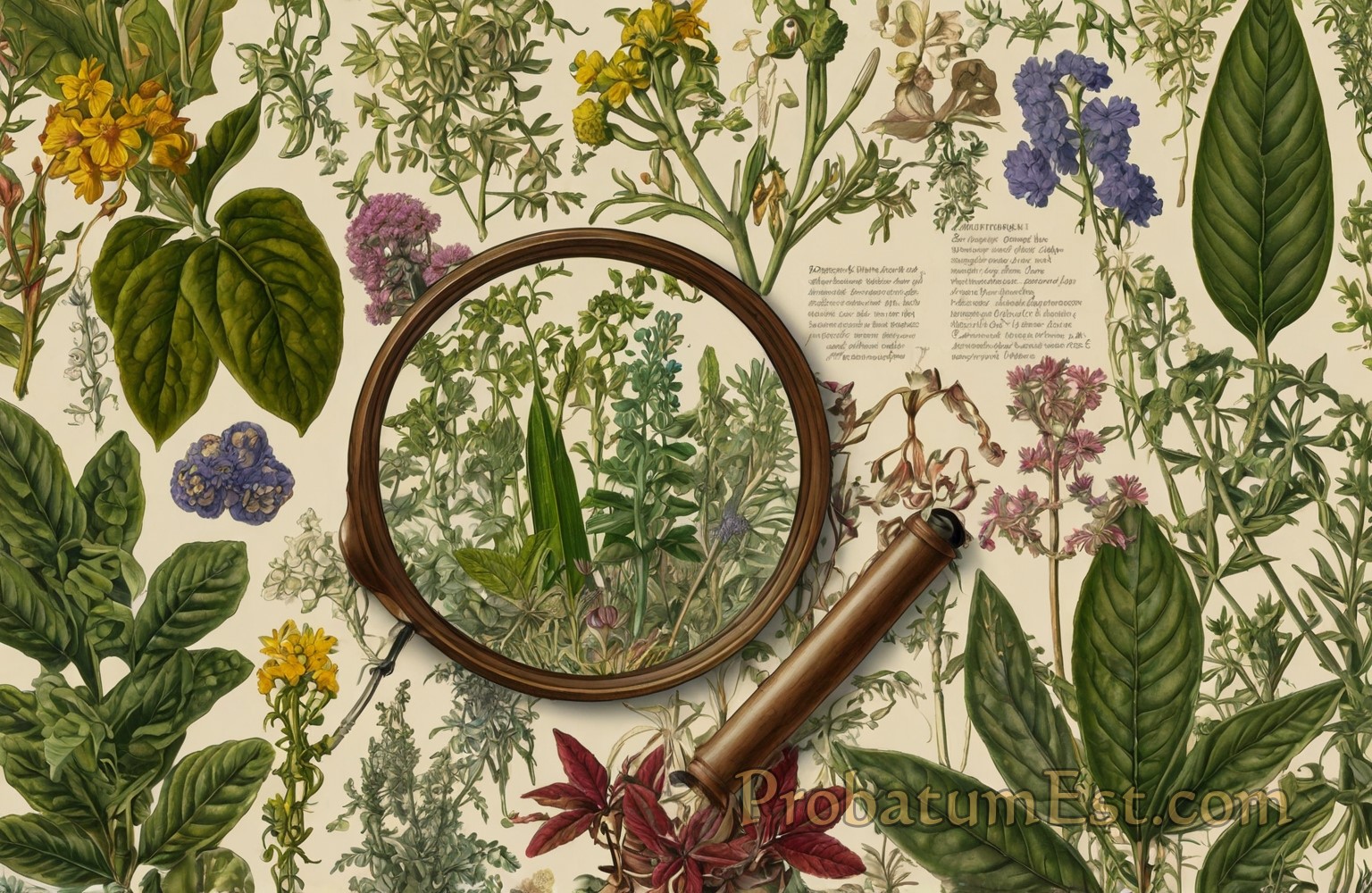
Botany, also known as plant science or plant biology, is the branch of biology that focuses on the scientific study of plants. This study encompasses a diverse range of plant life — from the smallest of bacterial forms involved in life’s foundational processes to the tallest trees forming dense forests. With a history as rich as the diversity it explores, botany is a fundamental discipline that plays a critical role in understanding the natural world, driving agricultural development, and confronting challenges.
Historical Overview
Botany, as an organized science, dates back to ancient times. Aristotle and Theophrastus of Greece are some of the earliest figures to contribute significantly to this field. Theophrastus, often referred to as the “Father of Botany,” produced seminal works such as “Enquiry into Plants,” which laid the groundwork for many botanical principles we recognize today.
The renaissance and enlightenment eras saw botany evolving alongside advances in other sciences. Carolus Linnaeus, an 18th-century Swedish botanist, revolutionized botany with his system of binomial nomenclature, a crucial development in the classification and naming of plants.
Branches of Botany
Botany is divided into several sub-disciplines, each focusing on different aspects of plant life.
- Plant Physiology: This branch studies plant functions and processes, such as photosynthesis, respiration, plant nutrition, and hormone functions. It seeks to understand how plants grow, reproduce, and respond to their environments.
- Plant Anatomy and Morphology: This involves studying the structure of plants, from the macroscopic level of organization (roots, stems, leaves, flowers) to the microscopic cellular architecture. Morphology also includes the form and development of plants.
- Plant Ecology: Plant ecologists study how plants interact with each other and their environment, providing insights into ecosystems, biodiversity, and conservation. They explore how plants adapt to various environments and the roles they play within ecological networks.
- Plant Genetics and Biotechnology: This field explores the genetic makeup of plants, including genetic diversity, heredity, and breeding. Biotechnology, in particular, manipulates plant DNA for crop improvement, such as enhancing resistance to diseases, pests, and environmental stressors.
- Paleobotany: This fascinating branch studies plant fossils to understand the evolution and historical distribution of plant life. Paleobotanists help reconstruct past environments and climates, providing insights into how current ecosystems might evolve.
- Ethnobotany: Ethnobotanists examine the relationships between people and plants, particularly how plants are used in different cultures for food, medicine, and rituals. It is essential for conservation efforts and understanding the cultural significance of plant species.
Importance of Botany
The significance of botany extends beyond academic interest, playing a pivotal role in multiple facets of human life and the environment.
Agriculture and Food Security
Plants are the primary source of food for all humans, and botany contributes to understanding crop genetics, pest management, and sustainable agricultural practices. Advances in plant breeding and genetic engineering have led to staple crops with improved yields, enhanced nutrition, and resistance to diseases and adverse climate conditions.
Environmental Impact and Conservation
Plants are the bedrock of terrestrial ecosystems, and their conservation is crucial for maintaining biodiversity and ecosystem services. Botanists contribute knowledge essential for preserving endangered species, restoring habitats, and mitigating the effects of deforestation, and pollution.
Medicinal Plants and Pharmaceuticals
Many modern pharmaceuticals are derived from plant compounds. By studying medicinal plants, botanists have facilitated drug discovery and development. Research into plant-based medicines is ongoing, with the potential to uncover treatments for various diseases and health conditions.
Aesthetic and Recreational Value
Plants enrich human existence through their beauty, providing materials for art, architecture, and landscape design. The study of ornamental horticulture, floriculture, and landscape ecology falls within botany, contributing to mental health and public well-being.
Contemporary Challenges and Future Prospects
In the context of a growing global population, the importance of botany has never been more pertinent. Botanists face the challenge of ensuring food security while promoting ecological sustainability. Continuing research and technological advancements in genomics, climate science, and biocomputation promise to drive the field further, offering solutions to some of the most pressing global issues.
Conclusion
Botany is more than an inquiry into the plant kingdom—it’s a vital science intertwined with the health of our planet and the survival of humankind. As we face unprecedented environmental changes, the knowledge and innovations emerging from botanical sciences will be crucial in shaping a sustainable future. Understanding the complex world of plants opens doors to preserving biodiversity, fostering agriculture, and unlocking new potentials in medicine and industry. The study of botany ensures that we continue to benefit from the manifold provisions plants offer, anchoring life on Earth in its multifaceted splendor.




Leave a Reply