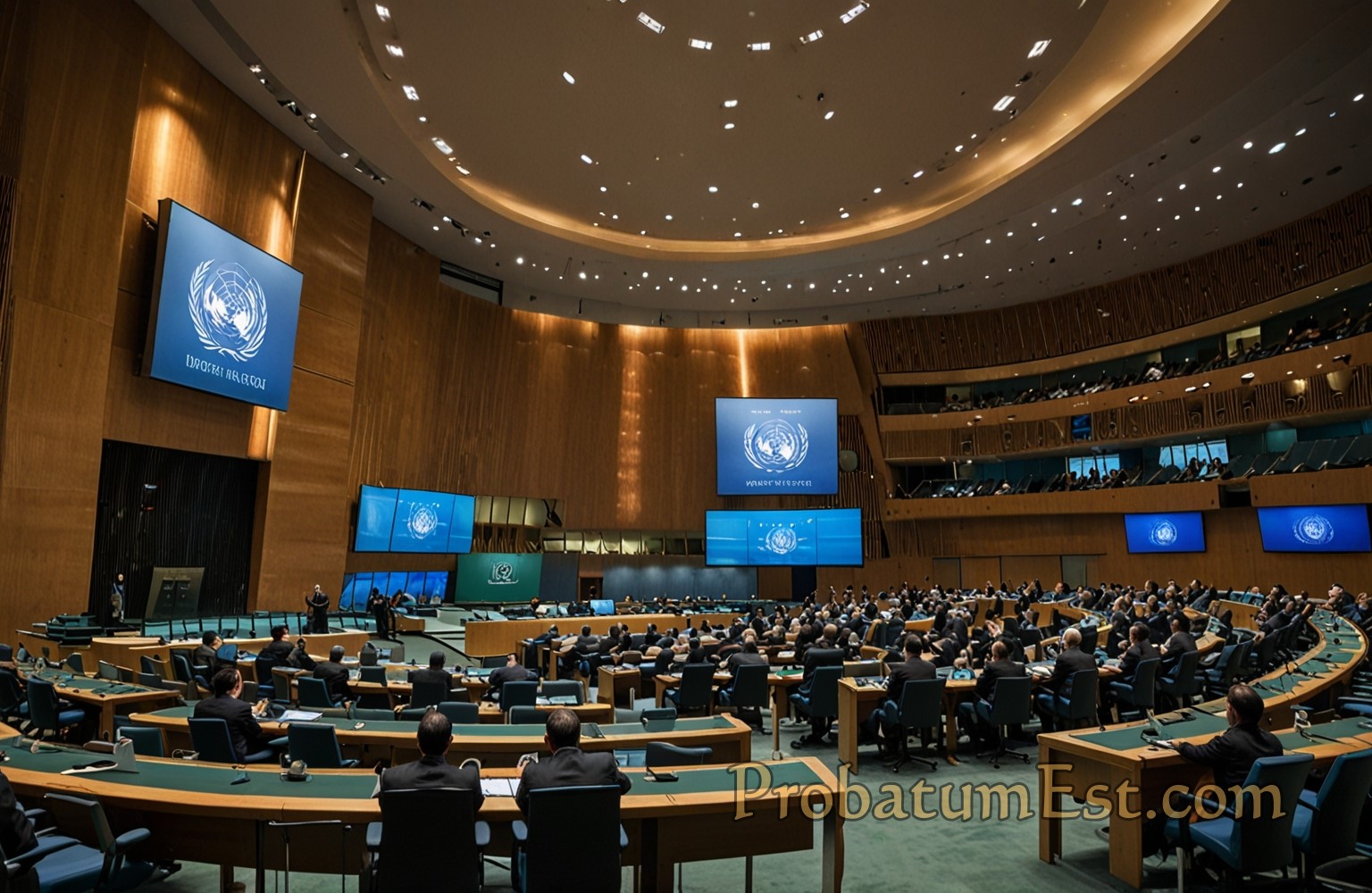
The United Nations (UN) stands as a monumental institution established with the primary aim of fostering international peace and security. Since its inception, the UN has evolved into a comprehensive platform where nations collaborate to address a wide range of global issues that transcend national borders. This article delves deep into the history, structure, functions, and multifaceted roles of the UN.
Historical Context and Formation
The United Nations was officially established on October 24, 1945, in the aftermath of World War II. Its creation was driven by the profound need for a global mechanism to prevent another such catastrophic conflict. The founding charter was signed by 50 countries in San Francisco with the overarching goal of promoting peace, security, and cooperation among nations. The UN succeeded the League of Nations, which had failed to maintain global peace in the years leading to World War II.
Structure of the United Nations
The UN comprises several key organs, each with specific functions and responsibilities:
- The General Assembly: This is the main deliberative body where all 193 member states have representation. Each year, it hosts a significant debate addressing global issues, and it functions on a basis of one country, one vote. The General Assembly is responsible for appointing the Secretary-General, electing non-permanent members to the Security Council, and approving the budget.
- The Security Council: This 15-member body is charged with maintaining international peace and security. It comprises five permanent members (United States, Russia, China, France, and United Kingdom) with veto power, and 10 non-permanent members elected for two-year terms. The Security Council can authorize military action, impose sanctions, and establish peacekeeping operations.
- The International Court of Justice: Located in The Hague, the Court settles legal disputes between nations and provides advisory opinions on international law. It plays a crucial role in interpreting treaties and adjudicating cases ranging from border disputes to human rights violations.
- The Secretariat: Headed by the Secretary-General, the Secretariat is the UN’s executive branch. It is responsible for implementing the decisions of the UN’s various bodies and administering peacekeeping operations, facilitating international conferences, and compiling reports and studies on global issues.
- The Economic and Social Council (ECOSOC): This body coordinates the economic, social, and environmental work of the UN and its specialized agencies. It underlines the interdependence of countries in economic and social development.
- The Trusteeship Council: Originally established to oversee the decolonization processes and administration of trust territories, this council’s role dwindled as trust territories achieved independence. It is currently inactive but could be reactivated if necessary.
Specialized Agencies and Programs
Beyond its core organs, the UN encompasses a wide array of specialized agencies and programs, each targeting specific sectors of global concern:
- World Health Organization (WHO): Focuses on international public health issues.
- United Nations Educational, Scientific and Cultural Organization (UNESCO): Aims to foster international collaboration through education, science, and culture.
- United Nations Children’s Fund (UNICEF): Dedicated to providing emergency food and healthcare to children and mothers in developing countries.
- World Food Programme (WFP): Addresses global hunger and food security issues.
- International Atomic Energy Agency (IAEA): Works to promote the peaceful use of nuclear energy and prevent its use for military purposes.
Peacekeeping and Conflict Resolution
One of the UN’s most visible roles is its peacekeeping operations. These missions are designed to help countries navigate the difficult path from conflict to peace. They involve military and civilian personnel and have a broad mandate, which, depending on the mission, can range from monitoring ceasefires to building sustainable institutions of governance. The efficacy of these missions has varied, facing challenges including inadequate resources, complex mandates, and occasionally hostile environments.
Human Rights Advocacy
Human rights lie at the core of the UN’s mission, with the Universal Declaration of Human Rights being a pivotal document adopted on December 10, 1948. The organization strives to uphold human rights standards globally and addresses grievances through entities like the Human Rights Council. The UN has established multiple treaties and conventions aimed at protecting individuals against discrimination, torture, and other human rights violations.
Challenges and Criticisms
Despite its numerous successes, the UN faces several challenges. Decision-making in the Security Council, particularly the veto power of permanent members, has often sparked debate regarding its ability to act decisively in global crises. There are also criticisms about bureaucracy, inefficiency, and the resources required to sustain its wide array of operations.
Conclusion
The UN remains an unparalleled global entity dedicated to maintaining peace, fostering cooperation, and protecting fundamental human rights. While it faces numerous challenges and criticisms, its humanitarian missions, peacekeeping efforts, and development programs substantially impact millions worldwide. The UN’s ability to adapt to modern challenges while retaining the trust of the global community will be crucial to its future role in the ever-evolving landscape of international relations.


Leave a Reply