Tag: Energy
-
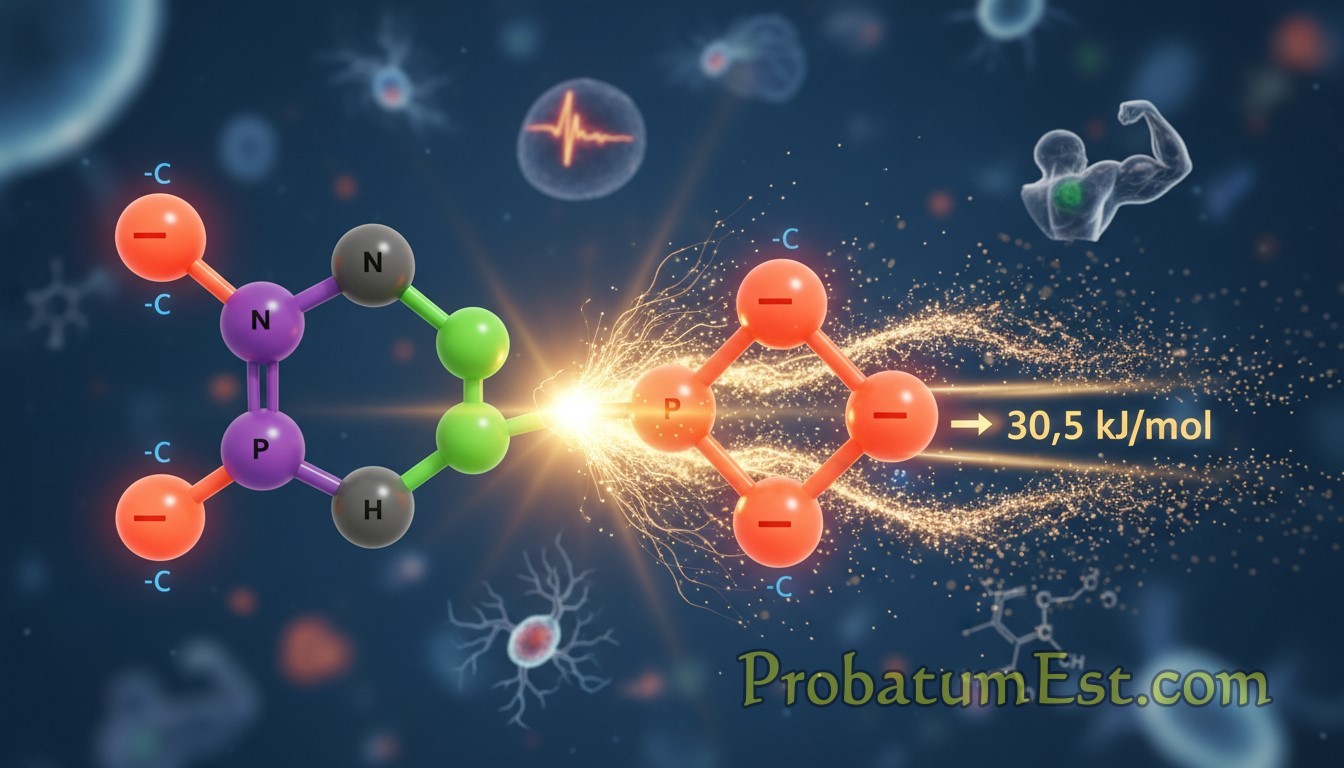
Adenosine Triphosphate (ATP) – The Essential Energy Currency of Life
Adenosine Triphosphate (ATP) is often referred to as the “energy currency” of living organisms. It is a high-energy molecule that fuels a vast array of biological processes — from muscle contraction to nerve signal transmission, from protein synthesis to active transport across cell membranes. Although it may appear a simple compound, ATP’s role is foundational… …read more

-
Infrastructure Development – Ecological Assessment of Environmental Impact
Infrastructure Development stands at the heart of modern societal progress. From roads and bridges to energy grids and water supply systems, infrastructure forms the backbone that enables connectivity, commerce, and overall economic growth. At the same time, its impact on local ecosystems, biodiversity, and environmental resources cannot be overlooked. This article offers a thorough exploration… …read more

-
Woodlands – Nature’s Tranquil Retreats and Ecosystem Powerhouses
Woodlands, sometimes referred to as open forests, are fascinating natural landscapes marked by a diverse assortment of trees, shrubs, and grasses. They share characteristics with forests and savannas but differ notably in openness, tree density, and light penetration. Woodlands form an integral part of Earth’s tapestry of biomes. 1. Defining Woodlands and Their Characteristics Woodlands… …read more
-
Deciduous Forests – Nature’s Colorful Canvas
Deciduous Forests are among the world’s most distinctive and captivating terrestrial ecosystems. They are characterized by trees that shed their leaves once a year, creating a dramatic seasonal cycle of growth and decline. This article delves deeply into the characteristics, structure, distribution, flora, fauna, and human impacts related to deciduous forests. 1. Definition and General… …read more
-
Wildlife – Understanding Our Co-Inhabitants
Wildlife encompasses a vast array of living creatures that inhabit our planet alongside humans. From majestic elephants roaming savannas to microscopic organisms thriving in forest soils, the term “wildlife” includes all non-domesticated species that exist in nature. As our co-inhabitants, these animals, plants, fungi, and other life forms shape ecosystems in essential ways. Exploring the… …read more
-
Humans – A Guide to Who We Are
Humans are among the most complex living organisms on Earth. From the vantage point of biology, the human body is a sophisticated network of systems working in harmony to sustain life, enable thought, power motion, and facilitate interaction with the environment. This article explores in depth what makes humans unique as biological entities — covering… …read more
-
Bacteria – Small in Size, Big in Numbers
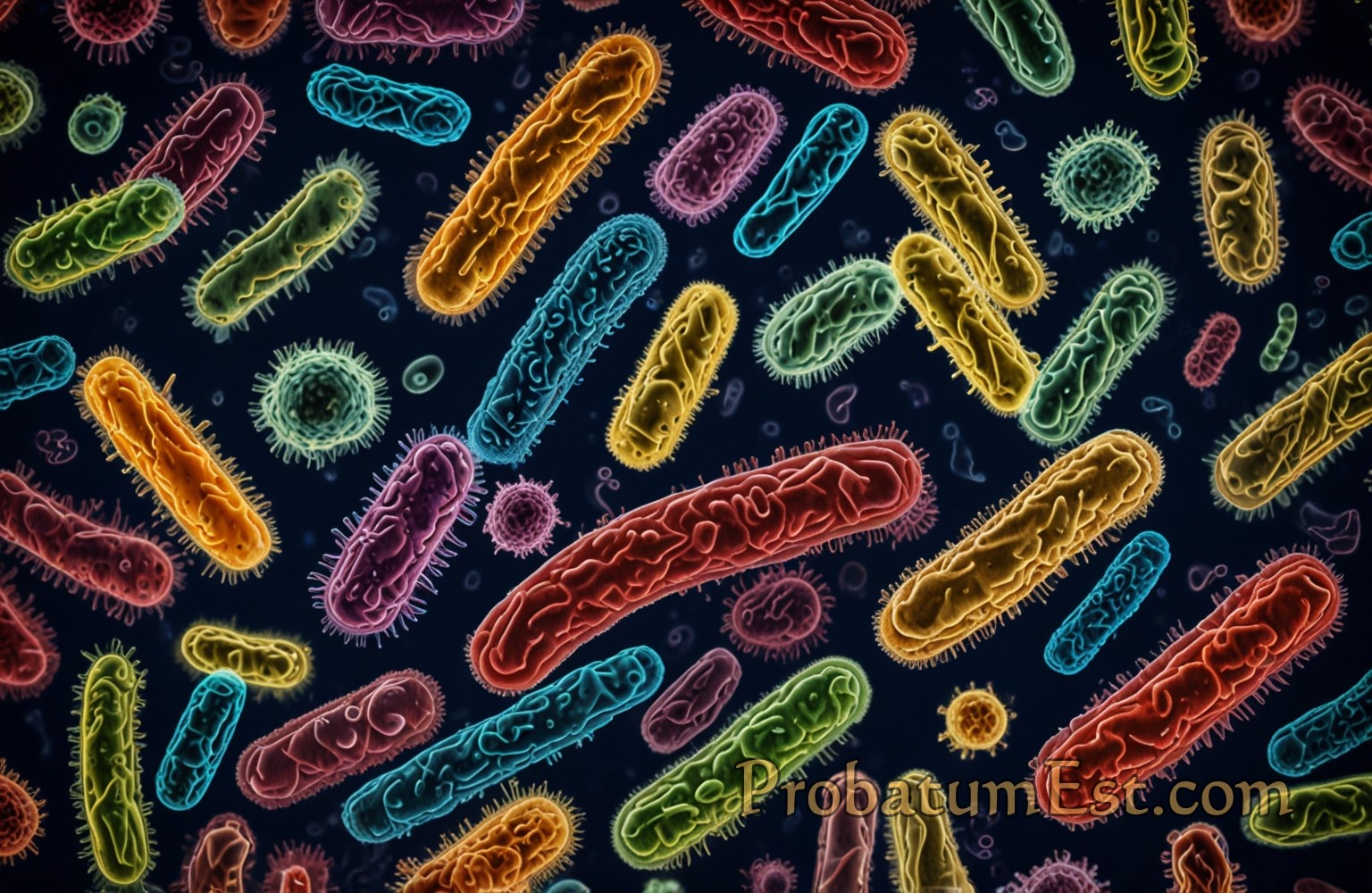
Bacteria are among the most diverse, abundant, and resilient organisms on Earth. They inhabit nearly every environment, ranging from soil and freshwater habitats to the depths of the ocean, as well as living within and on other organisms. Even though they are microscopic, bacteria play indispensable roles in ecosystems, industry, and human health. Below is… …read more
-
Fungi – More Than Just Mushrooms
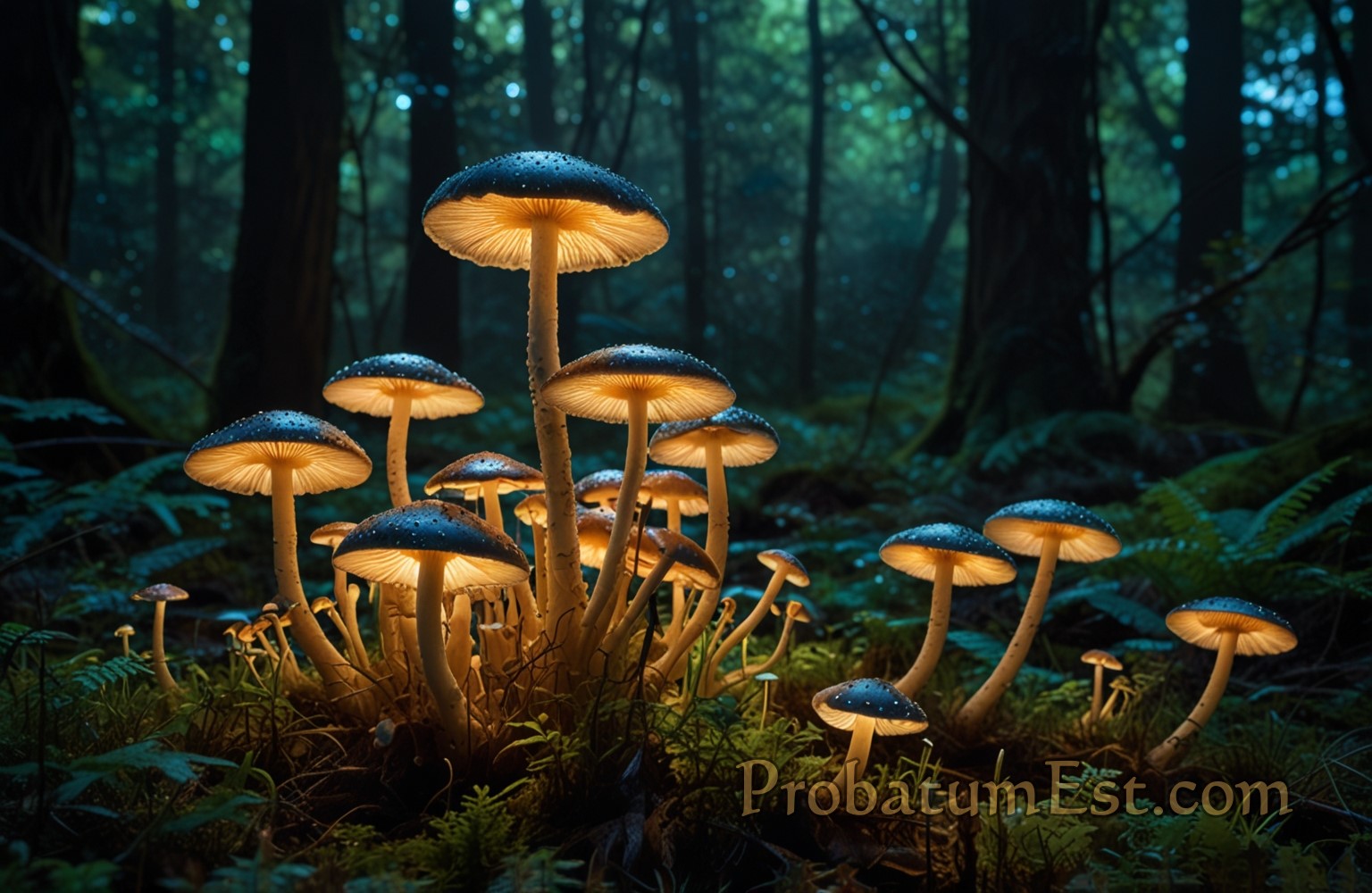
Fungi form a vast and fascinating group of organisms that occupy nearly every habitat on Earth. Long recognized primarily as molds and mushrooms, fungi include an enormous range of forms, from microscopic single-celled yeasts to complex networks of filaments that span large areas of soil or rotting logs. Below is a comprehensive examination of fungi… …read more
-
Animals – Guide to the Creatures Around Us
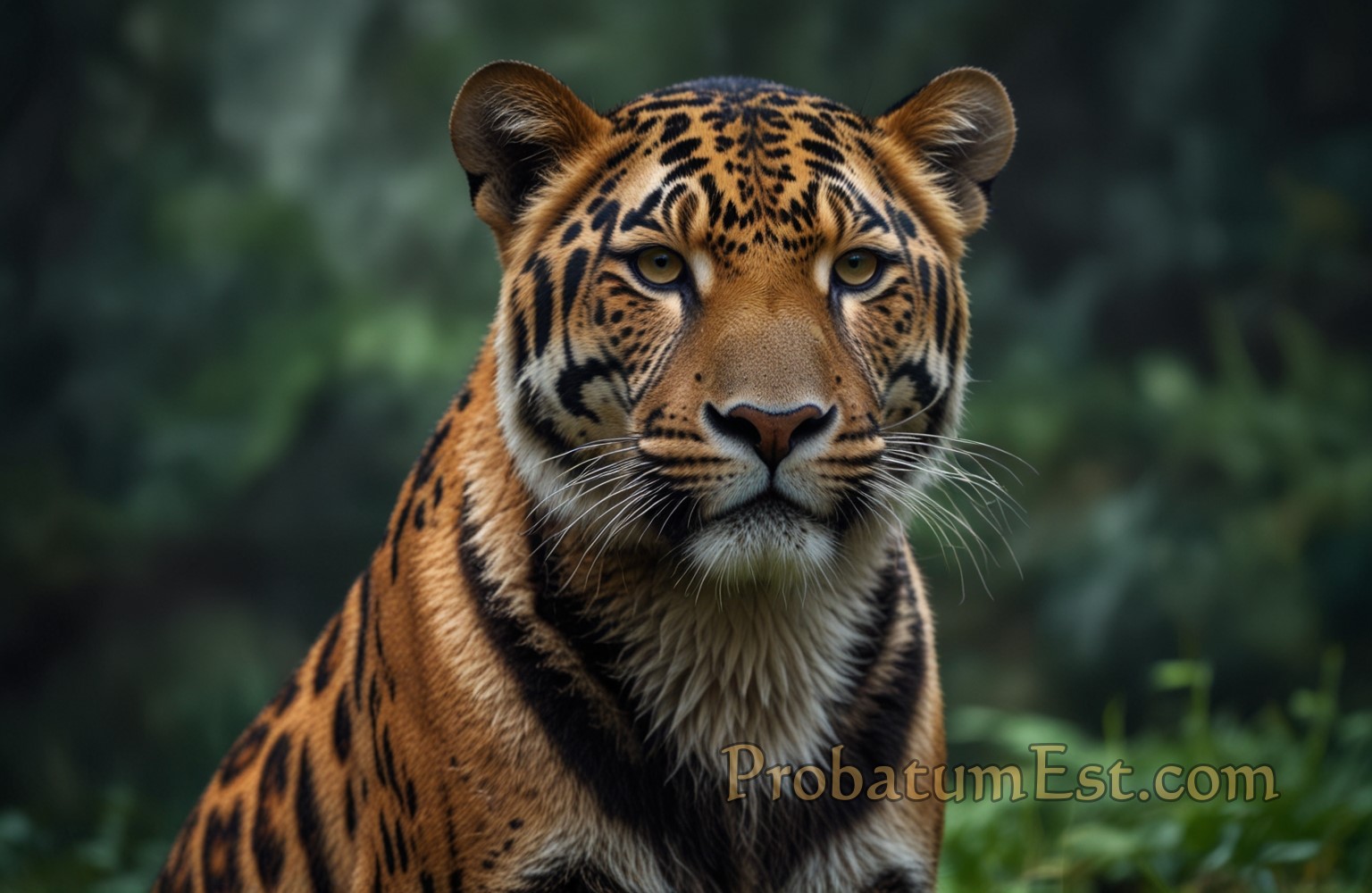
Animals form one of the most diverse and fascinating groups in the biological world. They occupy nearly every kind of habitat on Earth — from the deepest ocean trenches to the highest mountain peaks — and exhibit astonishing variety in size, form, and behavior. Biologically speaking, animals share certain fundamental traits: they are multicellular, they… …read more
-
Nature – A Closer Look
Nature, in the most fundamental biological sense, encompasses the vast tapestry of living organisms and the environments in which they thrive. It spans from the microscopic building blocks of life to the grand and intricate ecosystems that cover the planet. This article provides an in-depth view of nature – a closer look, discussing the essential… …read more