Tag: Glucose
-
Membrane-Bound Organelles – In-Depth Exploration
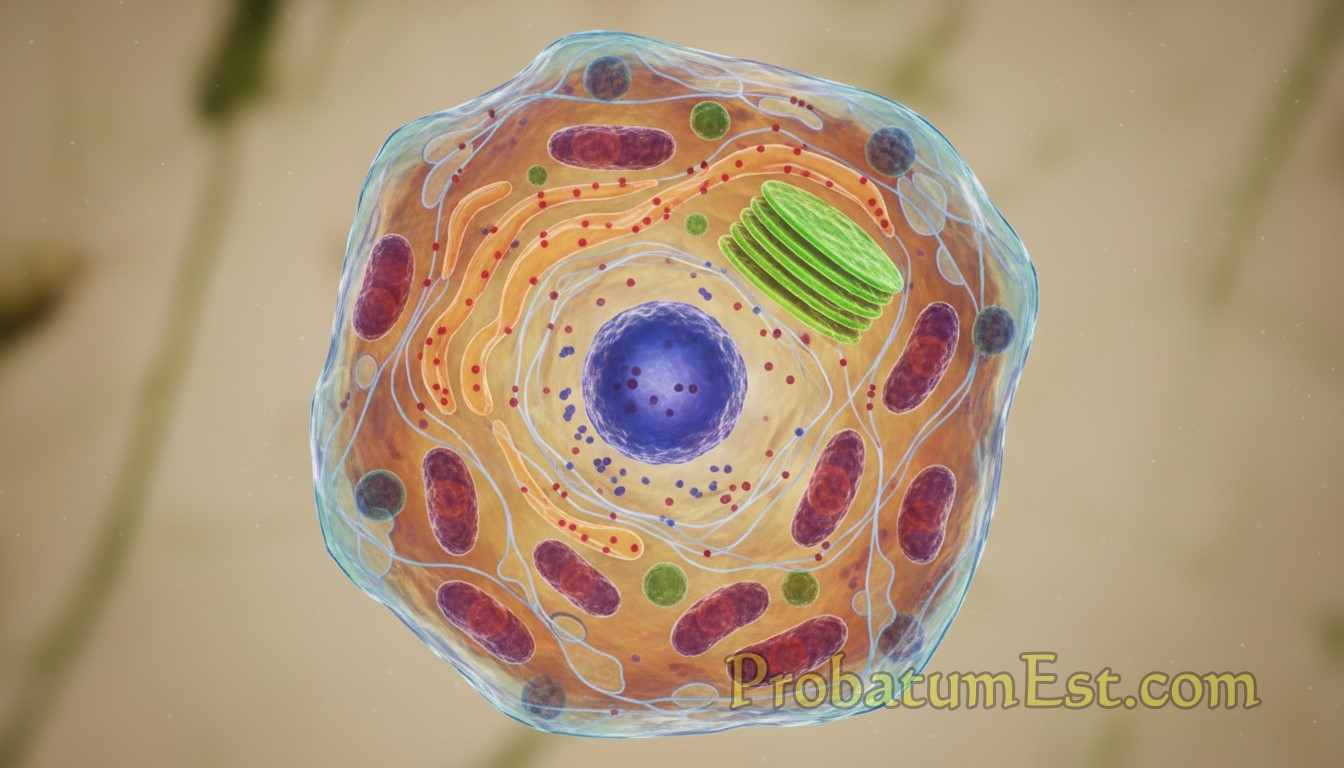
Membrane-bound organelles are among the most pivotal features distinguishing eukaryotic cells from many other cell types. These specialized structures carry out diverse, vital tasks necessary for cellular function and survival, ranging from energy generation to protein modification and waste management. This in-depth exploration will delve into the different membrane-bound organelles, how they function, and why… …read more

-
Organelles – Deep Dive Into Their Essential Roles in Cell Function
The cell is the smallest functional unit of life, yet it houses an astonishing level of organization and complexity. One of the most critical aspects of this internal organization is the presence of organelles — specialized structures that carry out specific tasks to keep the cell functioning optimally. While commonly associated with eukaryotic cells (such… …read more
-
What Do Prokaryotes and Eukaryotes Have in Common?
For decades, biology students and researchers alike have recognized that all living cells can be broadly classified into two types: prokaryotes and eukaryotes. Prokaryotes include organisms such as bacteria and archaea. Eukaryotes, on the other hand, encompass everything from single-celled protists to complex multicellular organisms like plants and animals. While the differences between these two… …read more
-
Adenosine Triphosphate (ATP) – The Essential Energy Currency of Life
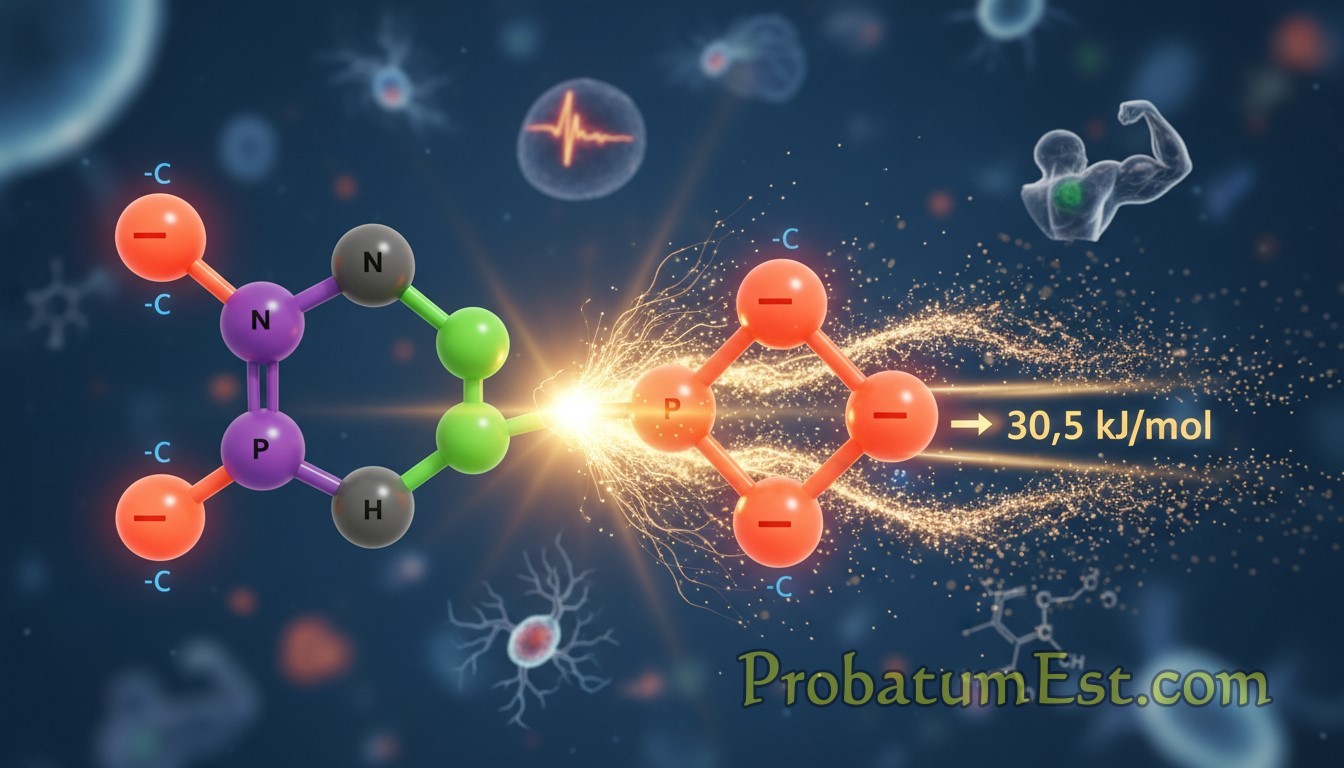
Adenosine Triphosphate (ATP) is often referred to as the “energy currency” of living organisms. It is a high-energy molecule that fuels a vast array of biological processes — from muscle contraction to nerve signal transmission, from protein synthesis to active transport across cell membranes. Although it may appear a simple compound, ATP’s role is foundational… …read more
-
Eukaryotes – Unraveling the Complex World of Nucleated Life
Eukaryotes form a diverse realm of organisms distinguished by one key characteristic: their cells contain a membrane-bound nucleus. From single-celled algae to multicellular plants and animals, these nucleated life forms represent a vast majority of the life we see each day. This article explores what defines eukaryotes, examines their importance and diversity, and highlights current… …read more
-
Eukaryotic Cells – A Comprehensive Exploration
Eukaryotic Cells serve as the fundamental building blocks of many diverse organisms, including animals, plants, fungi, and numerous unicellular species. These cells, distinguished by their membrane-bound organelles and true nucleus, underpin a vast array of complex life forms, making them a focal point of scientific research. Below is a thorough overview of eukaryotic cells, including… …read more