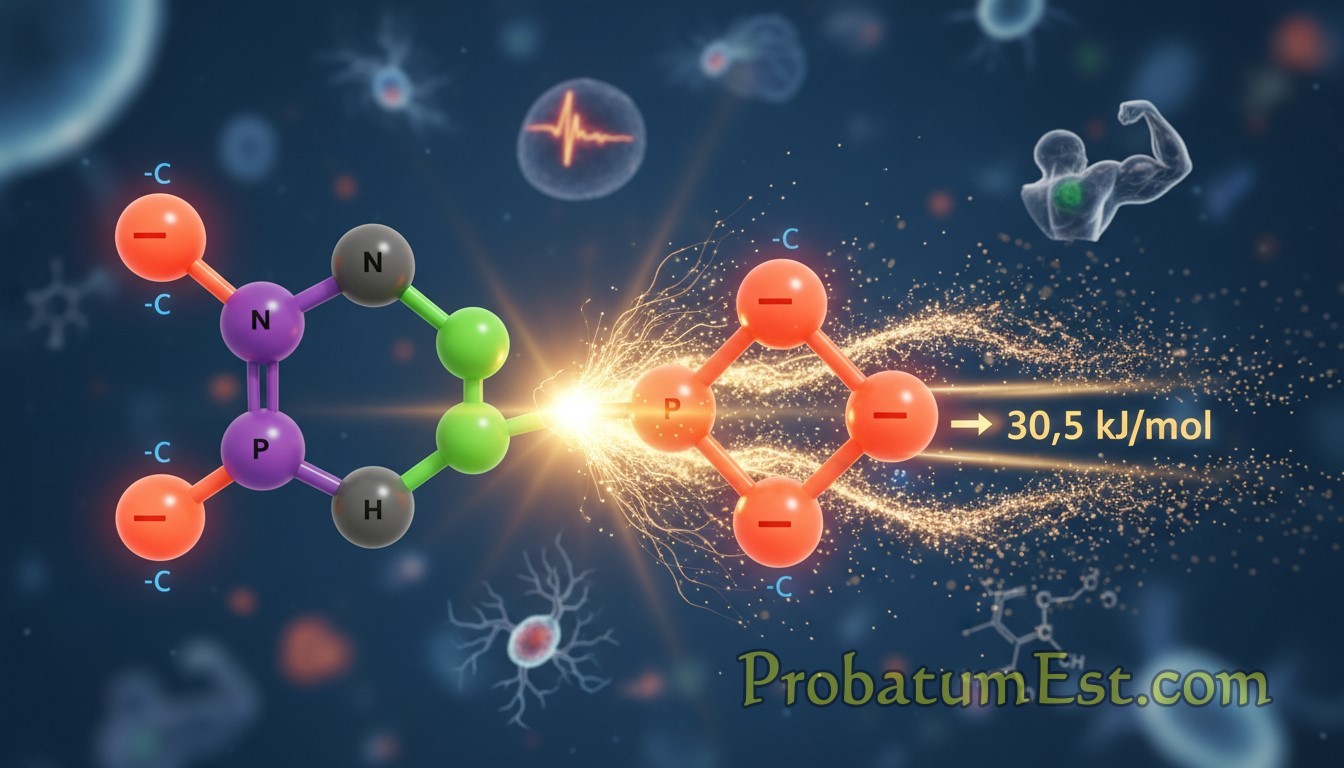
Adenosine Triphosphate (ATP) is often referred to as the “energy currency” of living organisms. It is a high-energy molecule that fuels a vast array of biological processes — from muscle contraction to nerve signal transmission, from protein synthesis to active transport across cell membranes. Although it may appear a simple compound, ATP’s role is foundational to life’s most critical functions. Below is a comprehensive exploration of this remarkable molecule, incorporating the latest research findings and expert perspectives.
1. What is ATP?
ATP is a nucleotide composed of three primary components:
- Adenine: A nitrogen-containing base.
- Ribose: A five-carbon sugar.
- Three Phosphate Groups: These are bonded through high-energy links, also referred to as phosphoanhydride bonds.
When one of these phosphate groups is separated from ATP (forming ADP, or adenosine diphosphate), a significant quantity of energy is released. This stored chemical energy is then harnessed to drive vital reactions within the cell. According to a study published in the Journal of Biological Chemistry, the energy released from ATP hydrolysis can range from approximately 7 to 12 kilocalories per mole (depending on cellular conditions), driving countless biochemical processes.
2. How ATP is Produced
Cells synthesize ATP through multiple pathways, influenced by factors such as oxygen availability, tissue type, and energy demand. Major pathways include:
2.1 Glycolysis
In many organisms, the initial step of glucose utilization is glycolysis, which occurs in the cell’s cytoplasm. This process yields a modest amount of ATP (net gain of 2 ATP molecules) and forms pyruvate.
2.2 Oxidative Phosphorylation
Under aerobic conditions, pyruvate moves into the mitochondria and is further processed through the citric acid cycle (also known as the Krebs cycle). High-energy electrons generated in this cycle are transferred to the electron transport chain. Oxidative phosphorylation within the mitochondria is exceptionally efficient, producing around 30 to 34 ATP molecules per glucose molecule. Research gathered by the Proceedings of the National Academy of Sciences has underscored the significance of oxidative phosphorylation, describing it as one of the primary routes by which higher organisms derive their energy currency.
2.3 Creatine Phosphate System (in Muscle)
Especially critical in muscle tissue, the creatine phosphate system serves as a rapid means to rephosphorylate ADP back to ATP. When muscles begin intense activity, creatine phosphate immediately donates a phosphate group to ADP, generating a quick burst of ATP for a few seconds — crucial for high-intensity, short-duration activities like sprinting or weightlifting. A study in the Journal of the International Society of Sports Nutrition highlights how supplementation with creatine can bolster this ATP regeneration, helping improve performance in some athletic contexts.
3. Key Functions of ATP
ATP’s role in cellular activity is multifaceted. It plays a significant part in:
3.1 Active Transport and Ion Gradients
Cell membranes often employ pumps and transporters that move molecules and ions against their concentration gradient — an energy-intensive process. ATP drives these pumps to maintain essential ion gradients, such as sodium-potassium balance in nerve and muscle cells.
3.2 Muscle Contraction
Muscle fibers rely on ATP to facilitate the interaction between the proteins actin and myosin. When ATP binds to myosin, the protein configuration changes, causing muscle contraction. On a practical level, the body’s daily demand for ATP for muscular function is substantial. Experts at the American College of Sports Medicine estimate that an average person could recycle an amount of ATP roughly equivalent to their body weight on a daily basis.
3.3 Chemical Reactions
ATP also donates phosphate groups to enzymes, switching them between “on” and “off” states. This process, known as phosphorylation, is a critical regulatory mechanism that controls numerous biochemical pathways, from glucose breakdown to protein synthesis.
3.4 Signal Transduction and Regulation
Many signal transduction pathways rely on ATP. Cyclic adenosine monophosphate (cAMP), a derivative of ATP, functions as a secondary messenger in diverse signaling pathways. These can regulate processes such as hormone activity, gene expression, and metabolic rate.
4. ATP Turnover Rates
One of the most astonishing facts about ATP is the tremendous rate of its synthesis and usage. Cells store only a small quantity of ATP at any given time, requiring continuous recycling. According to a report in Biochemical Journal, a sedentary adult recycles up to 50 kilograms of ATP in a day, while a highly active individual can recycle significantly more. This near-constant turnover underscores the urgency for efficient ATP production processes to maintain energy levels for everyday tasks.
5. Anecdotes and Case Studies
5.1 Endurance Sports
Case studies on endurance runners have shown that training adaptations, such as increased mitochondrial density, enhance the athlete’s capacity for oxidative phosphorylation. According to sports physiology research published in the Scandinavian Journal of Medicine & Science in Sports, these adaptations allow for greater ATP production and more prolonged energy output during events like marathons or long-distance cycling.
5.2 Clinical Context: Metabolic Disorders
Certain metabolic disorders can affect the body’s ability to synthesize or utilize ATP. For instance, mitochondrial myopathies may impair oxidative phosphorylation, resulting in muscle weakness and neurological symptoms. The key insight here is that ATP deficiency can have systemic repercussions, notably reducing a person’s capacity for physical activity.
5.3 Future Directions in Research
Emerging research has focused on fine-tuning ATP generation through targeted nutritional strategies and gene-based therapies. A 2021 review in Frontiers in Physiology indicates that dietary factors — particularly balanced integration of macronutrients — aim to support efficient ATP production. Meanwhile, novel therapies and interventions are being explored to supplement cellular energy in individuals with impaired ATP metabolism.
6. Practical Applications and Relevance
ATP’s core role in energy transfer holds practical relevance in numerous fields, including:
- Sports and Exercise Science: Investigating ATP’s importance allows experts to develop better training protocols and nutritional guidelines to maximize muscular efficiency and performance.
- Medicine and Health: Understanding ATP has fueled advancements in treating metabolic diseases and in improving overall cardiovascular and muscular health.
- Biotechnology: Research on ATP-driven biomolecular motors informs the design of microscopic machines for drug delivery, diagnostics, and laboratory-on-a-chip technologies.
7. Conclusion
Adenosine Triphosphate lies at the heart of countless biological processes. Its extraordinary functionality — to store and release energy in precisely controlled amounts — enables the body to sustain life’s most essential tasks. Whether fueling a marathoner’s final sprint, powering neuronal signaling, or facilitating muscle contractions, the incessant cycle of ATP production and consumption is unified in its purpose: to energize and sustain life itself.
By diving into the chemistry behind ATP, we see not just a molecule but the dynamic bedrock of cellular vitality. The ongoing scientific quest to deepen our understanding of ATP opens doors to unlocking higher athletic performance, more effective medical treatments, and innovative biotechnological applications. The more we learn about Adenosine Triphosphate, the better positioned we are to harness its incredible potential for human health and well-being.


Leave a Reply