Tag: Plantae
-
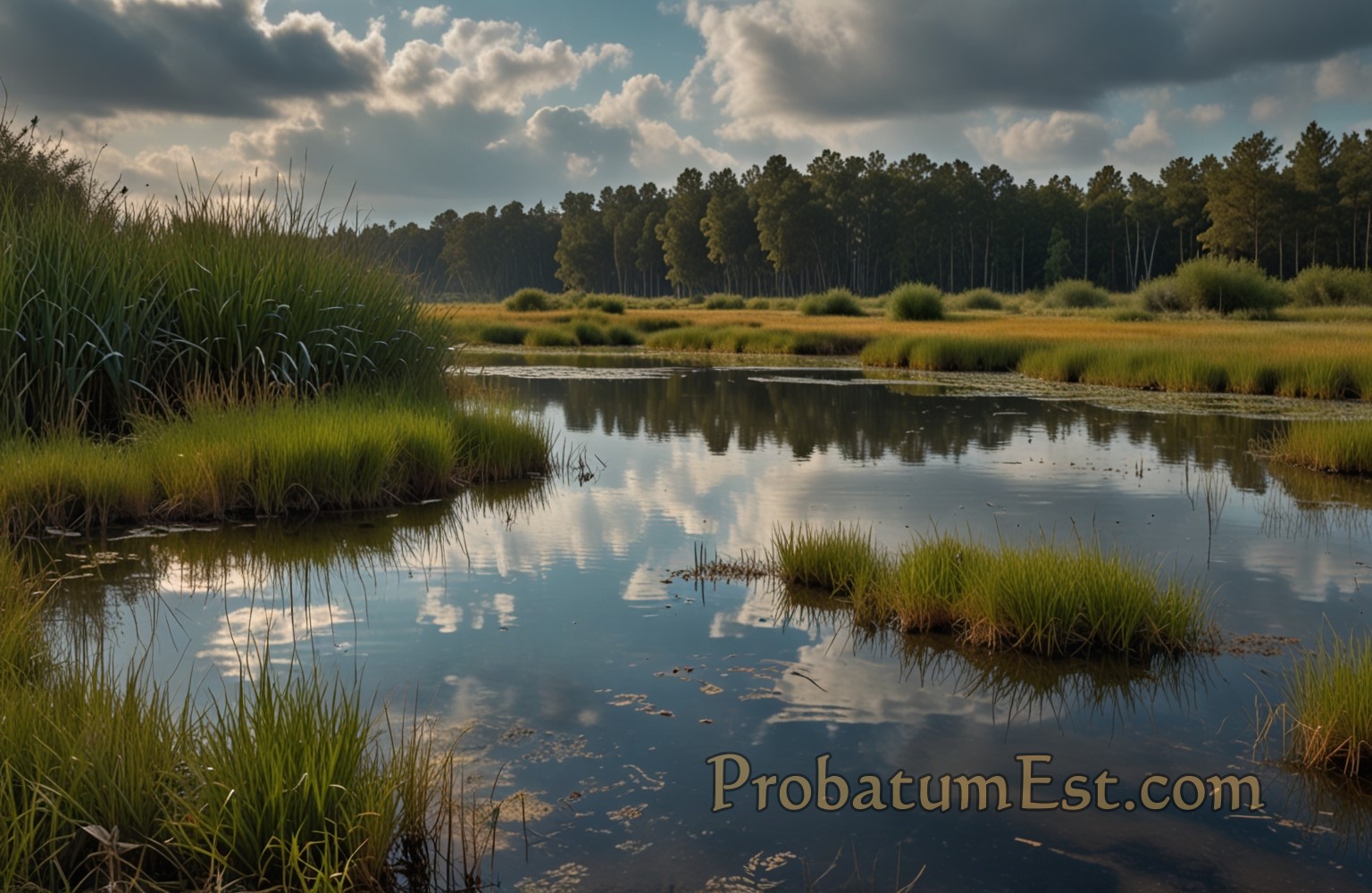
Wetlands – Environmental Guardians of Our Earth
Wetlands are vital natural environments characterized by waterlogged soils or standing water for at least part of the year. They serve as transitional zones between terrestrial and aquatic habitats and support an extraordinary diversity of plants and animals. Below is an in-depth exploration of the defining features of wetlands, their types, ecological functions, key benefits,… …read more

-
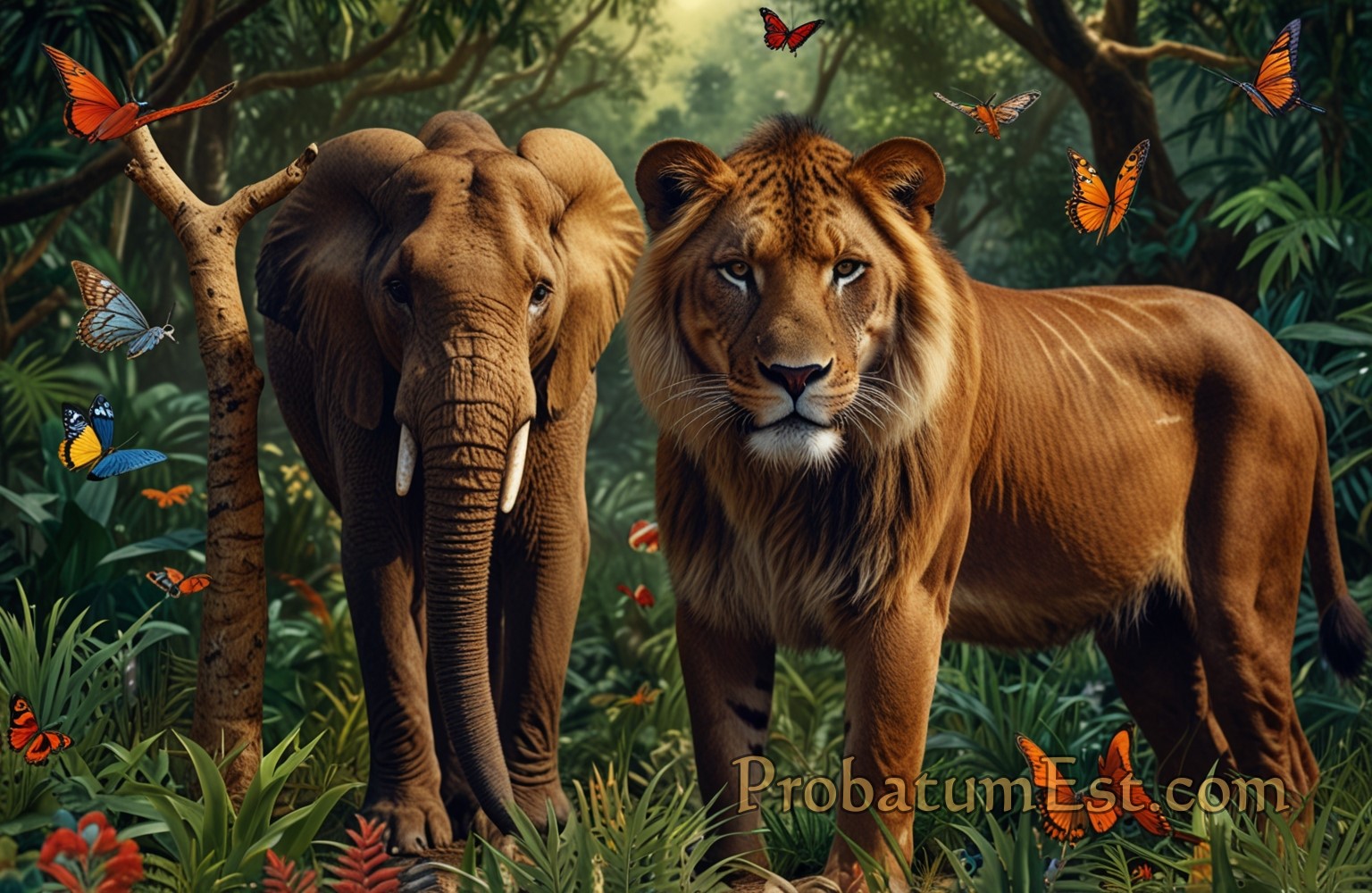
Wildlife – Understanding Our Co-Inhabitants
Wildlife encompasses a vast array of living creatures that inhabit our planet alongside humans. From majestic elephants roaming savannas to microscopic organisms thriving in forest soils, the term “wildlife” includes all non-domesticated species that exist in nature. As our co-inhabitants, these animals, plants, fungi, and other life forms shape ecosystems in essential ways. Exploring the… …read more
-
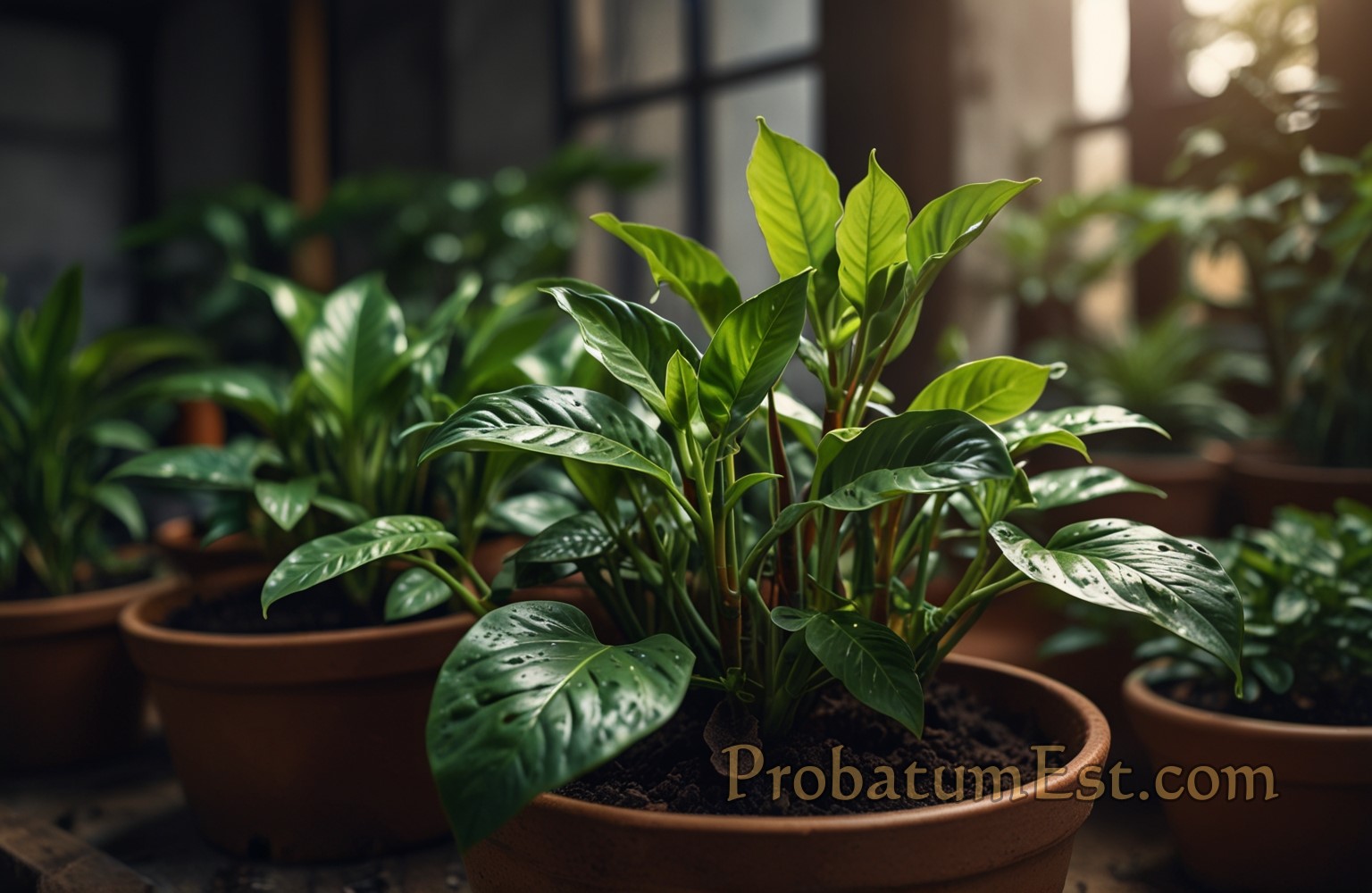
Plants – Introduction to the Wonders of Botany
Plants are an incredibly diverse group of organisms that form the foundation of most terrestrial ecosystems. They play vital roles in food webs, produce oxygen through photosynthesis, and provide countless resources for other living beings. This comprehensive overview explores the biology of plants — encompassing their structure, physiology, life cycles, classification, and ecological value. The… …read more
-
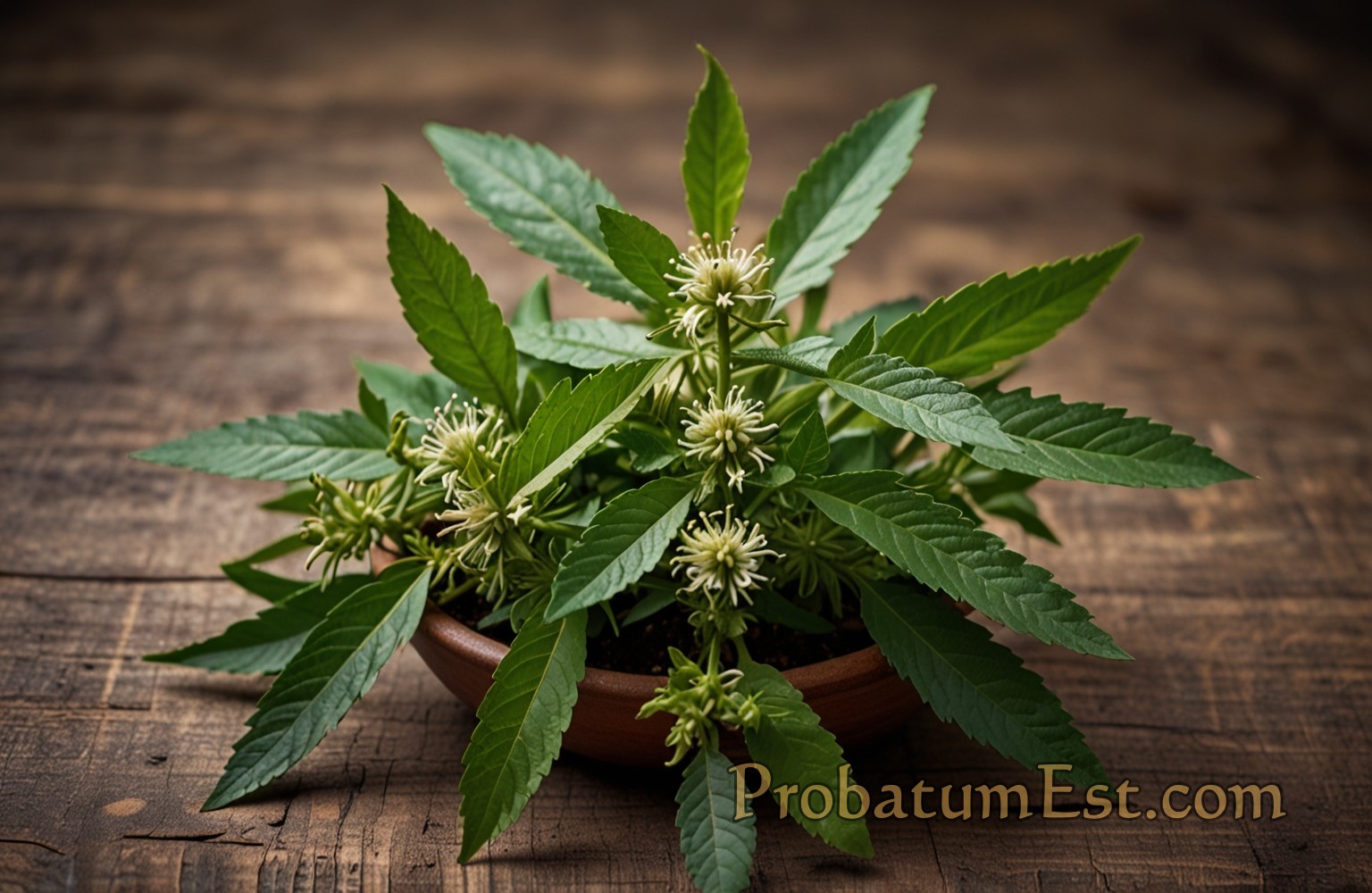
Medicinal Plants
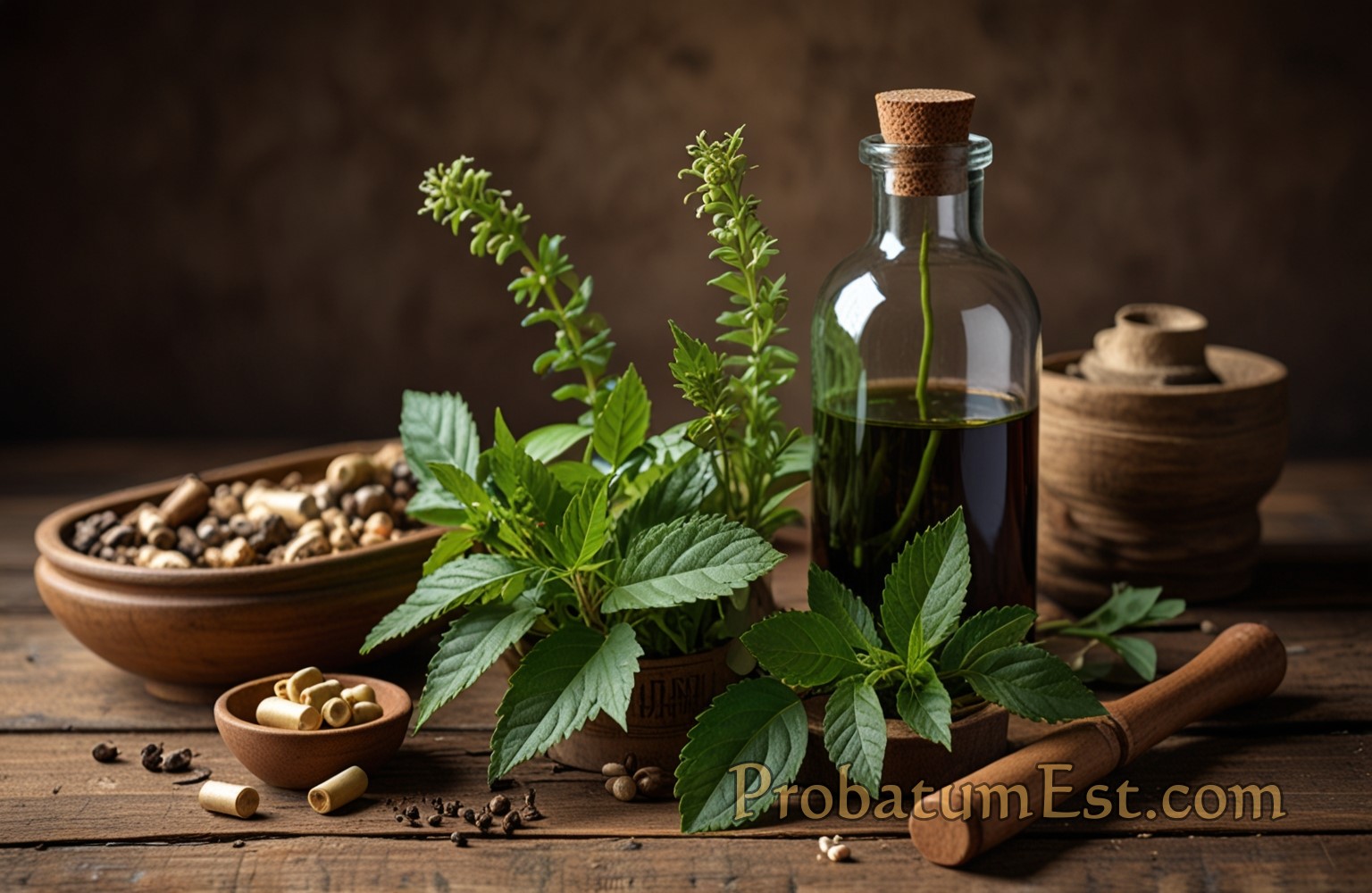
Medicinal Plants have been used for centuries as a primary source of healing and treatment across various cultures. From a biological perspective, they are organisms that produce a range of bioactive compounds with therapeutic properties. Their study encompasses a broad spectrum of disciplines, including botany (with Medicinal Botany as a sub-branch), phytochemistry, pharmacology, and ecology.… …read more
-
Medicinal Botany
Medicinal Botany is the study of plants with therapeutic properties, emphasizing the identification, characterization, and utilization of botanical species for health and healing. It lies at the intersection of traditional herbal practices, pharmacology, and modern scientific research, seeking to deepen our understanding of how plant-derived compounds can be harnessed to prevent and treat a broad… …read more
-
Urban Ecosystems
Urban Ecosystems represent a unique blend of natural and human-modified environments, offering a complex array of interactions between people, plants, animals, and their urban surroundings. As urbanization continues to expand globally, understanding these ecosystems becomes increasingly vital for promoting sustainable urban living and enhancing biodiversity within city landscapes. This article delves into the structure, function,… …read more
-
Environment – Ecological Perspective
The Environment, a term encompassing all living and non-living entities surrounding us, is integral to our understanding of the Earth’s intricate systems. From the air we breathe and the water we drink to the complex web of life forms that share our planet, the environment influences every aspect of human life. However, to grasp the… …read more
-
What Determines What Type of Biome Can Exist in a Region?
Biomes are expansive regions defined by distinct climate conditions, plant types, and ecosystems composed of both flora and fauna adapted to these environments. They are nature’s broad classifications of life zones on Earth. Understanding what determines what type of biome can exist in a particular region is essential for various fields, from ecology and conservation… …read more
-
Which Is the Largest Biome?
In the realm of ecology, biomes represent large ecological areas on the Earth’s surface, housing flora and fauna that have adapted to their environments. They are categorized based on factors such as climate, soil, and the types of organisms that thrive there. Among the diverse biomes that span our planet, the question often arises: Which… …read more
-
Which Biome Has the Most Biodiversity?
Biodiversity, the variety of life on Earth, forms the backbone of ecosystem stability and resilience, providing countless ecological services, from carbon sequestration to nutrient cycling. Among the various biomes that adorn our planet, one stands out for its staggering wealth of species: the tropical rainforest. This verdant biome is often celebrated as the cradle of… …read more