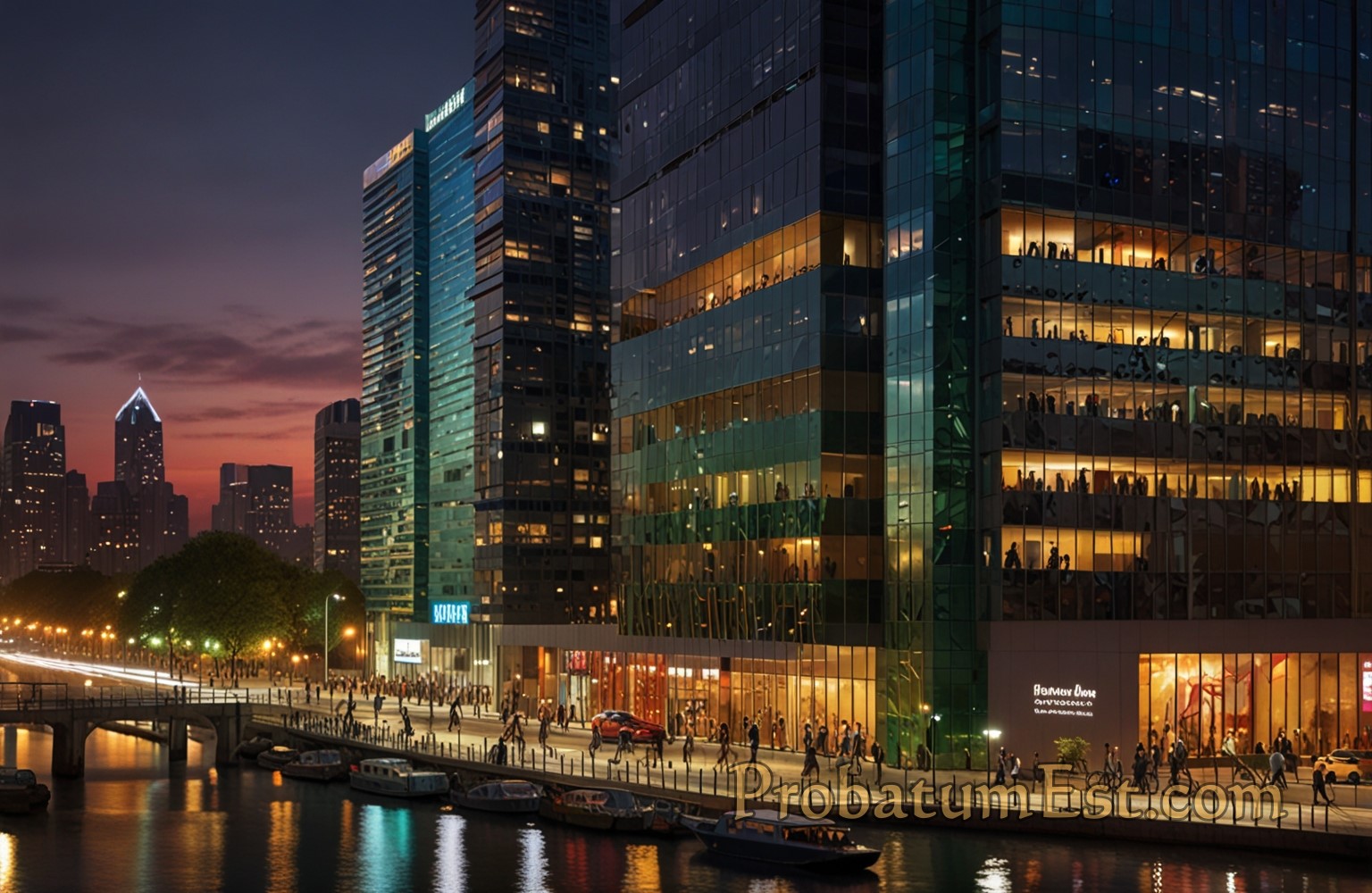
Urban Ecosystems represent a unique blend of natural and human-modified environments, offering a complex array of interactions between people, plants, animals, and their urban surroundings. As urbanization continues to expand globally, understanding these ecosystems becomes increasingly vital for promoting sustainable urban living and enhancing biodiversity within city landscapes. This article delves into the structure, function, and challenges of urban ecosystems, highlighting their significance and the role they play in modern society.
The Structure of Urban Ecosystems
Urban ecosystems are characterized by a diverse matrix of built and natural components. They generally consist of buildings, roads, parks, water bodies, and green spaces interwoven within an urban environment.
- Green Spaces: These include parks, gardens, and urban forests that offer havens for wildlife and contribute to ecological diversity. Urban green spaces can act as ecological corridors connecting isolated habitats.
- Water Bodies: Rivers, lakes, and wetlands within urban settings play vital roles in biodiversity conservation, stormwater management, and recreational opportunities.
- Built Environment: Infrastructure such as residential areas, commercial buildings, and transportation networks constitutes the majority of urban ecosystems, influencing both the ecological processes and the species that inhabit them.
Biodiversity in Urban Settings
Urban ecosystems host a variety of species adapted to coexist with human activities.
- Flora: Urban areas are home to a range of plant species, often distinguished by non-native or ornamental plants, street trees, and vegetation in parks. Native species, however, are vital for preserving local biodiversity and ecological function.
- Fauna: Cities support diverse animal populations, from birds and insects to larger mammals such as foxes and raccoons. Some species thrive due to reduced predation and ample food provided by urban waste, while others struggle with habitat fragmentation.
- Microbial Life: Urban ecosystems house a myriad of microorganisms crucial for nutrient cycling, pollutant decomposition, and maintaining soil health.
Ecosystem Services of Urban Areas
Urban ecosystems offer essential services that enhance quality of life and ecological health within cities:
- Environmental Regulation: Trees and vegetation in urban areas help regulate temperature through shading and evapotranspiration, contribute to carbon sequestration, and improve air quality by trapping pollutants.
- Water Management: Green infrastructures, such as green roofs, permeable pavements, and rain gardens, play a critical role in water management, reducing runoff and mitigating flooding.
- Aesthetic and Recreational Value: Parks and natural spaces provide recreational opportunities, contributing to physical and mental well-being and enhancing the aesthetic appeal of urban environments.
- Cultural and Educational: Urban ecosystems serve as venues for cultural events, educational programs, and community gatherings, fostering a connection between residents and nature.
Challenges Facing Urban Ecosystems
Despite their value, urban ecosystems face numerous challenges:
- Habitat Loss and Fragmentation: Urban development can lead to significant habitat destruction and fragmentation, especially for species requiring large, contiguous areas.
- Pollution: Air, soil, and water pollution in urban areas can have detrimental effects on both wildlife and plant health, disrupting ecological processes.
- Invasive Species: Non-native species, often introduced intentionally or accidentally, can outcompete native species, leading to reduced biodiversity.
- Resource Management: Urban areas demand significant natural resources for energy, water, and materials, necessitating innovative approaches to resource management and sustainability.
Strategies for Enhancing Urban Ecosystems
To mitigate these challenges and foster healthier urban ecosystems, several strategies can be employed:
- Urban Planning and Design: Incorporating green spaces and natural habitats into urban planning can facilitate biodiversity, connection, and ecosystem service provision. Utilizing tools such as Geographic Information Systems (GIS) can help in effective planning and management.
- Community Engagement: By involving local communities in conservation initiatives, cities can foster a sense of stewardship and awareness about urban ecology.
- Policy and Governance: Effective policies regulating land-use planning, pollution control, and conservation can provide necessary frameworks for sustainable urban development.
- Technological Innovation: Technologies such as green architecture, vertical gardens, and smart city solutions can promote energy efficiency and resource conservation within urban ecosystems.
Conclusion
Urban ecosystems represent dynamic environments posing both significant challenges and abundant opportunities for fostering biodiversity and improving urban living. By understanding their structure, function, and services, and addressing their challenges through thoughtful planning and innovative solutions, cities can thrive as vibrant ecosystems well into the future. The synergy between humanity and nature in urban environments will ultimately determine the resilience and ecological harmony of our cities.




Leave a Reply