Category: Science
In this section of our website you find the break down of the fascinating world of scientific disciplines and their intricate subfields. Here, you’ll find enlightening articles that delve into the core principles and methodologies of individual branches of science, from biology and chemistry to physics, earth sciences, and beyond. Each piece offers clear explanations of what each field studies, highlights its significance, and explores the latest advancements and discoveries driving progress in that area. Whether you’re a curious beginner or a seasoned enthusiast, our comprehensive resources aim to deepen your understanding of science’s diverse realms and inspire a greater appreciation for the rigorous inquiry that expands our knowledge of the universe.
-
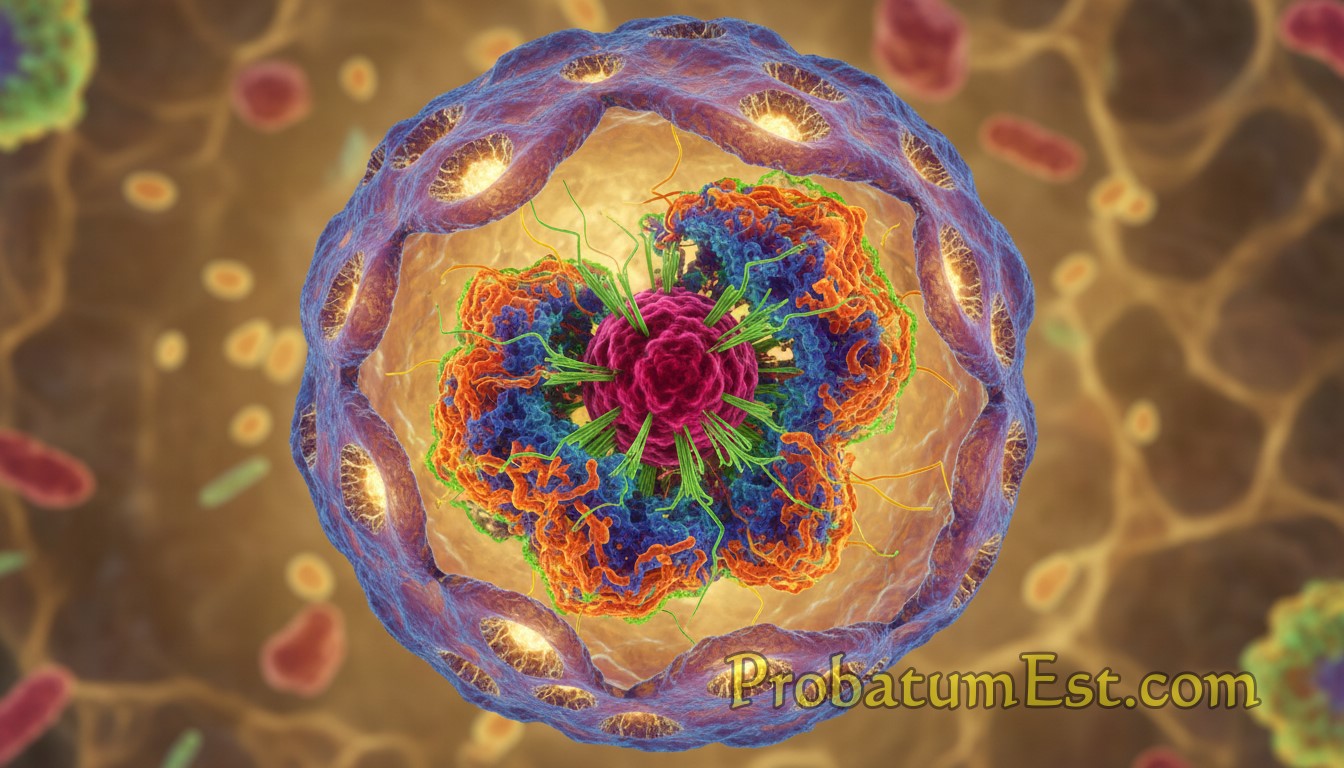
The Cell Nucleus – Structure, Function, and Significance
The cell nucleus is a defining feature of most eukaryotic cells, serving as the command center where the genetic code is stored and processed. First described in 1831 by botanist Robert Brown, the nucleus derives its name from the Latin word for “kernel” or “nut,” underscoring its central importance to cell function. Today, our understanding… …read more

-
Eukaryotes – Unraveling the Complex World of Nucleated Life
Eukaryotes form a diverse realm of organisms distinguished by one key characteristic: their cells contain a membrane-bound nucleus. From single-celled algae to multicellular plants and animals, these nucleated life forms represent a vast majority of the life we see each day. This article explores what defines eukaryotes, examines their importance and diversity, and highlights current… …read more
-
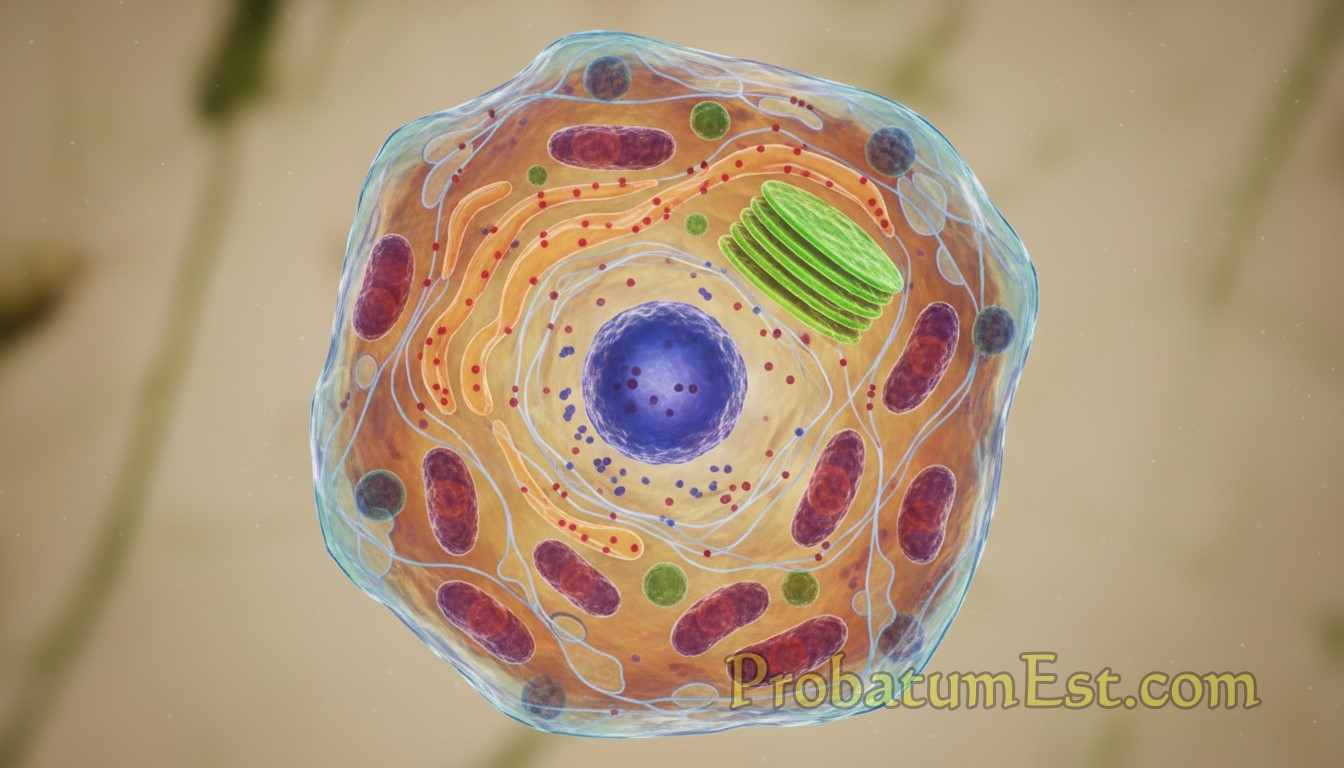
Eukaryotic Cells – A Comprehensive Exploration
Eukaryotic Cells serve as the fundamental building blocks of many diverse organisms, including animals, plants, fungi, and numerous unicellular species. These cells, distinguished by their membrane-bound organelles and true nucleus, underpin a vast array of complex life forms, making them a focal point of scientific research. Below is a thorough overview of eukaryotic cells, including… …read more
-
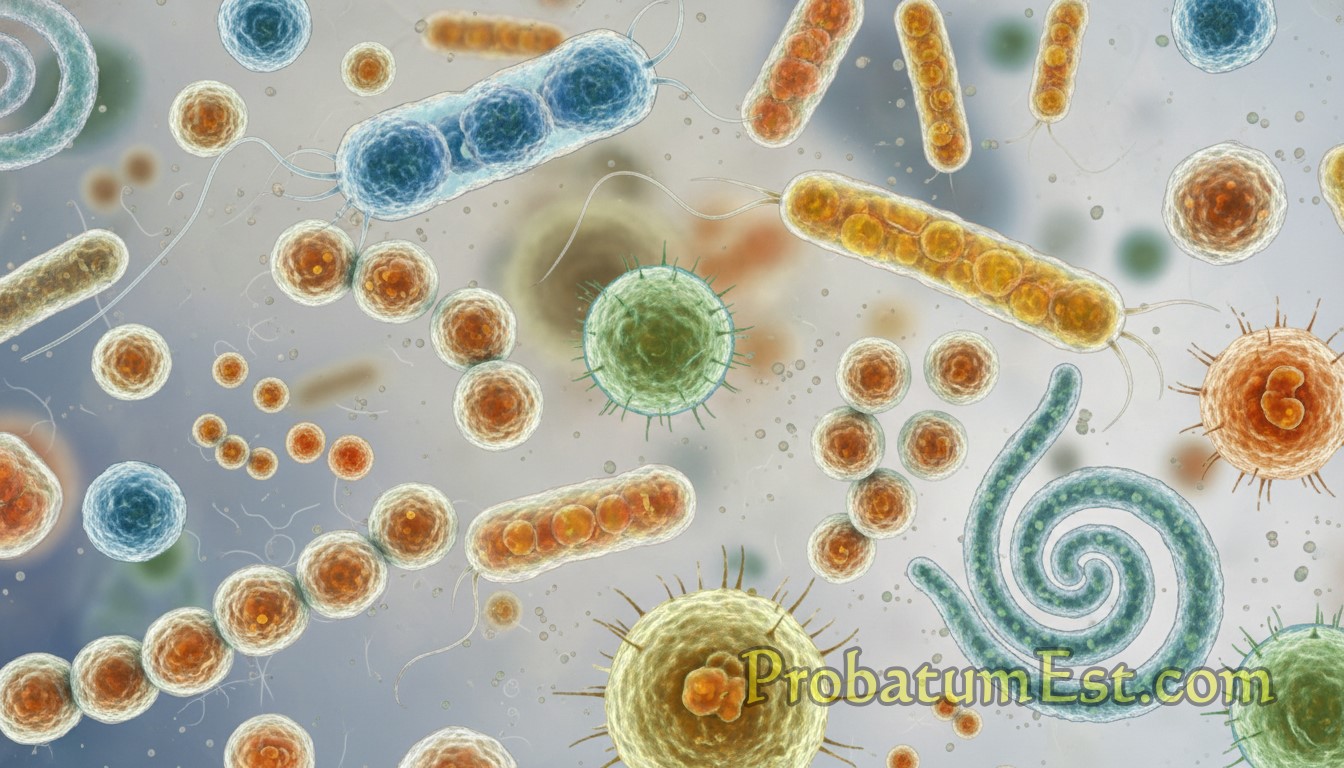
Prokaryotic Cells – A Comprehensive Exploration
Prokaryotic Cells are among the most fundamental and intriguing building blocks of life. Distinguished primarily by their lack of a membrane-bound nucleus, these cells play a vital role across multiple arenas — ranging from human health and agriculture to industrial applications. Below is a deep dive into the world of prokaryotic cells, supported by research… …read more
-
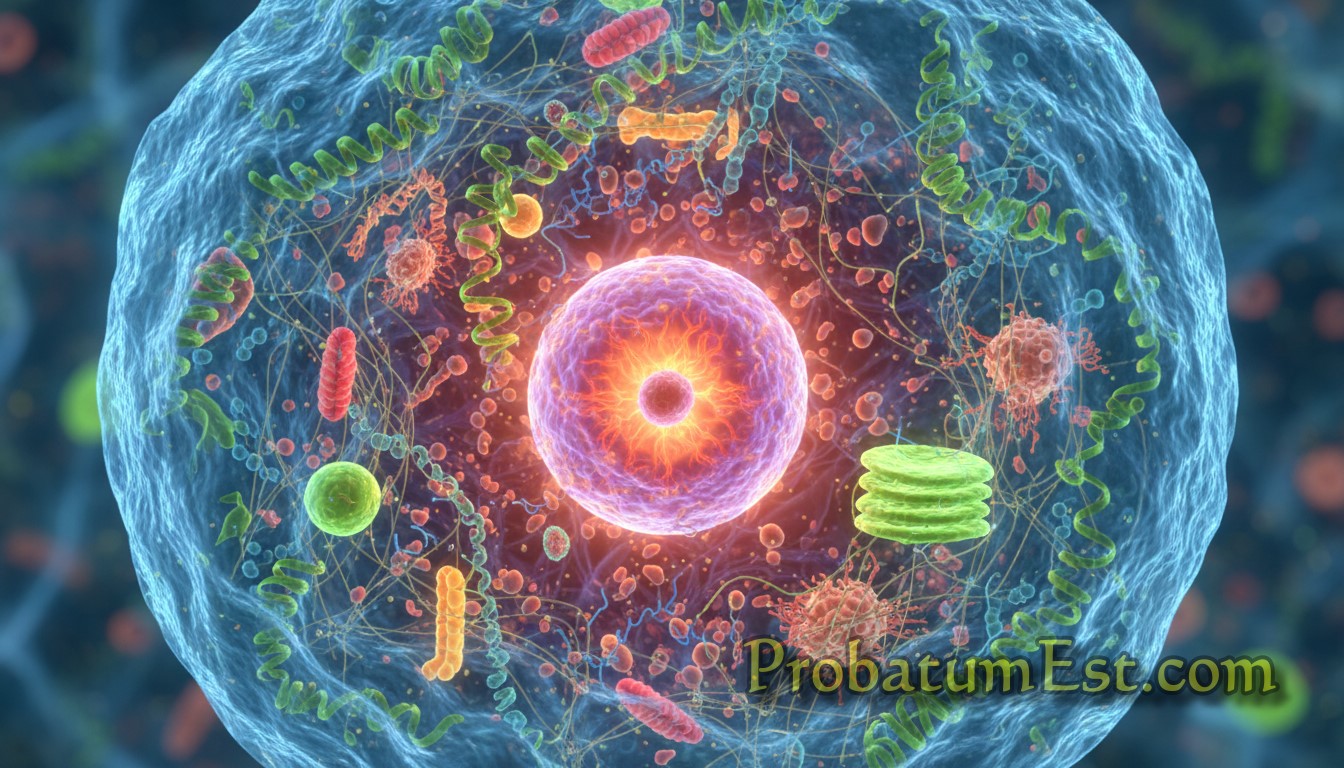
Cell – Understanding the Fundamental Unit of Life
Cells are the smallest living units that compose all known organisms – microcosms of life on which entire biological structures are built. Whether one looks at the tissues in the human body, the roots and leaves of plants, or the myriad unseen organisms in aquatic environments, every form of life depends on cells. This article… …read more
-
Horticulture – Science and Art of Gardening
Horticulture is the art and science of cultivating plants for food, ornamentation, and environmental enhancement (ie gardening). It occupies a vital position in agriculture by focusing on high-value crops such as fruits, vegetables, flowers, and ornamental plants. Beyond its economic and aesthetic contributions, horticulture also delves deep into biology, examining how organisms grow, adapt, and… …read more

-
Pomology – The Study of Fruits
Pomology, derived from the Latin word “pomum” meaning “fruit,” is the branch of horticulture dedicated to the study and cultivation of fruit. This field encompasses a wide range of expertise, from the art and science of orchard management to the biology underlying tree growth, fruit production, and improvement of fruit varieties. Below is a comprehensive… …read more
-
Medicinal Plants
Medicinal Plants have been used for centuries as a primary source of healing and treatment across various cultures. From a biological perspective, they are organisms that produce a range of bioactive compounds with therapeutic properties. Their study encompasses a broad spectrum of disciplines, including botany (with Medicinal Botany as a sub-branch), phytochemistry, pharmacology, and ecology.… …read more
-
Medicinal Botany
Medicinal Botany is the study of plants with therapeutic properties, emphasizing the identification, characterization, and utilization of botanical species for health and healing. It lies at the intersection of traditional herbal practices, pharmacology, and modern scientific research, seeking to deepen our understanding of how plant-derived compounds can be harnessed to prevent and treat a broad… …read more
-
Physical Science
Physical Science represents one of the fundamental branches of natural science. It principally focuses on the study of non-living systems, as opposed to life sciences, which are concerned with living systems. Physical science encompasses a broad array of fields, including physics, chemistry, astronomy, and earth sciences. These disciplines seek to understand the nature and properties… …read more