Category: The World
In this section of our website you explore the universe and the remarkable physical phenomena that define our world. Here you can dive deep into a curated collection of articles that span the vastness of galaxies, the intricate interplay of cosmic forces, and the marvels of our planet – from its diverse continents and countries to its expansive bodies of water and abundant natural resources. Discover the geological wonders that shape the Earth, the minerals that lie beneath our feet, and the ecosystems that flourish across varied landscapes. Our aim is to inspire a sense of wonder and appreciation for the intricate physical tapestry of the universe, highlighting the connections between celestial and terrestrial elements that contribute to the extraordinary planet we call home.
-
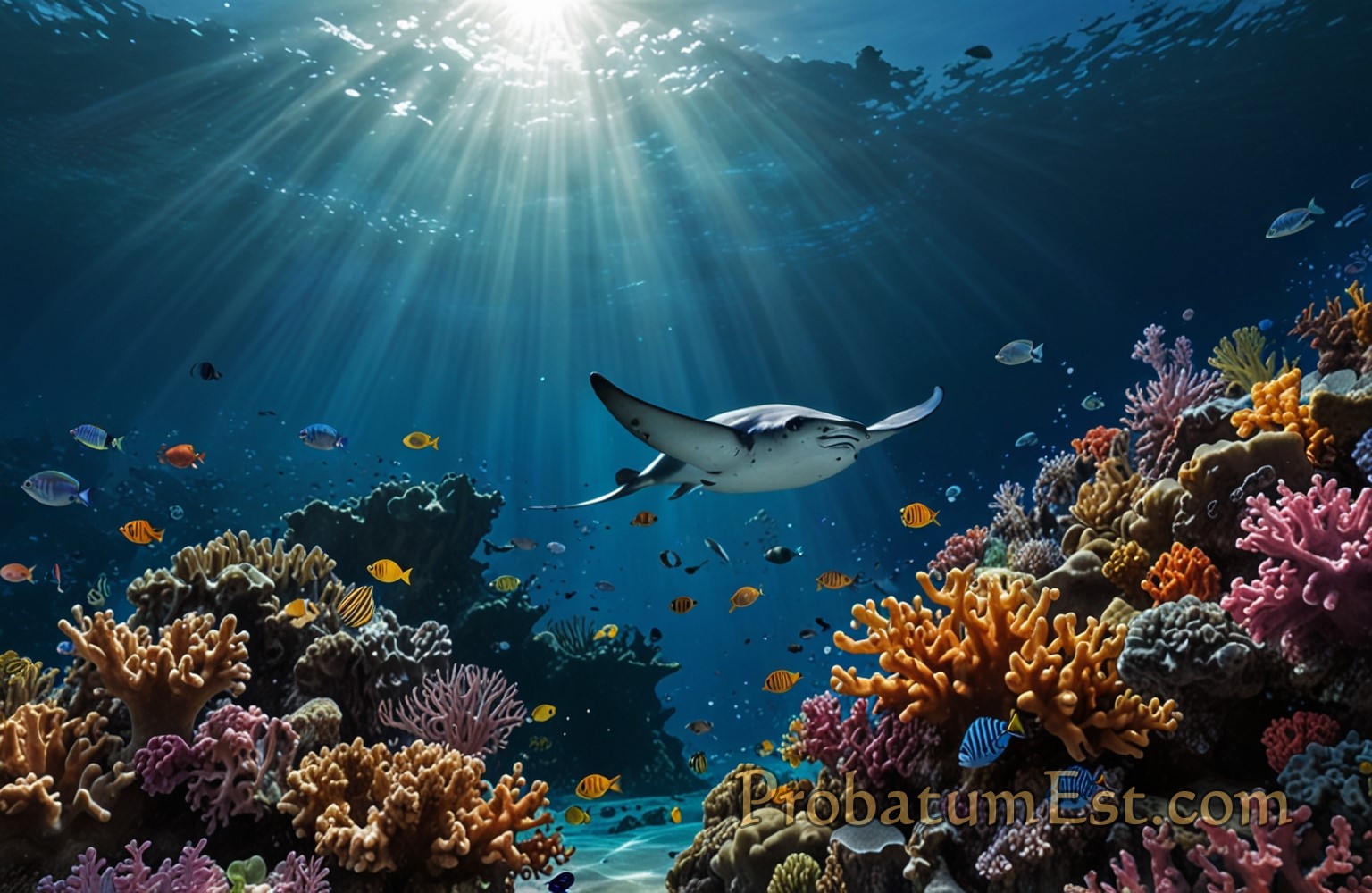
Marine Biomes
Marine Biomes are among the most dynamic and diverse ecosystems on Earth, covering around 70% of the planet’s surface and playing a crucial role in climate regulation and supporting immense biodiversity. By diving into the realm of marine biomes, we encompass not only the vast open ocean but also coastal ecosystems, coral reefs, deep-sea environments,… …read more

-
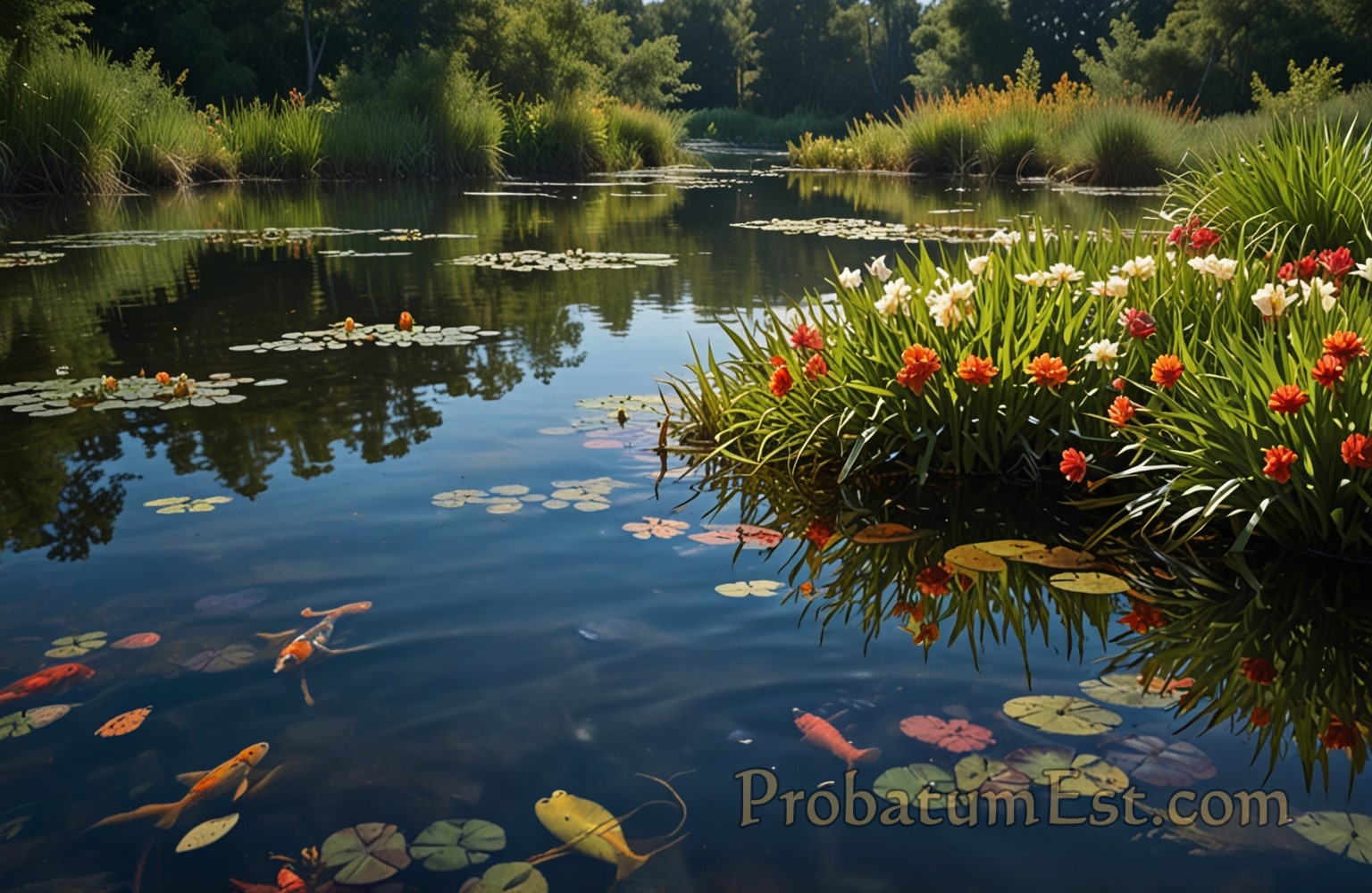
Freshwater Biome
The Freshwater Biome is an indispensable component of the Earth’s ecosystem. Despite covering a mere 2.5% of the global water supply and less than 1% of Earth’s surface, freshwater biomes are vital for sustaining biodiversity, providing water resources, and supporting countless human activities. From lush rivers and serene lakes to mysterious wetlands and invigorating streams,… …read more
-
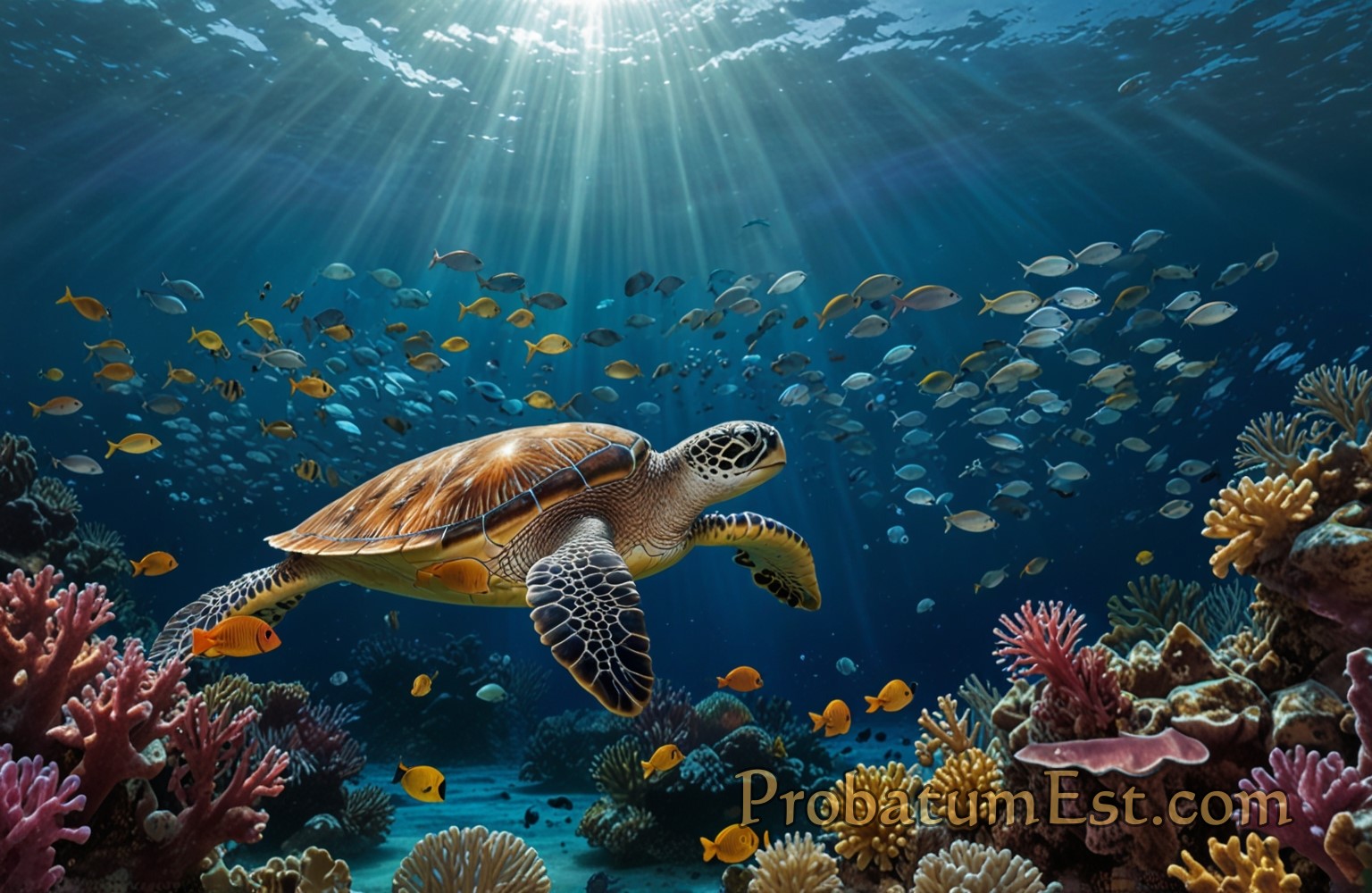
Coral Reefs
Coral Reefs represent some of the most diverse and vital ecosystems on the planet. Often referred to as the “rainforests of the sea,” coral reefs cover less than 1% of the ocean floor yet support approximately 25% of all marine species. Their vibrant beauty and rich biodiversity not only play critical ecological roles but also… …read more
-
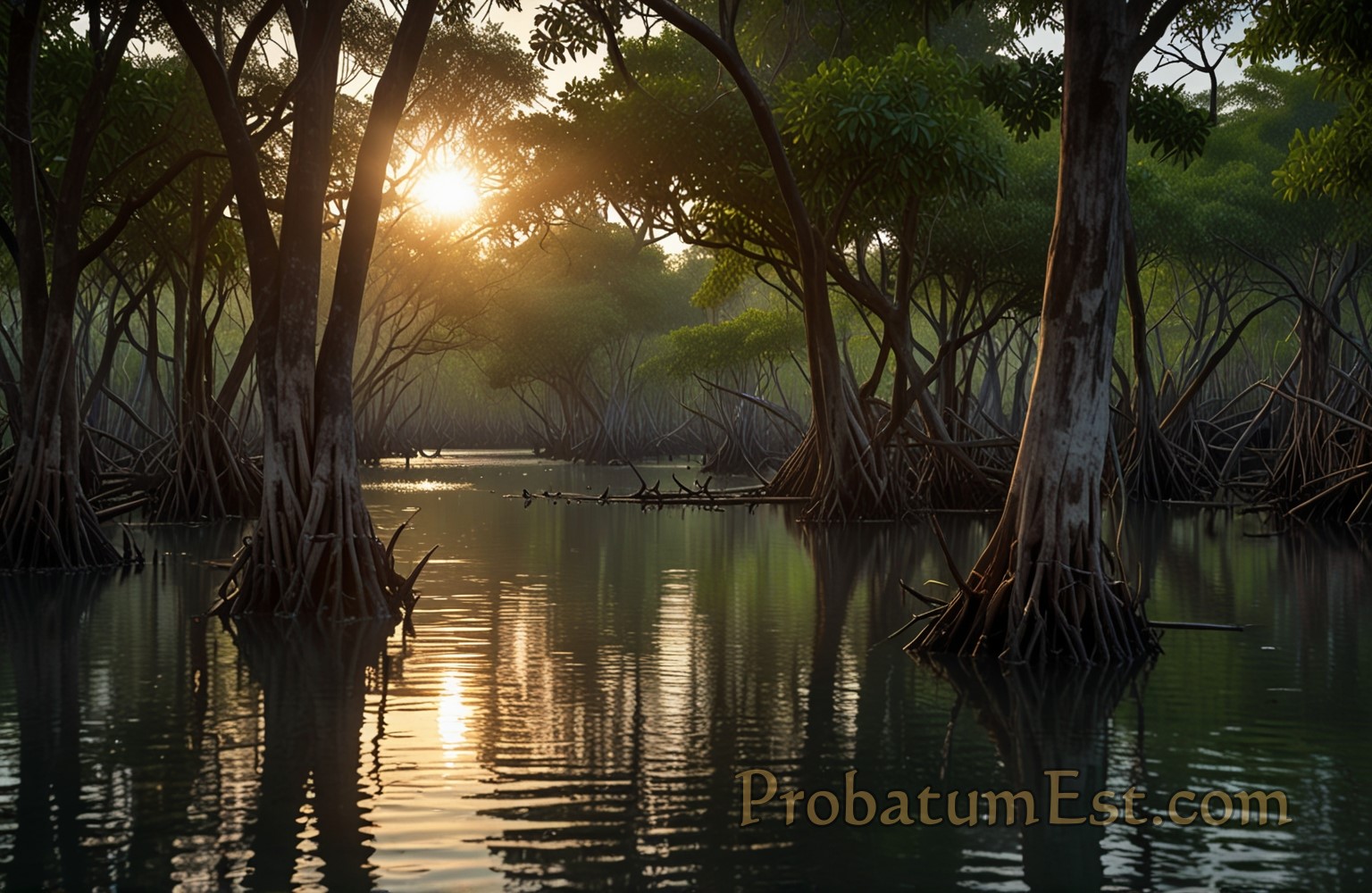
Mangroves
Mangroves are extraordinary organs of nature, comprising a variety of salt-tolerant trees and shrubs that thrive at the intersection of land and sea. These resilient plants are primarily found in subtropical and tropical regions, straddling the world’s coastlines with their distinctive prop roots. Their unique ecological adaptations and contributions make mangroves an indispensable resource for… …read more
-
Chaparral
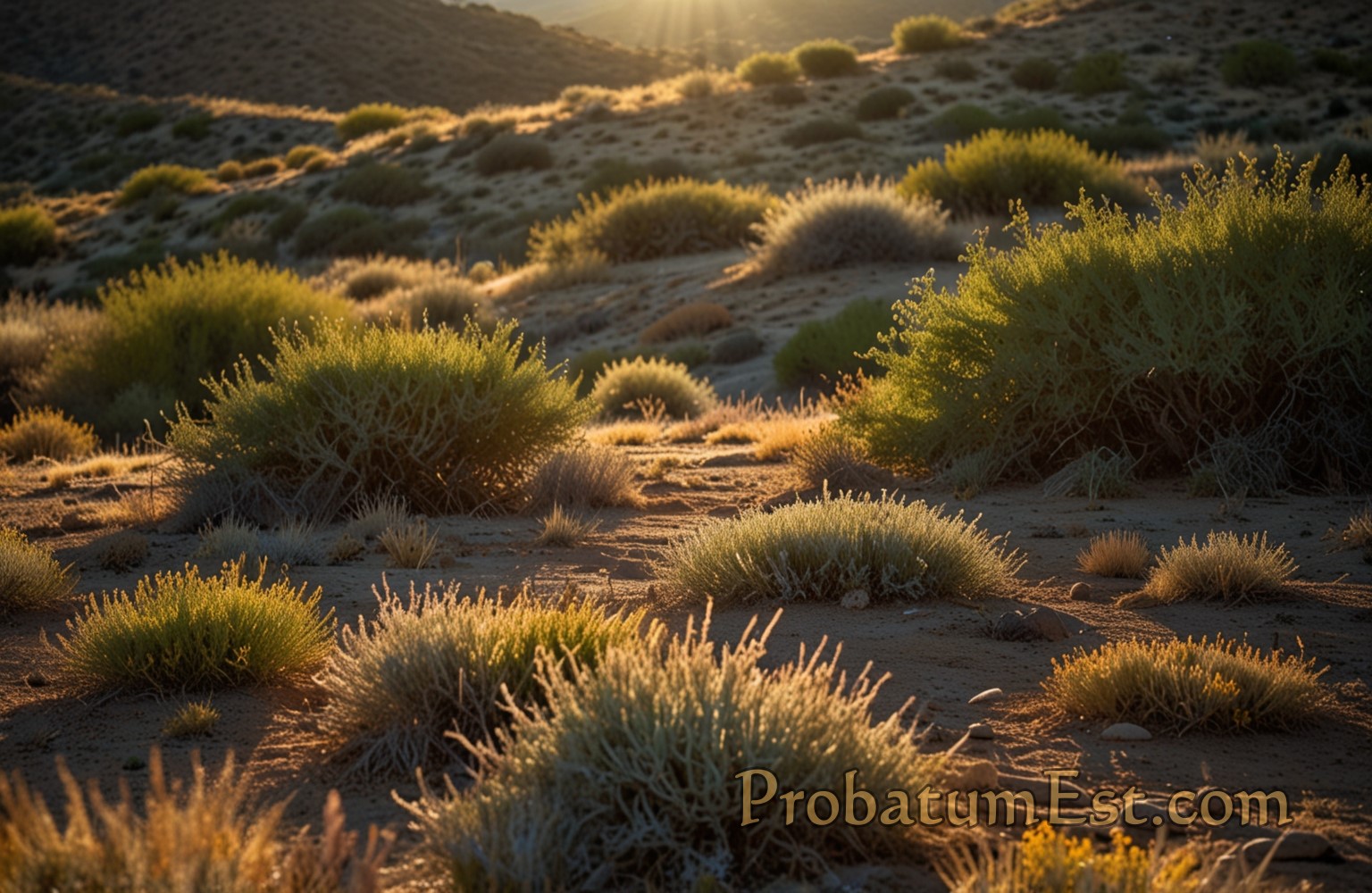
The Chaparral is a distinctive ecosystem that represents a unique interaction between climatic conditions, flora, and fauna. Known for its dense, spiny shrubs and dominance in California, chaparrals are vital ecological zones that contribute significantly to biodiversity and environmental balance. This article delves into the intricate dynamics of the chaparral, exploring its environmental significance, flora… …read more
-
Steppes
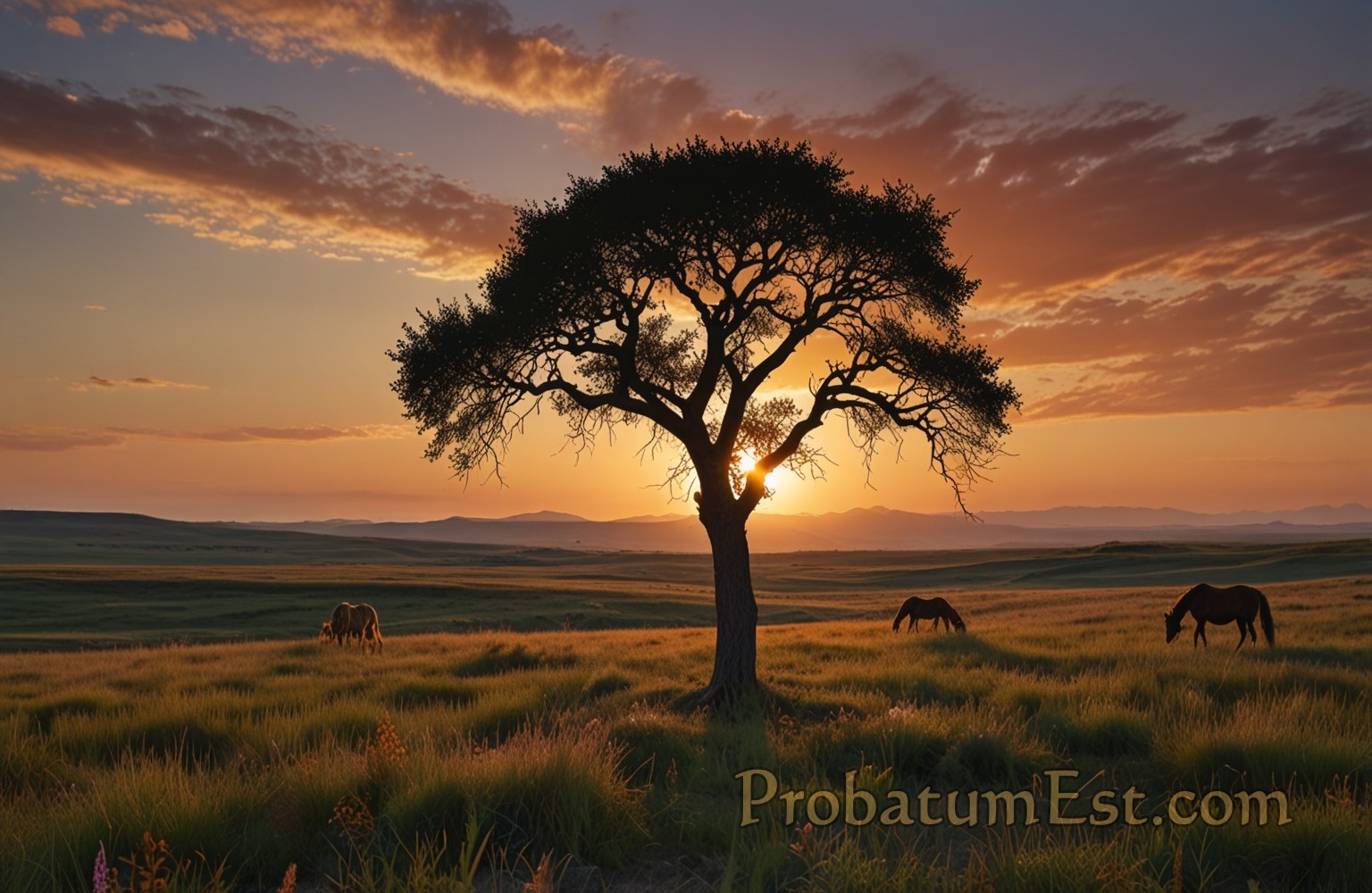
The Steppes are vast, treeless plains that stretch across the continents of Eurasia, covering territories in countries such as Russia, Kazakhstan, Mongolia, and Ukraine. These grasslands, which have played a pivotal role in shaping history, culture, and ecology, are characterized by their unique environments. This comprehensive exploration delves into the geography, ecology, historical significance, cultural… …read more
-
Indigenous Peoples – Cultures, Challenges and Contributions
Indigenous Peoples represent the earliest known inhabitants of regions around the world. They are culturally distinct societies that have maintained traditions, languages, and ways of life across generations. Among the most resilient communities globally, indigenous peoples have faced numerous adversities while contributing significantly to the cultural and ecological wealth of our planet. This article delves… …read more
-
Prairies
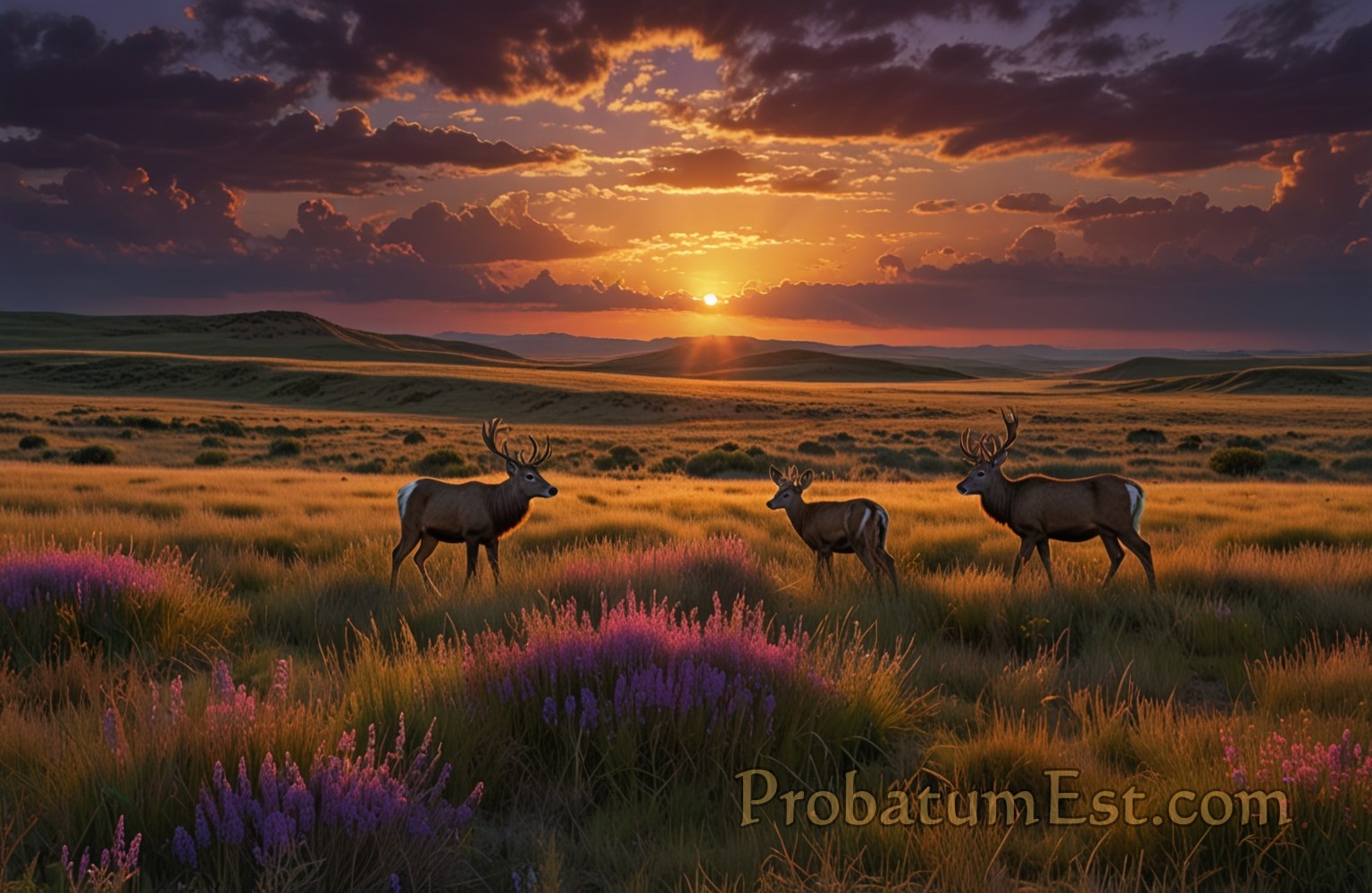
The Prairies, often romanticized as the expansive heart of North America, encompass a vast region characterized by a unique blend of ecological, cultural, and economic significance. Stretching from the Canadian provinces of Alberta, Saskatchewan, and Manitoba to the central United States, the Prairies offer a mosaic of grasslands, rich agricultural land, and vibrant communities. This… …read more
-
Grasslands
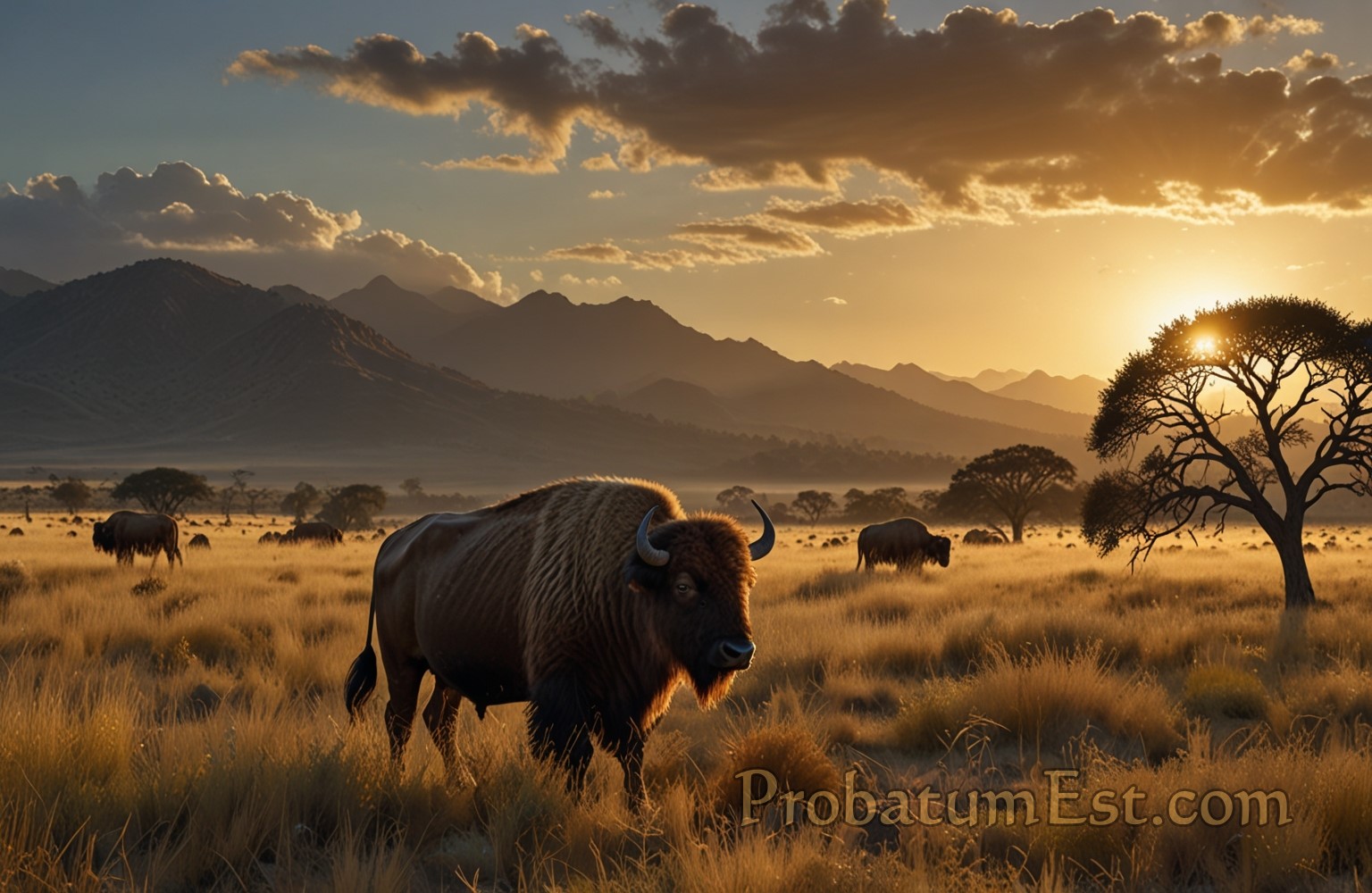
Grasslands, often regarded as the Earth‘s vast ocean of grass, cover roughly one-third of the planet’s land area. These ecosystems, characterized by wide open spaces, minimal tree cover, and an abundance of grasses and herbaceous plants, play a critical role in global biodiversity, climate regulation, and agriculture. This article delves into the intricate world of… …read more
-
Biodiversity – Vast and Vital World of Life
Biodiversity, a term derived from “biological diversity,” encompasses the variety of life forms on Earth. It represents the vast array of species, genetic differences within those species, and the complex ecosystems they form. Biodiversity is not just about a collection of different species; it’s about the balance and interdependence between these species and their environments.… …read more