Category: The World
In this section of our website you explore the universe and the remarkable physical phenomena that define our world. Here you can dive deep into a curated collection of articles that span the vastness of galaxies, the intricate interplay of cosmic forces, and the marvels of our planet – from its diverse continents and countries to its expansive bodies of water and abundant natural resources. Discover the geological wonders that shape the Earth, the minerals that lie beneath our feet, and the ecosystems that flourish across varied landscapes. Our aim is to inspire a sense of wonder and appreciation for the intricate physical tapestry of the universe, highlighting the connections between celestial and terrestrial elements that contribute to the extraordinary planet we call home.
-
Agriculture and Ecology
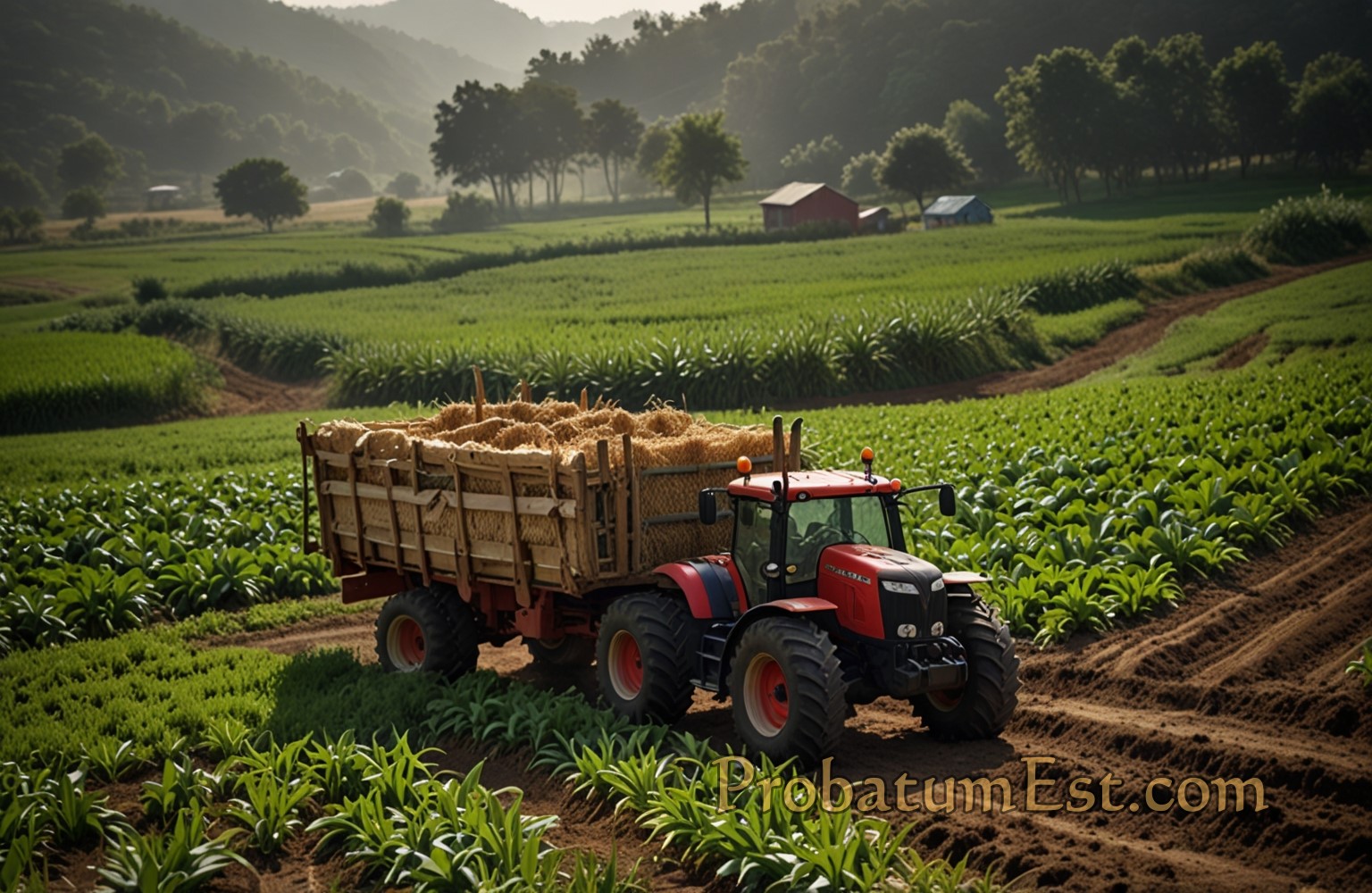
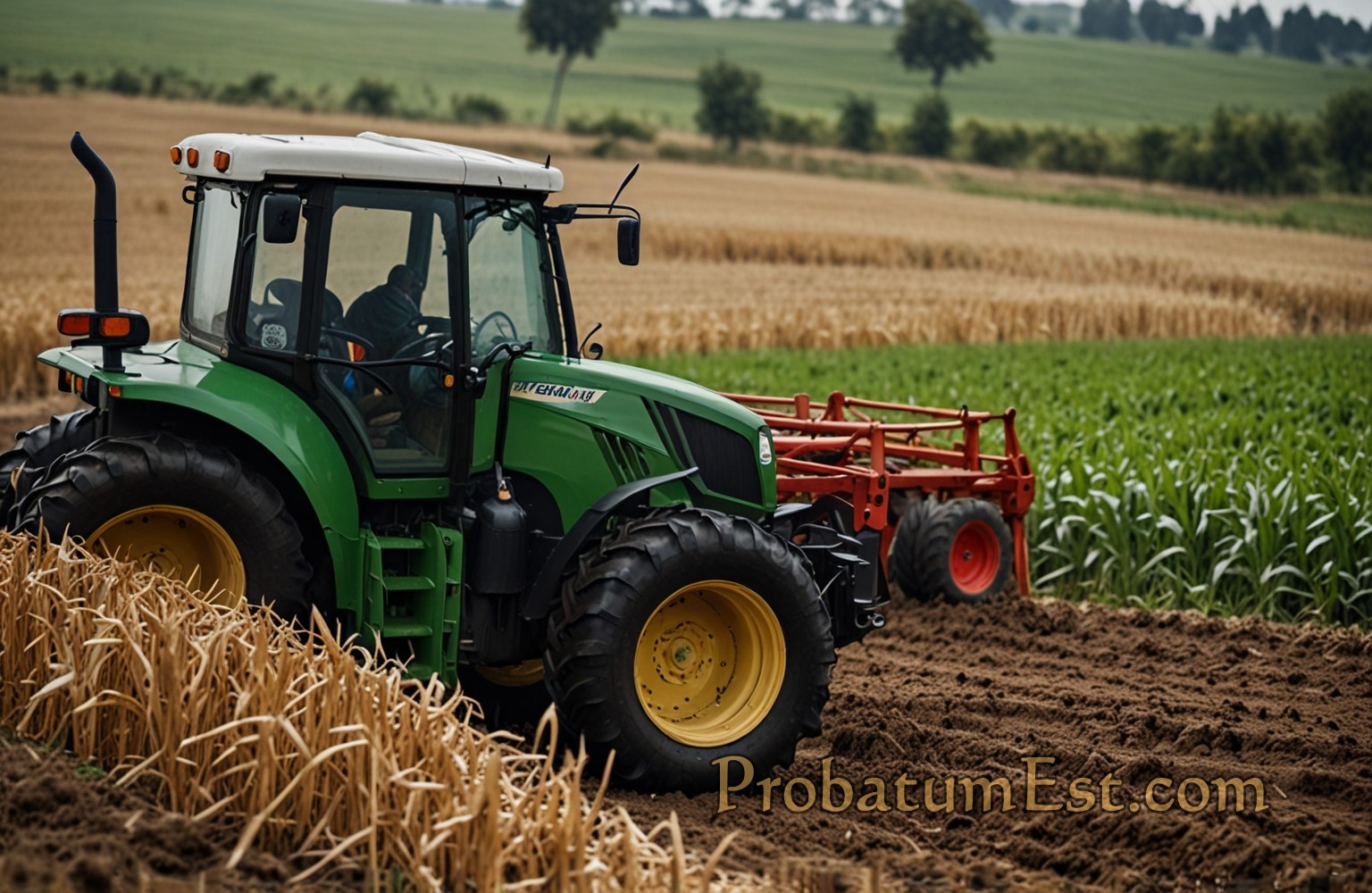
Agriculture, the backbone of human civilization, plays an essential role in providing food, fiber, and fuel. As the population grows, the demand for agricultural products increases, pressing onto ecosystems and their delicate balance. Understanding agriculture through an ecological lens allows us to explore how farming practices impact and interact with natural ecosystems. This approach is… …read more

-
Agriculture – Bedrock of Civilization and Modern Society
Agriculture stands as one of the most fundamental pillars underpinning human civilization. From the dawn of time, when nomadic tribes settled to till the soil and cultivate crops, to the advanced agrotechnology of today, agriculture has played a pivotal role in the sustenance and advancement of human societies. This article delves deeply into the multifaceted… …read more
-
Urbanization
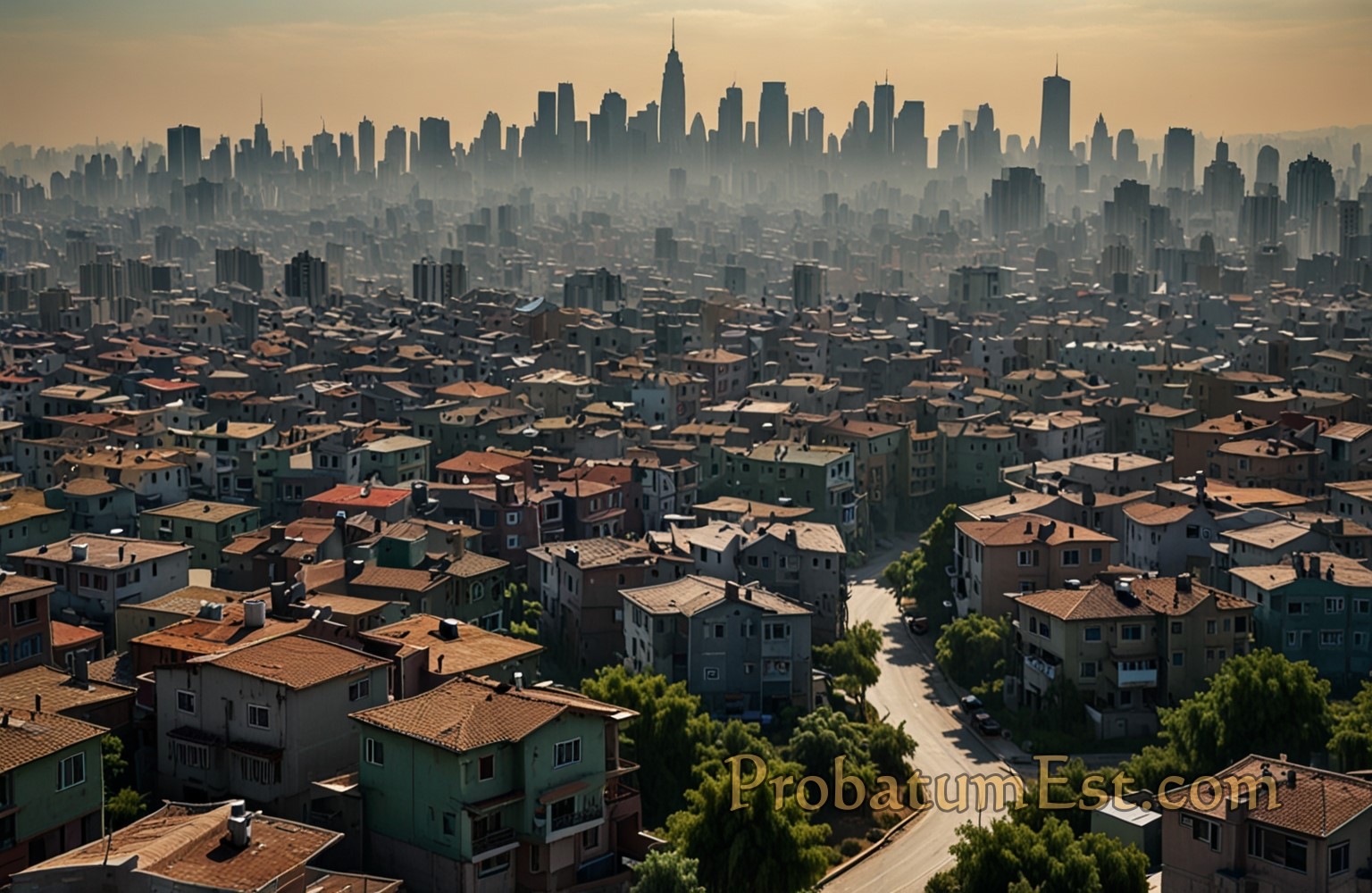
Urbanization is an omnipresent phenomenon reflecting the dynamic growth and expansion of urban areas at the expense of rural landscapes. Born out of the industrial revolutions, urbanization continues to reshape the global landscape, bringing with it an array of socioeconomic, cultural, environmental, and political transformations. As we progress further into the 21st century, urban areas… …read more
-
Pollution
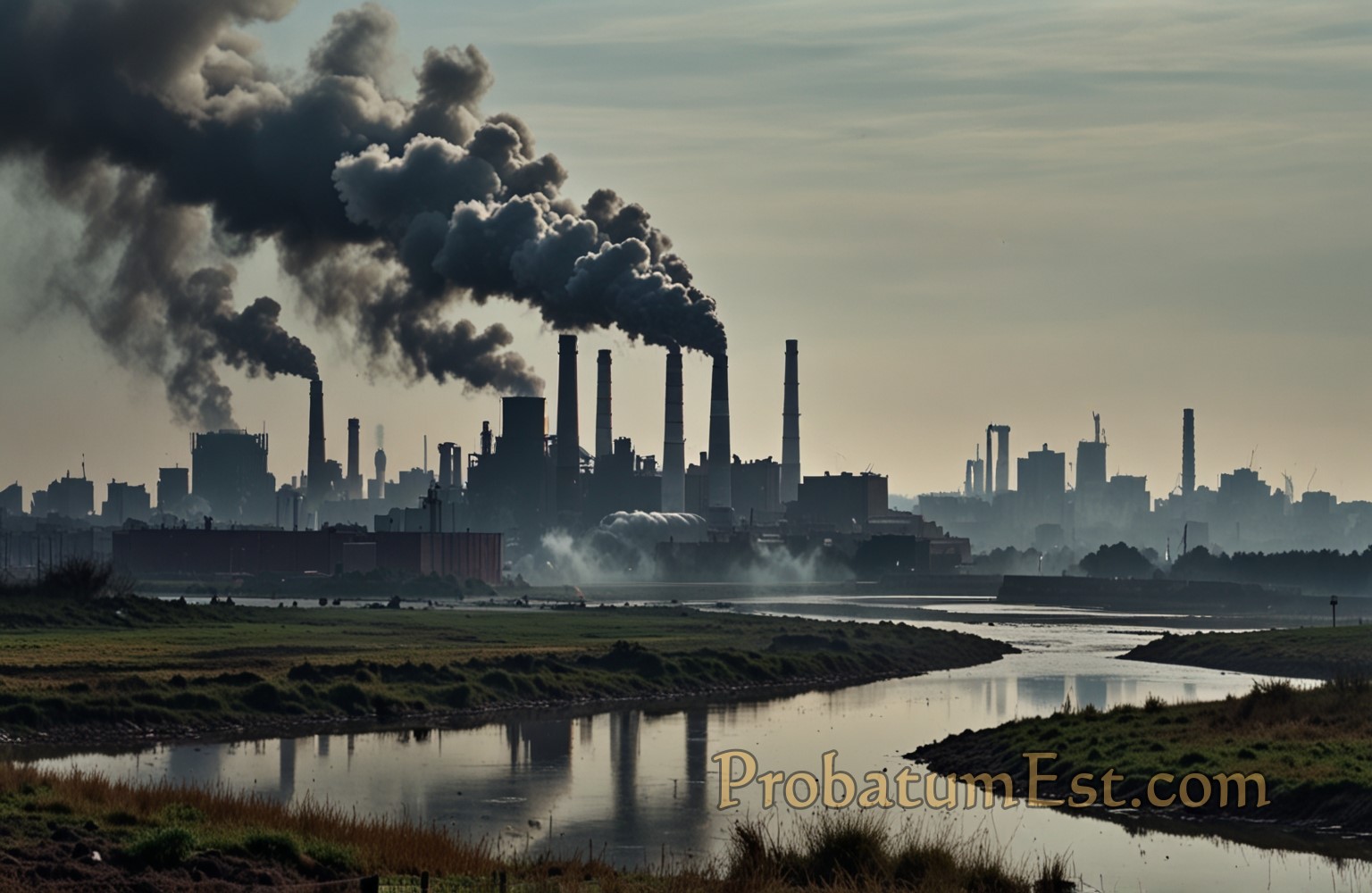
Pollution, the contamination of the natural environment, has detrimental effects on ecosystems, human health, and the planet’s climate. It’s a problem as old as civilizations themselves, but the modern scale and complexity of pollution is unprecedented, driven by industrialization, urbanization, and exponential population growth. This article will delve into the various types of pollution, their… …read more
-
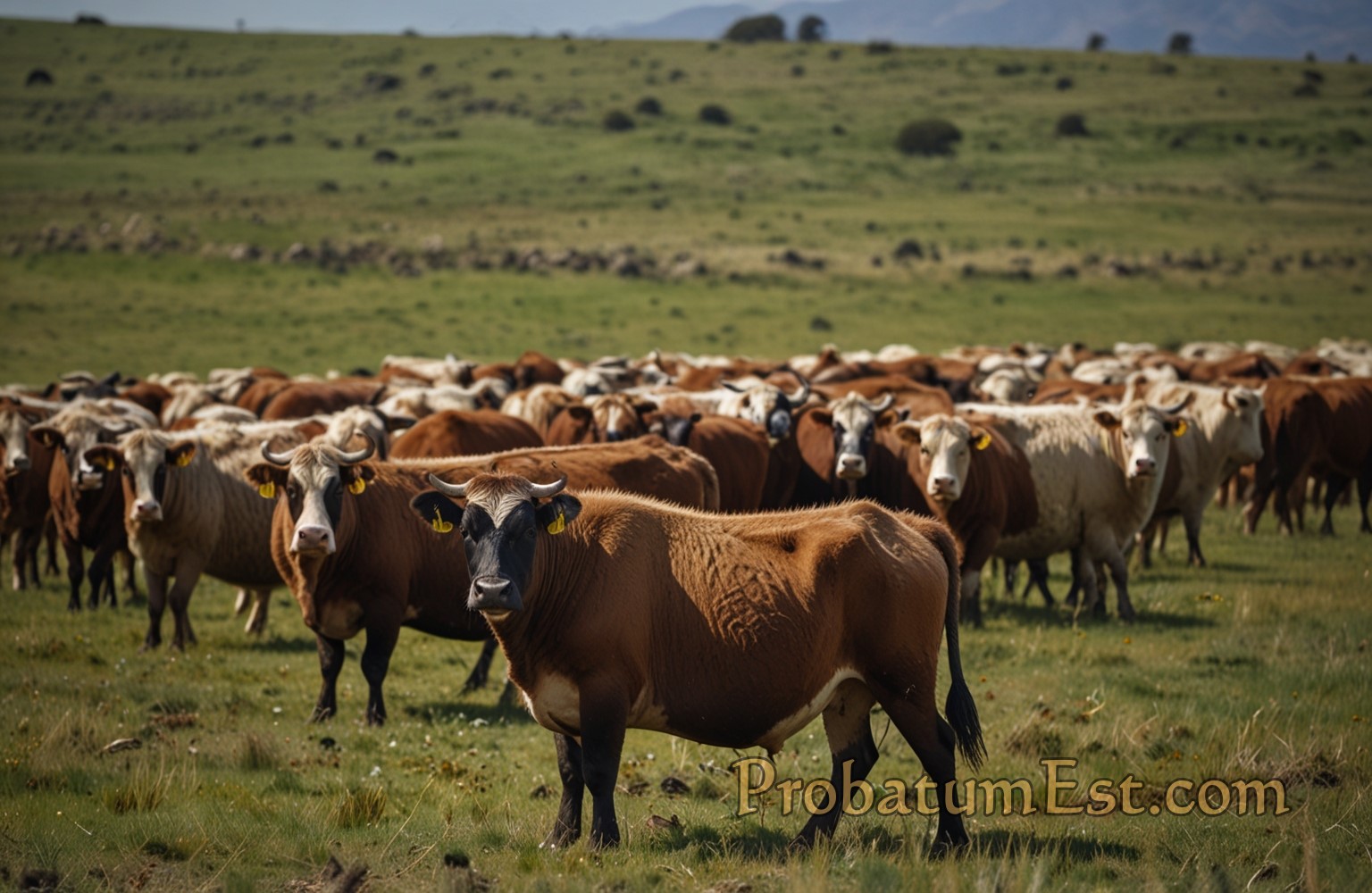
Overgrazing
Overgrazing is a significant environmental issue that affects ecosystems globally. It occurs when livestock consume grasslands or pasture to an extent that prevents vegetation from regenerating, leading to soil erosion, loss of biodiversity, and land degradation. As human populations grow and demand for livestock products increases, the pressures on grazing lands intensify, with detrimental impacts… …read more
-
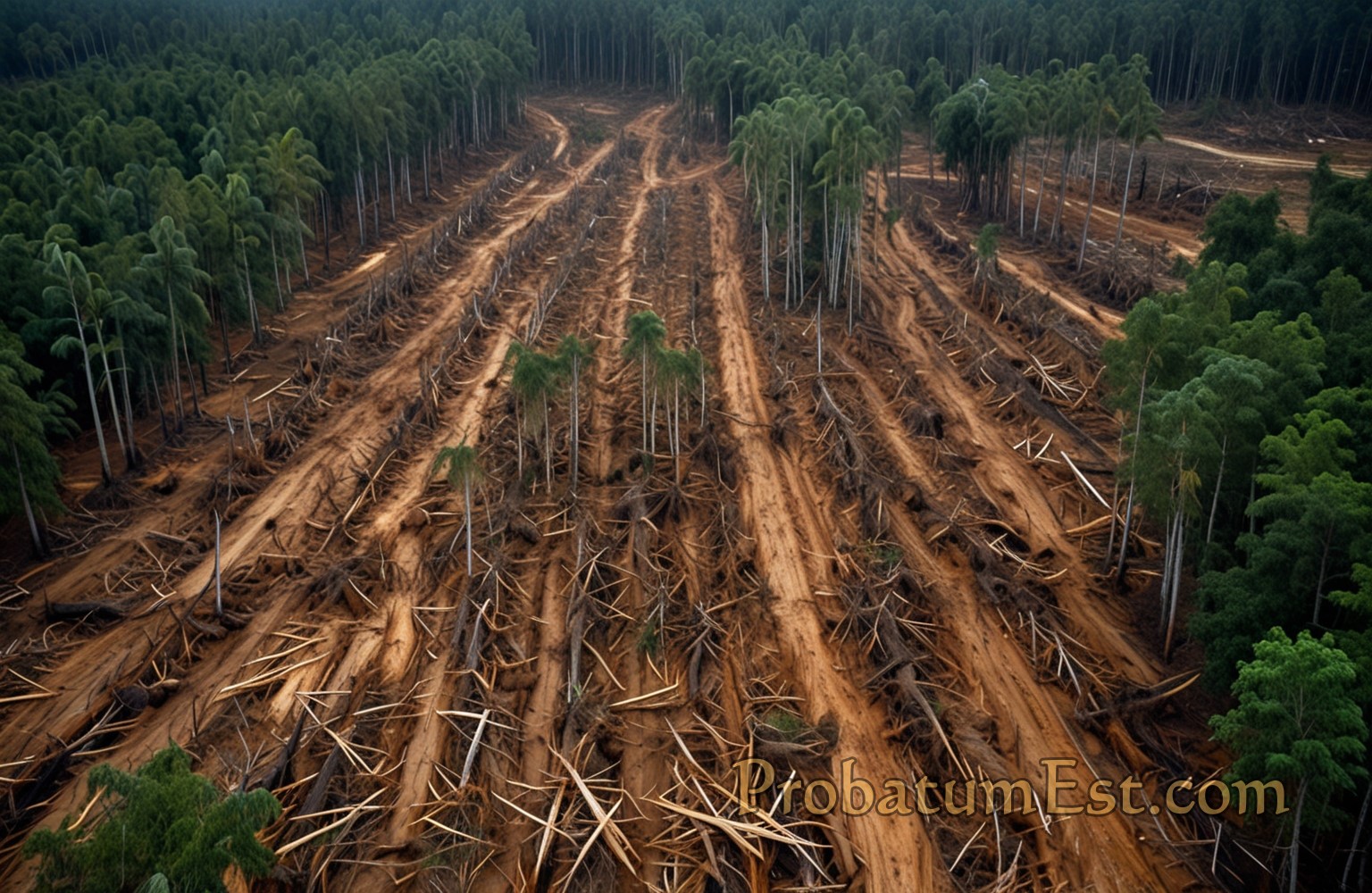
Deforestation
Deforestation refers to the large-scale removal of forested areas, often converting them into non-forest uses such as agriculture, ranching, or urban development. This practice has profound implications not only for the local environments where it occurs but also for global ecosystems and climate systems. As the Earth continues to experience rapid industrialization and population growth,… …read more
-
What Determines What Type of Biome Can Exist in a Region?
Biomes are expansive regions defined by distinct climate conditions, plant types, and ecosystems composed of both flora and fauna adapted to these environments. They are nature’s broad classifications of life zones on Earth. Understanding what determines what type of biome can exist in a particular region is essential for various fields, from ecology and conservation… …read more
-
Which Is the Largest Biome?
In the realm of ecology, biomes represent large ecological areas on the Earth’s surface, housing flora and fauna that have adapted to their environments. They are categorized based on factors such as climate, soil, and the types of organisms that thrive there. Among the diverse biomes that span our planet, the question often arises: Which… …read more
-
Which Biome Has the Most Biodiversity?
Biodiversity, the variety of life on Earth, forms the backbone of ecosystem stability and resilience, providing countless ecological services, from carbon sequestration to nutrient cycling. Among the various biomes that adorn our planet, one stands out for its staggering wealth of species: the tropical rainforest. This verdant biome is often celebrated as the cradle of… …read more
-
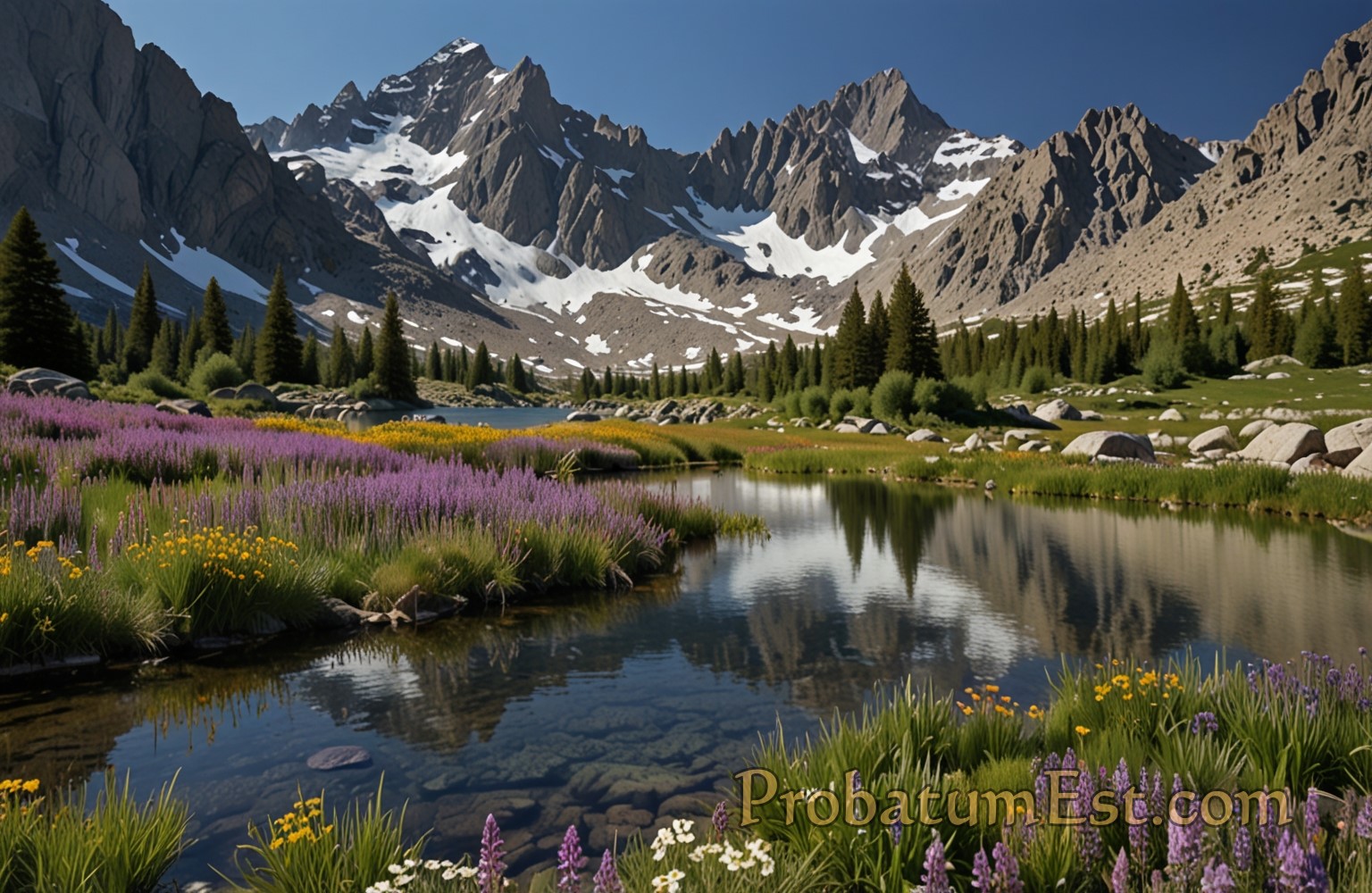
Alpine Biome
The Alpine Biome is a unique and fascinating ecosystem characterized by cold temperatures, high altitudes, and a variety of specialized life forms. This biome is typically found in mountainous regions across the globe, above the tree line, where the harsh environmental conditions prevent the growth of large plants and trees. In this comprehensive article, we… …read more