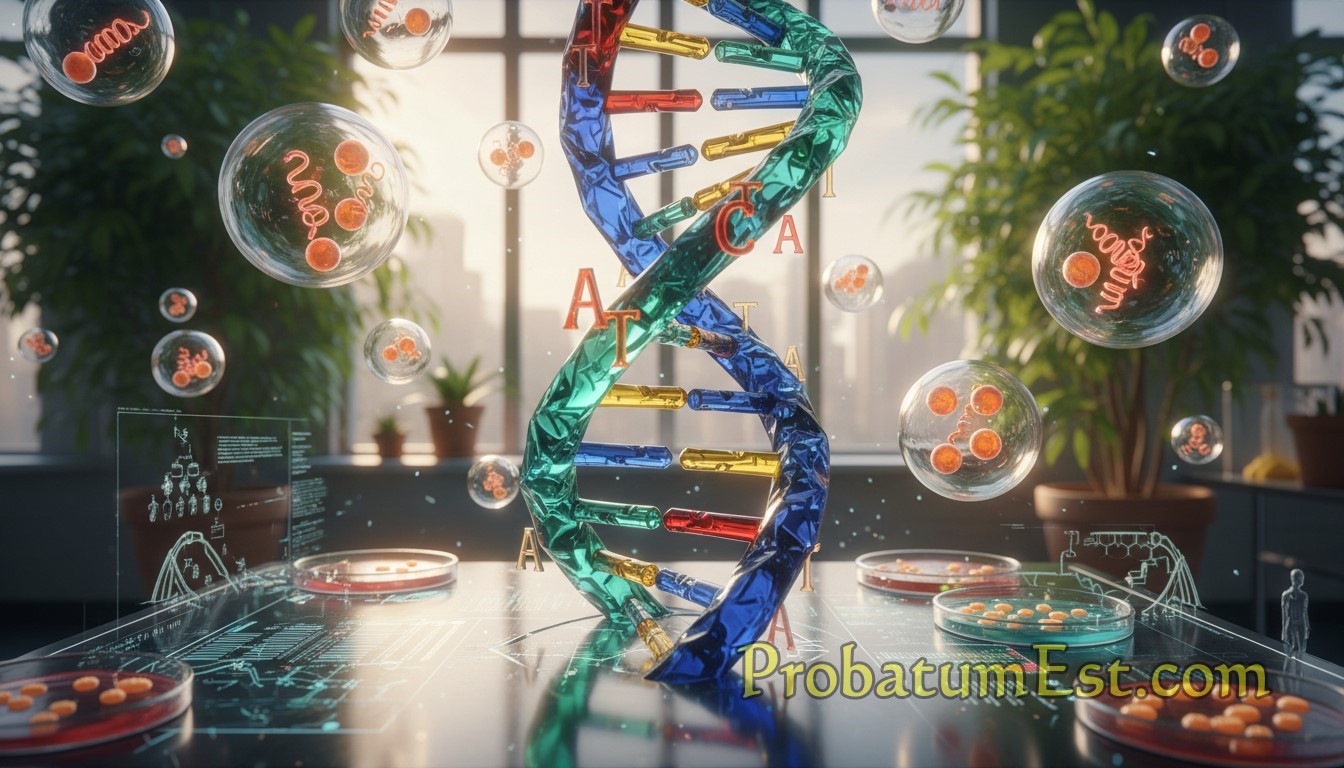
Genetics, often described as the science of heredity, is a vast and dynamic field that studies how traits and characteristics are passed from one generation to the next. Far beyond a simple explanation of why a child has a certain eye color, genetics underpins critical discoveries in medicine, agriculture, forensic science, and numerous other disciplines. This comprehensive overview aims to shed light on the various facets of genetics, from its historical underpinnings to cutting-edge research in personalized medicine.
1. Historical Milestones and Foundational Concepts
1.1 Gregor Mendel and Inheritance Patterns
When exploring genetics, many start with Gregor Mendel, a 19th-century Augustinian monk whose experiments with pea plants laid the groundwork for understanding basic inheritance patterns. Through meticulous breeding of pea plants exhibiting different traits (e.g., flower color, seed shape), Mendel identified predictable ratios in offspring. These observations led to the formulation of Mendel’s Laws of Inheritance, which clarified how traits and variations are transmitted.
1.2 Chromosomes, DNA, and Genes
Building on Mendel’s discoveries, scientists eventually pinpointed chromosomes as the structures carrying hereditary information. In humans, each cell typically contains 46 chromosomes — 23 inherited from each parent. In 1953, James Watson and Francis Crick famously presented the double-helix model of deoxyribonucleic acid (DNA). DNA comprises four chemical bases — adenine (A), thymine (T), cytosine (C), and guanine (G) — whose specific sequences lay out the genetic code. Segments of DNA that encode specific instructions for producing proteins are called genes. According to the U.S. National Library of Medicine, humans have approximately 20,000 to 25,000 genes in total.
1.3 Human Genome Project (HGP)
Perhaps one of the most ambitious scientific endeavors in modern history, the Human Genome Project was officially completed in 2003 and provided a full sequence of the billions of base pairs in human DNA. Researchers from around the world contributed to this colossal task. The HGP has opened doors to better understanding diseases, unraveling complex trait inheritance, and ultimately laying the groundwork for personalized genetic-based therapies.
2. Key Areas of Genetic Study
2.1 Molecular Genetics
Molecular genetics examines the structure and function of genes at a biochemical level. By studying how DNA is transcribed into RNA and then translated into proteins, molecular geneticists can pinpoint mutations or changes in the genetic code. This can help researchers identify and understand conditions resulting from small alterations in the DNA sequence, such as certain forms of inherited blood disorders.
2.2 Epigenetics and Gene Regulation
Epigenetics explores how external or environmental factors can modify gene expression without altering the underlying DNA sequence. For example, lifestyle elements like diet, stress, and exposure to certain chemicals can place “tags” on DNA or associated proteins, influencing whether particular genes are turned on or off. Some studies reported by the National Institute of General Medical Sciences suggest that epigenetic modifications can persist under certain circumstances, thus influencing how traits manifest across an individual’s lifespan.
2.3 Developmental Genetics
Developmental genetics focuses on how genes influence an organism’s growth from a single cell into a complex multicellular being. By studying the signals and pathways that guide cellular differentiation and tissue formation, scientists gain valuable insights for regenerative medicine. These findings are integral to understanding congenital disorders and advancing the development of new treatment methodologies.
2.4 Population Genetics
Population genetics examines patterns of genetic variation within and between different groups. By analyzing allele frequencies — variations of a gene — researchers can detect historical migration patterns, genetic risk factors prevalent in certain populations, and the influence of various breeding practices. While interpreting large-scale data, geneticists can identify relationships among distinct groups and provide insights into inherited traits.
3. Applications in Modern Medicine
3.1 Personalized Medicine and Genomic Screening
One of the most transformative outcomes of genetic research has been the rise of personalized medicine (also known as precision medicine). By sequencing an individual’s genome, healthcare providers can identify genetic markers linked to specific health conditions. This approach paves the way for patient-specific treatment plans, minimizing potential side effects and maximizing therapeutic efficacy. For instance, certain cancer therapies can be tailored according to a tumor’s unique genetic profile.
3.2 Genetic Testing and Early Detection
Genetic testing offers a practical route to proactively identify disease risks. Tests can detect conditions such as hereditary breast cancer linked to BRCA1 or BRCA2 gene mutations, enabling individuals to take preventive measures. Additional conditions, including certain blood disorders, can be diagnosed well before symptoms appear, thus improving patient outcomes through earlier medical intervention.
3.3 Gene Therapy
Gene therapy involves introducing, removing, or altering genetic material within a person’s cells to treat or prevent disease. Research labs worldwide are exploring ways to deliver healthy genes into cells and reduce the impact of faulty or missing genes. As technology evolves, breakthroughs in safe, targeted gene therapy protocols show promise for addressing certain genetic disorders.
3.4 Case Study: Genetic Counseling for Families
An anecdotal example from a genetic counseling center highlights a family with several members who carried a mutation associated with a hereditary kidney condition. Through genetic testing and counseling, carriers were identified early, allowing for rigorous kidney function monitoring. Several family members opted for more frequent checkups and tailored health interventions, which significantly slowed disease progression. This real-life example underscores the benefits of informed genetic guidance.
4. Forensic Science and Ancestry Research
4.1 DNA Profiling and Forensic Investigations
Genetic analysis, more specifically DNA profiling, has become a linchpin in modern forensic science. Investigators can compare DNA found at a crime scene with that of potential suspects to confirm or rule out involvement. A famous data-backed study in the journal Forensic Science International found that using DNA evidence significantly raises the probability of case resolution compared to traditional investigative methods alone.
4.2 Genetic Genealogy and Family History
Research into family ancestry has surged in popularity. Driven by user-friendly direct-to-consumer DNA testing kits, people can trace their roots to specific geographic regions. By analyzing overlapping genetic markers, it is possible to map out family trees with greater accuracy than ever before. This not only satisfies personal curiosity but also holds importance for understanding health risks that may be prevalent in certain branches of a family’s lineage.
5. Ethical and Societal Considerations
5.1 Data Privacy and Consent
As genetic sequencing becomes more accessible, concerns about data privacy intensify. Who has the right to access this data, and how can it be used responsibly? Regulatory frameworks differ across regions, but many experts emphasize the need for legislation that safeguards individual genetic information. Institutions such as the American Society of Human Genetics advocate for transparent disclosure of how genetic data may be used, stored, and shared.
5.2 Discrimination and Social Implications
Another crucial ethical topic involves potential discrimination based on genetic information. Some individuals may worry that employers or insurance companies might misuse genetic test results, leading to biased decisions. Laws in several countries, including the Genetic Information Nondiscrimination Act (GINA) in the United States, attempt to address these concerns, but challenges remain in ensuring comprehensive and equitable protection.
5.3 Informed Consent for Genetic Counseling
Before undergoing genetic testing or counseling, clear communication of what the test entails, potential outcomes, and possible ramifications is critical. Informed consent ensures individuals understand both the benefits and limitations of genetic data. It is essential for safeguarding autonomy and preserving trust in the scientific and medical communities.
6. Looking to the Future of Genetics
6.1 Gene Editing Technologies
Breakthrough technologies now enable scientists to add, remove, or modify sections of DNA with remarkable specificity. Such advancements hold the promise of correcting harmful genetic mutations that contribute to some diseases. However, the ethical landscape remains complex — questions regarding unintended outcomes and equitable access loom large. Researchers emphasize the importance of responsible experimentation and rigorous regulatory oversight.
6.2 Pharmacogenetics
Pharmacogenetics is the study of how genes affect an individual’s response to medications. By identifying genetic factors that influence drug metabolism, healthcare professionals can prescribe safer and more efficient treatments. This approach aims to optimize drug efficacy while minimizing adverse effects, demonstrating a significant step forward in patient-centered healthcare.
6.3 Ongoing Research and Innovation
Progress in genetics continues to accelerate, propelled by international collaborations and advancements in genomics technologies. For instance, large-scale biobanks containing anonymized genetic data offer researchers a wealth of information, enabling statistical analyses that link specific genetic variants to traits or diseases. Organizations like the National Institutes of Health and other major research agencies worldwide fund projects investigating a range of genetic questions.
Conclusion
From Gregor Mendel’s pea plant experiments to the sophisticated world of CRISPR-based gene editing, genetics is underpinning new discoveries at an unprecedented pace. With broad applications in personalized medicine, forensics, ancestry research, and beyond, this science plays a pivotal role in nearly every facet of modern life. While the future holds enormous potential for medical breakthroughs and enhanced understanding of human biology, it also necessitates careful navigation of ethical, legal, and social dimensions.
Through continued collaboration, responsible research, and thoughtful public policy, genetics can be harnessed to improve health outcomes, promote scientific innovation, and empower individuals and communities alike. The transformative impact of genetics will only grow as technology evolves, offering promising horizons in medical treatments, disease prevention, and a more detailed comprehension of human heredity.




Leave a Reply