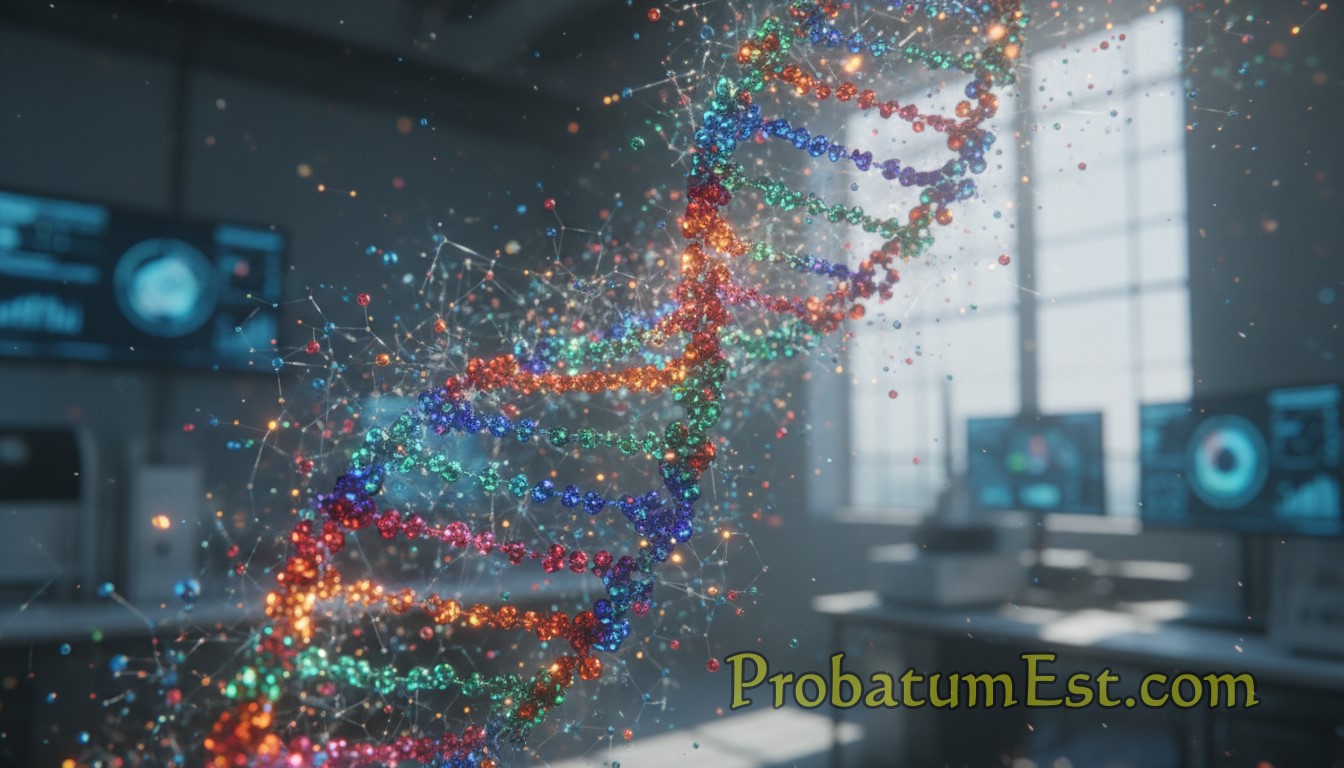
Few scientific breakthroughs have reshaped our understanding of biology and medicine as profoundly as the study of the genome. From personalizing medical treatments to revolutionizing agricultural practices, genomics has opened a new frontier in the life sciences. This article delves deep into what the genome is, why it matters, how researchers investigate it, and how these discoveries continue to influence our world.
1. Defining the Genome
At its core, a genome comprises the entire set of an organism’s genetic material. In most cases, this genetic material takes the form of deoxyribonucleic acid (DNA), a molecule that carries the instructions needed to build and maintain every cell. A single genome contains all the information for an organism’s structure, function, and regulation.
1.1 Genes vs. Genome
- Genes: These are specific segments of DNA that often code for proteins or perform regulatory functions. Although genes play a crucial role in shaping how an organism develops and operates, they amount to only a fraction of the entire genome.
- Non-coding Regions: Contrary to initial assumptions, the non-coding portions of the genome are not simply “junk DNA.” Many non-coding regions have regulatory roles, helping determine when and where genes are turned on or off.
1.2 Basic Structure of DNA
Each DNA molecule is formed by two strands wound into a double helix. Each strand is made up of smaller units called nucleotides, which consist of a sugar, a phosphate group, and a nitrogenous base. The bases — adenine (A), thymine (T), cytosine (C), and guanine (G) — pair in specific ways (A with T, C with G), ensuring faithful replication of DNA during cell division.
2. The Human Genome: A Closer Look
The human genome is one of the most extensively studied. It comprises roughly 3.2 billion base pairs of DNA, packed into 23 pairs of chromosomes inside each cell of the human body (except for mature red blood cells, which lack a nucleus).
2.1 Key Milestones: The Human Genome Project
Launched in 1990 and completed in 2003, the Human Genome Project (HGP) was an international collaboration that successfully mapped most of the human genome. Notable achievements of this endeavor include:
- Providing a reference sequence of the entire human genome.
- Identifying thousands of genes whose functions were previously unknown.
- Establishing large databases that continue to facilitate biological research.
2.2 Post-HGP Discoveries
Although the initial phase of the HGP was declared complete in 2003, subsequent efforts have refined and expanded the reference genome. In 2022, researchers announced the near-gapless sequencing of the human genome, offering an even more detailed view of previously uncharted regions. These newer efforts have helped scientists better understand gene regulation and identify genetic factors linked to certain diseases.
3. Why the Genome Matters
Understanding an organism’s genome has vast implications, particularly in:
3.1 Personalized Medicine
Genomic data allows for tailoring treatments to the specific genetic profiles of individuals. For instance, a medication might be effective for a patient with a certain genetic variant but less so for someone with a different variant. This precision reduces side effects and improves outcomes.
- Example: In oncology, genomic tests can identify mutations that make tumors more susceptible to targeted therapies. By matching medications to specific genetic mutations in cancer cells, doctors can often achieve better treatment responses with fewer adverse effects.
3.2 Genetic Testing
Several commercial services analyze a small, but statistically informative, portion of an individual’s DNA. While they cannot provide a complete genome sequence, these tests can reveal predispositions to certain inherited conditions, as well as insights into ancestry and traits.
3.3 Agriculture and Industry
Outside of human health, genomic technologies guide plant breeding and livestock management. Knowledge of the genome helps breed crops that are more drought-tolerant or nutritionally dense. Similarly, breeders can use genomic tools to select traits in livestock — such as better milk production — that can improve farming efficiency while maintaining high animal welfare standards.
4. Genomic Technologies: Revolutionizing Research
Advancements in technology have brought down the cost of sequencing a genome from millions of dollars during the HGP to less than a thousand dollars in some settings today.
4.1 Next-Generation Sequencing
Often abbreviated as NGS, next-generation sequencing techniques make it possible to read large quantities of DNA efficiently. Machines simultaneously sequence millions of small fragments, and sophisticated software reassembles them to produce a comprehensive overview of the genome.
4.2 CRISPR-Based Tools
CRISPR is a powerful gene-editing technology that allows scientists to target and modify specific segments of DNA. This capability has profound applications in research and therapy:
- Developing treatments for certain inherited disorders by repairing faulty genes.
- Engineering more robust and productive sources of food in agriculture.
- Accelerating research by enabling precise genetic interventions in laboratory studies.
5. Epigenetics: The Layer Above the Genome
While the genome provides the blueprint, epigenetics deals with how that blueprint is interpreted. Epigenetic marks — such as DNA methylation or modifications to proteins called histones — can turn genes on or off without altering the underlying genetic code.
- Example: A case study highlighted in a reputable genetics journal described how changes in epigenetic marks correlated with variations in physical responses to certain stimuli among identical twins. Though the twins’ genomes were identical, distinct epigenetic patterns led to differences in metabolism and health outcomes.
6. Ethical, Legal, and Social Implications
With unprecedented insights come complex questions about privacy, consent, and ethics:
- Privacy: Genomic data is personal and can sometimes suggest predispositions to health conditions. Ensuring robust data protection measures is essential.
- Discrimination: Genetic information might be misused by some, highlighting the need for policies that protect individuals against genetic discrimination.
- Equity: Advanced genomics tools may be expensive, limiting equal access to life-changing therapies. Efforts are ongoing to make genetic testing and gene-based treatments more widely available.
7. Real-Life Impact: Case Studies and Anecdotes
7.1 Pediatric Medicine
An anecdote often cited in medical literature involves a child with a rare genetic condition. Through whole-genome sequencing, physicians identified a specific genetic mutation linked to the disease. Based on that finding, treatment was customized to target the associated pathway, significantly improving the child’s quality of life.
- Significance: This highlights how genomic expertise can bring new hope for patients with conditions that are otherwise very difficult to diagnose or treat.
7.2 Cancer Research
Clinical trials underscore the importance of genomic profiling in cancer treatment. One study published in a leading oncology journal demonstrated that patients who received targeted therapies based on their tumors’ genetic markers had a higher response rate compared to those given standard chemotherapy, emphasizing the transformative potential of precision medicine.
8. The Future of Genome Studies
As genomic technologies continue to advance, researchers are tackling new frontiers:
- Whole-Genome Sequencing in Clinics: Routine clinical use of whole-genome sequencing — once financially prohibitive — may become more widespread.
- Large-Scale Biobank Initiatives: Projects that collect genomic and health data from large populations can help identify genetic risk factors for common medical conditions, shaping preventive strategies.
- Synthetic Biology and Minimal Genomes: Scientists are studying bacteria with extremely small genomes to better understand the minimal requirements for life. This research could yield medical, industrial, and even environmental applications.
Conclusion
The genome lies at the heart of biology, operating as a comprehensive instruction manual that dictates how organisms grow, function, and interact with their environment. From groundbreaking discoveries in human health to innovations in agriculture, our deepening understanding of the genome continues to transform science and society. As sequencing costs drop and editing tools improve, the future of genomic research beckons with the promise of more precise treatments, greater agricultural productivity, and the potential to uncover deeper biological insights than ever before. In harnessing this knowledge responsibly, the global scientific community stands poised to make profound strides in enhancing health and well-being for generations to come.




Leave a Reply