Tag: Archaea
-
Adenosine Triphosphate (ATP) – The Essential Energy Currency of Life
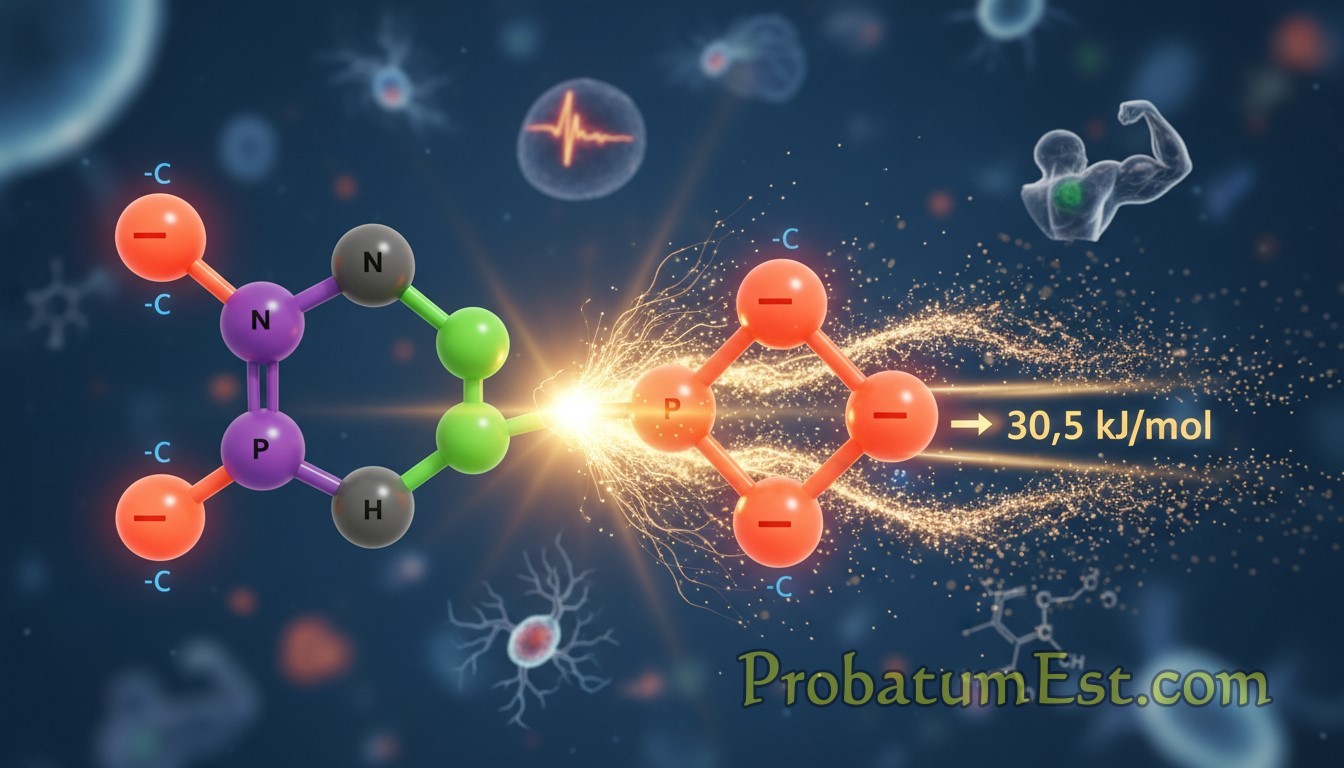
Adenosine Triphosphate (ATP) is often referred to as the “energy currency” of living organisms. It is a high-energy molecule that fuels a vast array of biological processes — from muscle contraction to nerve signal transmission, from protein synthesis to active transport across cell membranes. Although it may appear a simple compound, ATP’s role is foundational… …read more

-
Genetics – Comprehensive Overview of the Science of Heredity
Genetics, often described as the science of heredity, is a vast and dynamic field that studies how traits and characteristics are passed from one generation to the next. Far beyond a simple explanation of why a child has a certain eye color, genetics underpins critical discoveries in medicine, agriculture, forensic science, and numerous other disciplines.… …read more
-
Genes – Basic Unit of Inheritance with Information for Traits
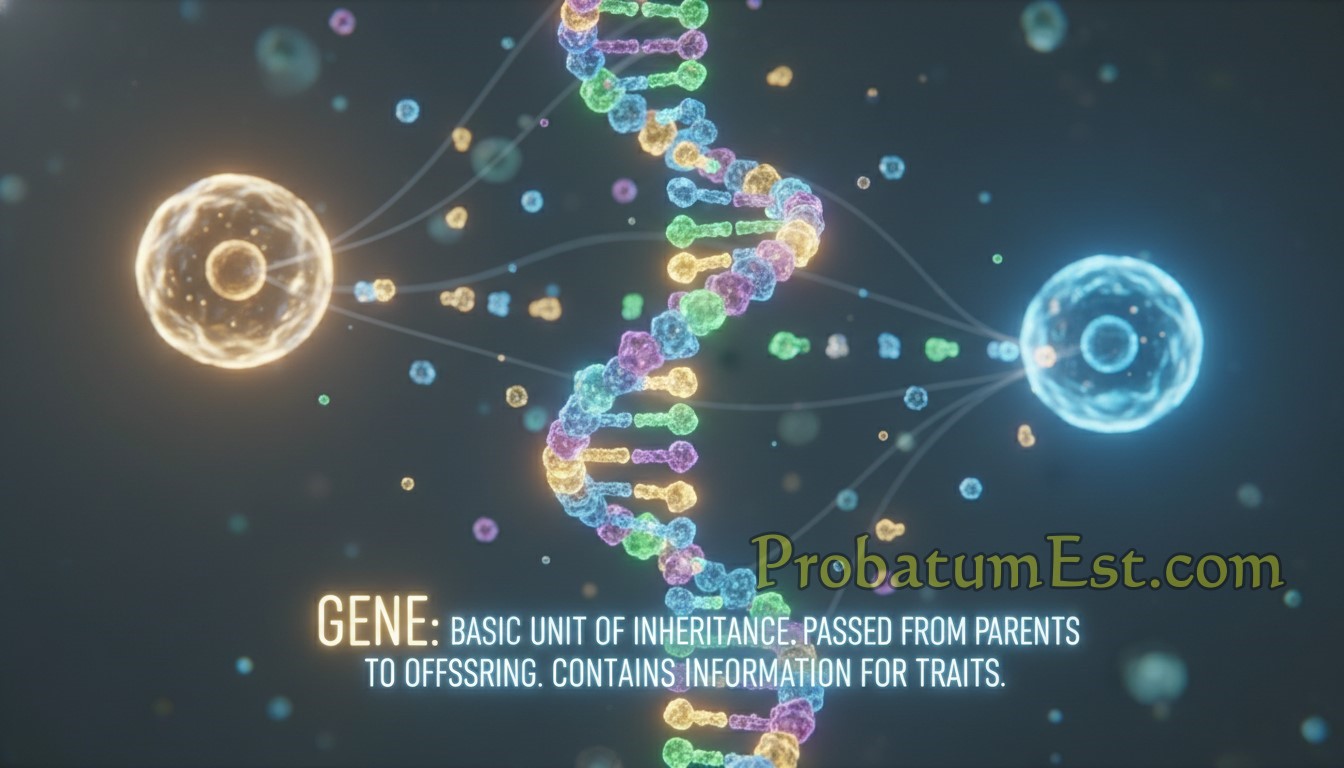
Genes lie at the heart of all known biological processes. As a basic unit of inheritance, genes influence traits, health, and growth throughout an organism’s life. Recent advances in scientific research have broadened our understanding of how genes work, how they are regulated, and what their future applications might be. This article delves into the… …read more
-
DNA (Deoxyribonucleic Acid) – Diving Deeper Into the Blueprint of Life
Deoxyribonucleic Acid (DNA) is a remarkable molecule whose discovery and ongoing study have revolutionized our understanding of biology, medicine, and forensic science. Since its identification in the 19th century, researchers have continued to unravel its secrets, unlocking numerous practical applications — from targeted medical treatments to solving decades-old criminal cases. Below is a deeper dive… …read more
-
The Genome – Unraveling the Blueprint of Life
Few scientific breakthroughs have reshaped our understanding of biology and medicine as profoundly as the study of the genome. From personalizing medical treatments to revolutionizing agricultural practices, genomics has opened a new frontier in the life sciences. This article delves deep into what the genome is, why it matters, how researchers investigate it, and how… …read more
-
The Cell Nucleus – Structure, Function, and Significance
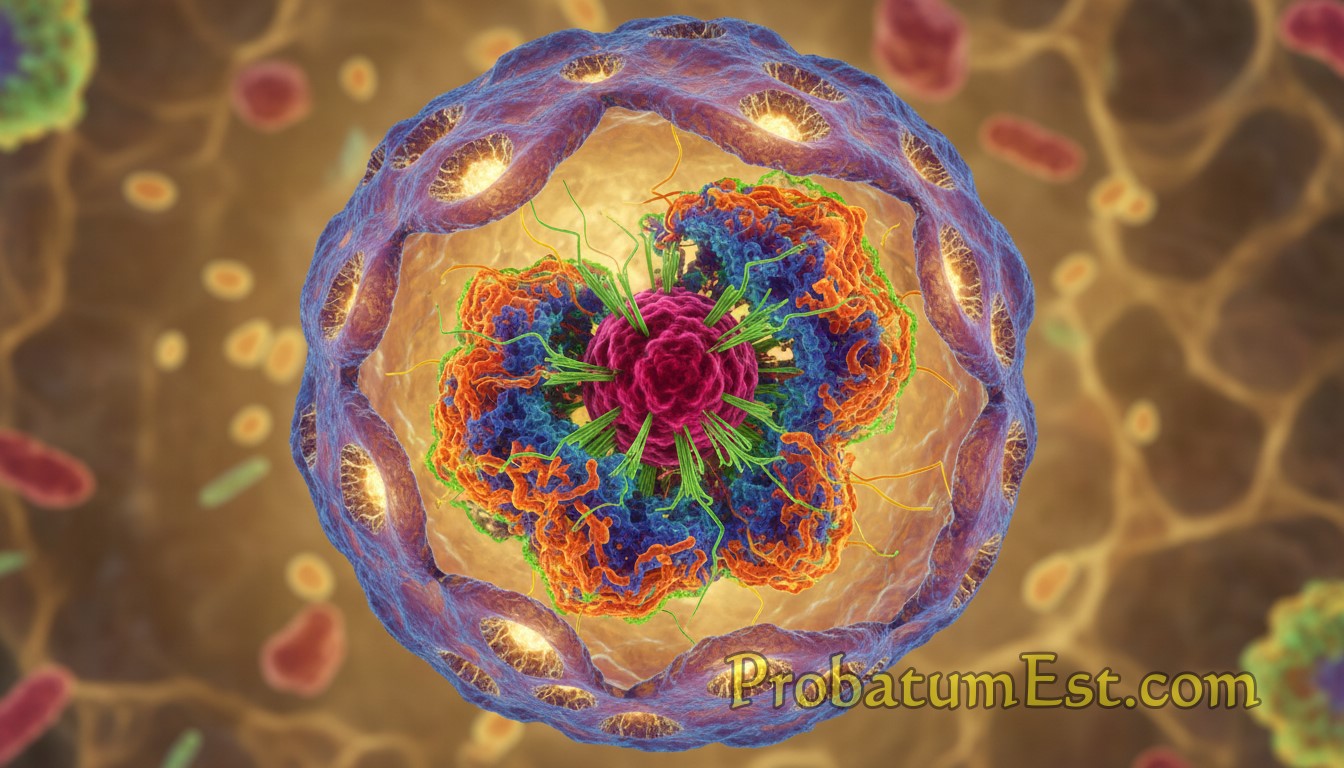
The cell nucleus is a defining feature of most eukaryotic cells, serving as the command center where the genetic code is stored and processed. First described in 1831 by botanist Robert Brown, the nucleus derives its name from the Latin word for “kernel” or “nut,” underscoring its central importance to cell function. Today, our understanding… …read more
-
Eukaryotes – Unraveling the Complex World of Nucleated Life
Eukaryotes form a diverse realm of organisms distinguished by one key characteristic: their cells contain a membrane-bound nucleus. From single-celled algae to multicellular plants and animals, these nucleated life forms represent a vast majority of the life we see each day. This article explores what defines eukaryotes, examines their importance and diversity, and highlights current… …read more
-
Eukaryotic Cells – A Comprehensive Exploration
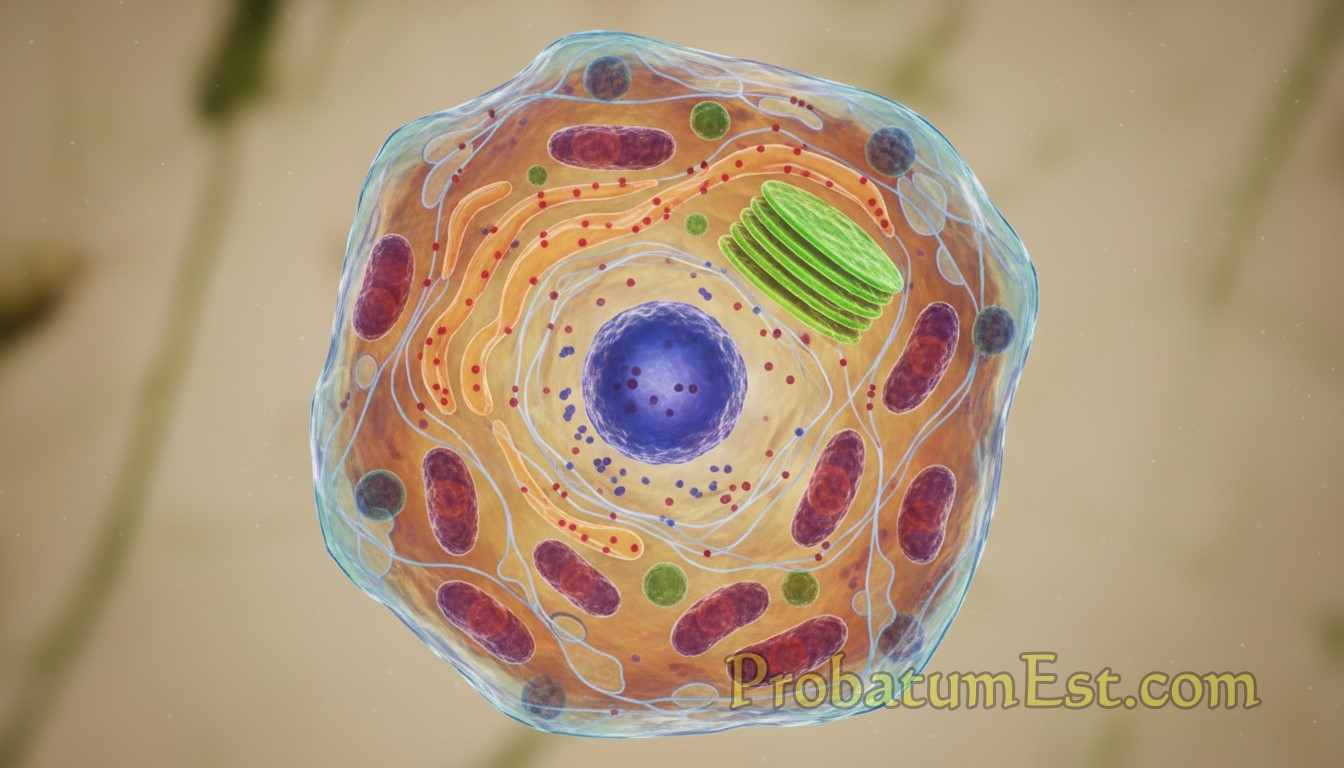
Eukaryotic Cells serve as the fundamental building blocks of many diverse organisms, including animals, plants, fungi, and numerous unicellular species. These cells, distinguished by their membrane-bound organelles and true nucleus, underpin a vast array of complex life forms, making them a focal point of scientific research. Below is a thorough overview of eukaryotic cells, including… …read more
-
Prokaryotic Cells – A Comprehensive Exploration
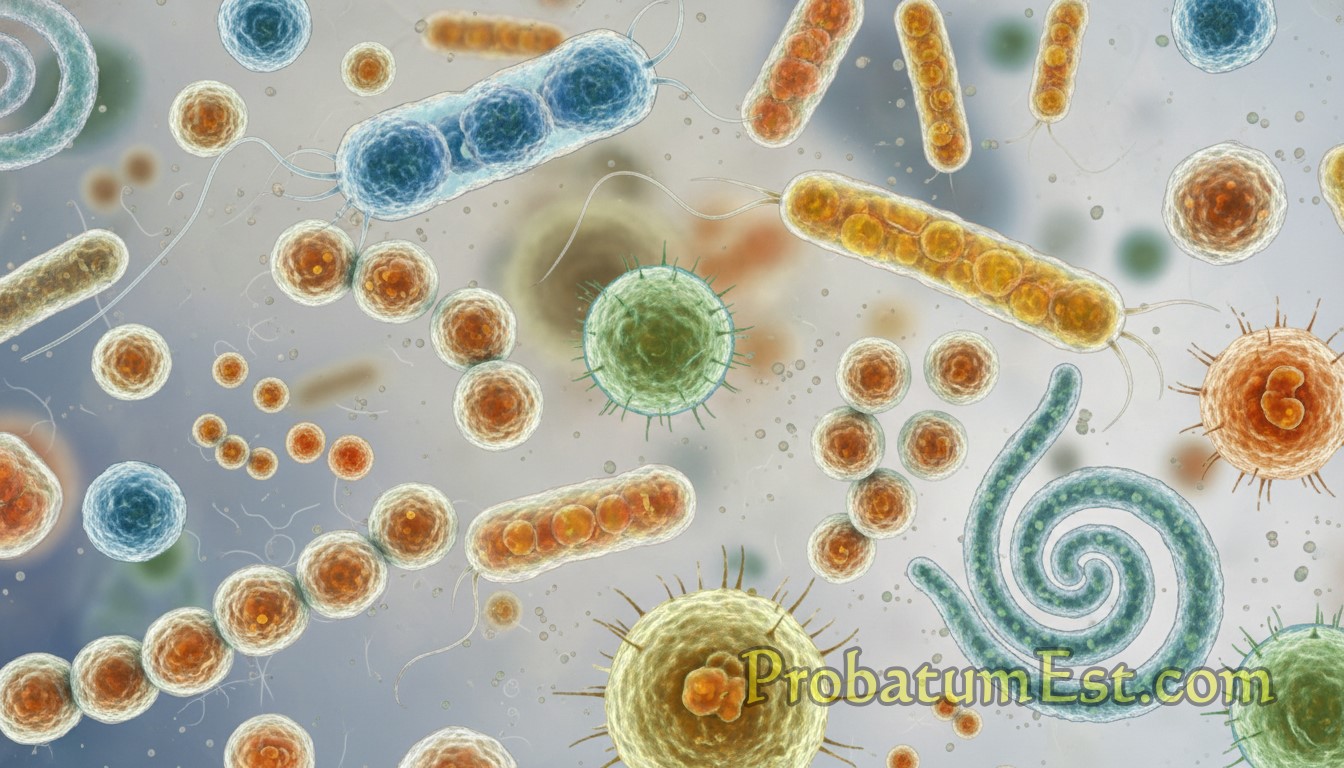
Prokaryotic Cells are among the most fundamental and intriguing building blocks of life. Distinguished primarily by their lack of a membrane-bound nucleus, these cells play a vital role across multiple arenas — ranging from human health and agriculture to industrial applications. Below is a deep dive into the world of prokaryotic cells, supported by research… …read more
-
Cell – Understanding the Fundamental Unit of Life
Cells are the smallest living units that compose all known organisms – microcosms of life on which entire biological structures are built. Whether one looks at the tissues in the human body, the roots and leaves of plants, or the myriad unseen organisms in aquatic environments, every form of life depends on cells. This article… …read more