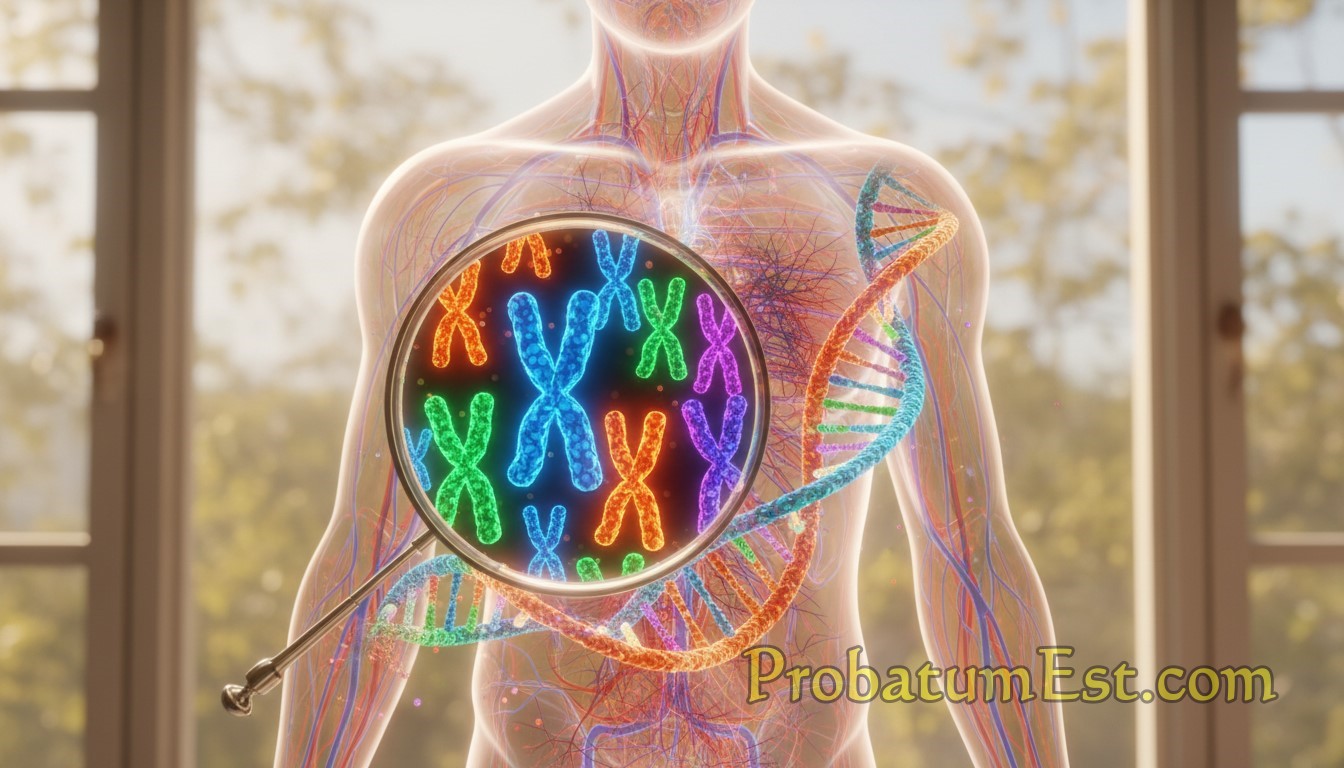
Chromosomes are thread-like structures found within the cells of nearly all living organisms. Often referred to as the “blueprint of life,” these essential components carry an organism’s genetic material and play a pivotal role in growth, development, and trait inheritance. This article delves into the fundamental characteristics, structure, functions, and significance of chromosomes, supported by research findings and expert opinions from reputable sources.
1. What Are Chromosomes
Chromosomes are long strands of deoxyribonucleic acid (DNA) tightly wound around proteins called histones. This efficient packaging is crucial; it allows large amounts of genetic information to fit into the confines of a cell nucleus. In humans, chromosomes are found in pairs, with 46 individual chromosomes (23 pairs) in human somatic (non-reproductive) cells. According to the National Human Genome Research Institute (NHGRI), half of these 46 are inherited from the biological father, and half from the biological mother.
2. Historical Context and Discovery
The term “chromosome” comes from the Greek words “chroma” (color) and “soma” (body), reflecting how chromosomes become visibly dyed under certain staining techniques. Walther Flemming, a German biologist, is often credited with pioneering the study of chromosomes in the late 19th century, when microscopy techniques first allowed researchers to observe these peculiar thread-like structures during cell division.
3. Structure and Organization
3.1 DNA and Histones
Chromosomes in eukaryotic cells (such as human cells) have DNA coiled around histone proteins. The DNA-histone complex is known as chromatin. When a cell prepares to divide, chromatin condenses into the more recognizable X-shaped chromosomes frequently depicted in textbooks.
3.2 Centromeres and Telomeres
- Centromere: The point where the two identical strands of a replicated chromosome (called sister chromatids) attach to each other. The position of the centromere helps classify chromosomes (e.g., metacentric, submetacentric, acrocentric).
- Telomeres: Repeated sequences of DNA at each chromosome end to protect the genetic code. They play a role in cellular aging and replication. Studies published in scientific journals (e.g., Nature) demonstrate that shortened telomeres can influence cellular aging.
4. Chromosome Functions
4.1 Genetic Transmission
Chromosomes carry genes-specific sequences of DNA that code for proteins. During sexual reproduction in humans, for instance, each parent contributes 23 chromosomes. Fertilization of an egg (ovum) by a sperm cell combines these chromosomes, resulting in the 46-chromosome set characteristic of most human cells. This inheritance process ensures that offspring have a mix of traits from both parents.
4.2 Cell Division and Growth
Chromosomes play a direct role in cell division processes such as mitosis (for growth or tissue repair) and meiosis (for forming gametes, or reproductive cells). Accurate segregation of chromosomes is vital; errors can lead to conditions arising from changed chromosome number or structure.
5. Differences in Eukaryotic and Prokaryotic Cells
- Eukaryotes (e.g., animals, plants) typically have multiple linear chromosomes within a distinct nucleus.
- Prokaryotes (e.g., certain single-celled organisms) usually contain a single circular chromosome in the cytoplasm.
Interestingly, the number of chromosomes does not necessarily correlate to an organism’s complexity. Certain plants and amphibians may have many more chromosomes than humans, while other species have fewer.
6. Chromosomal Abnormalities
When something goes awry during cell division, it can result in changes to the number or structure of chromosomes. The following are a few commonly known examples:
- Aneuploidies: Arise when there is an extra or missing chromosome.
- Deletions/Duplications: Occur when segments of a chromosome are either missing or duplicated, potentially disrupting gene function.
Case Study Example: Down syndrome (also known as Trisomy 21) is characterized by an individual having three copies of chromosome 21 instead of two. People living with this genetic condition often display certain physical features and developmental differences but can lead fulfilling lives with the right support and care. Studies from the American Journal of Medical Genetics show early interventions can markedly improve quality of life.
7. Methods of Analysis
7.1 Karyotyping
A karyotype is an image of all chromosomes in a cell, arranged by size, banding pattern, and centromere position. This technique is frequently used to diagnose chromosomal abnormalities by allowing scientists and clinicians to visually inspect for atypical chromosome numbers or structures.
7.2 Molecular Techniques
- Fluorescence in situ Hybridization (FISH): Uses fluorescent probes to bind to specific chromosome regions. This allows researchers to pinpoint gene locations and identify structural rearrangements.
- Next-Generation Sequencing (NGS): Offers high-resolution analysis of chromosomes at the DNA sequence level. Researchers can detect even very small deletions or insertions.
Expert Opinion: According to the American Society of Human Genetics, combining both cytogenetic techniques (e.g., karyotyping, FISH) and molecular-genomic tools (e.g., NGS) provides the most comprehensive view of chromosomal and genomic integrity.
8. Genomic Instability and Human Health
Chromosomes, being custodians of genetic material, must remain stable to ensure healthy growth and development of an organism. Chromosomal instability – such as frequent breakage or rearrangements – has been linked to various health conditions. Maintaining the integrity of genetic material depends on DNA repair mechanisms, proper chromosome segregation, and balanced gene regulation.
Reputable studies (published in Cell Reports and other peer-reviewed journals) highlight that lifestyle factors like balanced nutrition, avoiding harmful substances, and stress management may support chromosomal health and reduce the risk of errors during cell replication. Although genetic factors and chance can still result in chromosomal changes, an overall healthier environment can lower the likelihood of certain genomic instabilities.
9. Ethical and Medical Considerations
Chromosome analysis and genetic testing have grown exponentially over the past few decades. As these technologies become increasingly accessible, medical practitioners can diagnose congenital disorders and other chromosomal conditions much earlier. This shift raises crucial ethical questions regarding privacy, consent, and the potential psychosocial impacts of early genetic knowledge.
For instance, prenatal testing can identify chromosomal abnormalities in fetuses, providing future parents with valuable information for medical and lifestyle planning. However, experts at the National Academies of Sciences remind us that ethical guidelines and regulatory oversight must guide how such sensitive information is used.
10. Emerging Frontiers
10.1 Epigenetics and Gene Expression
Beyond DNA sequences, the study of epigenetics explores how chemical modifications to chromatin affect gene expression. Researchers are discovering new ways chromosomal “packaging” influences health, risk of disease, and other traits. Ongoing investigations aim to clarify the impact of factors such as diet, stress, and toxins on how genes are turned “on” or “off.”
10.2 Personalized Medicine
With advanced sequencing technologies, scientists are unlocking previously unimaginable detail about the genetic and chromosomal basis of diseases. Personalized medicine, a rapidly growing field, leverages individuals’ unique genetic profiles (including details about chromosomes) to create targeted therapies and preventative measures.
Conclusion
Chromosomes are more than just tiny fibers in a cell’s nucleus; they are indispensable carriers of genetic information that shape the features, functions, and destinies of living organisms. Advances in genetic research, diagnostic tools, and molecular techniques continue to refine our understanding of chromosomal behavior and its profound implications for health and disease.
Whether examining chromosome number, identifying structural rearrangements, or exploring the boundaries of epigenetics, scientists and clinicians alike emphasize the importance of safeguarding chromosomal stability. Ongoing innovations, ethical considerations, and dedicated research from respected institutions ensure that our knowledge of chromosomes continues to evolve, ultimately leading to better healthcare outcomes and an enriched comprehension of biological inheritance.
Recommended Sources for Further Reading
- National Human Genome Research Institute (NHGRI) – Official Website
- American Society of Human Genetics – Research and Policy Statements
- Nature and Cell – Peer-reviewed journals with cutting-edge studies on chromosome structure and function
- American Journal of Medical Genetics – Case studies and reviews on chromosomal abnormalities
By exploring the complexity and marvel of chromosomes – supported by data, clinical studies, and expert opinions – we gain insight into the vital role that these structures hold in our lives. They are not merely threads in a nucleus; they are carriers of our genetic heritage and a key to understanding many aspects of human biology.



Leave a Reply