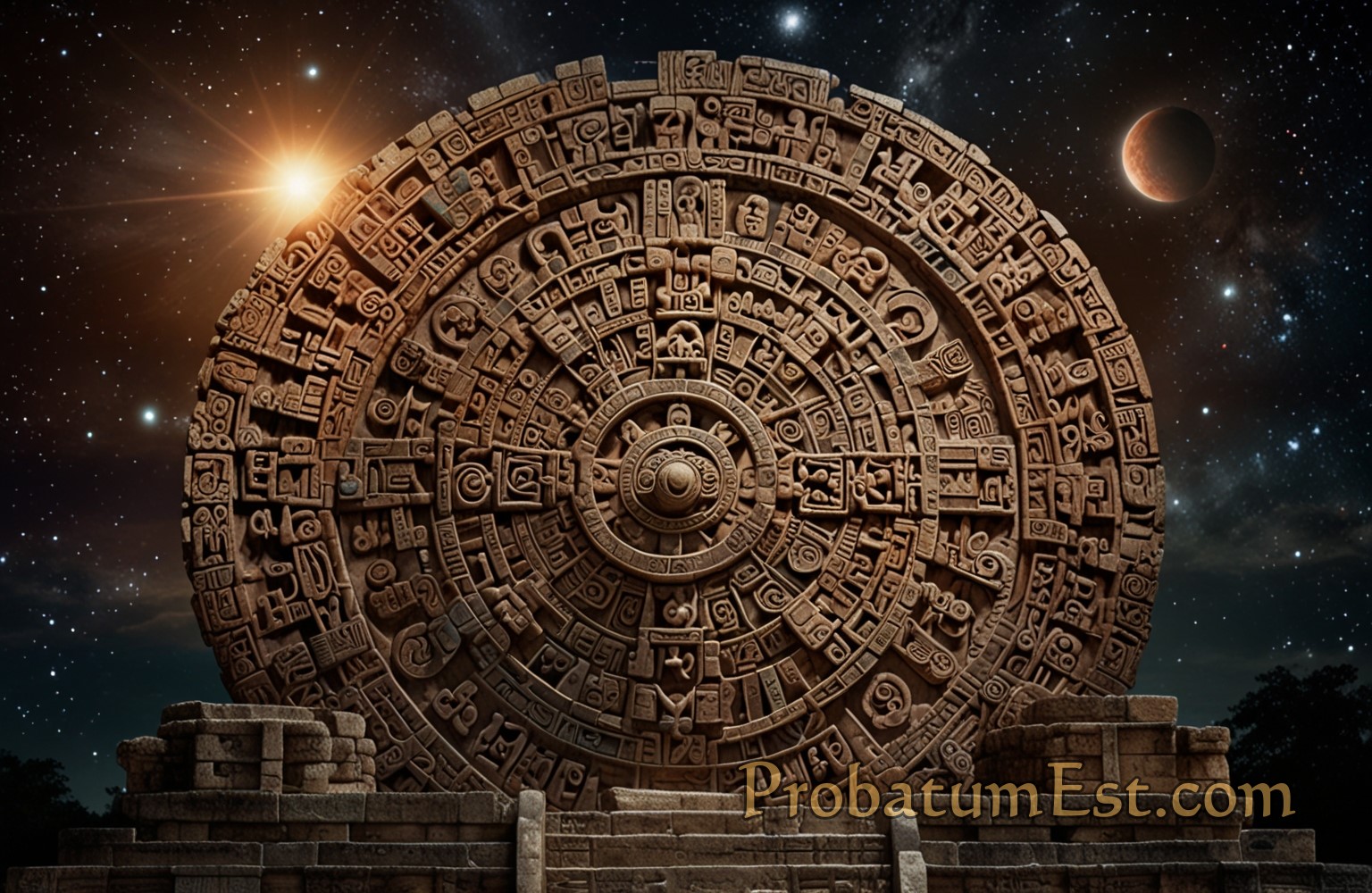
The Maya civilization, renowned for its architectural and artistic achievements, also harbored an intricate understanding of astronomy that played a pivotal role in its culture, spirituality, and daily life. Dating back to as early as 2000 BCE and continuing until the Spanish conquest in the 16th century, the Maya thrived in regions that now encompass southeastern Mexico, Guatemala, Belize, and parts of Honduras and El Salvador. Their fascination with the cosmos was not merely an academic pursuit but an integral element of their worldview, intricately woven into the fabric of their society. This article delves deep into the astronomical knowledge and practices of the Mayans, exploring their achievements, tools, and cultural significance.
The Importance of Astronomy in Maya Culture
For the Maya, astronomy was inseparable from philosophy, religion, and politics. Celestial bodies and events were deeply symbolic, often embodying the gods or supernatural forces governing human destiny. Astronomy informed their calendar system, dictated agricultural practices, and influenced religious rituals and political decisions.
Astronomical knowledge was a tool of power for the ruling elite, who claimed a divine connection to the cosmos, thus bolstering their authority. Priests and astrologers played critical roles as they interpreted celestial signs and charted events with remarkable accuracy.
The Maya Calendar System
Central to Mayan astronomy was their sophisticated calendar system, which consisted of several interlocking cycles designed to calculate time with extraordinary precision:
- Tzolk’in: The 260-day ritual calendar was composed of 20 periods, each lasting 13 days. This calendar was central to spiritual life, governing religious and ceremonial events.
- Haab’: This solar calendar consisted of 18 months, each with 20 days, followed by a short month of 5 “unlucky” days, totaling 365 days. It was used primarily for agricultural and civic purposes.
- Long Count: Unique in its ability to extend back in time, the Long Count calendar was used to chronicle historical events. It employed a vigesimal (base-20) system, and its extensive time frame permitted the calculation of dates spanning thousands of years, famously culminating in a cycle ending on December 21, 2012, which fueled much modern speculation.
These calendars, when used in conjunction, facilitated a 52-year cycle called the “Calendar Round.” This cycle was crucial for recording historical events and ensuring synchronization with societal rituals and agriculture.
Astronomical Achievements and Tools
The Maya were keenly observant of the skies, and their cities were often laid out in alignment with celestial events. Notable achievements and tools include:
- Observatories: Structures such as those found in Ixmoja and Chichén Itzá served as observatories, from which priests tracked the movements of celestial bodies. The Caracol at Chichén Itzá, with its unique round shape and specific window placements, exemplified this.
- The Ecliptic and Venus: The Maya meticulously observed the ecliptic path and had a profound understanding of Venus. They noted Venus’s cycles and used them to time warfare and political campaigns. The Dresden Codex, one of the few surviving Mayan manuscripts, contains detailed calculations of Venus’s movements.
- Solar and Lunar Eclipses: The Maya developed calculations to predict solar and lunar eclipses. Eclipses were seen as significant supernatural events and were often woven into the myths of creation and narratives of divine will.
Cultural and Religious Significance
Astronomy was deeply embedded in the religious beliefs of the Maya. The cosmos was populated by gods whose activities were reflected upon the earth. Many buildings were aligned with celestial events, such as solstices and equinoxes, and served as sacred spaces for rituals meant to appease or consult these deities.
Symbols reflecting celestial phenomena appear repeatedly in Mayan art, architecture, and inscriptions. The Milky Way, considered a celestial river or path of the dead, played a central role in Mayan mythology.
The Popol Vuh, a foundational text of Mayan mythology, embeds celestial events within its narrative structure, illustrating the deep interconnections between cosmic phenomena and human endeavors.
Legacy and Modern Interpretations
The astronomical prowess of the Maya has long fascinated archaeologists, historians, and astronomers. While initial interpretations sometimes tended toward the fantastical, more recent scholarship has provided realistic insights into their scientific achievements and methodologies.
Modern technology, such as satellite imagery and digital reconstructions, continues to uncover new aspects of Mayan astronomical practices and their integration into societal constructs. The rediscovery and study of Mayan cities, artifacts, and codices have greatly expanded our understanding of their cosmos-based worldview.
In conclusion, the legacy of Mayan astronomy is a testament to the intellectual and cultural sophistication of this ancient civilization. Their innovative methods and cosmological reflections invite a greater appreciation of how early societies perceived their place in the universe. As we continue to unravel their mysteries, we gain not only a clearer picture of the Maya but also a broader understanding of human curiosity and its quest to comprehend the cosmos.




Leave a Reply