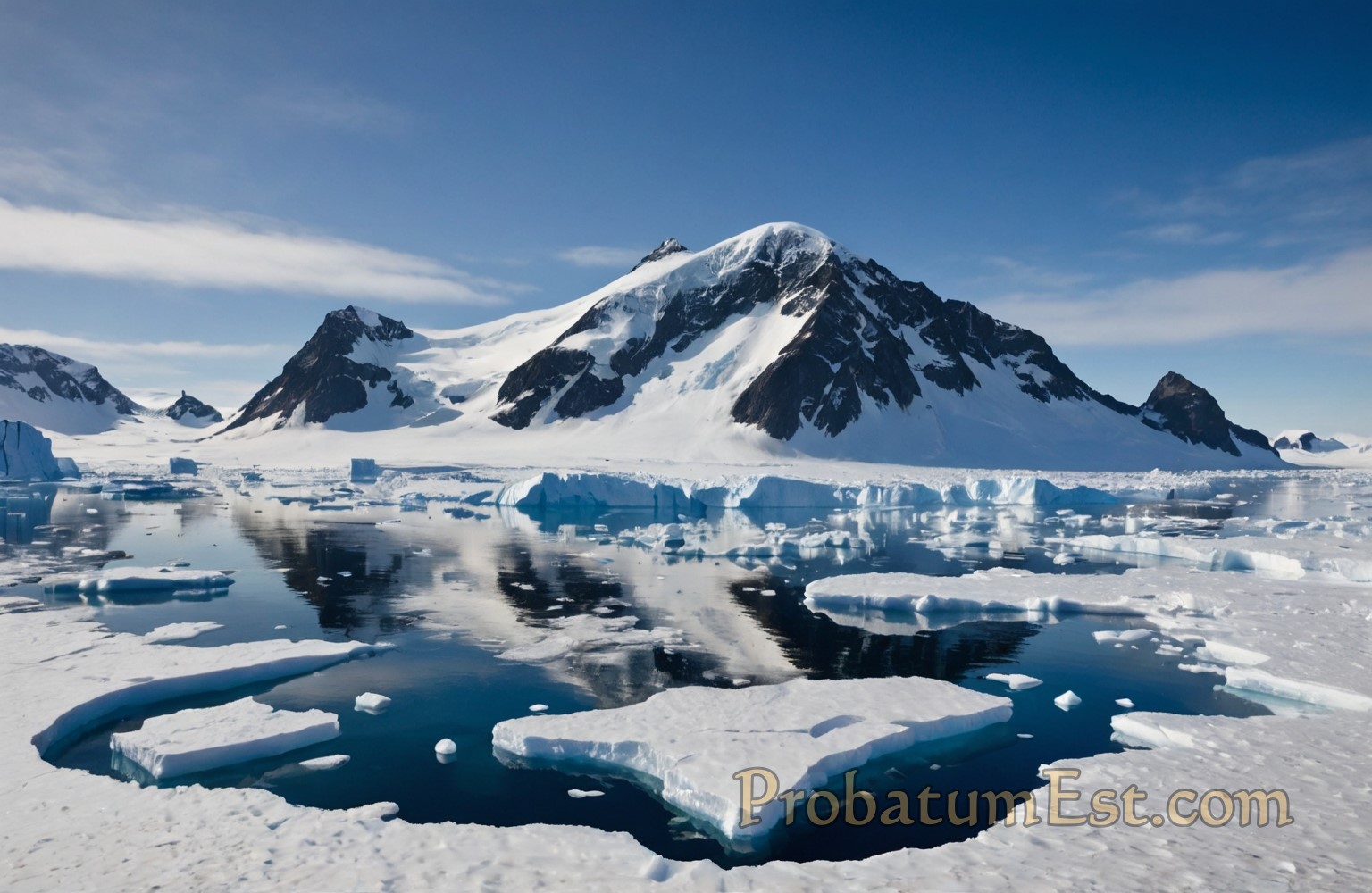
Antarctica, the southernmost continent on Earth, is a land of extremes, home to the coldest temperatures ever recorded and a vast, icy wilderness largely untouched by human civilization. This frigid expanse is unique not only in its environmental conditions but also in its geopolitical status. As the world grapples with scientific exploration and resource scarcity, the question arises: “Who owns Antarctica?” The answer is intricate, involving a blend of international treaties, historical claims, and a shared commitment to scientific exploration and environmental preservation.
Historical Claims and Territorial Ambitions
In the late 19th and early 20th centuries, during the age of exploration, several countries laid claim to various parts of Antarctica. These claims were often based on discovery and exploration missions. The primary claimants included:
- United Kingdom: Claimed a section of Antarctica in 1908, largely overlapping with areas claimed by Chile and Argentina.
- Argentina: Asserted a territorial claim in 1943, overlapping with British and Chilean territories.
- Chile: Established its claim in 1940, overlapping with both Argentina and the United Kingdom.
- Norway: Claimed Queen Maud Land in 1939 and Peter I Island in 1929.
- Australia: Declared its Antarctic Territory in 1933, which is the largest claim, covering about 42% of the continent.
- France: Claimed Adélie Land in 1924.
- New Zealand: Asserted a claim to the Ross Dependency in 1923.
Although these claims were acknowledged by some countries, they were not widely recognized on a global scale.
The Antarctic Treaty System: A Diplomatic Solution
Understanding the potential for conflict over these overlapping and contentious claims, the international community sought a peaceful resolution. The result was the Antarctic Treaty, which was signed in 1959 and entered into force in 1961. This landmark accord, initially signed by 12 countries, including the primary claimants, established Antarctica as a zone of cooperation and science, establishing the following key principles:
- Demilitarization: Antarctica was to be used exclusively for peaceful purposes, prohibiting military activities and the establishment of military bases.
- Scientific Cooperation: The treaty promoted international collaboration in scientific research, ensuring that scientific observations and results be made freely available.
- Freezing Territorial Claims: While the treaty did not nullify existing territorial claims, it effectively froze them, prohibiting any new claims for the duration of the treaty.
- Nuclear Ban: The treaty banned nuclear explosions and the disposal of nuclear waste.
The Antarctic Treaty has since expanded, forming the Antarctic Treaty System (ATS), which includes additional agreements such as the Convention for the Conservation of Antarctic Seals (1972), the Convention on the Conservation of Antarctic Marine Living Resources (1980), and the Protocol on Environmental Protection to the Antarctic Treaty (1991), also known as the Madrid Protocol.
Governance and Oversight
The Antarctic Treaty System is administered through Regular Consultative Meetings, where parties discuss various issues related to the governance and preservation of Antarctica. These meetings allow for the adaptation and implementation of new measures, as scientific and environmental challenges emerge.
Environmental Protection
The Madrid Protocol is particularly noteworthy for its comprehensive environmental protection measures. It designates Antarctica as a “natural reserve, devoted to peace and science” and imposes strict regulations on human activity. This includes prohibitions on mineral resource activities except for scientific research, strict waste management protocols, and guidelines to prevent ecological disturbances.
The Question of Resources
While Antarctica is protected by the ATS, the potential for resource extraction remains a topic of intrigue and concern. The continent is believed to hold vast mineral deposits and potentially lucrative oil and gas reserves beneath its icy surface. However, the Madrid Protocol’s current provisions prevent any mining or commercial extraction until at least 2048, when the protocol is up for review. This deadline looms over discussions about the future of Antarctic policy, as nations consider the balance between preservation and profit.
Scientific Endeavors
One of Antarctica’s cornerstones is its role as a hub for international scientific research. The continent’s extreme conditions make it an ideal natural laboratory for studying climate change, glaciology, astronomy, and marine biology. The collaborative scientific mission has led to significant discoveries, offering insights into the Earth’s past and the critical processes affecting global climate systems.
Conclusion
The question “Who owns Antarctica?” is paradoxically both straightforward and complex. Legally, no single nation owns Antarctica. Instead, the continent is collectively governed by the Antarctic Treaty System, which promotes peace, scientific cooperation, and environmental stewardship. This unique arrangement stands as a testament to international collaboration and foresight, highlighting a shared commitment to preserving one of the world’s final frontiers for the betterment of all humanity.
As global pressures mount and technological advancements create new opportunities for resource exploitation, the challenge ahead will be maintaining this spirit of cooperation and preserving Antarctica’s pristine environment for future generations.




Leave a Reply