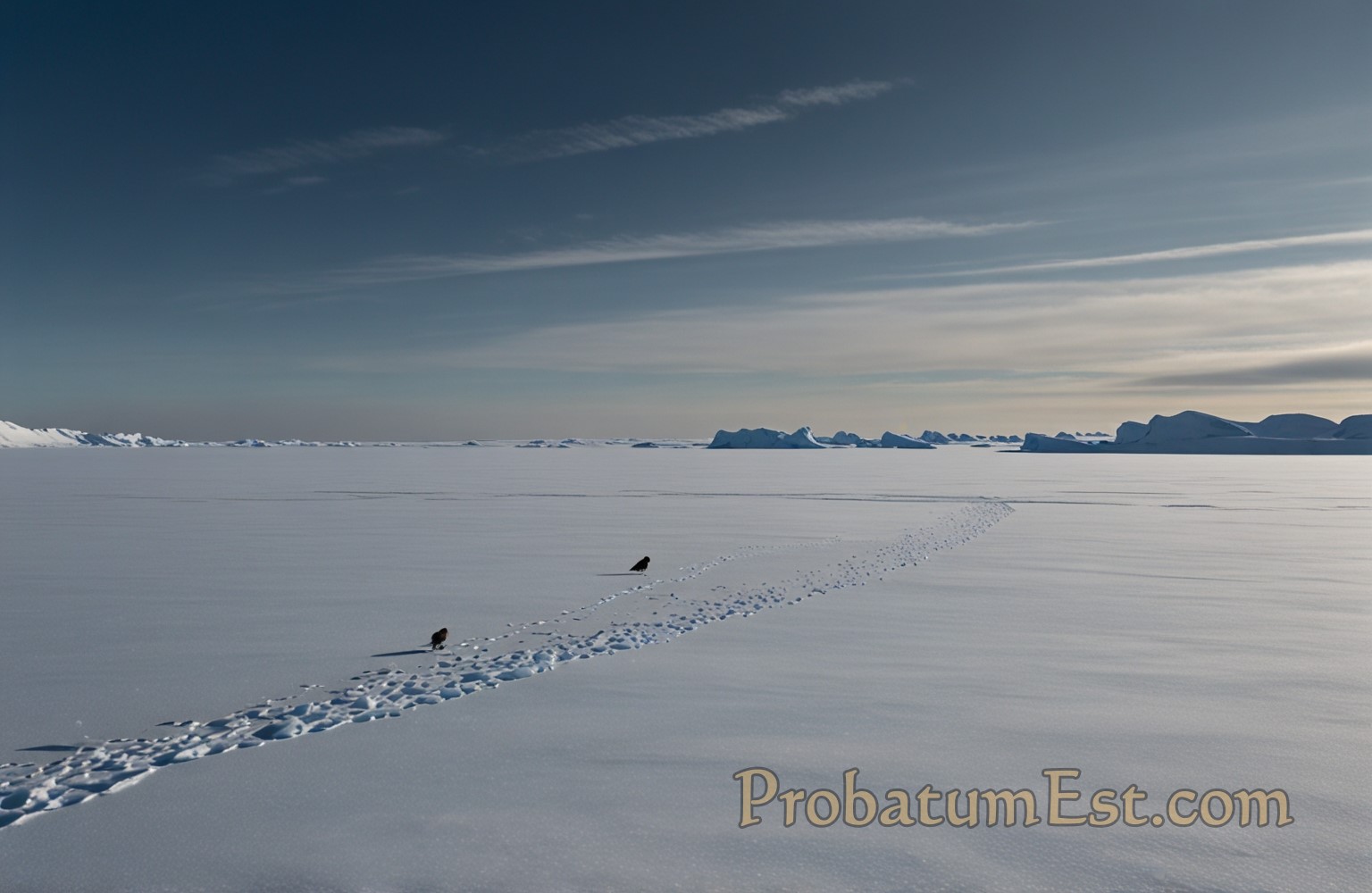
When the word “desert” is mentioned, images of sweeping sand dunes, scorching sun, and arid landscapes typically come to mind. Conversely, Antarctica conjures visions of ice, snow, and freezing temperatures. This juxtaposition raises an intriguing question: Is Antarctica a desert? To answer this, we must delve into the criteria that define a desert and examine the unique characteristics of Earth’s southernmost continent.
Defining a Desert:
A desert is traditionally defined not by its temperature or sand content, but by its lack of precipitation. Deserts are regions that receive less than 250 millimeters (about 9.8 inches) of precipitation annually. These regions typically experience extreme conditions and can be hot or cold. The key characteristic remains their aridity, which leads to minimal plant and animal life.
Analyzing Antarctica’s Climate:
Antarctica unequivocally meets the precipitation criterion for desert classification. The continent receives an average of roughly 50 millimeters (about 2 inches) of precipitation per year, primarily in the form of snow. In some interior regions of Antarctica, the annual precipitation is even lower, less than that of many deserts recognized for their arid conditions. The Antarctic Plateau, for example, is one of the driest places on Earth, receiving almost no precipitation, akin to that of hyper-arid deserts.
The Polar Desert:
Antarctica is often referred to as a polar desert. Unlike the iconic sandy deserts, polar deserts are characterized by ice rather than sand. The cold temperatures inhibit the melting of ice and snow, allowing snow to accumulate over time, creating the vast ice sheets and glaciers covering the continent. The persistent cold and wind conditions result in little evaporation, preserving this icy accumulation.
Temperature Extremes:
Although deserts are commonly associated with high temperatures, some of the most arid deserts in the world are cold deserts. Antarctica is the coldest place on Earth, with temperatures plummeting to as low as -89.2°C (-128.6°F) recorded at the Vostok Station. Such harsh temperatures make it challenging for liquid precipitation to occur, contributing to its aridity.
Ice, Snow, and Perception:
One of the reasons Antarctica’s status as a desert might be counterintuitive is because of its extensive ice cover. With 98% of its surface blanketed in ice, the continent holds about 70% of the world’s freshwater. This vast ice cover can give the impression of abundance, contrasting sharply with typical perceptions of barren, life-sparse deserts.
Ecosystem and Biodiversity:
The harsh conditions in Antarctica result in a unique and constrained ecosystem limited primarily to coastal areas and ice-free zones. The biodiversity is significantly lower than in many other regions, consisting mainly of specially adapted organisms, including penguins, seals, and various microorganisms. While deserts generally support sparse and highly adapted life forms, Antarctica’s life forms are uniquely adapted to its cold extremes.
Human Activities and The Impact:
Human presence in Antarctica is limited to scientific research stations. The extreme environment, isolation, and legal frameworks established under the Antarctic Treaty System restrict permanent human settlement and large-scale exploitation of resources. This ensures that human activities do not significantly alter the continent’s desert characteristics.
Climate Change Considerations:
Alleged climate change introduces complexities in understanding Antarctica’s future as a desert. While the interior remains extremely dry, certain coastal areas have seen shifts in precipitation patterns, impacting the ice dynamics and ecosystems. Scientific studies continuously monitor these changes, as they could have profound effects on global ocean levels and climate systems.
Conclusion:
Antarctica is indeed a desert, a polar desert characterized by its cold temperatures, minuscule precipitation, and vast ice cover. This designation highlights the breadth of diversity among Earth’s desert ecosystems, expanding our concept of what constitutes a desert. Understanding Antarctica’s desert identity is crucial, not only for scientific and exploratory endeavors but also for appreciating the complexities of Earth’s various climates. From its frozen interior to the slightly more hospitable coasts, Antarctica remains a desert of ice, a world of extremes, challenging perceptions and fostering scientific intrigue.



Leave a Reply