Tag: Ecosystem
-
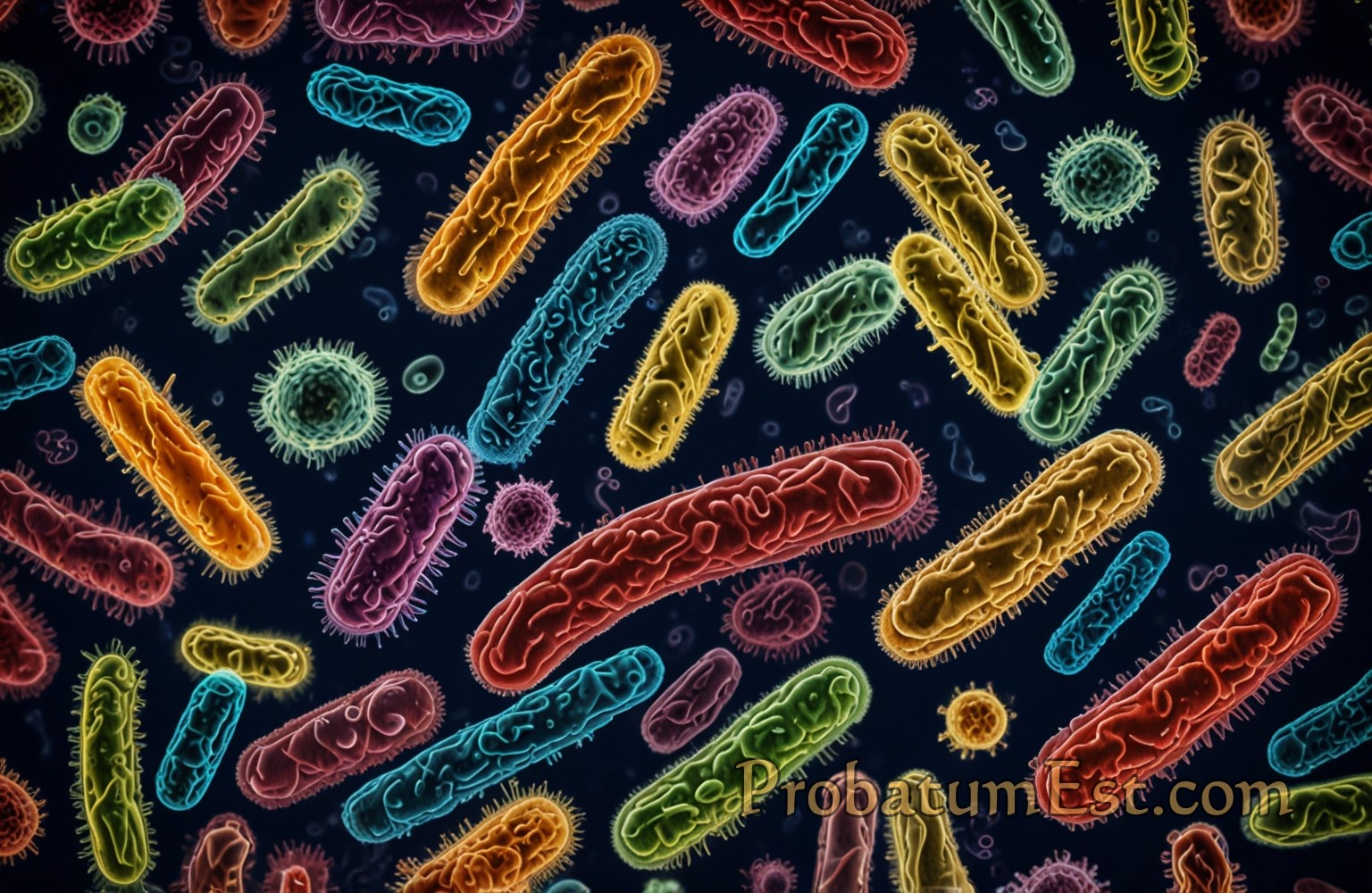
Bacteria – Small in Size, Big in Numbers
Bacteria are among the most diverse, abundant, and resilient organisms on Earth. They inhabit nearly every environment, ranging from soil and freshwater habitats to the depths of the ocean, as well as living within and on other organisms. Even though they are microscopic, bacteria play indispensable roles in ecosystems, industry, and human health. Below is… …read more

-
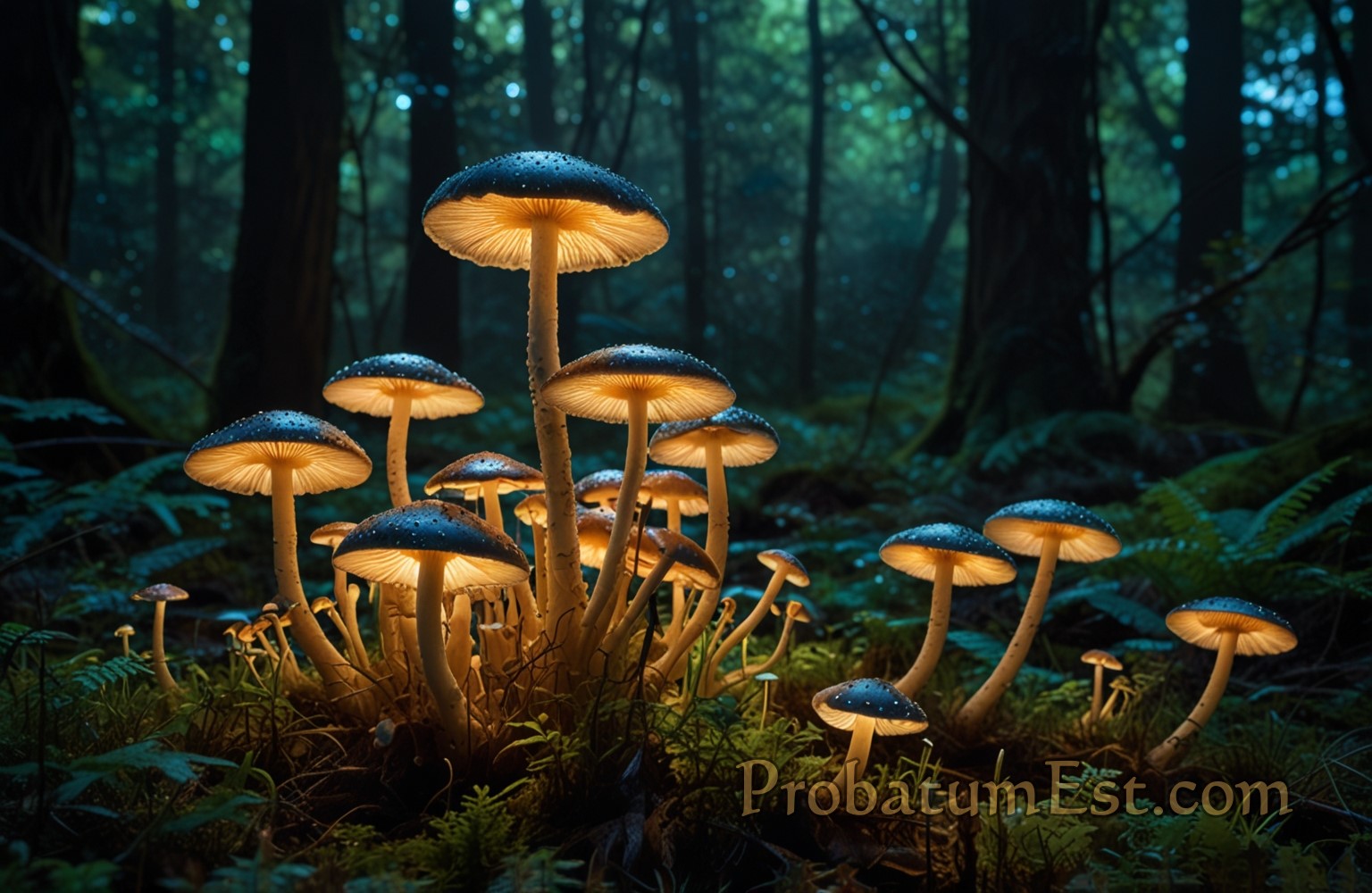
Fungi – More Than Just Mushrooms
Fungi form a vast and fascinating group of organisms that occupy nearly every habitat on Earth. Long recognized primarily as molds and mushrooms, fungi include an enormous range of forms, from microscopic single-celled yeasts to complex networks of filaments that span large areas of soil or rotting logs. Below is a comprehensive examination of fungi… …read more
-
Animals – Guide to the Creatures Around Us
Animals form one of the most diverse and fascinating groups in the biological world. They occupy nearly every kind of habitat on Earth — from the deepest ocean trenches to the highest mountain peaks — and exhibit astonishing variety in size, form, and behavior. Biologically speaking, animals share certain fundamental traits: they are multicellular, they… …read more
-
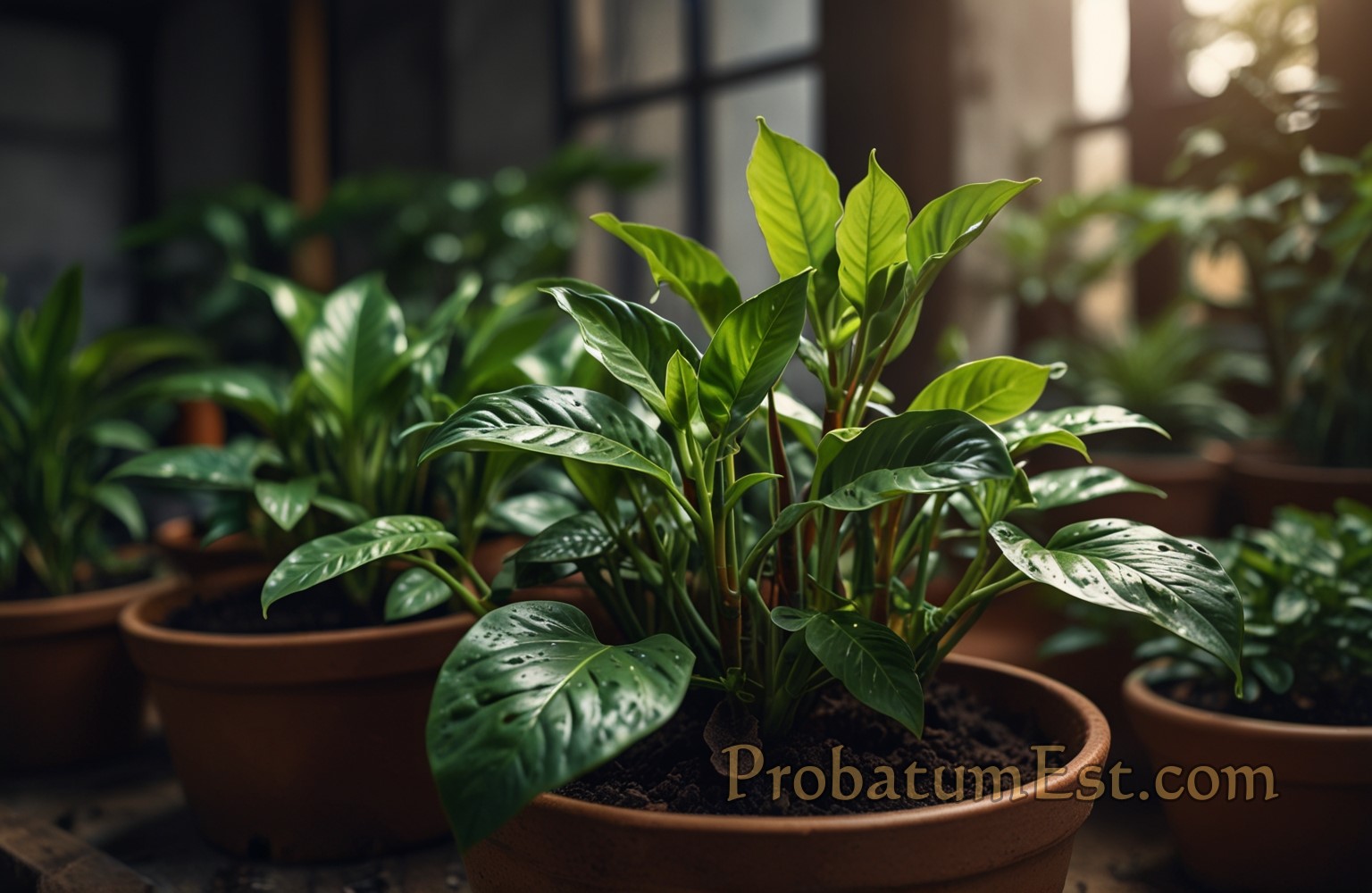
Plants – Introduction to the Wonders of Botany
Plants are an incredibly diverse group of organisms that form the foundation of most terrestrial ecosystems. They play vital roles in food webs, produce oxygen through photosynthesis, and provide countless resources for other living beings. This comprehensive overview explores the biology of plants — encompassing their structure, physiology, life cycles, classification, and ecological value. The… …read more
-
Nature – A Closer Look
Nature, in the most fundamental biological sense, encompasses the vast tapestry of living organisms and the environments in which they thrive. It spans from the microscopic building blocks of life to the grand and intricate ecosystems that cover the planet. This article provides an in-depth view of nature – a closer look, discussing the essential… …read more
-
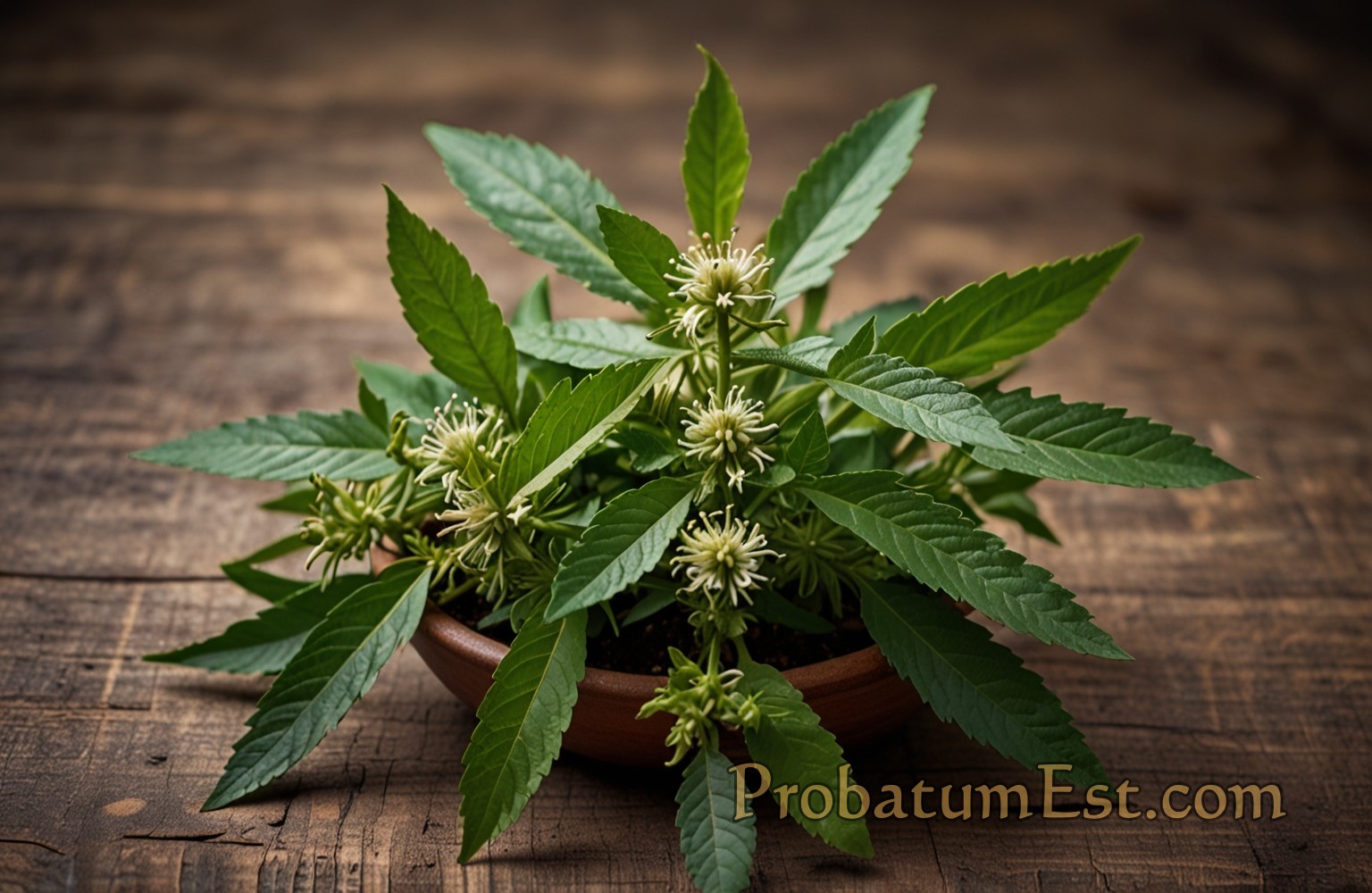
Medicinal Plants
Medicinal Plants have been used for centuries as a primary source of healing and treatment across various cultures. From a biological perspective, they are organisms that produce a range of bioactive compounds with therapeutic properties. Their study encompasses a broad spectrum of disciplines, including botany (with Medicinal Botany as a sub-branch), phytochemistry, pharmacology, and ecology.… …read more
-
Medicinal Botany
Medicinal Botany is the study of plants with therapeutic properties, emphasizing the identification, characterization, and utilization of botanical species for health and healing. It lies at the intersection of traditional herbal practices, pharmacology, and modern scientific research, seeking to deepen our understanding of how plant-derived compounds can be harnessed to prevent and treat a broad… …read more
-
Habitat Destruction
Habitat Destruction, an escalating crisis, is one of the most pressing environmental challenges of our time. As the human footprint expands, natural habitats — vital for biodiversity — are increasingly under threat. Understanding the various facets of habitat destruction is crucial for developing effective conservation strategies that both preserve ecosystems and meet human needs. Understanding… …read more
-
Urban Ecosystems
Urban Ecosystems represent a unique blend of natural and human-modified environments, offering a complex array of interactions between people, plants, animals, and their urban surroundings. As urbanization continues to expand globally, understanding these ecosystems becomes increasingly vital for promoting sustainable urban living and enhancing biodiversity within city landscapes. This article delves into the structure, function,… …read more
-
United Nations Sustainable Development Goals
The Sustainable Development Goals (SDGs) established by the United Nations represent a universal call to action to end poverty, protect the planet, and ensure prosperity for all by 2030. Adopted in September 2015 at a historic UN Summit, the 17 goals are part of the wider 2030 Agenda for Sustainable Development, which includes 169 associated… …read more