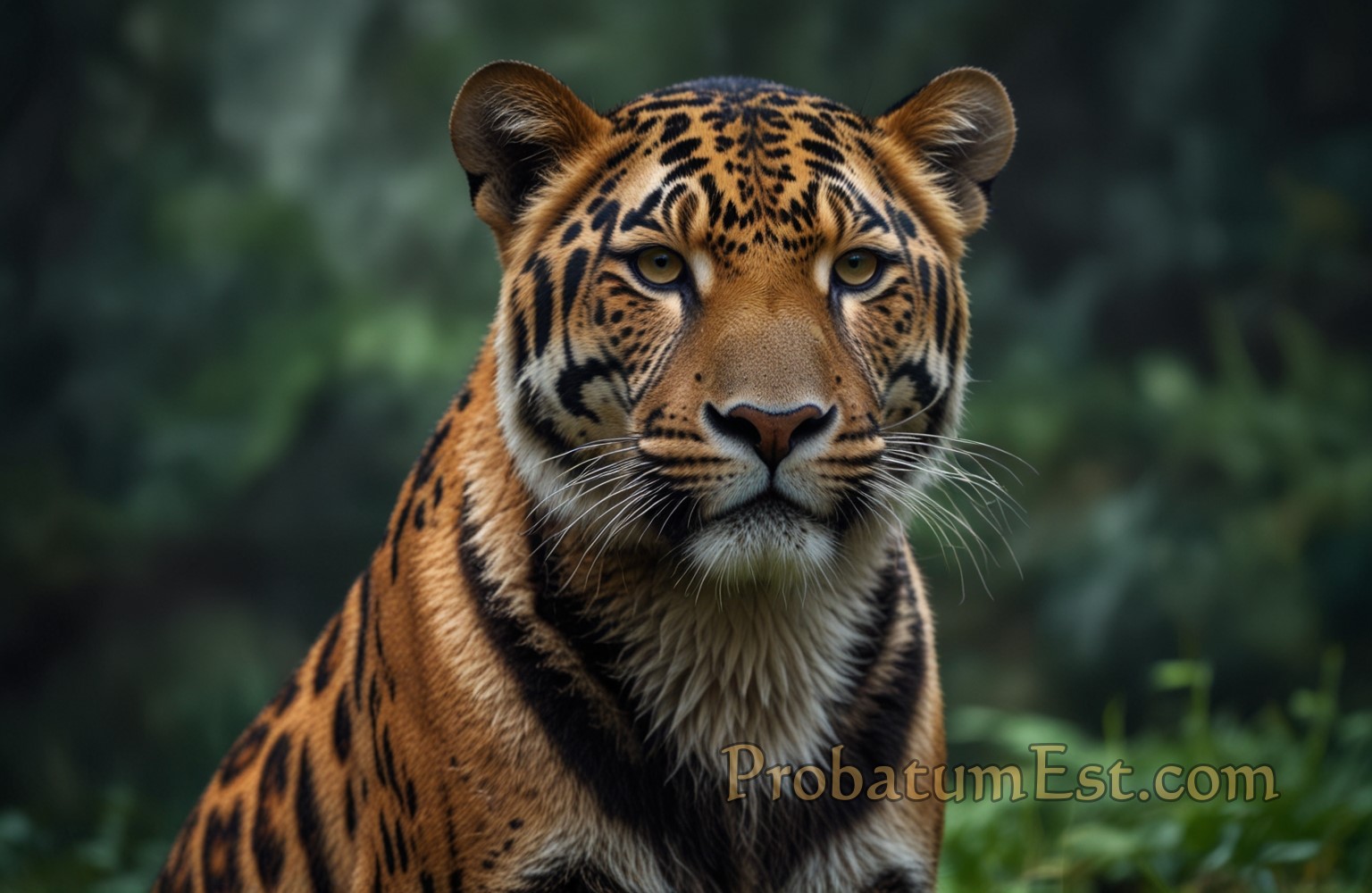
Animals form one of the most diverse and fascinating groups in the biological world. They occupy nearly every kind of habitat on Earth — from the deepest ocean trenches to the highest mountain peaks — and exhibit astonishing variety in size, form, and behavior. Biologically speaking, animals share certain fundamental traits: they are multicellular, they are heterotrophic (requiring an external source of nutrients), and, unlike plants and fungi, their cells lack rigid cell walls. Below is an in-depth look at the biological features, classification, physiology, and roles of animals in their ecosystems.
1) Defining Characteristics of Animals
- Multicellularity: Animals are composed of many cells that cooperate and specialize to perform specific functions. Muscle cells, nerve cells, skin cells, and blood cells are just a few examples of specialized cell types in more advanced animals.
- Heterotrophy: Animals must consume organic material for energy and building blocks of growth. Unlike plants, which use photosynthesis, animals rely on feeding strategies such as grazing, hunting, or scavenging.
- Specialized Tissues: While some of the simplest animals have relatively undifferentiated cells, most animals have tissues that carry out specific tasks. Examples include nervous tissue for signal transmission and muscle tissue for locomotion.
- Motility: At some stage in their lifecycle, animals can move under their own power. Even groups that are sessile as adults (e.g., certain coral polyps) have free-moving larval stages.
- Sexual Reproduction (most commonly): Many animals reproduce sexually, involving the fusion of male and female gametes, although asexual reproduction and more complex reproductive modes are not uncommon in certain groups.
2) Major Animal Classifications
Biologists use several hierarchical levels to categorize animals, from broad classifications such as domain and kingdom, down to more specific ones. Although there are numerous phyla in the animal kingdom, below are some of the major groups:
- Sponges (Phylum Porifera): Among the simplest animals, sponges lack true tissues and organs. They feed by filtering small particles from water, which is pumped through their porous bodies.
- Cnidarians (Phylum Cnidaria): This group includes jellyfish, corals, and sea anemones. They are characterized by stinging cells (nematocysts) on their tentacles, used for prey capture and defense.
- Flatworms (Phylum Platyhelminthes): Flatworms include free-living planarians as well as parasitic tapeworms and flukes. They have flattened bodies and exhibit bilateral symmetry.
- Mollusks (Phylum Mollusca): A diverse group that includes snails, clams, octopuses, and squids. Common features include a muscular foot (used in locomotion) and, in many species, a protective shell.
- Annelids (Phylum Annelida): Segmented worms such as earthworms and leeches. They have bodies divided into repeating segments.
- Arthropods (Phylum Arthropoda): The largest phylum, comprising insects, arachnids (spiders, scorpions), crustaceans (crabs, lobsters), and myriapods (centipedes, millipedes). They have exoskeletons made of chitin, segmented bodies, and jointed legs.
- Echinoderms (Phylum Echinodermata): Starfish, sea urchins, and sea cucumbers belong to this group. They possess radially symmetrical bodies (often five-part) and a unique water vascular system.
- Chordates (Phylum Chordata): Characterized by a notochord at some stage in their life. This group includes fishes, amphibians, reptiles, birds, and mammals. Most chordates have a backbone and a well-developed internal skeleton.
3) Comparative Physiology and Major Adaptations
Animals exhibit a wide range of physiological adaptations that allow them to survive and thrive in various environments, from deserts to polar ice caps. Some key systems and adaptations include:
- Circulatory Systems: Many animals have an internal transport system for nutrients and gases. Insects have an open circulatory system, while vertebrates generally have closed circulatory systems with blood confined to vessels.
- Respiratory Systems: Animals may exchange oxygen and carbon dioxide through skin, gills, lungs, or tracheal systems. The method depends on their environment and body structure.
- Digestive Systems: Ranging from simple cavities in cnidarians to more complex tube-like structures in mammals. Specialized organs and enzymes break down food, ensuring efficient nutrient absorption.
- Excretory Systems: Structures such as nephridia in annelids, Malpighian tubules in insects, and kidneys in vertebrates remove waste products from the body.
- Nervous Systems and Senses: Many animals have sensory organs for sight, smell, taste, hearing, and touch. Invertebrate groups like insects have compound eyes, while vertebrates may have highly developed brains capable of complex learning and social behaviors.
- Defense Mechanisms: These include physical defenses (shells, spines, exoskeletons), camouflage, warning coloration, venom, and more specialized structures like stinging cells in cnidarians.
4) Animal Reproduction and Development
Animals use diverse strategies for reproduction and development:
- Sexual Reproduction: Fusion of gametes (eggs and sperm) is the most common. Some species are hermaphroditic, meaning they produce both egg and sperm.
- Asexual Reproduction: Common among simpler animals such as sponges and some cnidarians, which can reproduce via budding, fragmentation, or regeneration.
- Parental Care: Varies enormously. Many invertebrates release huge numbers of eggs with no parental care, while some vertebrates, such as certain mammals and birds, invest heavily in raising relatively few offspring.
- Metamorphosis: Common in insects and amphibians, where the juvenile stage looks different from the adult. This process reduces competition between life stages and allows individuals to exploit different habitats.
5) Behavior and Social Structures
Behavior in animals can be driven by instincts (innate behaviors) or can be learned. Some groups exhibit complex social structures:
- Social Insects (e.g., bees, ants, termites): They organize into colonies with division of labor among different castes.
- Pack Behavior in Mammals (e.g., wolves, lions): Coordination in hunting and defense, as well as hierarchical structures, benefit the group.
- Communication: Ranges from chemical signaling (pheromones) in insects to vocal, gestural, and facial expressions seen in primates and other vertebrates.
- Tool Use and Problem Solving: Found in some bird species (e.g., crows, parrots) and mammals (e.g., primates, dolphins), indicating advanced cognition.
6) Ecological Interactions and Roles
Animals play fundamental roles in ecosystems:
- Predators and Prey: They maintain the balance of populations and help regulate community structures.
- Decomposers and Scavengers: Some animals, like certain insects and vultures, help break down dead organic matter, returning nutrients to the environment.
- Pollinators: Many insects, birds (e.g., hummingbirds), and bats transfer pollen from one plant to another, crucial for reproductive success in flowering species.
- Seed Dispersers: Animals such as birds and mammals disperse seeds, often through droppings, ensuring plant propagation.
7) Human Interactions with Animals
Animals have been associated with humanity in a variety of ways:
- Domestication: Humans have domesticated animals, such as cattle, sheep, goats, dogs, and cats, primarily for agriculture, companionship, or guarding.
- Medical and Research Contributions: Rats, mice, rabbits, and fruit flies, among others, are model organisms in biomedical research due to their well-understood biology and similarity in certain genetic aspects to humans.
- Conservation Efforts: Many organizations and individuals work to protect threatened or endangered species through habitat preservation, breeding programs, and wildlife management.
8) Ongoing Scientific Inquiries
Even with extensive studies, there remain many unanswered questions and frontiers in animal biology, including:
- Animal Communication Complexity: Researchers continue to uncover intricate forms of communication and possible evidence of language-like structures among certain species.
- Deep-Sea Fauna: The oceans’ depths are still underexplored, home to unique animals that thrive in extreme pressure and darkness.
- Physiological Extremes: Scientists study how some creatures endure harsh conditions — such as high salinity, low oxygen, or extreme temperatures — to better understand the limits of life on Earth.
Conclusion
Animals, in their immense diversity, offer endless avenues for exploration and discovery in biology. Their body structures, behaviors, and life strategies highlight both the unity of certain core features, such as multicellularity and heterotrophy, and the wildly varied ways they inhabit every corner of the planet. Observing and understanding animals not only caters to human curiosity but also enriches knowledge about life’s complexity and the intricate web of ecological relationships that sustain our natural world.



Leave a Reply