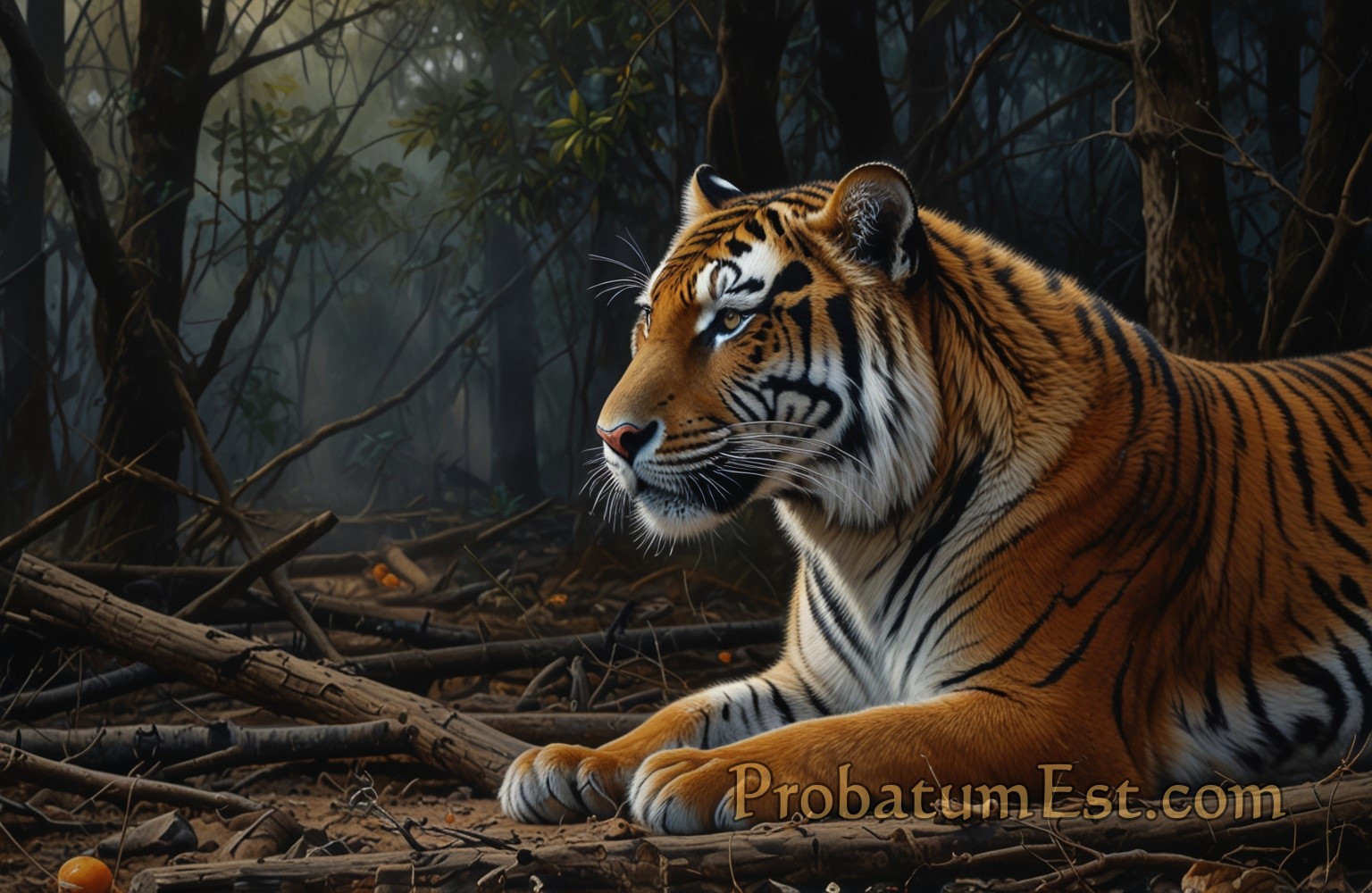
Habitat Destruction, an escalating crisis, is one of the most pressing environmental challenges of our time. As the human footprint expands, natural habitats — vital for biodiversity — are increasingly under threat. Understanding the various facets of habitat destruction is crucial for developing effective conservation strategies that both preserve ecosystems and meet human needs.
Understanding Habitat Destruction
Habitat destruction refers to the process whereby natural habitats are rendered unable to support the species originally present. This deterioration can lead to the extinction of species, the loss of biodiversity, and the disruption of ecological communities.
Causes of Habitat Destruction
- Agricultural Expansion: With the global population soaring, the demand for agricultural land has intensified. Forests are often cleared to make way for crops and pasture. This expansion not only destroys the habitats themselves but also fragments ecosystems, making it difficult for species to survive.
- Urban Development: Rapid urbanization encapsulates cities spreading into previously untouched natural areas. The construction of infrastructure — roads, buildings, and other facilities — displaces wildlife and alters the land significantly, disrupting natural processes and communities.
- Deforestation: Trees play a crucial role in maintaining ecological balance. Deforestation, primarily driven by logging for timber and clearing for agriculture, significantly reduces habitats for countless terrestrial species.
- Mining and Extraction: The pursuit of natural resources like minerals, oil, and gas often leads to significant habitat destruction. The infrastructure required for extraction operations, coupled with the pollution that often accompanies such activities, poses severe threats to ecosystems.
- Pollution: Although less direct than physical destruction, pollution alters habitats, making them unsuitable for many species. Air and water pollution can result in habitat degradation, affecting not just the wildlife but also the plant life that forms the backbone of these ecosystems.
Consequences of Habitat Destruction
- Loss of Biodiversity: As habitats shrink and disappear, so too do the species that depend on them. The loss of biodiversity weakens ecosystems, making them more susceptible to disturbances, such as disease outbreaks and invasive species.
- Disruption of Ecosystem Services: Ecosystems provide essential services, such as pollination, water purification, and climate regulation. When habitats are destroyed, these services are compromised, impacting human health and livelihoods.
- Human-Wildlife Conflict: As wildlife is driven from their natural habitats, conflicts between humans and wildlife increase. These conflicts not only endanger human lives and livelihoods but also lead to retaliatory killings of wildlife, further degrading biodiversity.
- Soil Degradation and Desertification: The removal of vegetation for agriculture and urban development destabilizes the soil, increasing erosion and the risk of desertification, subsequently reducing the land’s productivity.
Strategies for Preservation
Addressing habitat destruction requires a multifaceted approach, integrating policy, community involvement, and sustainable practices.
- Protected Areas: Establishing national parks, reserves, and wildlife sanctuaries is critical for habitat preservation. These areas provide safe havens for biodiversity where ecosystems can function without human interference.
- Sustainable Practices: Promoting sustainable agriculture, forestry, and fisheries can help reduce the pressure on natural habitats. Practices such as agroforestry, organic farming, and selective logging can maintain productivity while preserving biodiversity.
- Restoration Efforts: Ecological restoration involves renewing and restoring degraded ecosystems. Planting native species, removing invasive species, and rehabilitating land are effective ways to restore ecological balance.
- Community Engagement: Empowering local communities to manage natural resources fosters stewardship and sustainable use practices. Education and involvement can help align the goals of conservation with the livelihood needs of local populations.
- Policy and Legislation: Strong legal frameworks are essential for enforcing environmental protections. Policies that limit habitat destruction provide a structured approach to managing natural resources sustainably. International cooperation is also vital, as ecosystems and their associated benefits transcend political boundaries.
Conclusion
Habitat destruction is a profound challenge, but one that is not insurmountable. By understanding its causes and consequences, society can implement strategic measures to halt and reverse this trend. Through cooperation and a commitment to sustainable practices, it is possible to preserve the Earth‘s rich biological heritage, ensuring that both humans and wildlife continue to thrive. As stewards of the planet, we must act decisively to safeguard our natural world for future generations.




Leave a Reply