Tag: Flora
-
Medicinal Plants
Medicinal Plants have been used for centuries as a primary source of healing and treatment across various cultures. From a biological perspective, they are organisms that produce a range of bioactive compounds with therapeutic properties. Their study encompasses a broad spectrum of disciplines, including botany (with Medicinal Botany as a sub-branch), phytochemistry, pharmacology, and ecology.… …read more

-
Medicinal Botany
Medicinal Botany is the study of plants with therapeutic properties, emphasizing the identification, characterization, and utilization of botanical species for health and healing. It lies at the intersection of traditional herbal practices, pharmacology, and modern scientific research, seeking to deepen our understanding of how plant-derived compounds can be harnessed to prevent and treat a broad… …read more
-
Habitat Destruction
Habitat Destruction, an escalating crisis, is one of the most pressing environmental challenges of our time. As the human footprint expands, natural habitats — vital for biodiversity — are increasingly under threat. Understanding the various facets of habitat destruction is crucial for developing effective conservation strategies that both preserve ecosystems and meet human needs. Understanding… …read more
-
Urban Ecosystems
Urban Ecosystems represent a unique blend of natural and human-modified environments, offering a complex array of interactions between people, plants, animals, and their urban surroundings. As urbanization continues to expand globally, understanding these ecosystems becomes increasingly vital for promoting sustainable urban living and enhancing biodiversity within city landscapes. This article delves into the structure, function,… …read more
-
Natural Habitat – Pillar of Biodiversity and Ecosystem Health
Natural Habitat is a fundamental concept in ecology, referring to the environment in which a particular species or group of organisms live, thrive, and adapt. This intricate tapestry of life is composed of various interconnected elements that contribute to the survival and prosperity of myriad species, from the tiniest microorganisms to the vast forests and… …read more
-
Climate Change – Inquiry into Methodology and Scientific Validity
The debate surrounding climate change has grown intense, with mainstream narratives asserting that climate change unequivocally exists and leads to global warming and rising sea levels. These assertions often approach dogmatic acceptance, claiming an overwhelming scientific consensus. Yet, an examination of these claims through the lens of the scientific method reveals multiple layers of complexity… …read more
-
Earth’s Climate
Earth’s Climate is a complex and dynamic system, intricately woven together by a multitude of factors that influence patterns of weather and climatic conditions worldwide. Although discussions on climate frequently encounter the mainstream narrative emphasizing the climate change dogma, this article aims to focus on the foundational aspects and intricate mechanics of Earth‘s climate without… …read more
-
Habitats – Nature’s Diverse Homes
Habitats are the environments in which species live and interact. Serving as essential components of ecosystems, habitats provide the necessary food, water, shelter, and space that species need to survive. From the vast deserts to the depths of the oceans, the diversity of habitats reflects the complexity of life on Earth. Understanding the types of… …read more
-
Environment – Ecological Perspective
The Environment, a term encompassing all living and non-living entities surrounding us, is integral to our understanding of the Earth’s intricate systems. From the air we breathe and the water we drink to the complex web of life forms that share our planet, the environment influences every aspect of human life. However, to grasp the… …read more
-
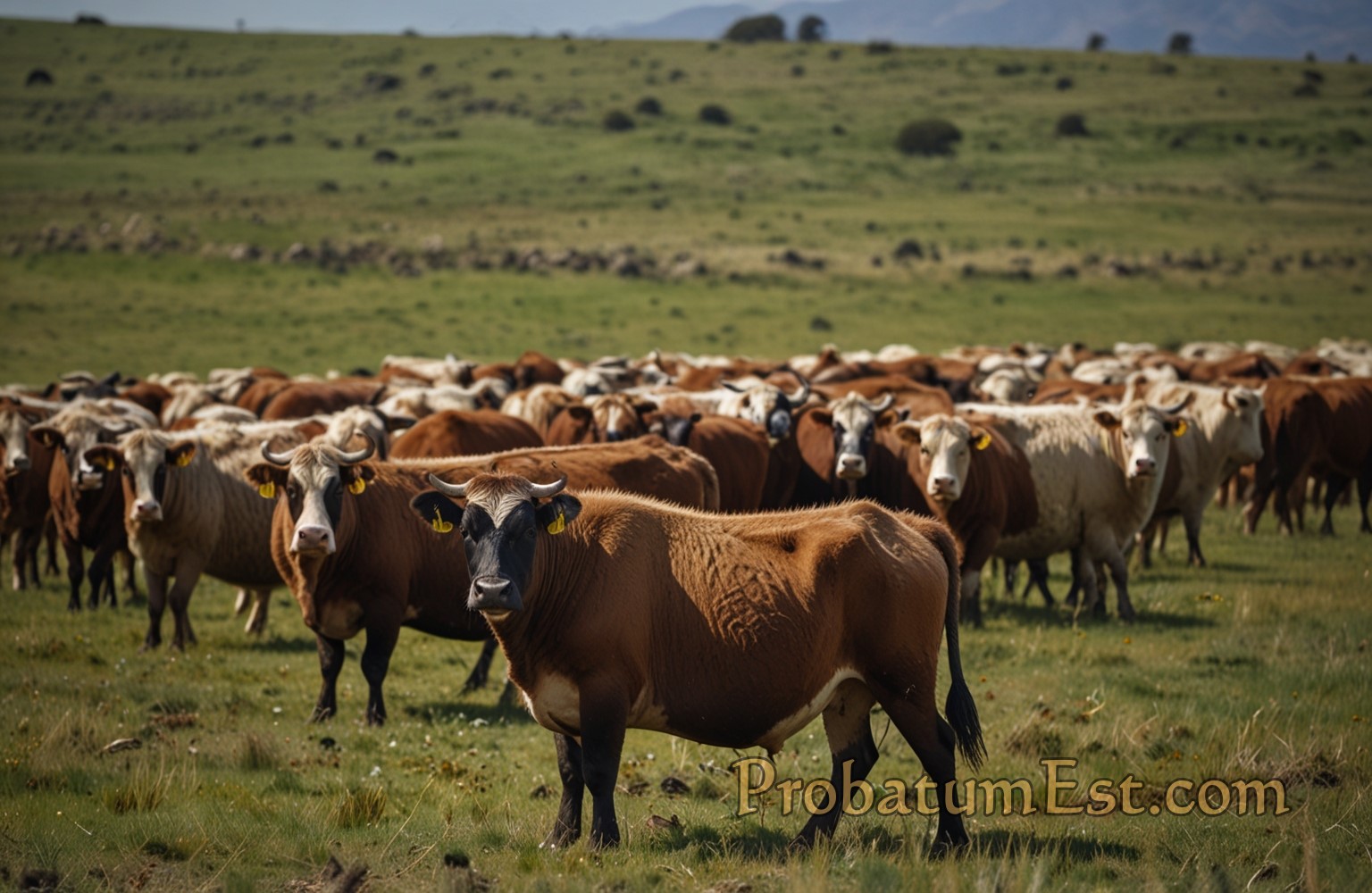
Overgrazing
Overgrazing is a significant environmental issue that affects ecosystems globally. It occurs when livestock consume grasslands or pasture to an extent that prevents vegetation from regenerating, leading to soil erosion, loss of biodiversity, and land degradation. As human populations grow and demand for livestock products increases, the pressures on grazing lands intensify, with detrimental impacts… …read more