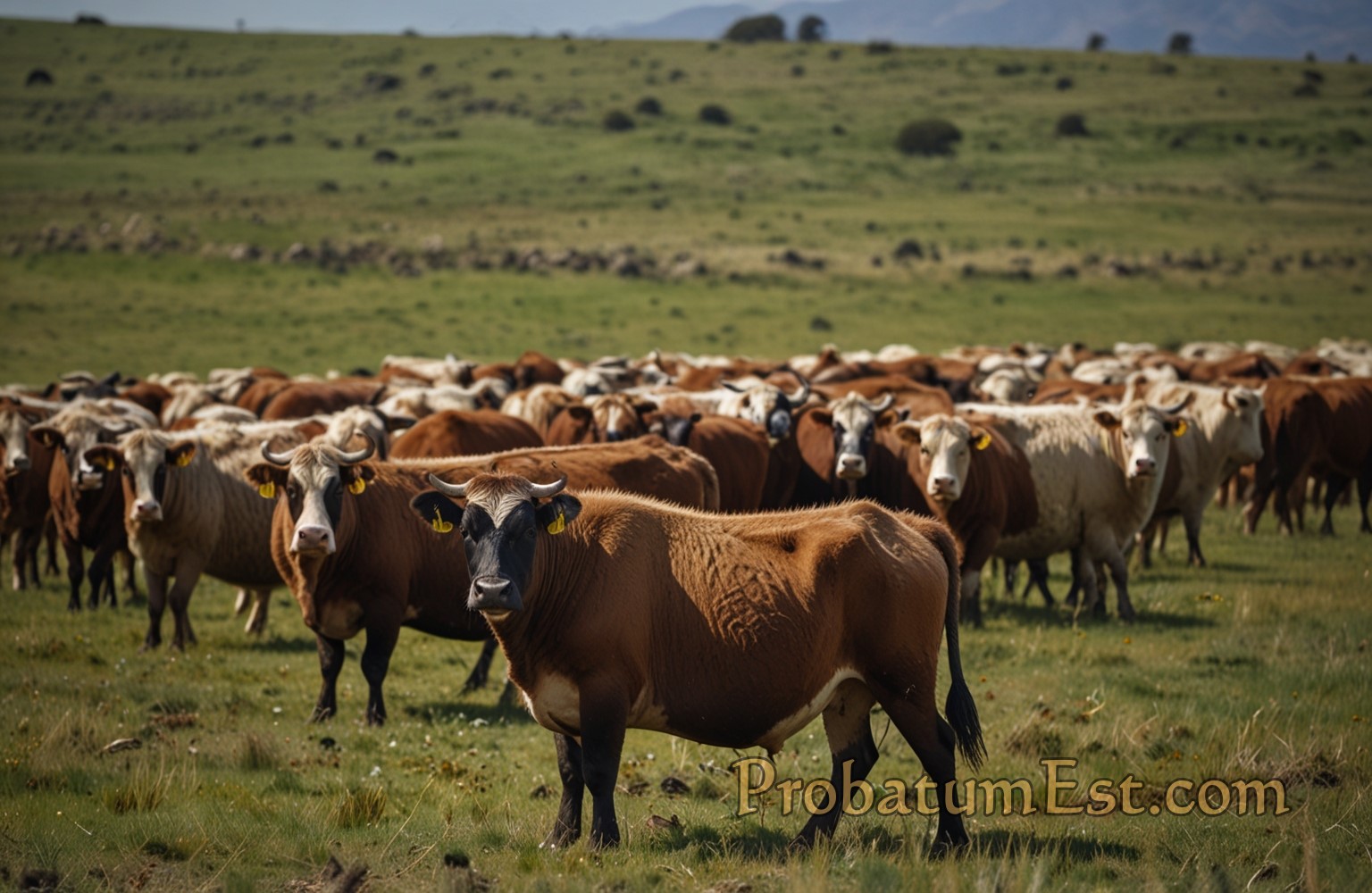
Overgrazing is a significant environmental issue that affects ecosystems globally. It occurs when livestock consume grasslands or pasture to an extent that prevents vegetation from regenerating, leading to soil erosion, loss of biodiversity, and land degradation. As human populations grow and demand for livestock products increases, the pressures on grazing lands intensify, with detrimental impacts on both the environment and the socio-economic stability of communities dependent on these resources.
The Mechanisms of Overgrazing
Overgrazing occurs when the density of livestock surpasses the carrying capacity of the land. Carrying capacity refers to the maximum number of animals the land can sustainably support without causing environmental degradation. When livestock graze continuously without adequate recovery time for vegetation, the plants are unable to regrow, leading to a decrease in plant cover and root structure.
Environmental Impacts
Soil Degradation
The most immediate and devastating impact of overgrazing is soil degradation. With insufficient vegetative cover, the soil becomes more susceptible to erosion by wind and water. This leads to the loss of fertile topsoil, which is essential for plant growth. In areas like the Sahel region in Africa and parts of Australia, overgrazing has accelerated desertification, rendering the land barren and unusable for agricultural purposes.
Biodiversity Loss
Grasslands are home to diverse species of plants and animals. Overgrazing diminishes plant diversity by favoring the growth of certain species over others, leading to a monoculture environment. The loss of plant diversity adversely affects the animals that rely on these plants for food and habitat, leading to a reduction in animal biodiversity as well.
Water Cycle Disruption
Healthy plant cover plays a crucial role in maintaining the water cycle by facilitating water infiltration and reducing surface runoff. Overgrazing compacts the soil, reducing its permeability and increasing runoff and evaporation. This leads to lower water retention in the ecosystem, affecting both terrestrial and aquatic life.
Socio-Economic Consequences
Overgrazing carries profound socio-economic repercussions. Communities in developing regions that rely on agriculture and livestock are particularly vulnerable. The degradation of grazing lands leads to reduced agricultural productivity and food insecurity. It also forces communities to seek new pastures or convert forested lands into grazing areas, further exacerbating environmental degradation and leading to conflicts over scarce resources.
Historical Context
The Dust Bowl of the 1930s in the United States exemplifies the severe consequences of overgrazing combined with poor agricultural practices. Unsustainable grazing and farming methods, along with prolonged drought, led to massive dust storms and soil erosion across the Great Plains, displacing thousands of families and causing economic devastation.
Mitigation and Sustainable Practices
Addressing the challenges of overgrazing requires a multifaceted approach focusing on sustainable land management. Here are some strategies:
Rotational Grazing
Rotational grazing involves moving livestock between different pasture areas to allow time for vegetation to recover. This method maximizes forage production and maintains soil health. By controlling grazing intensity and timing, rotational grazing can enhance biodiversity and increase the resilience of grazing systems.
Integrated Agroforestry
Incorporating trees and shrubs into grazing areas can help prevent soil erosion, improve water retention, and provide additional fodder for livestock. Trees also create a microclimate that can enhance grassland productivity and contribute to carbon sequestration.
Community-Based Management
Empowering local communities to manage grazing lands can lead to more effective and culturally relevant solutions. Community-based approaches encourage participation and accountability, allowing for sustainable resource management tailored to local needs.
Policy and Education
Governments play a vital role in addressing overgrazing through policies that promote sustainable land use and conservation practices. Additionally, educational initiatives can raise awareness about the impacts of overgrazing and encourage the adoption of sustainable practices among farmers and herders.
Conclusion
Overgrazing presents a critical challenge to environmental sustainability and human livelihoods. While the consequences are severe, there are promising strategies to mitigate its effects and promote sustainable land management. By understanding the complex dynamics of overgrazing and implementing holistic and collaborative solutions, we can protect our grazing lands for future generations and ensure the ecological health of our planet.




Leave a Reply