Tag: Living Organism
-
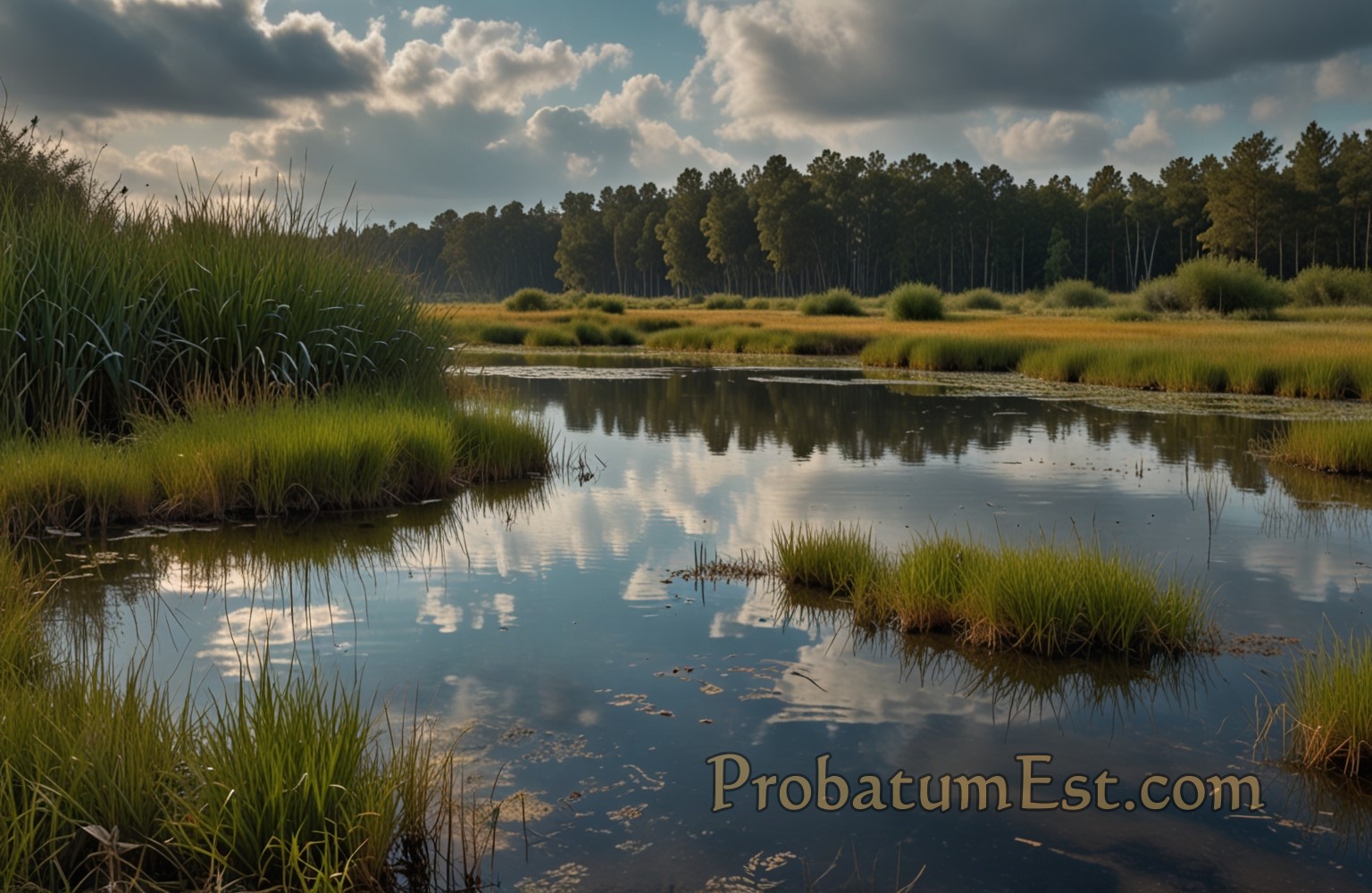
Wetlands – Environmental Guardians of Our Earth
Wetlands are vital natural environments characterized by waterlogged soils or standing water for at least part of the year. They serve as transitional zones between terrestrial and aquatic habitats and support an extraordinary diversity of plants and animals. Below is an in-depth exploration of the defining features of wetlands, their types, ecological functions, key benefits,… …read more

-
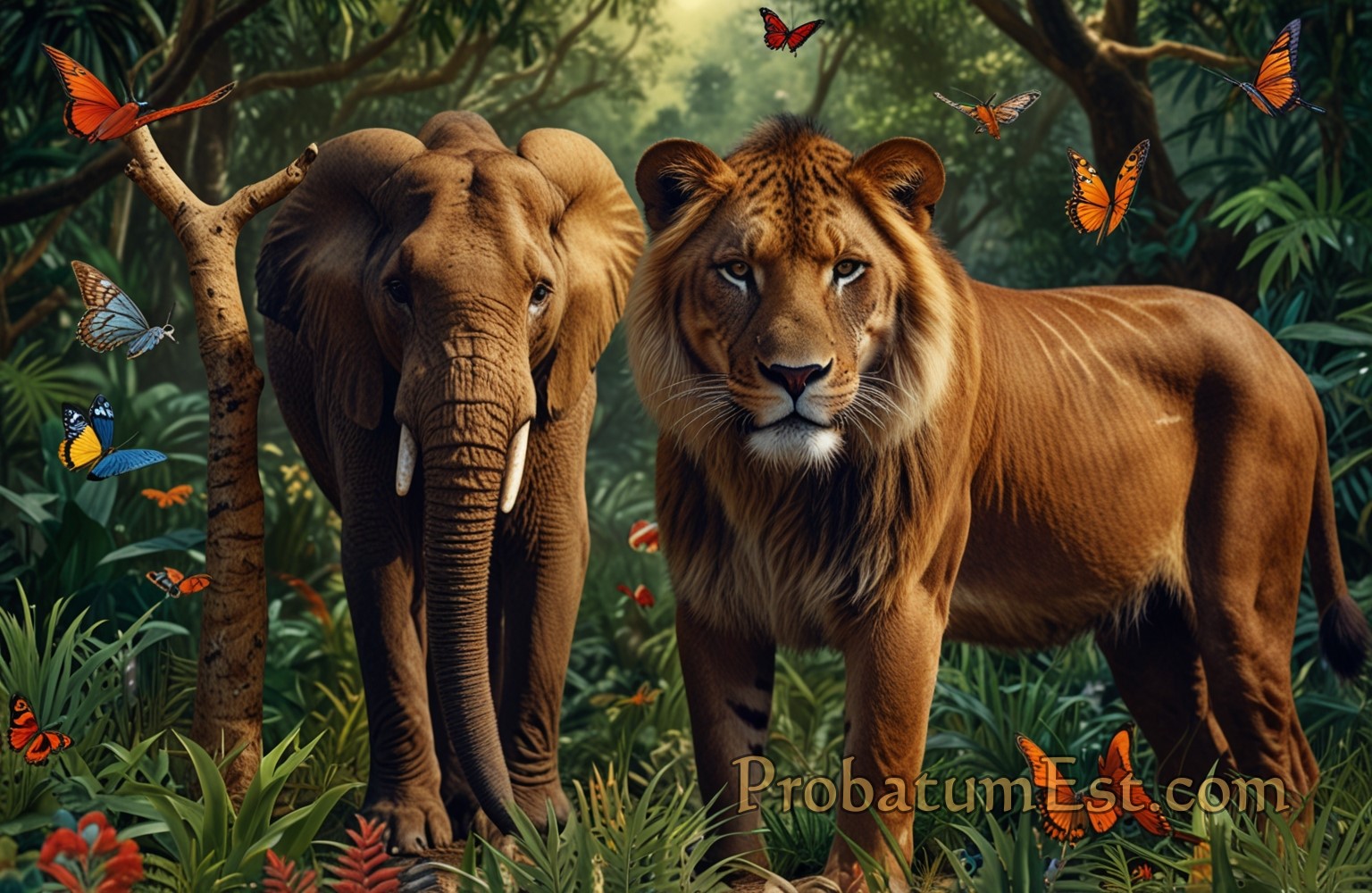
Wildlife – Understanding Our Co-Inhabitants
Wildlife encompasses a vast array of living creatures that inhabit our planet alongside humans. From majestic elephants roaming savannas to microscopic organisms thriving in forest soils, the term “wildlife” includes all non-domesticated species that exist in nature. As our co-inhabitants, these animals, plants, fungi, and other life forms shape ecosystems in essential ways. Exploring the… …read more
-
Humans – A Guide to Who We Are
Humans are among the most complex living organisms on Earth. From the vantage point of biology, the human body is a sophisticated network of systems working in harmony to sustain life, enable thought, power motion, and facilitate interaction with the environment. This article explores in depth what makes humans unique as biological entities — covering… …read more
-
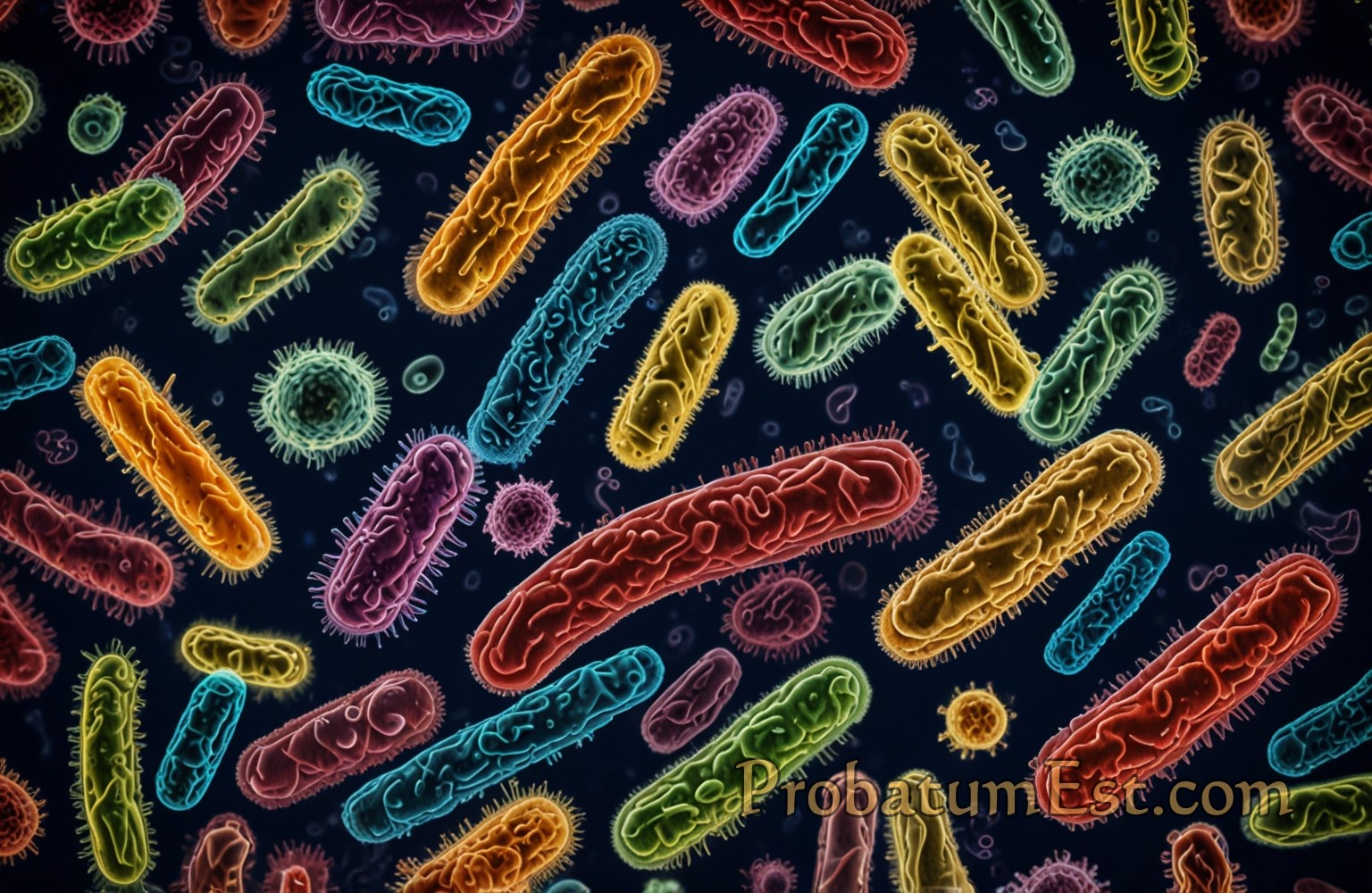
Bacteria – Small in Size, Big in Numbers
Bacteria are among the most diverse, abundant, and resilient organisms on Earth. They inhabit nearly every environment, ranging from soil and freshwater habitats to the depths of the ocean, as well as living within and on other organisms. Even though they are microscopic, bacteria play indispensable roles in ecosystems, industry, and human health. Below is… …read more
-
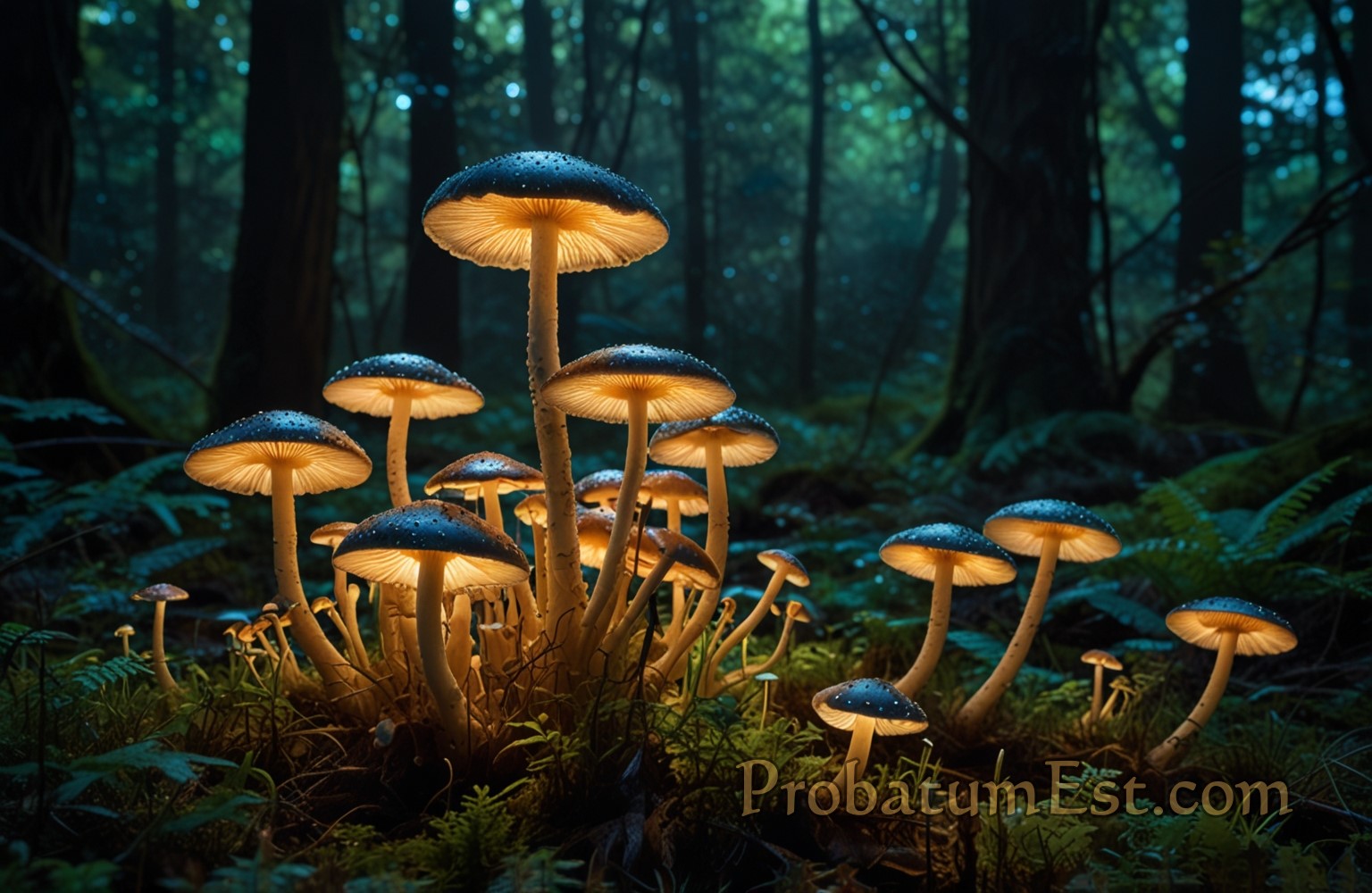
Fungi – More Than Just Mushrooms
Fungi form a vast and fascinating group of organisms that occupy nearly every habitat on Earth. Long recognized primarily as molds and mushrooms, fungi include an enormous range of forms, from microscopic single-celled yeasts to complex networks of filaments that span large areas of soil or rotting logs. Below is a comprehensive examination of fungi… …read more
-
Animals – Guide to the Creatures Around Us
Animals form one of the most diverse and fascinating groups in the biological world. They occupy nearly every kind of habitat on Earth — from the deepest ocean trenches to the highest mountain peaks — and exhibit astonishing variety in size, form, and behavior. Biologically speaking, animals share certain fundamental traits: they are multicellular, they… …read more
-
Plants – Introduction to the Wonders of Botany
Plants are an incredibly diverse group of organisms that form the foundation of most terrestrial ecosystems. They play vital roles in food webs, produce oxygen through photosynthesis, and provide countless resources for other living beings. This comprehensive overview explores the biology of plants — encompassing their structure, physiology, life cycles, classification, and ecological value. The… …read more
-
Pathogens – Small but with Big Impact on Our Lives
Pathogens are microorganisms or agents — including bacteria, fungi, protozoa, parasites, and prions — that have the potential to cause disease in humans, animals, or plants. They range from microscopic single-celled organisms to more complex, multi-cellular parasites and even the elusive protein-based prions. This article will focus mostly on the mainstream understanding of pathogens, however… …read more
-
Nature – A Closer Look
Nature, in the most fundamental biological sense, encompasses the vast tapestry of living organisms and the environments in which they thrive. It spans from the microscopic building blocks of life to the grand and intricate ecosystems that cover the planet. This article provides an in-depth view of nature – a closer look, discussing the essential… …read more
-
Medicinal Plants
Medicinal Plants have been used for centuries as a primary source of healing and treatment across various cultures. From a biological perspective, they are organisms that produce a range of bioactive compounds with therapeutic properties. Their study encompasses a broad spectrum of disciplines, including botany (with Medicinal Botany as a sub-branch), phytochemistry, pharmacology, and ecology.… …read more