Tag: Microscope
-
The Cell Nucleus – Structure, Function, and Significance
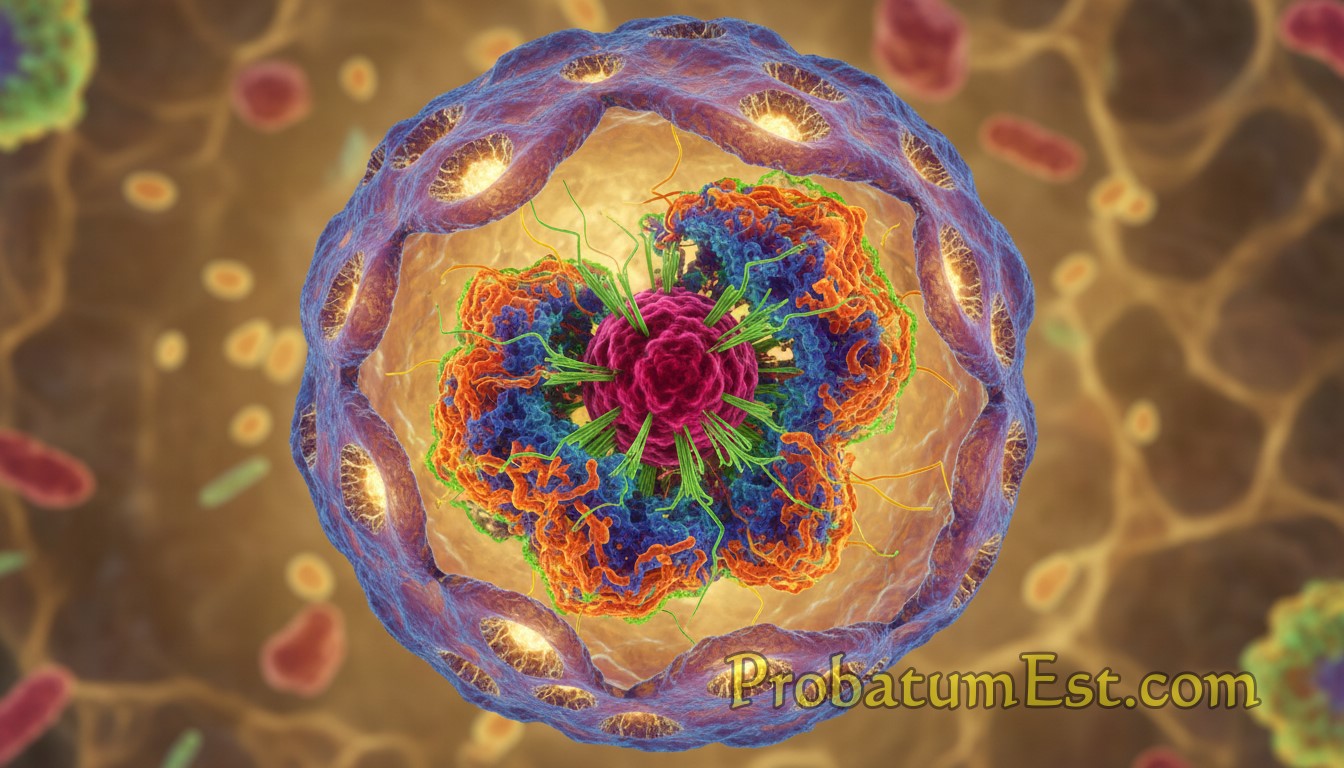
The cell nucleus is a defining feature of most eukaryotic cells, serving as the command center where the genetic code is stored and processed. First described in 1831 by botanist Robert Brown, the nucleus derives its name from the Latin word for “kernel” or “nut,” underscoring its central importance to cell function. Today, our understanding… …read more

-
Eukaryotes – Unraveling the Complex World of Nucleated Life
Eukaryotes form a diverse realm of organisms distinguished by one key characteristic: their cells contain a membrane-bound nucleus. From single-celled algae to multicellular plants and animals, these nucleated life forms represent a vast majority of the life we see each day. This article explores what defines eukaryotes, examines their importance and diversity, and highlights current… …read more
-
Eukaryotic Cells – A Comprehensive Exploration
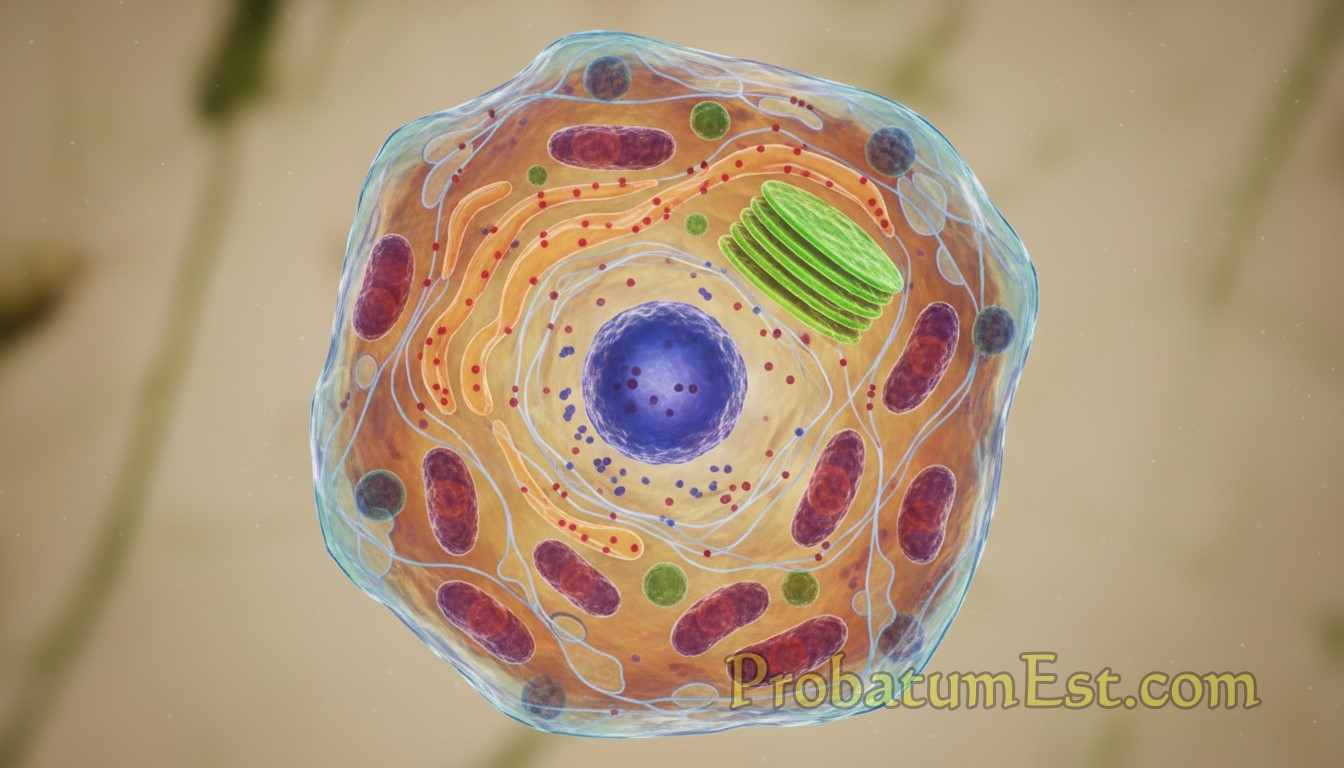
Eukaryotic Cells serve as the fundamental building blocks of many diverse organisms, including animals, plants, fungi, and numerous unicellular species. These cells, distinguished by their membrane-bound organelles and true nucleus, underpin a vast array of complex life forms, making them a focal point of scientific research. Below is a thorough overview of eukaryotic cells, including… …read more
-
Prokaryotic Cells – A Comprehensive Exploration
Prokaryotic Cells are among the most fundamental and intriguing building blocks of life. Distinguished primarily by their lack of a membrane-bound nucleus, these cells play a vital role across multiple arenas — ranging from human health and agriculture to industrial applications. Below is a deep dive into the world of prokaryotic cells, supported by research… …read more
-
Cell – Understanding the Fundamental Unit of Life
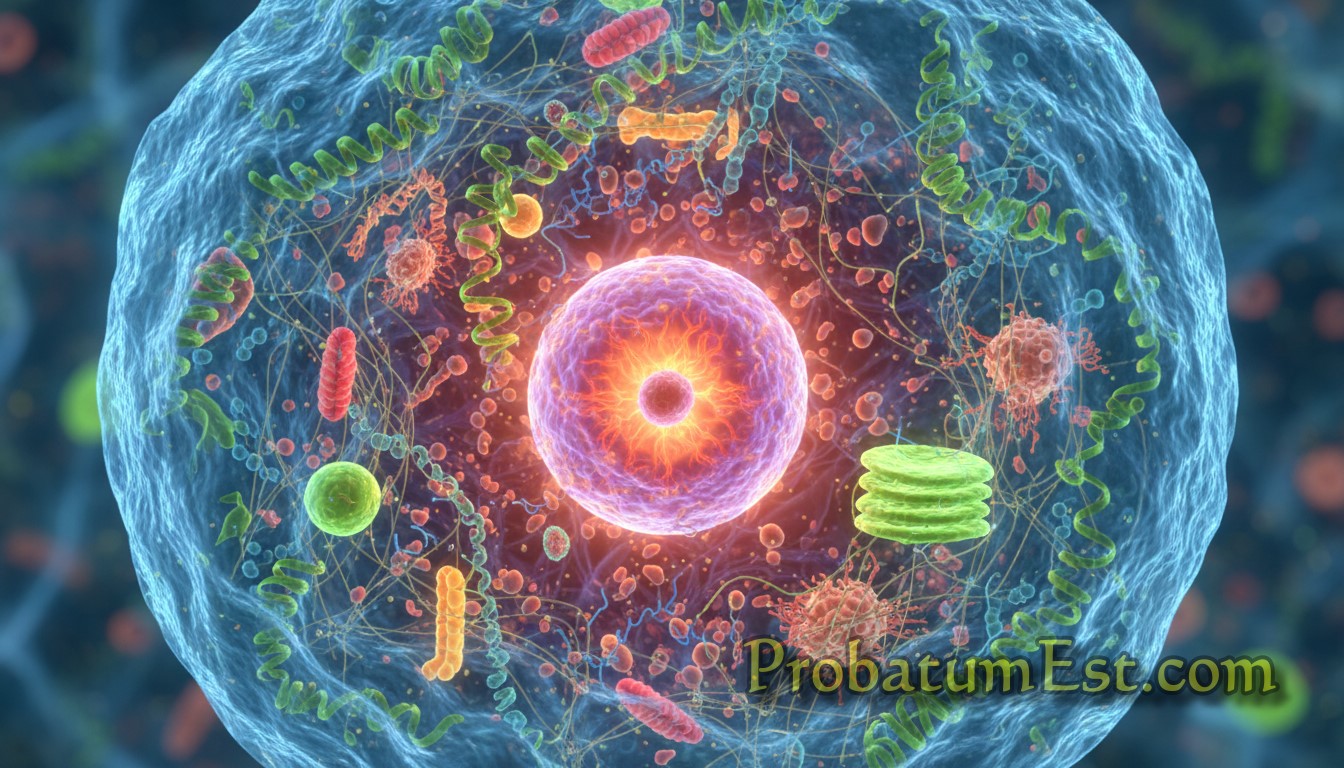
Cells are the smallest living units that compose all known organisms – microcosms of life on which entire biological structures are built. Whether one looks at the tissues in the human body, the roots and leaves of plants, or the myriad unseen organisms in aquatic environments, every form of life depends on cells. This article… …read more
-
Bacteria – Small in Size, Big in Numbers
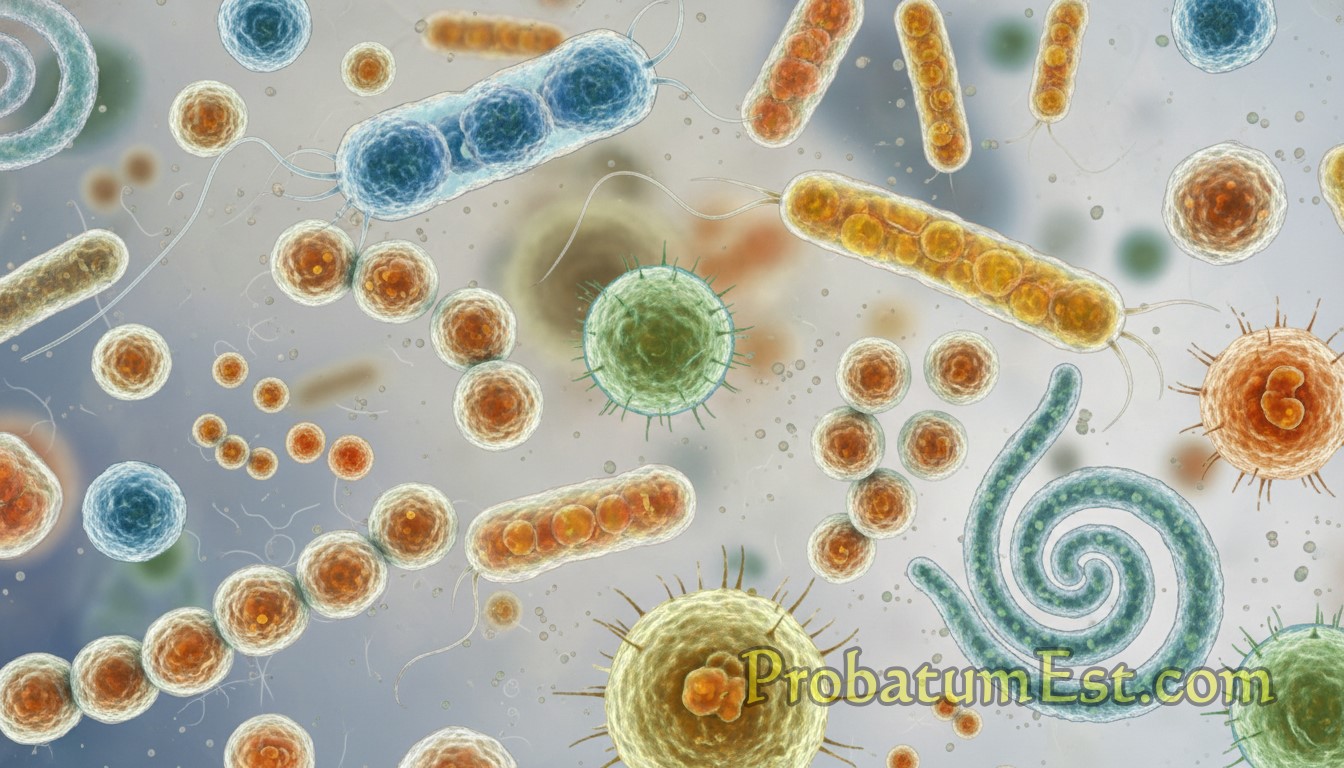
Bacteria are among the most diverse, abundant, and resilient organisms on Earth. They inhabit nearly every environment, ranging from soil and freshwater habitats to the depths of the ocean, as well as living within and on other organisms. Even though they are microscopic, bacteria play indispensable roles in ecosystems, industry, and human health. Below is… …read more

-
Pathogens – Small but with Big Impact on Our Lives
Pathogens are microorganisms or agents — including bacteria, fungi, protozoa, parasites, and prions — that have the potential to cause disease in humans, animals, or plants. They range from microscopic single-celled organisms to more complex, multi-cellular parasites and even the elusive protein-based prions. This article will focus mostly on the mainstream understanding of pathogens, however… …read more
-
Microorganisms – Hidden Backbone of Life on Earth
Microorganisms are the unsung heroes of our ecosystem, playing a profound role in shaping the environment, maintaining the health of higher organisms, and driving biogeochemical cycles. Comprising a vast diversity of life forms, microorganisms are characterized by their microscopic size and include bacteria, archaea, fungi, algae, and protozoa. This article delves deep into their fascinating… …read more
-
Microbiology
Microbiology is the scientific study of microorganisms, a diverse group of microscopic entities that include bacteria, fungi, algae, protozoa, and archaea. Despite their minute size, microorganisms play a significant role in the biological processes essential for life on Earth. From their crucial function in ecosystem sustainability and biotechnology to their role in human health and… …read more
-
Biology – The Foundation of Life Sciences
Biology, the scientific study of life, is a vast and dynamic field that encompasses the exploration of living organisms and their processes. Serving as the bedrock for the life sciences, biology connects various disciplines such as ecology, botany, zoology, genetics, and biotechnology, and is pivotal in understanding the natural world. This article delves into the… …read more