Tag: Organelle
-
Membrane-Bound Organelles – In-Depth Exploration
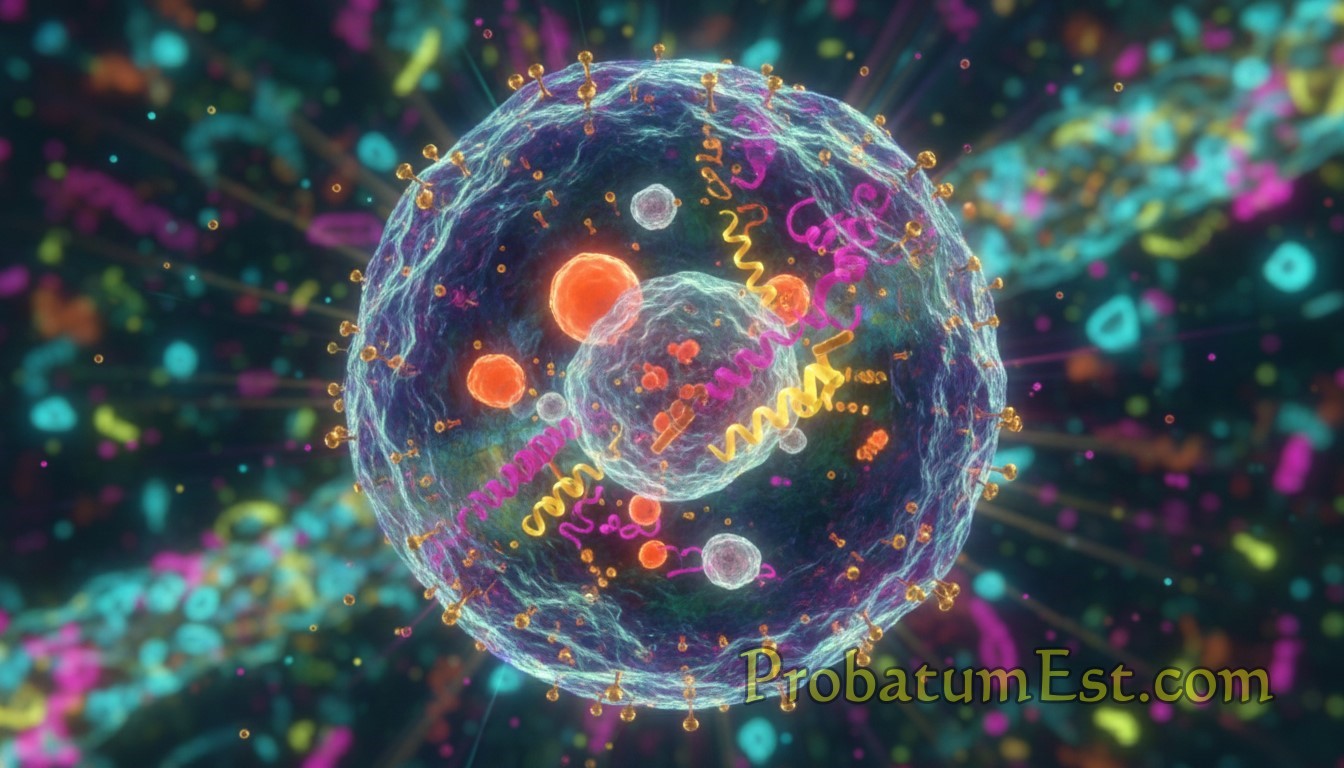
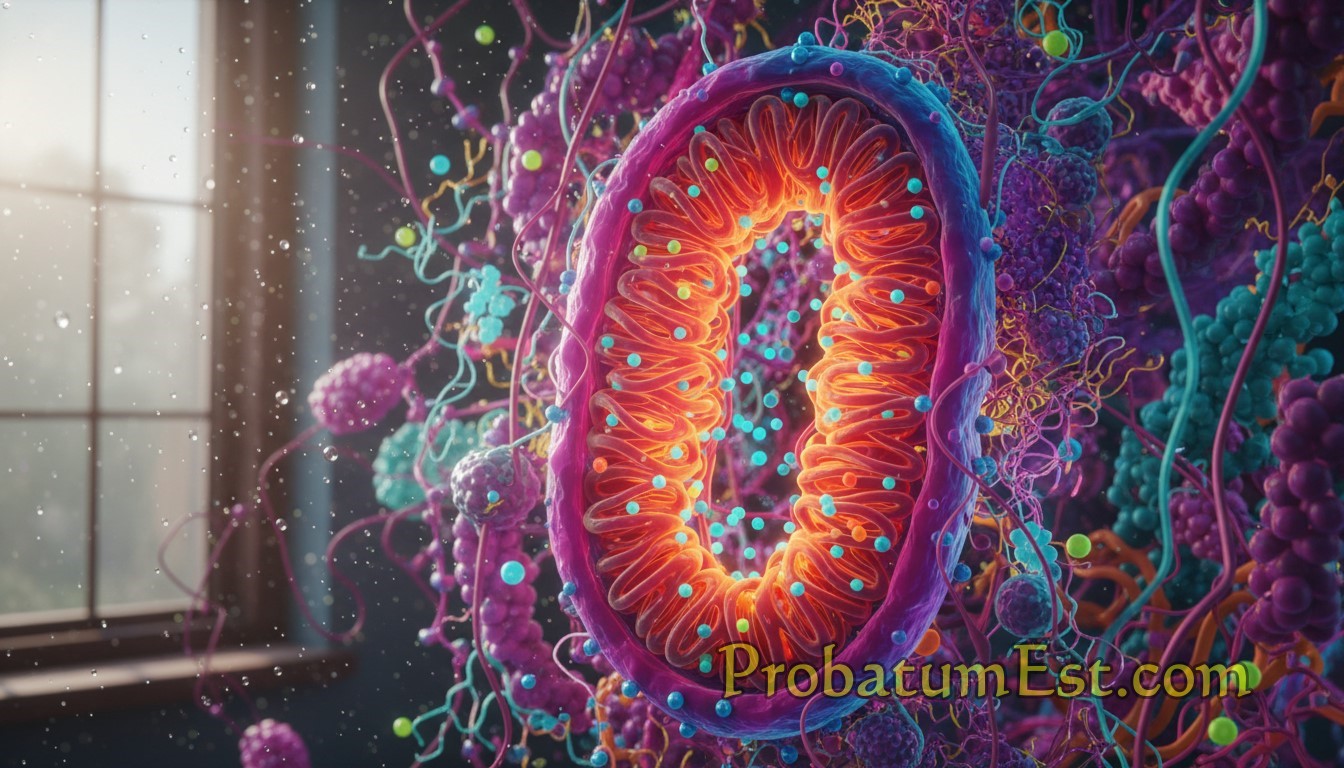
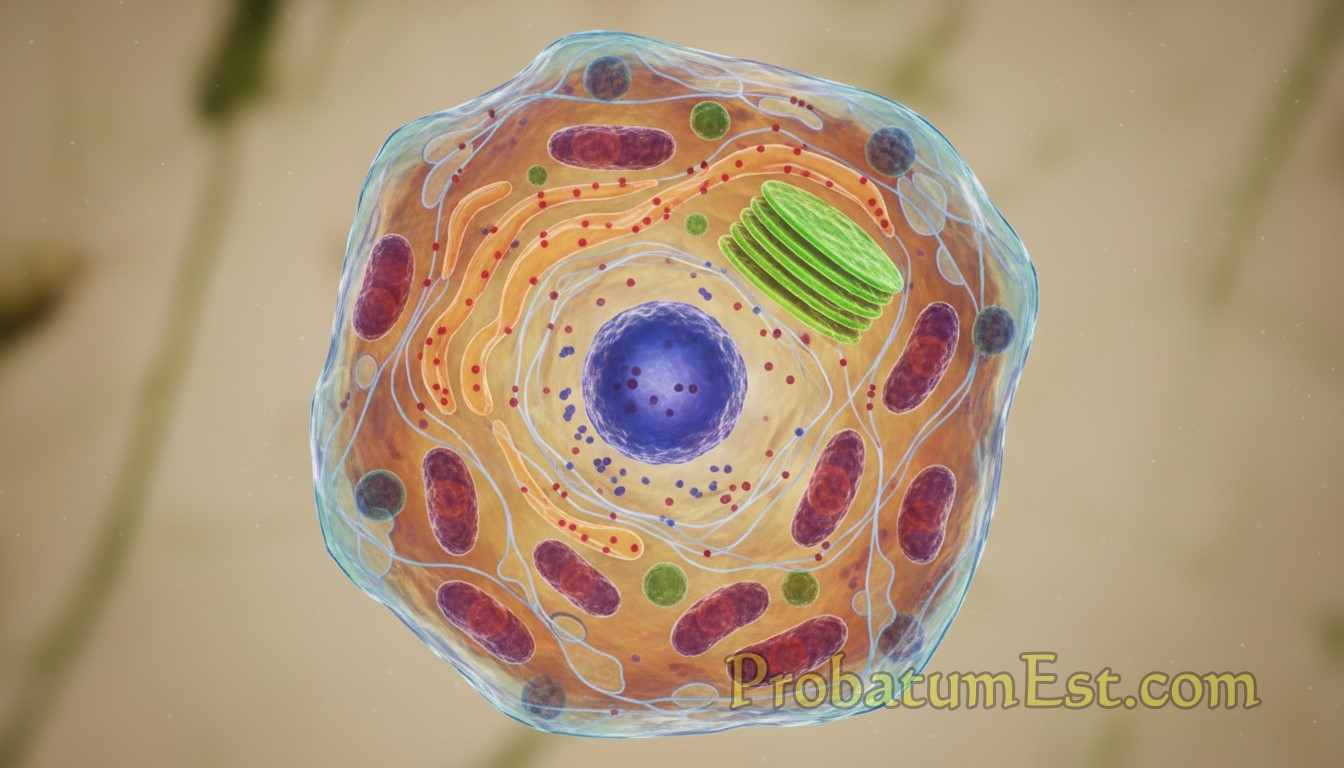
Membrane-bound organelles are among the most pivotal features distinguishing eukaryotic cells from many other cell types. These specialized structures carry out diverse, vital tasks necessary for cellular function and survival, ranging from energy generation to protein modification and waste management. This in-depth exploration will delve into the different membrane-bound organelles, how they function, and why… …read more

-
Organelles – Deep Dive Into Their Essential Roles in Cell Function
The cell is the smallest functional unit of life, yet it houses an astonishing level of organization and complexity. One of the most critical aspects of this internal organization is the presence of organelles — specialized structures that carry out specific tasks to keep the cell functioning optimally. While commonly associated with eukaryotic cells (such… …read more
-
What Do Prokaryotes and Eukaryotes Have in Common?
For decades, biology students and researchers alike have recognized that all living cells can be broadly classified into two types: prokaryotes and eukaryotes. Prokaryotes include organisms such as bacteria and archaea. Eukaryotes, on the other hand, encompass everything from single-celled protists to complex multicellular organisms like plants and animals. While the differences between these two… …read more
-
Eukaryotes – Unraveling the Complex World of Nucleated Life
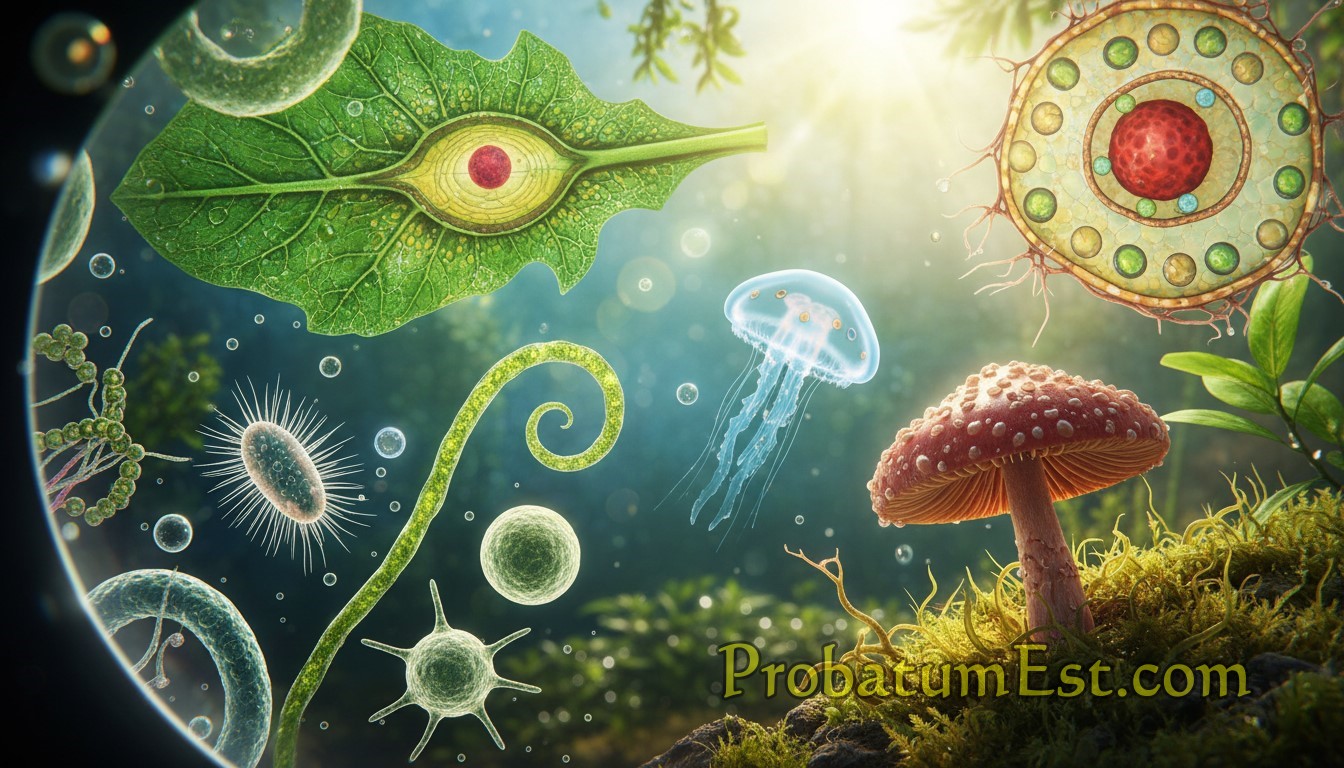
Eukaryotes form a diverse realm of organisms distinguished by one key characteristic: their cells contain a membrane-bound nucleus. From single-celled algae to multicellular plants and animals, these nucleated life forms represent a vast majority of the life we see each day. This article explores what defines eukaryotes, examines their importance and diversity, and highlights current… …read more
-
Eukaryotic Cells – A Comprehensive Exploration
Eukaryotic Cells serve as the fundamental building blocks of many diverse organisms, including animals, plants, fungi, and numerous unicellular species. These cells, distinguished by their membrane-bound organelles and true nucleus, underpin a vast array of complex life forms, making them a focal point of scientific research. Below is a thorough overview of eukaryotic cells, including… …read more
-
Humans – A Guide to Who We Are
Humans are among the most complex living organisms on Earth. From the vantage point of biology, the human body is a sophisticated network of systems working in harmony to sustain life, enable thought, power motion, and facilitate interaction with the environment. This article explores in depth what makes humans unique as biological entities — covering… …read more

-
Bacteria – Small in Size, Big in Numbers
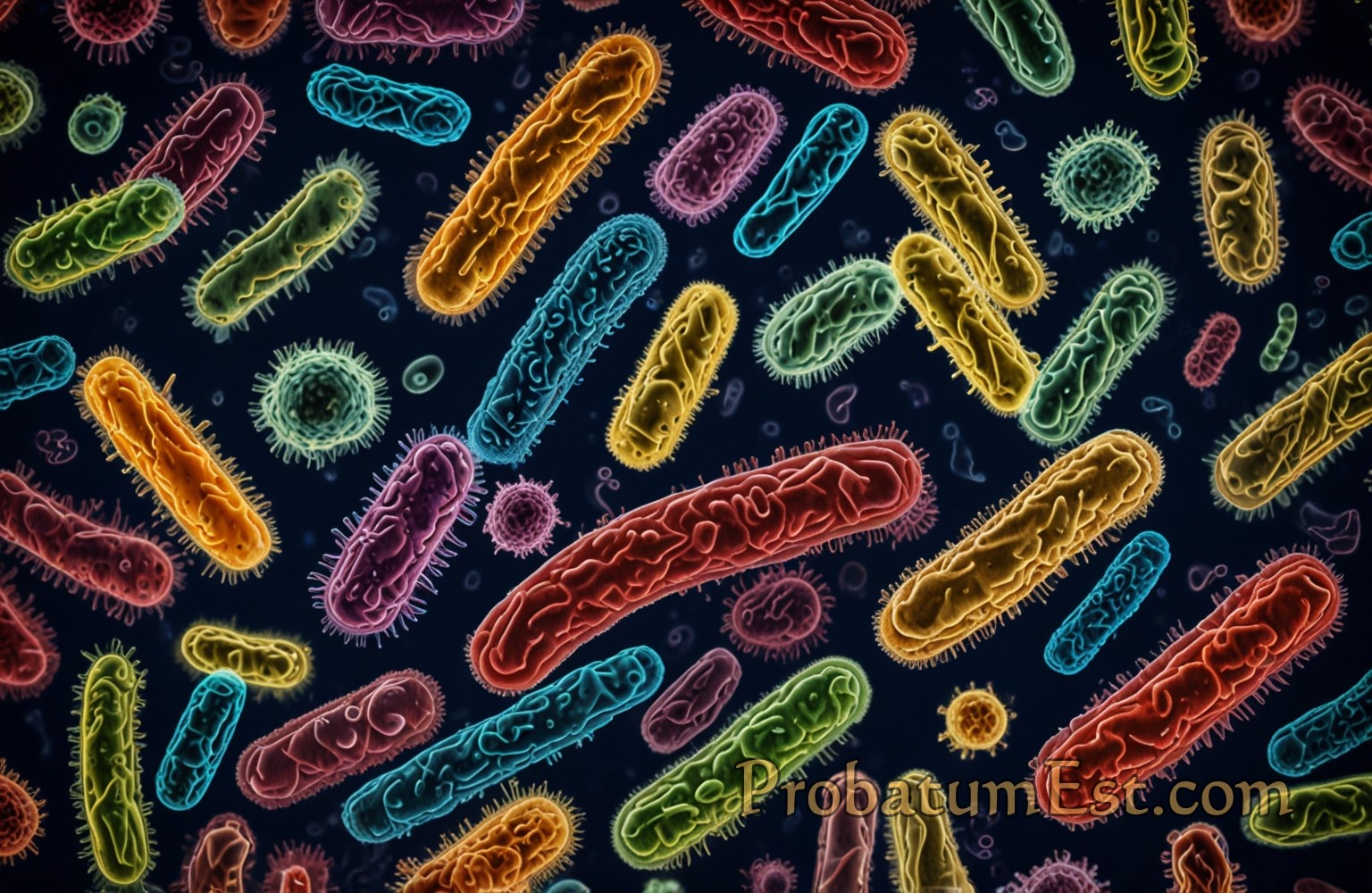
Bacteria are among the most diverse, abundant, and resilient organisms on Earth. They inhabit nearly every environment, ranging from soil and freshwater habitats to the depths of the ocean, as well as living within and on other organisms. Even though they are microscopic, bacteria play indispensable roles in ecosystems, industry, and human health. Below is… …read more
-
Fungi – More Than Just Mushrooms
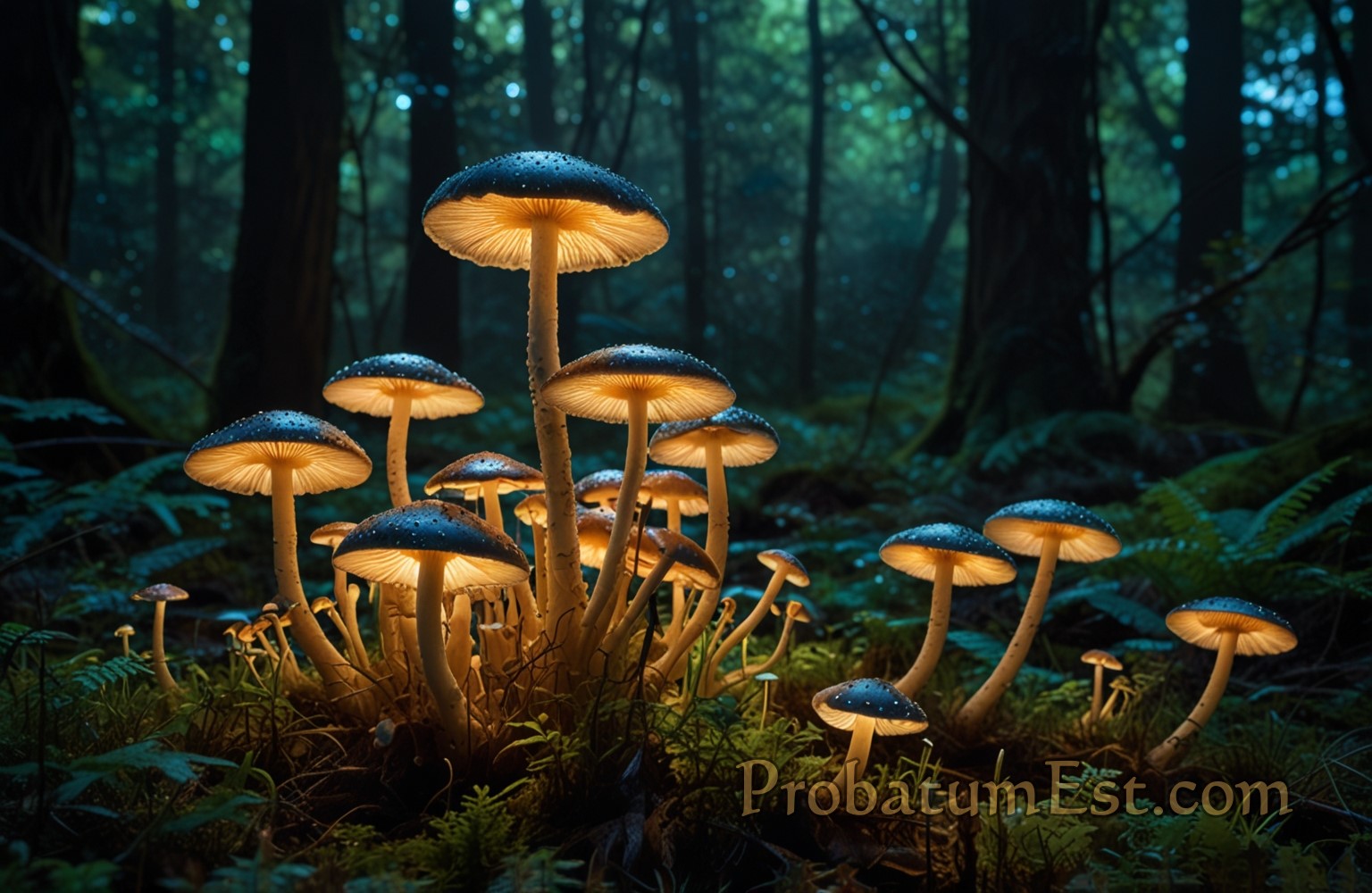
Fungi form a vast and fascinating group of organisms that occupy nearly every habitat on Earth. Long recognized primarily as molds and mushrooms, fungi include an enormous range of forms, from microscopic single-celled yeasts to complex networks of filaments that span large areas of soil or rotting logs. Below is a comprehensive examination of fungi… …read more
-
Nature – A Closer Look
Nature, in the most fundamental biological sense, encompasses the vast tapestry of living organisms and the environments in which they thrive. It spans from the microscopic building blocks of life to the grand and intricate ecosystems that cover the planet. This article provides an in-depth view of nature – a closer look, discussing the essential… …read more