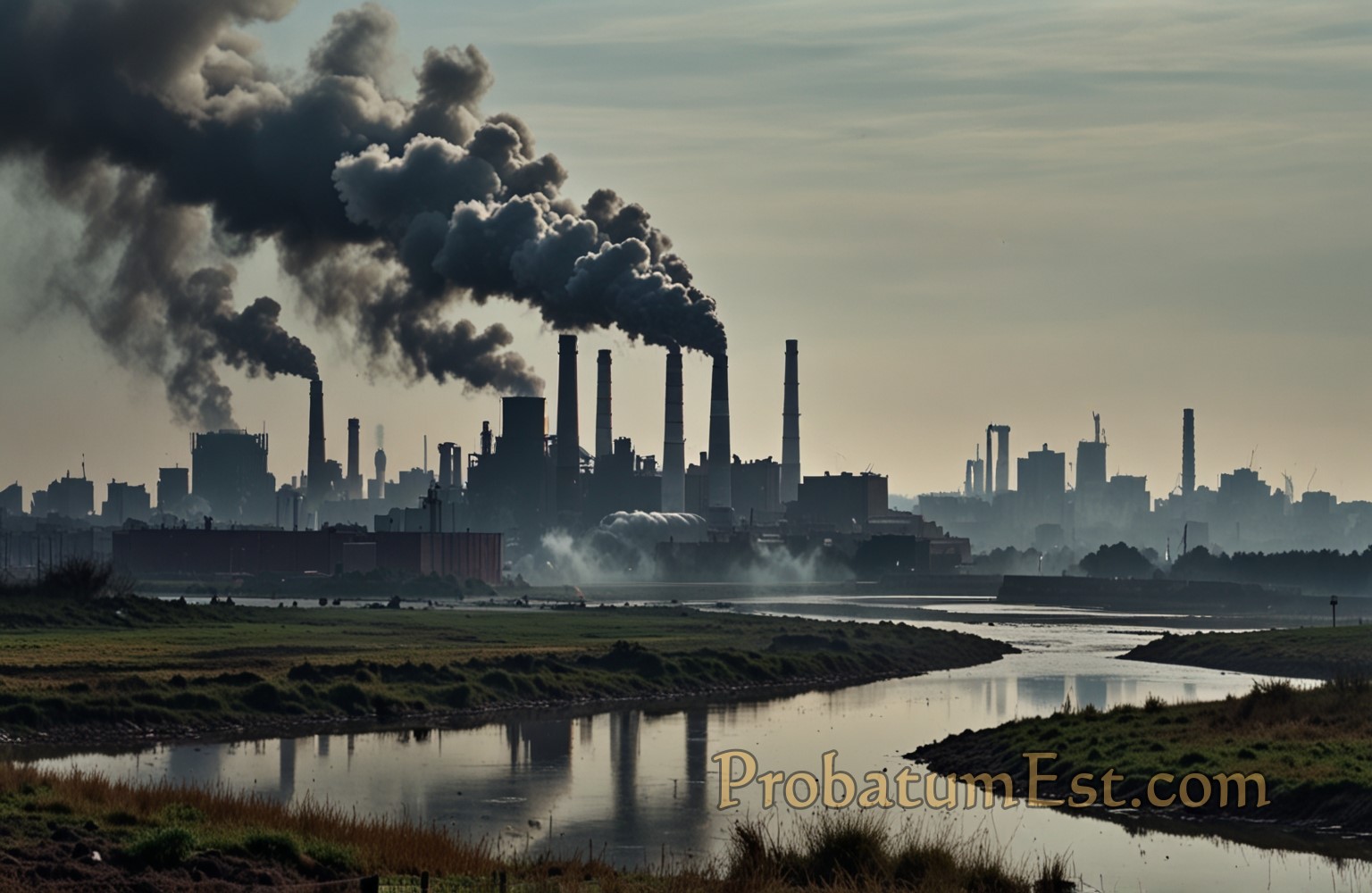
Pollution, the contamination of the natural environment, has detrimental effects on ecosystems, human health, and the planet’s climate. It’s a problem as old as civilizations themselves, but the modern scale and complexity of pollution is unprecedented, driven by industrialization, urbanization, and exponential population growth. This article will delve into the various types of pollution, their sources, impacts, and the ongoing global efforts to mitigate their effects.
Types of Pollution
Pollution manifests in multiple forms, each with unique sources and impacts:
1. Air Pollution
- Sources: Combustion of fossil fuels in vehicles and industries, agricultural activities, and natural phenomena like wildfires.
- Components: Particulate matter (PM), nitrogen oxides (NOx), sulfur dioxide (SO2), carbon monoxide (CO), and volatile organic compounds (VOCs).
- Impacts: Respiratory illnesses, cardiovascular diseases, and adverse climatic changes, such as global warming due to greenhouse gases like CO2 and methane.
2. Water Pollution
- Sources: Industrial discharges, agricultural runoff, sewage, and oil spills.
- Contaminants: Heavy metals, microbial pathogens, nutrients (nitrogen and phosphorus), and persistent organic pollutants.
- Impacts: Ecosystem degradation, loss of biodiversity, and health problems in humans, including gastrointestinal diseases and neurological disorders.
3. Soil Pollution
- Sources: Industrial activity, agricultural chemicals like pesticides and fertilizers, waste disposal, and mining.
- Contaminants: Heavy metals, hydrocarbons, and hazardous chemicals like PCBs.
- Impacts: Reduced soil fertility, disruption of food chains, and health risks due to contaminated crops.
4. Noise Pollution
- Sources: Transportation systems, industrial operations, urban activity, and entertainment venues.
- Impacts: Hearing loss, stress, sleep disturbances, and lowered productivity in humans, as well as ecological disturbances affecting wildlife.
5. Light Pollution
- Sources: Urban lighting, commercial facilities, and streetlamps.
- Impacts: Disruption of ecosystems, human circadian rhythms, and astronomical observations.
6. Plastic Pollution
- Sources: Excessive plastic production and inadequate waste management systems.
- Impacts: Oceanic and terrestrial habitat degradation, entanglement and ingestion risks for wildlife, and potential human health risks from microplastic ingestion.
Global Impacts
Pollution has extensive global ramifications, affecting health, economies, and social structures:
- Health: The World Health Organization reports that air pollution is a major environmental risk to health, estimated to cause around 4.2 million premature deaths per year.
- Ecosystems: Pollution threatens biodiversity by altering habitats and introducing toxins that disrupt the delicate balance of ecosystems.
- Climate Change: Greenhouse gases from pollution may contribute to alleged climate change with severe weather patterns, and impact on food security.
- Economic Costs: The economic cost of pollution-related health care, loss of productivity, and environmental degradation is enormous, with estimates running into trillions of dollars annually.
Mitigation Efforts
Efforts to tackle pollution are multifaceted, involving policy, technology, and public awareness:
1. Regulatory Frameworks
- Governments worldwide have implemented regulations like the Clean Air Act, Water Framework Directive, and international agreements such as the Paris Agreement to control pollutants.
- Agencies like the Environmental Protection Agency (EPA) set and enforce standards for pollutant levels.
2. Technological Innovations
- Advancements in renewable energy sources like solar, wind, and hydropower reduce reliance on fossil fuels.
- Development of pollution control technologies such as catalytic converters, scrubbers, and new waste management techniques.
- Innovative solutions for plastic waste, including biodegradable alternatives and improved recycling methods.
3. Public Engagement and Education
- Awareness campaigns about the impacts of pollution and sustainable practices.
- Encouragement of individual actions like reducing, reusing, and recycling, as well as sustainable transportation methods such as cycling or carpooling.
4. Corporate Responsibility
- Companies adopting sustainable practices, reducing emissions, and minimizing waste in their operations.
- Corporate social responsibility (CSR) initiatives aimed at supporting environmental conservation.
5. International Collaboration
- Global forums and organizations like the United Nations Environment Programme (UNEP) facilitating international cooperation and resource sharing.
- Cross-border agreements addressing transboundary pollution issues, such as acid rain and marine pollution.
Conclusion
Addressing pollution is crucial not only for the health of our planet but also for the survival and wellbeing of future generations. While significant strides have been made globally, the continued and concerted effort of governments, industries, and individuals is essential. By understanding the intricacies of pollution and actively participating in its mitigation, society can pave the way for a cleaner, healthier, and more sustainable future.



Leave a Reply