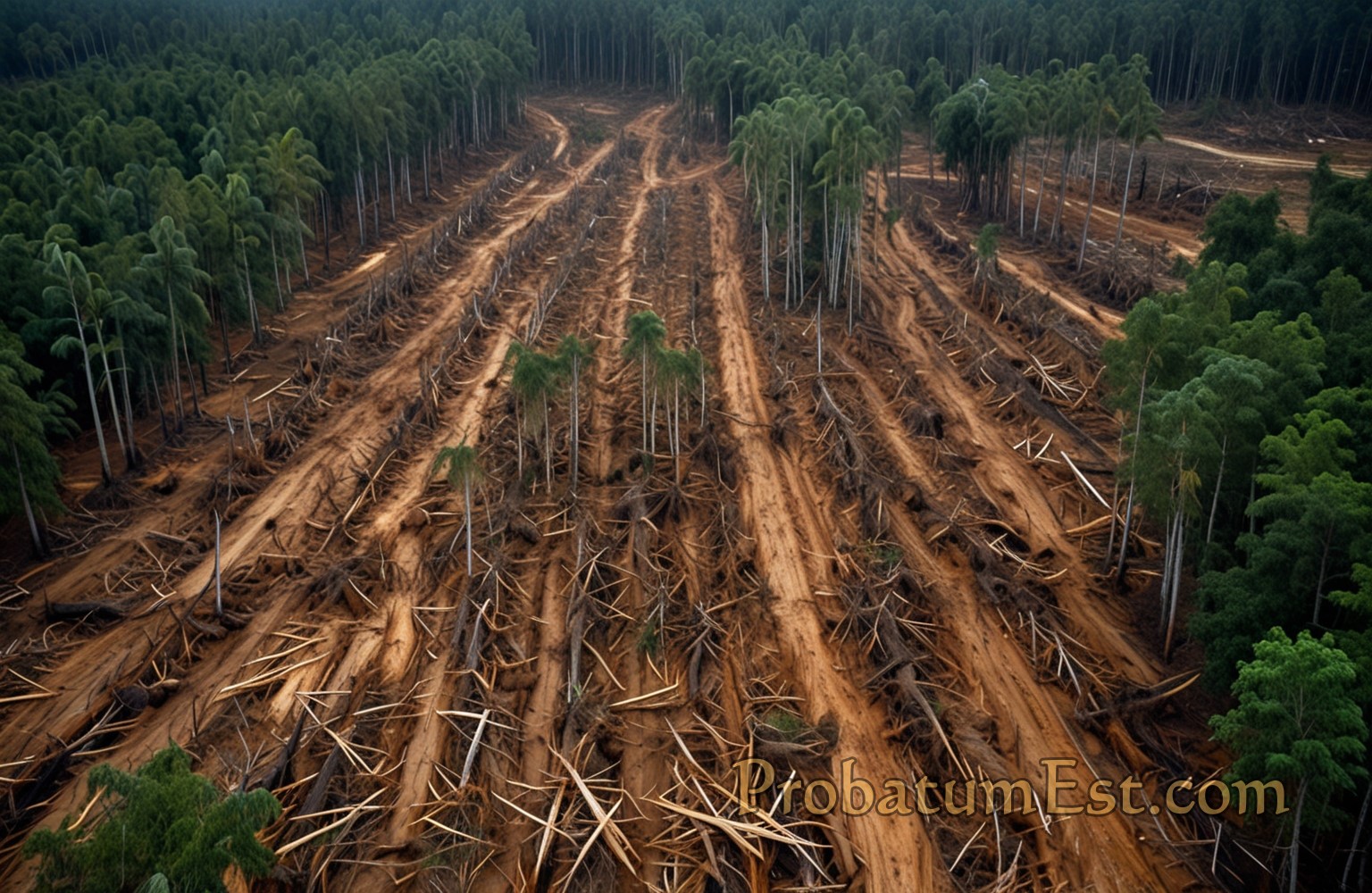
Deforestation refers to the large-scale removal of forested areas, often converting them into non-forest uses such as agriculture, ranching, or urban development. This practice has profound implications not only for the local environments where it occurs but also for global ecosystems and climate systems. As the Earth continues to experience rapid industrialization and population growth, understanding the causes, consequences, and potential solutions to deforestation has become increasingly crucial.
Historical Context
Historically, deforestation is not a new phenomenon. Humans have been clearing forests for thousands of years, starting with the advent of agriculture. However, the scale and rate at which forests are being cleared today are unprecedented. The expansion of agricultural frontiers, particularly since the industrial revolution, has led to the depletion of large forested areas globally. Regions like Europe and North America saw significant deforestation in the 19th and early 20th centuries, while the second half of the 20th century witnessed extensive deforestation in tropical regions, particularly in the Amazon Basin, Southeast Asia, and Sub-Saharan Africa.
Causes of Deforestation
- Agricultural Expansion: One of the primary drivers of deforestation is the conversion of forests into agricultural lands. This includes both subsistence farming practiced by local communities and large-scale commercial agriculture, which produces commodities such as soy, palm oil, beef, and coffee. The increasing demand for these products, often driven by global markets, has led to extensive forest clearance.
- Logging Activities: Timber harvesting for commercial purposes is another significant cause. Trees are cut for lumber or pulp, and illegal logging remains rampant in many forest-rich regions. Logging not only removes forest cover but also opens up areas for further degradation and conversion.
- Infrastructure Development: As nations develop, the need for infrastructure such as roads, dams, and urban settlements frequently leads to deforestation. Roads, in particular, can have a multiplier effect by providing access to previously remote forest areas, facilitating further logging, agriculture, and human settlement.
- Mining: The extraction of minerals and fossil fuels beneath forested lands results in clear-cutting of forests. This is particularly evident in regions rich in resources, where surface mining techniques are employed.
- Fires: Both natural and human-induced fires contribute to deforestation. In some cases, intentional fires are set to clear land quickly for agriculture, but these can become uncontrolled, leading to large-scale forest destruction.
Consequences of Deforestation
- Biodiversity Loss: Forests are rich ecosystems that house an estimated 80% of the world’s terrestrial biodiversity. Deforestation leads to habitat destruction, threatening countless species with extinction and disrupting ecological processes.
- Climate Change: Forests play a crucial role in regulating the climate by sequestering carbon dioxide (CO2). When forests are cleared, not only is this carbon-sinking ability diminished, but the carbon stored in trees is released back into the atmosphere, contributing to greenhouse gas emissions.
- Disruption of Water Cycles: Trees play a vital role in maintaining the water cycle by facilitating precipitation and maintaining river flow. Deforestation disrupts this cycle, often leading to reduced rainfall, altered weather patterns, and increased incidents of floods and droughts.
- Soil Degradation and Erosion: Tree roots help stabilize the soil. Their removal due to deforestation can result in soil erosion, decreased fertility, and desertification. This land degradation negatively impacts agriculture and the livelihoods of people dependent on these lands.
- Impact on Indigenous Communities: Many indigenous peoples rely on forests for their livelihoods, cultural identity, and spirituality. Deforestation threatens their territorial rights, food sources, and traditional ways of life.
Strategies for Mitigating Deforestation
- Sustainable Forest Management: Implementing practices that promote the sustainable use of forest resources can significantly mitigate deforestation. This includes selective logging, reforestation, and afforestation practices.
- Agroforestry Systems: Integrating trees into agricultural landscapes can help maintain ecosystem services while providing economic benefits. Agroforestry can improve soil fertility, increase biodiversity, and serve as a buffer against climate extremes.
- Policy and Legislation: Establishing and enforcing policies that protect forested areas are crucial. This includes creating protected areas, recognizing the land rights of indigenous communities, and implementing stricter regulations against illegal logging and land conversion.
- Economic Incentives: Programs like REDD+ (Reducing Emissions from Deforestation and Forest Degradation) provide financial incentives to developing countries to preserve their forests. Payment for ecosystem services (PES) schemes reward landholders for maintaining forest cover.
- Consumer Awareness and Corporate Responsibility: Encouraging consumers to choose sustainably sourced products can drive companies to adopt more sustainable practices. Certifications such as the Forest Stewardship Council (FSC) label can guide consumers in making environmentally friendly choices.
Conclusion
The challenge of deforestation is multifaceted, encompassing ecological, economic, and social dimensions. Addressing this pressing issue requires a coordinated global effort that integrates sustainable practices, robust legislation, economic incentives, and a commitment to reversing the adverse impacts of this phenomenon. Forests are indispensable to the planet’s health, sustaining biodiversity and potentially playing a pivotal role in combating alleged climate change. Thus, preserving and restoring forests is not merely an environmental priority but a critical component of a sustainable future for humanity.




Leave a Reply